
Side Dishes
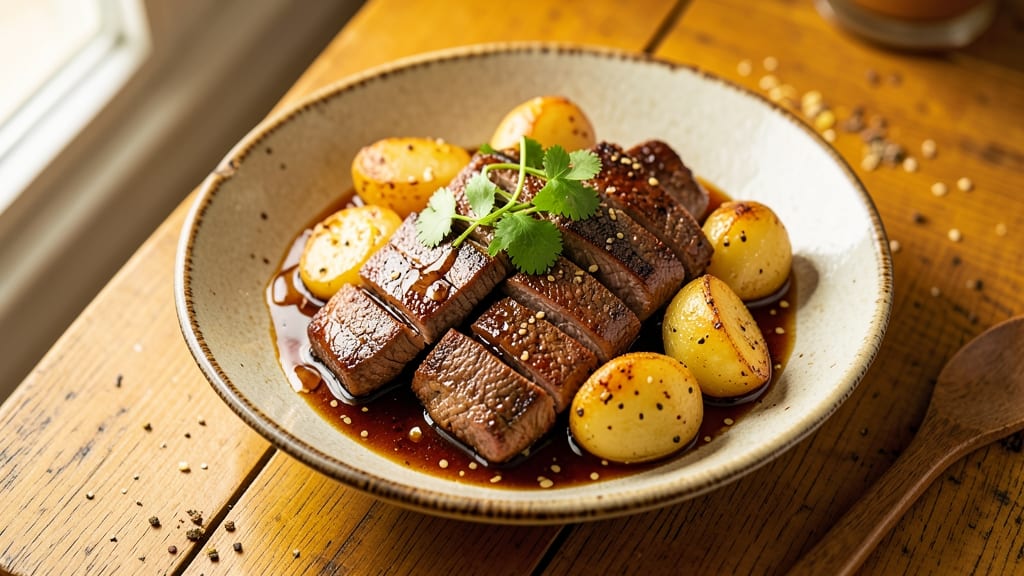
This Asian beef and potatoes recipe delivers restaurant-quality wok-seared edges that stay crispy while the tender beef and potatoes absorb bold soy-ginger flavors. The secret lies in high-heat searing followed by a quick sauce toss that transforms simple ingredients into a complete, satisfying meal.
I developed this technique after years of experimenting with Asian-inspired stir-fries, and it never fails to impress—even with minimal prep time.
What makes this recipe special is the perfect balance of textures and flavors: crispy potato edges that contrast with tender beef, all coated in a savory-sweet soy-ginger sauce that's packed with umami depth.
The potatoes get their signature crispiness from a quick sear in a hot wok or skillet, while the beef develops a caramelized crust that adds extra flavor without drying out. This method works equally well with flank steak or sirloin, making it versatile for any protein preference.
By the time you finish cooking, you'll have a complete meal ready in about 30 minutes—no side dishes required. The potatoes absorb the sauce beautifully, creating a satisfying bite with every forkful, while the beef remains juicy and flavorful.
The aroma alone will have everyone gathered around your table, and the clean-up is surprisingly minimal for such an impressive dish.
Serve this with steamed rice or fresh greens for a balanced meal that feels both comforting and exciting. The sauce can be adjusted to your preference—more ginger for heat, extra soy for depth, or a touch of honey for sweetness. Here's how to make it perfectly every time.
Ingredients for asian beef and potatoes
Restaurant-quality wok-seared beef and potatoes start with these carefully selected ingredients.
| Ingredient | Amount | Notes |
|---|---|---|
| Flank Steak 🥩 | 1 ½ lb | Thinly sliced against grain |
| Yukon Gold Potatoes 🥔 | 2 lb | Cut into 1-inch cubes, waxy preferred |
| Extra-Virgin Olive Oil 🫒 | ½ cup | High smoke point for searing |
| Sesame Oil 🫒 | 1 tbsp | Toasted, for aroma |
| Low-Sodium Soy Sauce 🥢 | ½ cup | Kikkoman preferred |
| Rice Vinegar 🍶 | ¼ cup | Seasoned preferred |
| Fresh Ginger 🌿 | ½ cup | Finely grated, peeled |
| Garlic Cloves 🧄 | 8 cloves | Minced, fresh preferred |
| Honey 🍯 | 1 tbsp | Wildflower preferred |
| Diamond Crystal Kosher Salt 🧂 | 1 ½ tsp | Adjust to taste |
| Freshly Ground Black Pepper 🌶️ | ½ tsp | Coarsely ground |
| Green Onions 🧅 | ¼ cup | Sliced, for garnish |
| Toasted Sesame Seeds 🌾 | 1 tbsp | For garnish |
The Yukon Gold potatoes are non-negotiable here—their waxy texture holds up perfectly to high-heat searing while absorbing the sauce beautifully. Trader Joe's and Whole Foods carry them year-round, but any waxy variety like red potatoes will work. For the beef, flank steak delivers the ideal balance of tenderness and flavor when sliced thinly against the grain. Look for well-marbled cuts at your butcher or pre-sliced packages in the meat department. The fresh ginger should be vibrant and firm, with no soft spots—Asian markets often have the freshest selection. If you can't find Yukon Golds, red potatoes are the next best option, though they'll be slightly less tender.
No sesame oil? Toasted peanut oil works beautifully as a substitute, though it lacks that signature nutty aroma. Short on rice vinegar? Apple cider vinegar adds a similar tang, though the flavor profile will shift slightly. The Kikkoman soy sauce is a standard, but Lee Kum Kee offers a slightly sweeter alternative that some prefer. For the honey, avoid ultra-processed brands—wildflower or clover honey adds subtle floral notes that complement the dish. The garlic can be pre-minced from a jar in a pinch, but fresh is always superior. If you're sensitive to heat, reduce the ginger by half or omit the cayenne entirely—this dish still shines without it.
Store the raw beef and potatoes in separate containers in the fridge for up to 2 days before cooking. The sauce components keep for 1 week in the refrigerator, though the ginger and garlic should be added fresh when ready to cook. Once seared, the beef and potatoes reheat beautifully in a skillet with a splash of water for 2-3 minutes—just enough to warm through without losing their crispy edges. For meal prep, portion the sauce separately and toss with reheated components. The dish freezes well for 3 months if you store the sauce and proteins in airtight containers, though texture may slightly degrade upon thawing.
Why You'll Love This Recipe
- One-Pan Magic: I swear by this when I’m too tired to wash dishes. The potatoes roast while the steak sears—same pan, same heat, zero fuss. Just flip the potatoes, slice the steak, and let the sesame oil work its savory charm.
- Umami Bomb: That first bite? The soy sauce caramelizes into the steak while the potatoes get crispy edges, and the sesame oil adds this nutty, smoky depth. It’s the kind of flavor that makes you pause mid-bite, like, "Wait, is this actually dinner?"
- Lunchbox Hero: Between us, this is my go-to for meal prep. The steak stays tender, the potatoes hold up, and I just pack it all in containers—no soggy sides. Even my picky coworker ate his second helping. (Yes, even on a Tuesday.)
- Budget Power Move: Flank steak is affordable, potatoes are cheap, and a little sesame oil goes a long way. I stretch this into three lunches without breaking the bank, and the leftovers? Just as good reheated as they are fresh.
Step-by-step instructions for wok-seared beef and potatoes
Master this technique for restaurant-quality texture—crispy edges on potatoes and beef with a perfectly balanced soy-ginger sauce.
Prep Ingredients for Maximum Flavor Development
Begin by slicing the 1.5 lb flank steak against the grain into ¼-inch thick strips. This cut ensures tender bites by shortening the muscle fibers. Pat the slices dry with paper towels—moisture prevents proper searing. In a small bowl, combine 1.5 tsp Diamond Crystal kosher salt, 0.5 tsp freshly ground black pepper, and 1 tbsp honey. Rub this mixture evenly over the beef strips and let them marinate while you prepare the remaining ingredients.
For the potatoes, cut the 2 lb Yukon Gold potatoes into 1-inch cubes—uniform size ensures even cooking. Peel if preferred, though the skin adds texture. Parboil the potato cubes in salted water for 8 minutes, then drain and pat completely dry. The parboiling pre-cooks the starches, preventing them from turning mushy during the final sear.
Build the Soy-Ginger Sauce Foundation
In a medium saucepan, combine 0.5 cup low-sodium soy sauce, 0.25 cup rice vinegar, 0.5 cup finely grated fresh ginger, 8 minced garlic cloves, and 1 tbsp toasted sesame oil. Bring the mixture to a gentle simmer over medium heat, then reduce to a low boil. Let it reduce by half—this concentrates the flavors and thickens the sauce. You'll know it's ready when the mixture coats the back of a spoon and the aroma is deeply aromatic. Strain the sauce through a fine-mesh sieve to remove any ginger or garlic bits, then set aside.
This reduction step is critical—it transforms a simple sauce into a complex, umami-rich base that balances the crispy textures. Don't rush it; a slow reduction extracts maximum flavor from the aromatics.
Sear the Beef and Potatoes for Crispy Perfection
Heat 0.5 cup extra-virgin olive oil in a 14-inch wok or cast-iron skillet over high heat until shimmering. Working in batches, add the marinated beef strips and sear for 2-3 minutes per side until they develop a deep golden-brown crust. The high heat is essential—it creates the Maillard reaction that gives the beef its rich color and flavor. Remove the beef and set aside on a plate.
In the same pan, add the parboiled potatoes in a single layer. Cook undisturbed for 4-5 minutes until they develop crispy edges. Stir gently to brown on all sides, then add the reserved beef back to the pan. Pour the reduced soy-ginger sauce over everything and toss to coat evenly. The residual heat will finish cooking the potatoes while infusing them with the sauce's flavors.
Finish with Aromatics and Garnish
Reduce the heat to medium-low and let the mixture cook for an additional 3-4 minutes, stirring occasionally. The potatoes should be tender with crispy edges, and the beef should be cooked through but still slightly pink in the center. Taste and adjust seasoning—add a splash of rice vinegar if the dish needs brightness or a pinch of kosher salt if it's too mild.
Remove from heat and stir in 0.25 cup sliced green onions and 1 tbsp toasted sesame seeds. These finishing touches add freshness and texture contrast. Serve immediately while the edges remain crispy—this dish is best enjoyed straight from the wok.
Pro Tips For Making Asian Beef And Potatoes
- Slice Steak Against the Grain: Flank steak’s tough fibers run diagonally—cutting perpendicular to them shortens the strands, making every bite tender. Grab a sharp knife and angle those slices at 45 degrees; don’t just hack it like you’re chopping firewood.
- Par-Cook Potatoes for Evenness: Boil Yukon Golds until they’re just fork-tender (about 8-10 minutes), then shock them in ice water to stop cooking. This ensures they finish crisping in the pan without turning to mush—no one wants gluey potatoes in a flavorful dish.
- Don’t Rush the Soy Sauce: Low-sodium soy sauce is your flavor anchor, but dumping it all at once makes the dish taste flat. Start with half, let it bloom in the pan for 30 seconds, then add the rest with the sesame oil. The heat wakes up the umami, so don’t skimp on that step.
- Use Sesame Oil Late: That toasty sesame aroma? It’s delicate. Add the sesame oil in the last 30 seconds of cooking—right when you’re tossing the potatoes with the beef. Too early, and you’ll just burn off its soul. Save it for the finish line.
Troubleshooting great asian beef and potatoes
Potatoes Too Mushy
If your potatoes turn out mushy instead of crispy, it’s likely because they weren’t dried properly after parboiling. After draining, spread them on a clean kitchen towel and pat aggressively with another dry towel to remove all moisture.
Also, ensure you’re using waxy potatoes like Yukon Gold or red potatoes—they hold up better to high heat than starchy varieties like Russets. 🥔
Another common issue is overcrowding the pan. Cook potatoes in a single layer over high heat for 4-5 minutes undisturbed to develop that perfect crust. If you must cook in batches, work quickly to maintain heat consistency.
Beef Overcooked or Dry
Thinly slicing beef against the grain is key, but even then, overcooking can turn it tough. Remove beef from the pan as soon as it reaches medium-rare (130°F internal temp)—it’ll carryover cook to 135-140°F while resting.
Use a meat thermometer for accuracy. For extra tenderness, marinate the beef for at least 30 minutes before cooking. 🥩
If your beef turns out dry, try searing it at medium-high heat instead of high—this gives you more control over the cooking time. Also, avoid overcrowding the pan; cook in batches if needed to maintain proper heat.
Sauce Too Thin or Watery
If your sauce isn’t thickening enough, you likely didn’t reduce it long enough. Bring the sauce to a gentle simmer and let it reduce by half—this can take 10-15 minutes depending on your stove.
For extra thickness, stir in 1 tsp cornstarch mixed with 1 tbsp water at the end and simmer for 1-2 minutes. 🍶
To prevent a watery sauce, avoid adding extra liquid while cooking. If the dish feels too thin, let it sit off the heat for 2-3 minutes—the residual heat will help thicken it naturally.
Uneven Cooking or Cold Spots
Uneven cooking usually happens when the pan isn’t hot enough or the ingredients aren’t distributed properly. Preheat your wok or cast-iron skillet over high heat for 5 minutes before adding oil—it should be shimmering but not smoking.
Work in batches if needed to avoid overcrowding, which drops the pan’s temperature. ⚡
If your dish has cold spots, finish cooking off the heat. Toss everything in a large bowl and let it sit for 2-3 minutes—the residual heat will carry through evenly. Stir occasionally to distribute the sauce.
Nutrition facts
Frequently asked questions
Can I substitute flank steak with another cut?
For this recipe, sirloin or ribeye work beautifully as they're tender and flavorful when sliced thinly. If using ribeye, trim excess fat first. For a leaner option, chuck steak works well if marinated for at least 1 hour to tenderize. Avoid tougher cuts like flank steak's tougher cousin, skirt steak, unless you're comfortable with longer marinating times.
How can I make this dish spicier?
Add ½ teaspoon of red pepper flakes or 1 teaspoon of sriracha to the sauce for immediate heat. For deeper spice, stir in 1 tablespoon of gochujang (Korean chili paste) when reducing the sauce. If you prefer a smoky kick, add ½ teaspoon of smoked paprika to the beef marinade. Always taste first—you can adjust later if needed!
What's the best way to reheat leftovers?
Reheat in a skillet over medium heat with 1 tablespoon of oil for 3-4 minutes, stirring occasionally. Add 1 tablespoon of water to prevent drying. For microwave reheating, cover with a damp paper towel and heat in 30-second intervals, stirring between each. The crispy edges will soften slightly, but the beef and sauce will stay flavorful.
Can I make this dish ahead of time?
Yes, but with a few adjustments. Cook the beef and potatoes separately, then store in airtight containers in the fridge for up to 2 days. When ready to serve, reheat the beef in a skillet, then toss with the potatoes and warm sauce. For a shortcut, prepare the sauce ahead and store it separately—just heat it through before combining with the cooked ingredients.
What sides pair well with this dish?
This hearty recipe stands alone, but it pairs beautifully with steamed jasmine rice or coconut rice for a complete meal. For a lighter option, serve with a simple mixed greens salad dressed with sesame oil and rice vinegar. If you prefer Asian-inspired sides, try stir-fried bok choy or quick-pickled cucumbers for freshness.