
Main Courses
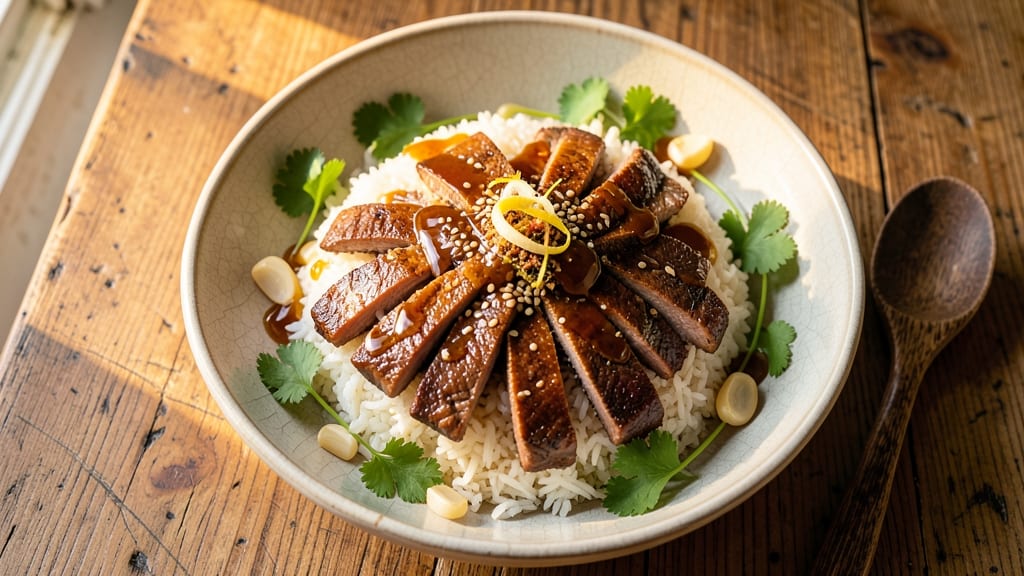
This Asian beef and rice bowl recipe delivers restaurant-quality flavors in one satisfying meal. The wok-seared beef transforms tender strips into caramelized perfection, while fragrant jasmine rice soaks up the savory-sweet sauce.
I've perfected this dish after countless experiments with marinades and cooking techniques—each bite is a balance of smoky, sweet, and umami notes that disappear too quickly. The secret lies in the marinade: a blend of soy sauce, brown sugar, and aromatic spices that tenderizes the beef while building deep flavor.
For the rice, I use jasmine rice because its delicate floral aroma complements the rich beef without overpowering it. The combination of textures—tender beef, fluffy rice, and crisp vegetables—creates a harmonious bite that's both comforting and exciting. What makes this recipe special is its versatility.
You can adapt it to Japanese gyudon style with a lighter soy glaze, Korean bulgogi-inspired with a sweet-savory marinade, or Thai-inspired with lemongrass and chili.
The plating is just as important as the cooking: a bed of fragrant rice topped with perfectly seared beef, vibrant pickled vegetables, and a fried egg for extra richness. Ready in under 45 minutes, this dish is perfect for weeknight dinners or meal prep.
The flavors develop as you cook, making every bite more delicious than the last. Let's create this Asian-inspired meal that brings a taste of the East to your table.
Ingredients for asian beef and rice bowl
The foundation of this restaurant-style bowl—juicy beef, fragrant rice, and a perfect balance of sweet-savory marinade.
| Ingredient | Amount | Notes |
|---|---|---|
| Flank Steak 🥩 | 1 lb | Thinly sliced against grain |
| Jasmine Rice 🍚 | 1 ½ cups | Uncooked, long-grain preferred |
| Low-Sodium Soy Sauce 🥢 | ½ cup | Kikkoman or San-J preferred |
| Brown Sugar 🍚 | ¼ cup | Light or dark variety |
| Sesame Oil 🫒 | 1 tbsp | Toasted, not flavored |
| Garlic Cloves 🧄 | 6 cloves | Minced, fresh preferred |
| Fresh Ginger 🌿 | 1 tbsp | Grated, peeled |
| Vegetable Oil 🫒 | 2 tbsp | High smoke point |
| Green Onions 🧅 | 4 whole | White and green parts separated |
| Sesame Seeds 🌾 | 1 tbsp | Toasted for garnish |
| Large Eggs 🥚 | 2 whole | Fresh for frying |
| Large Carrots 🥕 | 2 whole | Julienned or matchstick cut |
| Red Bell Pepper 🌶️ | 1 whole | Thinly sliced |
| Diamond Crystal Kosher Salt 🧂 | 1 tsp | For seasoning |
| Ground Black Pepper 🌶️ | ½ tsp | Freshly cracked |
The flank steak is non-negotiable for this dish—it's lean enough to sear quickly but still tender when sliced thin. Look for USDA Choice or Prime at Whole Foods or your local butcher shop. Slice it against the grain for maximum tenderness; the grain runs lengthwise, so you'll cut perpendicular to those lines. If you can't find flank steak, skirt steak or sirloin work in a pinch, but they have slightly different textures. The jasmine rice should be long-grain and fragrant—Lotus Foods or Tilda are my go-tos, but any jasmine rice will do. The key is to rinse it thoroughly before cooking to remove excess starch and prevent mushiness.
No sesame oil? Toasted peanut oil adds a similar depth, though it's nuttier. The brown sugar can be swapped for coconut sugar or white sugar if you're avoiding carbs, but brown sugar's molasses notes add that caramelized richness. Fresh ginger and garlic are ideal, but if you're using dried, reduce the amount to half of what's listed—dried spices pack more punch. The green onions? Use the white parts for the marinade (they're milder) and the greens for garnish (they're brighter). For the vegetables, baby carrots or snap peas can replace the julienned carrots and bell pepper if you're short on time—just roast them briefly for a similar texture.
Marinate the beef for at least 30 minutes (overnight is even better) to maximize tenderness. Cook the rice in a 1:1.25 rice-to-water ratio—jasmine rice absorbs water differently than basmati or white rice. Store the cooked beef in an airtight container with a paper towel to absorb moisture for up to 3 days. The fried eggs keep best for 2 days in the fridge, but they're worth making fresh when you serve. For meal prep, assemble the bowls just before eating to keep the rice from getting soggy—reheat the beef separately and add it warm to the bowl.
Why You'll Love This Recipe
- One-Pan Magic: I swear by this for nights when I’m too tired to wash extra dishes. Sear the flank steak, toss in the soy-browned rice, and finish with a drizzle of sesame oil—no chopping, no fuss, just one sheet pan to clean.
- Sweet-Savory Balance: That caramelized brown sugar glaze on the steak? It’s the star. The soy sauce adds depth, but the sesame oil ties it all together with this nutty, aromatic punch—like a hug in a bowl.
- Lunchbox Hero: Between us, this is my go-to for meal prep. Cook a big batch of rice, slice the steak thin, and assemble bowls in minutes. Pack them for work or school—no sad desk lunches here.
- Budget-Friendly Powerhouse: Flank steak stretches further than you’d think when sliced thin, and jasmine rice fills you up for next to nothing. Leftovers taste just as good reheated, so you’re basically getting two meals for the price of one.
Step-by-step instructions for Asian beef and rice bowls
Here's how to transform simple ingredients into restaurant-quality beef bowls with perfectly seared meat and fragrant rice.
Prepare the Jasmine Rice
Rinse the 1.5 cups jasmine rice thoroughly under cold water until the water runs clear. This removes excess starch and prevents gummy rice. Drain well in a fine-mesh strainer, then transfer to a pot with 3 cups water and a pinch of diamond crystal kosher salt. Bring to a boil over high heat, then reduce to a simmer, cover, and cook for 15 minutes. Remove from heat and let it steam, covered, for another 10 minutes. The rice should be tender with no liquid remaining—fluff with a fork before serving.
I always use a 1:2 rice-to-water ratio for perfect texture. If you're short on time, you can use a rice cooker instead, but stovetop gives you more control over the texture. The rice should be hot when you assemble the bowls, so keep it covered until ready to serve.
Marinate and Sear the Flank Steak
In a bowl, combine the 0.5 cup low-sodium soy sauce, 0.25 cup brown sugar, 1 tbsp sesame oil, 6 cloves minced garlic cloves, 1 tbsp grated fresh ginger, 0.5 tsp ground black pepper, and 1 tsp diamond crystal kosher salt. Add the 1 lb flank steak, sliced thinly against the grain, and coat evenly. Let it marinate for at least 30 minutes (or up to 2 hours for deeper flavor).
Heat 2 tbsp vegetable oil in a large skillet over high heat until shimmering. Add the marinated steak in a single layer and sear for 1-2 minutes per side until deeply browned and just cooked through. The steak should be tender but still slightly firm to the touch—overcooking makes it tough. Transfer to a plate and let it rest for 5 minutes before slicing thinly against the grain.
Sauté the Vegetables and Fry the Eggs
In the same skillet (no need to clean it—the fond adds flavor), add 2 tbsp vegetable oil over medium-high heat. Add the 2 whole large carrots (julienned) and 1 whole red bell pepper (thinly sliced), cooking for 3-4 minutes until slightly softened but still crisp. Add the white parts of 4 whole green onions (chopped) and cook for another 1 minute until fragrant.
Push the vegetables to one side of the skillet and crack the 2 whole large eggs into the empty space. Let them fry undisturbed for 2-3 minutes until the whites are set but yolks remain runny. Gently fold the eggs into the vegetables and remove from heat. The eggs should be creamy with just-set whites—this is the perfect texture for Asian beef bowls.
Assemble the Bowls
Divide the fluffed jasmine rice evenly among 4 bowls. Top each with the seared steak, sautéed vegetables, and fried eggs. Drizzle with any remaining marinade from the skillet (strain it first if needed), and sprinkle with the green parts of 4 whole green onions (chopped) and 1 tbsp toasted sesame seeds. The bowls should look vibrant and inviting, with layers of color and texture.
Serve immediately while everything is hot. The steak should be tender and flavorful, the rice fragrant and light, and the eggs perfectly creamy. This dish comes together beautifully when assembled fresh—don't skip the final garnish, as it adds a nice crunch and visual appeal. Enjoy with a cold beer or green tea for the full experience!
Pro Tips For Making Asian Beef And Rice Bowl
- Slice Against the Grain: Flank steak’s tough fibers run parallel to the grain—cutting perpendicular ensures each bite melts like silk. Grab a sharp knife and slice diagonally at a 45-degree angle, or you’ll end up with chewy rubber bands instead of tender strips.
- Rest the Steak Like Your Bowl Depends on It: I used to skip this and wondered why the meat dried out by the time it hit the bowl. After searing, tent the steak with foil and let it rest 5-10 minutes—juices redistribute, and you’ll have perfectly moist slices every time.
- Use Sesame Oil Last: That tiny bottle of sesame oil is precious—don’t waste it by adding it to the pan with the beef. Drizzle it over the finished bowl instead, where its nutty aroma shines without burning. (Yes, even if you’re impatient like me.)
- Toast the Rice Dry: Cold, damp rice in your bowl is a crime. Spread cooked jasmine rice on a baking sheet and broil for 2-3 minutes until it’s crisp at the edges—this revives the grains and soaks up the sauce like a sponge. (Your future self will thank you.)
Wine and beer pairings for these flavors
Japanese Sake Pairing
A crisp, dry junmai daiginjo sake like Dassai 23 or Hakkaisan Junmai complements the dish beautifully. The delicate floral notes of junmai daiginjo enhance the jasmine rice's aroma, while its clean finish cuts through the rich, caramelized beef flavors.
Serve it chilled—around 45-50°F—to highlight its subtle sweetness and acidity. 🍶
Korean Soju for Balance
For a lighter option, chamisul soju (like Chum Churapi) brings refreshing brightness that balances the dish's savory-sweet marinade. Its neutral profile lets the beef and rice shine while adding a crisp, clean finish. I like to serve it ice-cold—around 35°F)—to enhance its refreshing qualities. 🥶
Chinese Baijiu for Boldness
If you prefer something stronger, a light Shaoxing wine (like Yanghe Shaoxing) adds depth with its nutty, slightly sweet notes. The wine's complexity mirrors the beef's caramelization, while its alcohol content helps cleanse the palate between bites. Sip it at room temperature to appreciate its full flavor profile. 🥃
Hoppy IPAs for Beer Lovers
A West Coast-style IPA (like Stone Ruination) with its citrusy hops and balanced maltiness stands up to the dish's bold flavors. The hoppy bitterness contrasts the beef's richness, while the malt sweetness complements the brown sugar marinade. Serve at 40-45°F to avoid overpowering the meal. 🍺
Light Lager for Simplicity
For a more straightforward pairing, a Japanese lager (like Asahi Super Dry) offers a clean, crisp profile that won’t compete with the dish. Its subtle malt sweetness and mild carbonation make it a neutral canvas that lets the beef and rice take center stage.
Serve it well-chilled—around 38°F—to enhance its refreshing qualities. ❄️
Tea Pairing: Jasmine Green
To complement the jasmine rice, a jasmine green tea (like Bigelow Jasmine Green Tea) ties the flavors together beautifully. Its floral notes echo the rice, while its light bitterness balances the dish's richness.
Brew it to a pale green color for a delicate, refreshing sip that won’t overpower the meal. 🍵
Nutrition facts
Frequently asked questions
Can I use a different cut of beef instead of flank steak?
Skirt steak or sirloin work well—they're both tender when sliced thinly against the grain. For leaner cuts like top round, marinate for 4+ hours to ensure tenderness. Avoid tough cuts like chuck roast, as they won't sear properly in this method.
How do I make this dish gluten-free?
Swap the soy sauce for tamari (gluten-free soy sauce) and use coconut aminos if needed. Check your brown sugar for gluten (some brands process in shared facilities). For extra umami, add 1 tbsp gluten-free fish sauce to the marinade. All other ingredients are naturally gluten-free!
Can I prep this ahead of time for meal prep?
Yes! Cook the rice and beef separately, then store in airtight containers for 3 days. Reheat beef in a skillet for 2-3 minutes before assembling bowls. Keep the fried eggs fresh by making them just before serving—eggs lose their creamy texture when reheated. The veggies can be prepped 1 day ahead and stored in the fridge.
What's the best way to slice the beef for maximum tenderness?
Slice the beef against the grain—look for the long muscle fibers and cut perpendicular to them. Use a sharp knife and make ¼-inch thick slices. For even more tenderness, freeze the marinated beef for 30 minutes before slicing, then slice while still partially frozen. This prevents stretching the fibers.
How can I adjust the spice level for kids?
Skip the sesame oil and reduce the soy sauce to ¼ cup, replacing with ¼ cup honey for sweetness. Omit the black pepper and add ½ tsp sugar to the marinade. For the veggies, use steamed carrots and bell peppers instead of sautéed. The dish will still be flavorful but much milder!