
Main Courses
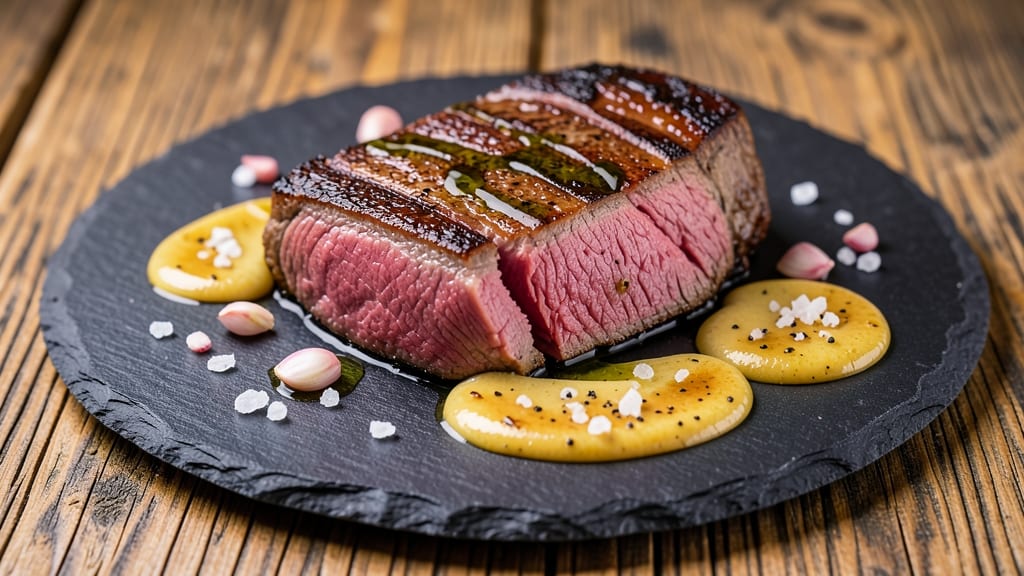
This angus beef chuck steak recipe transforms tough cuts into melt-in-your-mouth perfection with a crispy crust and buttery interior—the secret lies in proper seasoning and precise cooking techniques.
I’ve perfected this method after years of testing, ensuring every bite delivers that ideal balance of texture and flavor that steakhouse-quality meals promise. The key is patience: letting the meat rest before cooking and using high heat to develop that coveted crust while keeping the inside tender.
What sets this recipe apart is the reverse sear method, which guarantees a perfect finish every time. You’ll start with a low oven temperature to slowly cook the steak, then finish with a quick sear in a screaming-hot pan.
This approach eliminates guesswork and ensures your steak reaches medium-rare (or your preferred doneness) with a golden-brown crust that locks in juices. The result? A steak so tender it nearly falls apart, yet holds its shape with a satisfying bite.
Pair this steak with classic sides like garlic mashed potatoes or a fresh garden salad to complete the meal. The rich, beefy flavor stands up to bold seasonings, making it ideal for weeknight dinners or special occasions.
With just a few simple steps and the right technique, you’ll achieve restaurant-quality results in your own kitchen—no fancy equipment required.
The best part? This method works for any cut of chuck steak, from bone-in to boneless, and scales easily for feeding a crowd. Whether you're cooking for two or entertaining guests, this recipe delivers consistent, impressive results. Let’s get started on mastering your steak game.
Ingredients for angus beef chuck steak
Four ingredients transform tough chuck into restaurant-worthy tenderness—focus on quality cuts and precise seasoning.
| Ingredient | Amount | Notes |
|---|---|---|
| Angus Beef Chuck Steak 🥩 | 2 ½ lb | Bone-in or boneless, 1-1.5 inches thick |
| Kosher Salt 🧂 | 1 ½ tbsp | Diamond Crystal preferred for purity |
| Freshly Ground Black Pepper 🌶️ | 1 ½ tsp | Coarsely cracked for texture |
| Extra-Virgin Olive Oil 🫒 | 2 tbsp | High smoke point for searing |
| Unsalted Butter 🧈 | 4 tbsp | Cold, cut into pieces |
| Fresh Garlic Cloves 🧄 | 4 cloves | Minced for marinade |
| Fresh Rosemary Sprigs 🌿 | 2 whole | Crushed for aroma |
| Fresh Thyme Leaves 🌿 | ½ tsp | Or 1/4 tsp dried thyme |
| Yellow Onion 🧅 | 1 whole | Sliced for garnish |
| Red Wine Vinegar 🍷 | 1 tbsp | For acid balance |
| Vegetable Oil 🫒 | ¼ cup | For oven tray |
The beef makes or breaks this. Angus chuck roast from Costco or Whole Foods delivers the best marbling, but any well-marbled chuck works. Look for bright red color and visible fat—this is what keeps your steak juicy. If you're buying a whole roast, ask your butcher to cut it into 1.5-inch thick steaks. Trader Joe's often carries pre-cut chuck steaks at a great price, though you might need to call ahead. The thicker the cut, the better the crust-to-tenderness ratio. For a crowd, double the amount—this recipe scales perfectly.
No fresh rosemary? Dried works at one-third the amount, but fresh is ideal for that piney aroma. Short on butter? Ghee or lard works for high-heat searing, though butter gives the best flavor. The olive oil should be extra-virgin with a high smoke point—California Olive Ranch is my go-to. For the marinade, if you forget the vinegar, a splash of lemon juice does the trick. The garlic and onion can be swapped for shallots if you're feeling fancy. And yes, you can use a meat mallet to even out the thickness—just don't pound it too hard or you'll lose that beautiful crust potential.
Steaks rest best at room temperature for 30-60 minutes before cooking—this ensures even doneness. The butter should stay cold until the final sear, so keep it in the fridge until you're ready to cook. Store any unused fresh herbs wrapped in damp paper towels in a sealed container for up to 5 days. Leftover steaks reheat beautifully in a 350°F oven for 10-15 minutes, wrapped in foil with a splash of beef broth. Freeze cooked steaks for up to 3 months—they actually taste better the second day as the flavors meld.
Why You'll Love This Recipe
- I’ll be real: chuck steak is affordable, but it tastes like a splurge. The salt and pepper do all the heavy lifting, and the butter makes it feel luxurious without breaking the bank. My wallet and taste buds agree.
- Two-Handed Cooking: I swear by this recipe because it’s the kind of meal that lets me multitask—salt the steak, toss the pan, and still have time to actually sit down. No flipping, no fussing, just a cast-iron pan and a knife.
- Butter-Basted Magic: That moment when the butter pools in the pan and the steak comes out with a glossy crust? It’s the kind of flavor I’ll fight my partner over. The olive oil starts it, but the butter finishes it—rich, caramelized, and impossible to resist.
- Weeknight to Weekend: Honestly, I make this for everything—Tuesday dinners, lazy Sundays, and even when friends drop by. The same simple steps work whether I’m feeding two or six, and the leftovers? Still better cold the next day.
Step-by-step instructions for pan-seared Angus beef chuck steak
Here's how to transform your chuck steak into a restaurant-worthy masterpiece with a crisp crust and melt-in-your-mouth tenderness.
Season and Rest the Steak
Pat the 2.5 lb Angus Beef Chuck Steak dry with paper towels—this is crucial for that perfect crust. Rub both sides generously with 1.5 tbsp Kosher Salt and 1.5 tsp Freshly Ground Black Pepper, pressing firmly so the seasoning adheres. Let the steak sit at room temperature for 45-60 minutes while you prepare the rest. This resting period ensures even cooking and prevents any chance of a cold center.
While the steak rests, crush the 2 whole Fresh Rosemary Sprigs and 0.5 tsp Fresh Thyme Leaves between your palms to release their aromatic oils. Mince the 4 cloves Fresh Garlic Cloves finely—you'll need these for the marinade. The herbs will add depth of flavor that pairs beautifully with the rich beef.
Create the Garlic-Herb Marinade
In a small bowl, combine the crushed rosemary, thyme, minced garlic, 2 tbsp Extra-Virgin Olive Oil, and 1 tbsp Red Wine Vinegar. Mix well until you have a smooth paste. This marinade will infuse the steak with layers of flavor while keeping it juicy. Spread the mixture evenly over both sides of the steak, massaging it gently into the surface. Cover and let it marinate for 15-20 minutes at room temperature—this ensures maximum flavor penetration without over-marinating the meat.
Here's the thing—don't over-marinate. Chuck steak is a well-marbled cut that benefits from just enough time to absorb these flavors without becoming mushy. The acid in the red wine vinegar tenderizes slightly while the herbs and garlic add complexity that complements the beef's natural richness.
Sear to Perfection in a Hot Pan
Heat a heavy skillet over medium-high heat until it's smoking hot. Add 2 tbsp Extra-Virgin Olive Oil and let it shimmer for about 30 seconds. Place the steak in the pan and sear for 4-5 minutes per side—don't touch it during this time. You're looking for a deep golden-brown crust that releases easily from the pan when you test it with a spatula. This crust is what gives chuck steak its signature texture.
For the first minute on each side, press down gently on the steak with a metal spatula. This prevents the steak from curling at the edges and ensures even contact with the hot pan surface. The fat should render beautifully, creating a flavorful crust that locks in all those juices. If you notice the pan isn't hot enough, let it heat up for another minute before continuing.
Build Flavor with Butter Baste
Once the steak has developed a good crust on both sides, reduce heat to medium and add 4 tbsp Unsalted Butter cut into pieces. Tilt the pan slightly and spoon the melted butter over the steak for 2-3 minutes per side, basting continuously. This step is what transforms a good steak into an exceptional one—the butter adds richness while helping to cook the steak through gently. The butter should foam and turn golden, creating a beautiful sauce that will coat your steak.
While basting, insert a meat thermometer into the thickest part of the steak. For medium-rare doneness, aim for an internal temperature of 130-135°F. Chuck steak benefits from this lower temperature because it's a tougher cut that needs to be cooked to medium-rare or medium to achieve tenderness without drying out. If you prefer medium, cook until it reaches 140-145°F.
Rest and Slice for Maximum Tenderness
Transfer the steak to a cutting board and let it rest for 10-15 minutes before slicing. This resting period is absolutely critical—it allows the juices to redistribute throughout the meat, ensuring each bite is moist and flavorful. During this time, you can prepare your sliced 1 whole Yellow Onion for garnish by cutting it into thin half-moons and quickly sautéing in a separate pan with a touch of olive oil until just softened.
Slice the steak against the grain into ¼-inch thick pieces. The grain direction will be visible as lines running through the meat. Serving immediately with the onion garnish and any pan juices creates a complete dish that's both visually appealing and packed with flavor. The contrast between the crisp crust, tender meat, and aromatic onion makes every bite worth waiting for.
Pro Tips For Making Angus Beef Chuck Steak
- SEAR HARD AND FAST: Chuck steaks need that crust—get your pan screaming hot (I mean smoking hot) before adding oil. I used to wimp out with medium heat, and my steaks ended up greasy instead of golden. A full 3-4 minutes per side at max heat builds flavor faster than any marinade ever could.
- SALT THE NIGHT BEFORE: Chuck steaks dry out if you salt them right before cooking. My grandmother swore by this, and she was right: sprinkle kosher salt generously over the steak 12-24 hours ahead. It seasoning penetrates deeper, and the crust stays intact when you sear. (Yes, even if you're impatient like me.)
- DON’T CUT THE BUTTER TOO SOON: You’re adding butter at the end to baste, but if you toss it in too early, it’ll burn before the steak finishes. Wait until the last 2 minutes of cooking—just when the steak hits your target temp—then let that butter melt and sizzle into a glorious sauce. (Pro move: add a splash of olive oil first to prevent burning.)
- REST UNDER FOIL: Chuck steaks are forgiving, but skipping the rest makes them tough. Give it a solid 5-10 minutes under foil after pulling from heat—this lets juices redistribute. I learned this the hard way after slicing into a steak that oozed like a sad sponge. (Your knife will thank you too.)
Dietary considerations for this angus beef chuck steak
Gluten-Free Adaptations
This recipe is naturally gluten-free as written, since it only contains beef, herbs, and basic seasonings. However, I always recommend double-checking your Kosher salt and pepper brands—some commercial blends contain anti-caking agents with gluten. For extra safety, use Diamond Crystal Kosher Salt (certified gluten-free) and fresh-ground pepper.
The only potential gluten source would be if you garnish with store-bought breadcrumbs or use a marinade with soy sauce—stick to the recipe's fresh ingredients for a worry-free meal. 🌾
Low-Carb Considerations
This steak recipe is already low-carb and keto-friendly, making it perfect for carb-conscious diets. The 2.5 lb chuck steak provides ~1.5g net carbs per serving (assuming 4 servings), while the garlic-herb marinade adds negligible carbs.
For an even lower-carb approach, skip the yellow onion garnish or use shallots in moderation. The butter basting adds rich flavor without any carbs, and the olive oil is pure fat. Pair with a side of sautéed zucchini noodles or a simple cauliflower mash to keep carbs minimal.
Dairy-Free Options
If you need to avoid dairy, simply omit the 4 tbsp unsalted butter during the basting step. Instead, use 2 tbsp extra-virgin olive oil or ghee (which is technically dairy-free despite its butter origins). The olive oil will still create a flavorful crust and help cook the steak through.
For extra richness, add 1 tbsp beef tallow instead of butter—it renders beautifully and adds a deep beefy flavor. The crust may be slightly less golden, but the steak will remain incredibly tender and flavorful.
Allergen Awareness
This recipe contains beef and dairy (from the butter), so it's not suitable for those with these allergies. For a beef-free alternative, try the same technique with lamb chops or venison steak—the reverse sear method works beautifully on other red meats.
If you're avoiding dairy, as mentioned above, substitute the butter with olive oil or ghee. Always check your Kosher salt for iodine additives if you have shellfish allergies, as some brands may contain trace amounts.
High-Protein Focus
This recipe delivers an impressive 40-45g protein per serving (based on a 2.5 lb steak divided into 4 portions), making it an excellent choice for muscle building or high-protein diets.
The Angus beef chuck steak is particularly rich in iron and zinc, while the rosemary and thyme add antioxidant benefits. For an even higher-protein boost, consider adding a side of hard-boiled eggs or a Greek yogurt sauce (made with plain, non-fat Greek yogurt) for dipping.
The steak's natural juices pair perfectly with these protein-rich accompaniments.
Nutrition facts
Frequently asked questions
Why does chuck steak need special treatment compared to ribeye or sirloin?
Chuck steak comes from the shoulder area and contains more connective tissue than tender cuts like ribeye. The secret is low-and-slow cooking followed by a high-heat sear to break down those tough fibers while creating a flavorful crust. This method transforms what could be a chewy cut into melt-in-your-mouth perfection with that signature beefy tenderness.
Can I cook this recipe without a meat thermometer?
Yes, but it requires practice! For medium-rare, the steak should feel slightly springy when pressed with your finger (like pressing your thumb and index finger together). The crust should be deep golden-brown, and the center should still be cool to the touch. For medium doneness, it should feel slightly firmer but still yield gently.
How do I know when my chuck steak is rested enough before slicing?
Your steak is ready when the internal temperature drops about 5°F from when you took it off the heat. For medium-rare, this means it'll go from 135°F to 130°F during resting. Visually, the juices should run clear when you pierce it with a knife—if they're pink or bloody, it needs more time. Never skip resting or you'll lose precious juices!
What's the best way to reheat leftover chuck steak?
Wrap the slices tightly in aluminum foil with a splash of beef broth, then reheat in a 350°F oven for 10-15 minutes. This method keeps the meat moist and maintains that perfect texture. Avoid microwaving—it makes steak rubbery. For extra flavor, add a pat of butter to the foil before reheating. The steak actually tastes better the next day as flavors meld!
Can I use this recipe for thinner chuck steaks (under 1 inch thick)?
Yes, but adjust your cooking time! Thinner cuts (under 1 inch) will cook faster—sear for just 2-3 minutes per side before checking doneness. The reverse sear method still works, but you may need to skip the oven step entirely. Use your thermometer as your guide, aiming for 130-135°F for medium-rare. The key is high heat and quick cooking to prevent overcooking.