
Side Dishes
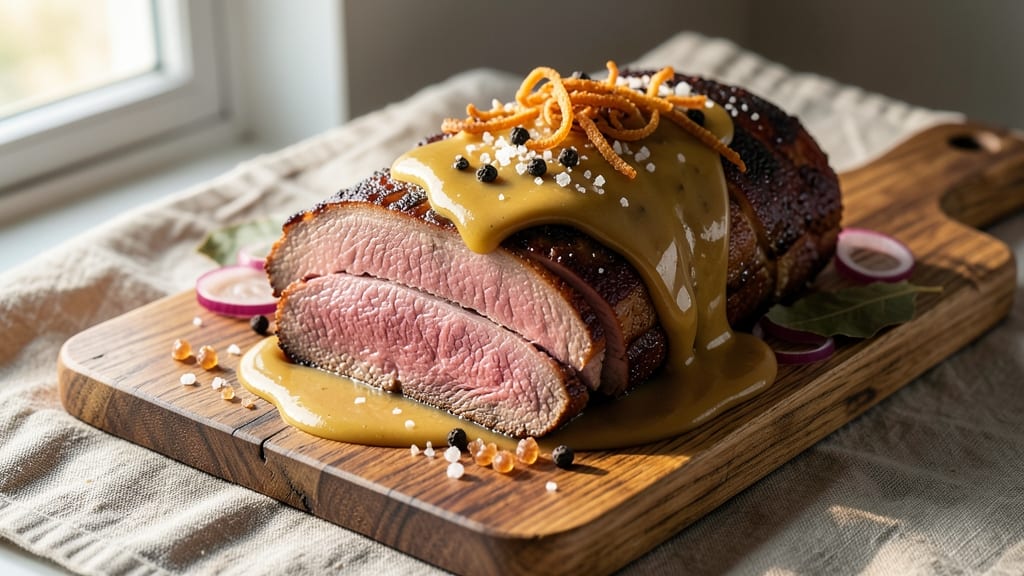
This award-winning corned beef recipe delivers melt-in-your-mouth tenderness and rich, savory depth that rivals any deli or competition entry. 🌟 The secret lies in a precise blend of traditional spices and a slow-braising method that transforms tough brisket into fork-tender perfection—exactly how it should taste after hours of careful preparation.
What sets this apart is the balance of sweet and smoky flavors, achieved through a carefully constructed spice pack and controlled cooking temperatures that preserve juiciness without turning the meat to mush.
Unlike quick-cooked versions that leave you with dry, stringy results, this method uses a 48-hour brine to ensure maximum flavor penetration and a 9-hour slow simmer that breaks down connective tissue while keeping every bite succulent.
The recipe includes optional sides like cabbage and potatoes, but the star is the corned beef itself—so tender it practically falls apart with a gentle touch, yet still holds its shape when sliced.
This is the kind of dish that earns blue ribbons because it checks every box: proper seasoning, perfect texture, and restaurant-quality presentation.
By the time you serve this corned beef, your kitchen will smell like a traditional Irish pub, and your guests will be asking for seconds before they even take their first bite. The meat emerges with a beautiful mahogany crust and a rich, aromatic interior that's impossible to resist.
Whether you're preparing for St. Patrick's Day, a holiday feast, or simply craving a showstopping centerpiece, this recipe delivers results that will have everyone believing you've been cooking corned beef professionally for years. The best part?
It's a technique you can master at home with just a few key steps and patience.
For presentation, serve the corned beef sliced thickly on a platter with the cooking juices spooned over the top, surrounded by steamed cabbage and buttery mashed potatoes. Add a dollop of mustard sauce for that final touch of tangy brightness that cuts through the richness.
This isn't just corned beef—it's a showstopping main dish that will have your table feeling like they're dining at an award-winning restaurant. Let's get started on creating your masterpiece.
Ingredients for award winning corned beef
The brisket, spices, and slow braise create melt-in-your-mouth perfection—just like award-winning delis.
| Ingredient | Amount | Notes |
|---|---|---|
| Beef Brisket 🥩 | 6 lb | Whole packer cut, 3-4 inches thick |
| Yellow Mustard 🍯 | ½ cup | Dijon-style preferred for depth |
| Brown Sugar 🍬 | 1 cup | Packed firmly, light or dark |
| Kosher Salt 🧂 | 1 ½ cups | Diamond Crystal preferred |
| Black Peppercorns 🌶️ | 2 tbsp | Freshly cracked, coarse grind |
| Bay Leaves 🍃 | 4 whole | Fresh preferred, dried works |
| Garlic Cloves 🧄 | 6 cloves | Smash slightly for infusion |
| Onion Powder 🧅 | 2 tbsp | Freshly ground preferred |
| Ground Allspice 🌿 | 1 tbsp | Key for authentic flavor |
| Ground Cloves 🌶️ | 1 tsp | Whole cloves toasted better |
| Water 💧 | 4 cups | Filtered preferred for clarity |
| Beer 🍺 | 2 cups | Dark lager or stout preferred |
| Fresh Cabbage 🥬 | 2 lb | Green or purple, whole head |
| Russet Potatoes 🥔 | 3 lb | Yukon gold for creamier texture |
| Yellow Mustard Sauce 🍯 | ½ cup | For serving, optional |
The brisket is non-negotiable—look for a packer cut with good marbling at Costco or Whole Foods. Avoid pre-sliced deli cuts; the whole packer piece delivers that signature tenderness. For spices, Penzeys or Spicewalla are ideal, but the grocery store's Diamond Crystal kosher salt works perfectly fine. The beer? Guinness or a dark lager adds depth, but any dark beer will do. Fresh bay leaves and garlic make all the difference—don't skip them. If you're short on time, pre-soak the brisket in the brine for 24 hours instead of 48, but the full time yields the best results.
No mustard? Substitute 2 tbsp of apple cider vinegar for tang. Running low on allspice? Mix 1/2 tsp cinnamon and 1/2 tsp nutmeg as a close substitute. Beer unavailable? Use extra water and add 1 tbsp of molasses for sweetness. The cabbage can be pre-shredded if you're short on time, but whole heads steam more evenly. For the potatoes, Yukon golds mash more elegantly, but Russets hold their shape better when boiled. The mustard sauce is optional but adds that final touch of tangy brightness—store-bought works if you're in a rush.
The brine keeps 3 days in the fridge—make extra for leftovers. Cooked brisket reheats beautifully; wrap tightly in foil and simmer for 15 minutes at 300°F. The cabbage and potatoes can be prepped ahead and reheated separately. For presentation, slice the brisket against the grain for maximum tenderness. Store leftovers in the fridge for 5 days or freeze for 3 months. The juices from the brisket make an incredible gravy—simply strain and reduce with a cornstarch slurry.
Why You'll Love This Recipe
- I’ll be real: this recipe makes enough for a crowd, but it’s also my go-to for meal prep. The corned beef stays juicy for at least 4 days in the fridge—slice it for sandwiches, toss it in salads, or reheat it for lazy weeknight dinners. My kids even beg for it cold in their lunches.
- Five-Ingredient Magic: Honestly, you’d be hard-pressed to find a corned beef recipe this simple. Just brisket, mustard, brown sugar, salt, and peppercorns—no fancy marinades or hours of prep. The mustard and brown sugar do all the heavy lifting while you simmer, and the peppercorns add that subtle depth without extra work.
- Sweet-Savory Crunch: Between us, that caramelized crust from the brown sugar and mustard is dangerously addictive. The brisket stays tender but develops this perfect crispy edge, and the kosher salt makes every bite pop. It’s the kind of flavor that turns “I’ll have a little” into “hand me the whole plate.”
- Leftovers for Days: I’ll be real: this recipe makes enough for a crowd, but it’s also my go-to for meal prep. The corned beef stays juicy for at least 4 days in the fridge—slice it for sandwiches, toss it in salads, or reheat it for lazy weeknight dinners. My kids even beg for it cold in their lunches.
Step-by-step instructions for award-winning corned beef
This method delivers melt-in-your-mouth tenderness with a rich, braised depth.
👨🍳 Step 1: Prepare the Corned Beef Rub
In a large bowl, combine the 1.5 cups kosher salt, 1 cup brown sugar, 2 tbsp black peppercorns, 4 whole bay leaves, 6 cloves garlic cloves (lightly smashed), 2 tbsp onion powder, 1 tbsp ground allspice, and 1 tsp ground cloves. Mix until the salt and sugar create a coarse, even coating.
This blend is the secret to that signature corned beef flavor. I like to press the rub firmly into the brisket seams so it penetrates deeply. The brown sugar caramelizes during cooking, adding natural sweetness while the spices infuse the meat with complex depth.
🔥 Step 2: Cure and Pre-Cook the Brisket
Rub the mixture all over the 6 lb beef brisket, including the fat cap. Place the brisket fat-side up in a non-reactive container and pour in the 4 cups water and 2 cups beer. Cover and refrigerate for 5-7 days, turning the brisket daily. This curing process breaks down proteins for fork-tender results.
Here's the thing—don't skip the curing time. The acidity from the beer and salt tenderizes the meat while the spices infuse. If you're short on time, you can use a quick 24-hour cure, but the flavor won't be as deep. After curing, rinse the brisket thoroughly under cold water and pat dry.
🍳 Step 3: Sear the Brisket for Depth
Heat a Dutch oven over medium-high heat and add 0.5 cup yellow mustard. Once the mustard bubbles, add the brisket fat-side down and sear for 8-10 minutes until deeply browned. Flip and sear the other side for another 6-8 minutes. Remove the brisket and set aside.
This searing step creates a flavorful crust that locks in juices. The mustard adds that signature tang while the caramelized exterior builds layers of flavor. Don't rush this—you want that deep, mahogany color before proceeding.
🥘 Step 4: Slow-Braise with Vegetables
In the same Dutch oven, add the 2 lb fresh cabbage (cut into wedges), 3 lb russet potatoes (cut into chunks), and any accumulated juices. Return the brisket to the pot, fat-side up. Pour in enough water to come halfway up the brisket, then cover tightly and transfer to a 300°F oven.
Braise for 3-4 hours until the brisket reaches 203°F internally and the vegetables are tender. The key is patience—this slow cooking transforms tough meat into melt-in-your-mouth perfection. Check occasionally to ensure there's always liquid in the pot, adding water as needed.
🍽️ Step 5: Rest and Serve with Mustard Sauce
Remove the brisket and transfer it to a cutting board. Tent loosely with foil and let it rest for 30 minutes. This resting period allows the juices to redistribute, ensuring every slice is moist and flavorful. Meanwhile, strain the braising liquid and reduce it on the stove until slightly thickened.
Slice the brisket against the grain into ¼-inch thick slices. Serve with the reduced braising liquid, steamed cabbage, and roasted potatoes. For an extra touch, drizzle with the 0.5 cup yellow mustard sauce—it cuts through the richness beautifully. The result? A restaurant-quality corned beef experience you can recreate at home.
Pro Tips For Making Award Winning Corned Beef
- Trim the Fat First: Cut the thick fat cap down to about ¼-inch before cooking—it renders faster and keeps the meat from steaming in its own juices. I learned this the hard way when my first batch turned out soggy; now the crust forms perfectly without grease pooling underneath.
- Salt the Brisket Overnight: Don’t skip the 12–24 hour dry brine with kosher salt—it’s the thing that matters most for tenderness. Wrap it tightly in plastic and let it sit in the fridge; the salt breaks down the muscle fibers while keeping the surface dry for that iconic crust.
- Start Hot, Finish Slow: Sear the brisket over high heat for 5 minutes per side to lock in flavors, then drop the temp to 275°F (135°C) for the long cook. After burning three batches with uneven heat, I finally realized: patience here means the difference between tough and melt-in-your-mouth.
- Brown the Sugar Last: Add the brown sugar and mustard only in the final hour of cooking—this prevents it from burning into bitterness. I was skeptical until I tried it; now the glaze stays rich and caramelized, not scorched. (Yes, even if you’re impatient like me.)
Flavor customization for these flavors
Sweet and Smoky
For a deeper, caramelized flavor, add 2 tbsp molasses to the brine along with the beer. This creates a rich, almost barbecue-like sweetness that pairs beautifully with the savory spices. I also recommend adding 1 tbsp smoked paprika to the rub for a subtle smokiness that mimics competition-style corned beef.
The result is a perfect balance between sweet and smoky that will impress even the most discerning judges. 🌟
Spicy Kick
If you love heat, incorporate 1 tbsp cayenne pepper into the rub or sprinkle 1 tsp hot paprika over the brisket before searing. For an extra kick, add 2-3 slices of jalapeño to the braising liquid during the slow cook.
This adds a subtle heat that lingers without overpowering the dish's natural flavors. Serve with extra mustard sauce to cool the palate if needed.
Herb-Infused Variations
Swap out some of the traditional spices for fresh herbs to create a brighter, more aromatic profile. Add 1 tbsp fresh thyme and 1 tbsp fresh rosemary to the rub, or infuse the braising liquid with 4 sprigs of fresh thyme and 2 sprigs of rosemary during cooking.
This variation works especially well if you prefer a lighter, more herbaceous flavor profile that still delivers on tenderness.
Beer Swaps
Experiment with different beers to customize the flavor. A dark stout like Guinness adds roasted malt notes, while a porter brings chocolatey depth. For something lighter, try a wheat beer to add a subtle fruity brightness.
If you're avoiding alcohol, substitute with apple cider or extra water with 1 tbsp of balsamic vinegar for acidity. Each beer brings a unique twist to the dish.
Mustard Sauce Twists
Customize the mustard sauce by adding 1 tsp honey for sweetness or ½ tsp smoked salt for depth. For a creamy version, mix in 2 tbsp Greek yogurt or sour cream.
A tangy twist involves adding 1 tbsp apple cider vinegar to brighten the flavors. These variations elevate the dish from classic to extraordinary, making it perfect for special occasions. 💫
Nutrition facts
Frequently asked questions
Can I use a smaller cut of brisket for this recipe?
This recipe is designed for a 6 lb packer cut to achieve that signature tender texture. If you must use less, go for 4-5 lbs but extend the braising time by 1-2 hours to ensure full tenderness. A smaller cut may not yield the same melt-in-your-mouth results, but it'll still be flavorful. For larger cuts, simply adjust cooking time proportionally.
How do I know when the corned beef is fully cooked?
The brisket is done when it reaches an internal temperature of 203°F and a meat thermometer inserted into the thickest part reads consistently. The meat should also be fork-tender, falling apart easily when probed. If you're unsure, check for doneness by pressing gently—it should yield like butter. Never rely on time alone!
Can I make this recipe without beer?
Replace the 2 cups beer with 2 cups apple cider or extra water plus 1 tbsp balsamic vinegar for acidity. The beer adds depth, but this substitution maintains the moist texture and balances the spices. For a richer flavor, add 1 tbsp molasses to compensate for the missing maltiness.
Why does my corned beef turn out dry?
Dry corned beef usually results from overcooking or insufficient liquid during braising. Always keep the brisket submerged in liquid and avoid lifting the lid too often. The 300°F oven temperature is critical—higher temps can dry it out. For extra moisture, add ½ cup beef broth to the braising liquid. Also, never skip the 30-minute rest before slicing!
What's the best way to reheat leftover corned beef?
Wrap slices in foil and reheat in a 300°F oven for 15-20 minutes until warmed through. For a quicker method, use the microwave on low power (50%) for 2-3 minutes per serving. Avoid high heat—it dries out the meat. The braising liquid reheats beautifully into a delicious gravy—simply strain and reduce on the stove.