
Soups & Stews
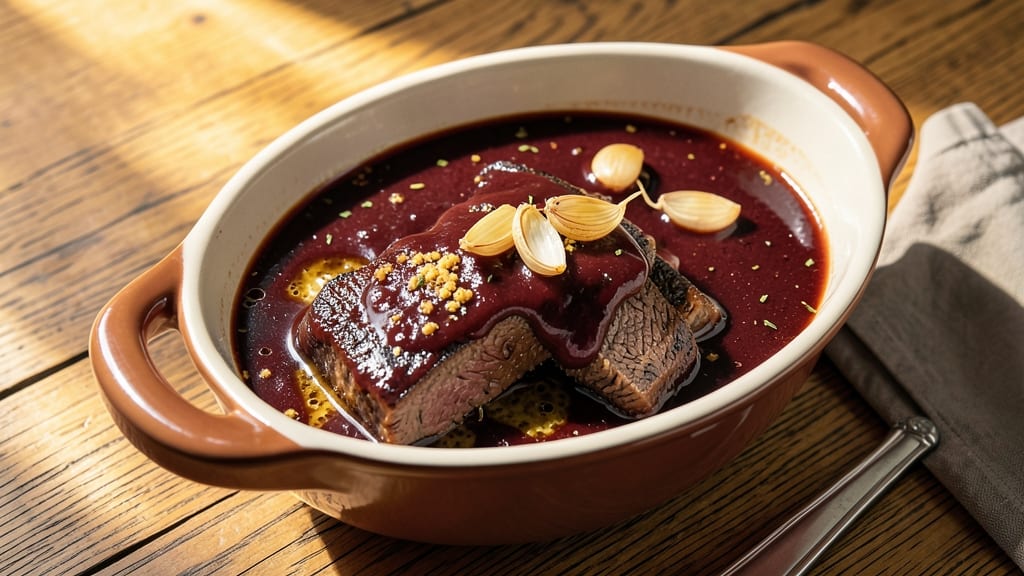
Transforming simple beef drippings into a rich beef and red wine gravy recipe is an art that elevates any roast dinner. This velvety, umami-rich sauce captures all the deep, savory flavors from your pan while adding complexity through reduction and proper thickening techniques.
The key lies in patience—letting the wine reduce slowly to concentrate its flavor before building a smooth, glossy finish.
A proper gravy starts with a classic roux, where equal parts butter and flour create the foundation for thickening without graininess. The red wine adds brightness and depth, while beef drippings contribute natural richness.
What sets this apart is the straining step, which ensures a silky texture perfect for drizzling over roasted meats or mashed potatoes.
What you'll achieve is a gravy so rich and flavorful it tastes like it simmered for hours, not minutes. The umami notes from the beef blend seamlessly with the wine's acidity, creating layers of taste that make every bite feel like a restaurant-quality meal.
This technique transforms ordinary leftovers into something extraordinary.
The best part? This gravy improves as it sits, allowing flavors to meld further. Whether you're serving it immediately or reheating later, the consistency remains perfect—never too thick or too thin. Let's create a gravy that will have everyone asking for seconds.
Ingredients for beef and red wine gravy
Nine essential ingredients transform humble beef drippings into restaurant-quality richness.
| Ingredient | Amount | Notes |
|---|---|---|
| Beef Drippings 🥩 | 2 cups | From roasted beef, strained |
| Unsalted Butter 🧈 | ½ cup | Cold, cubed for roux |
| All-Purpose Flour 🌾 | ½ cup | Diamond Crystal preferred |
| Dry Red Wine 🍷 | 1 cup | Bold Cabernet or Merlot |
| Beef Stock 🍲 | 1 cup | Homemade or high-quality |
| Shallots 🧅 | 2 whole | Minced, for depth |
| Fresh Thyme 🌿 | ¼ cup | Leaves only, chopped |
| Fresh Rosemary 🌿 | ⅛ cup | Needle leaves, chopped |
| Salt 🧂 | 1 tsp | Diamond Crystal kosher |
| Black Pepper 🌶️ | ½ tsp | Freshly cracked |
The beef drippings are your flavor goldmine—save every precious drop from your roast. Costco sells pre-made beef stock, but homemade is always better. For the wine, Cabernet Sauvignon or Merlot work best—they've got enough body to stand up to the beef. Fresh herbs make all the difference here; Trader Joe's sells pre-chopped thyme and rosemary if you're short on time, but fresh is worth the extra minute. The butter and flour for the roux? Use European-style butter for richer flavor, and Diamond Crystal flour if you can find it—it's lighter than most brands.
No red wine? Dry sherry or even beef broth with a splash of balsamic works in a pinch. Short on thyme? Dried thyme at one-third the amount gets you close. The shallots can be swapped for onion if needed—just remember they're sweeter and more aromatic. For a deeper flavor, toast the flour in the butter for 2 minutes before adding liquid. And if you've got any leftover wine sediment, don't strain it out—those bits add complexity. The beef stock can be store-bought, but if you're making gravy after a roast, use those precious drippings instead.
This gravy tastes even better the next day—let it sit overnight if you can. Store in a sealed jar in the fridge for up to 5 days, or freeze for 3 months in ice cube trays for perfect portions. When reheating, do it gently over low heat to avoid breaking the emulsion. And trust me, the extra 10 minutes of straining through a fine-mesh sieve is worth it for that silky texture. This is the kind of gravy that makes people ask what restaurant you got it from.
Why You'll Love This Recipe
- Uses What You Have: I swear by this gravy because it turns scraps into magic. That leftover beef drippings? Gold. A splash of red wine and a dusting of flour—no fancy ingredients, just pantry staples. (Yes, even when I forget to buy anything special.)
- Rich Without Effort: The butter and wine create this deep, velvety depth that tastes like hours of simmering—even though it takes 15 minutes. That first spoonful? It’s the kind of flavor that makes you pause mid-bite.
- Leftovers That Shine: I make a double batch every time because this gravy improves the next day. Slather it over mashed potatoes, drizzle it on roasted veggies, or freeze it for future emergencies. (Trust me, you’ll thank me when you’re reheating it in January.)
- Date-Night Ready: No one will guess it’s this simple. The wine’s earthy notes and the flour’s richness make it feel fancy, but honestly? It’s my go-to for impressing guests without stress. Just sear the meat, deglaze, and let the gravy do the work.
Step-by-step instructions for beef and red wine gravy
Transform humble pan drippings into velvety, wine-infused gravy that elevates any beef dish.
Create a Rich Roux Foundation
In a heavy-bottomed saucepan, melt the 0.5 cup unsalted butter over medium-low heat. Once fully melted, whisk in the 0.5 cup all-purpose flour immediately to prevent browning. Cook the roux for 2-3 minutes, stirring constantly, until it turns a pale golden color and emits a toasty aroma. This step is crucial—it forms the gravy's thickening base and adds depth of flavor.
Watch the color closely—if it darkens too quickly, reduce the heat slightly. The roux should coat the back of a spoon smoothly without any graininess. This ensures your gravy will have that luxurious, velvety texture we're aiming for. Don't rush this process; a properly developed roux makes all the difference in the final result.
Deglaze with Red Wine
Remove the saucepan from heat and carefully pour in the 1 cup dry red wine. Return to medium heat and whisk vigorously for 3-4 minutes until the wine has completely evaporated and the mixture thickens slightly. You'll notice the alcohol burning off—this is normal and actually enhances the flavor profile.
The wine should reduce until it coats the back of a spoon without being syrupy. If you notice any wine residue on the bottom of the pan, scrape it up with a wooden spoon to incorporate those flavorful bits. This deglazing step extracts maximum umami from the pan drippings and creates the wine's signature depth in the gravy.
Build Complexity with Aromatics
Add the 2 minced shallots, 0.25 cup fresh thyme, and 0.125 cup fresh rosemary to the pan. Cook for 3-4 minutes over medium heat, stirring frequently, until the shallots soften and become translucent. This gentle cooking releases their natural oils and sweetness, which will form the aromatic base of your gravy.
Here's where the magic happens: the thyme and rosemary should infuse their herbal notes without becoming bitter. If you notice the herbs browning too quickly, reduce the heat slightly. The goal is to create a fragrant, herbaceous foundation that will complement the rich beef flavors we're building.
Incorporate Beef Drippings and Stock
Gradually whisk in the 2 cups beef drippings, starting with about ½ cup at a time. This slow incorporation prevents the roux from breaking and creates a smooth, velvety texture. Once all the drippings are added, pour in the 1 cup beef stock and bring the mixture to a gentle simmer over medium-low heat.
Simmer for 8-10 minutes, stirring occasionally, until the gravy has thickened to your desired consistency. It should coat the back of a spoon but still be pourable. If it thickens too quickly, whisk in 1-2 tablespoons of hot beef stock to adjust the texture. The gravy should be rich but not gluey—it should cling beautifully to roasted beef or mashed potatoes.
Season and Finish
Remove the saucepan from heat and stir in the 1 teaspoon salt and 0.5 teaspoon black pepper. Let the gravy rest for 5 minutes to allow the flavors to meld completely. Taste and adjust the seasoning if needed—this is where you can truly personalize your gravy.
For an extra touch of elegance, strain the gravy through a fine-mesh sieve to remove any herb stems or impurities. Return it to the saucepan and keep it warm over low heat until ready to serve. This gravy pairs perfectly with roasted beef, steak, or even as a sauce for beef Wellington. The wine's acidity cuts through the richness, while the herbs add a sophisticated herbal note that makes this gravy truly special.
Pro Tips For Making Beef And Red Wine Gravy
- DEGLAZE HOT, NOT LUKEWARM: The second you lift that beef from the pan, pour in the red wine while the drippings are still smoking. I used to let it cool for a minute—big mistake. Cold drippings mean a thin, watery gravy instead of rich, velvety sauce. Keep the heat on medium and let that wine bubble away like it’s got somewhere important to be.
- WHISK THE ROUX FAST: Mix the flour and butter on medium-high heat for exactly 2-3 minutes until it’s the color of peanut butter—not blond, not brown, just golden enough to coat the back of a spoon. I learned this the hard way after burning three batches and wondering why my gravy tasted like shoe polish. Use a whisk, not a spoon, and keep moving.
- STRAIN THE STOCK: Even if your beef stock looks clear, tiny bits of fat or sediment will turn your gravy greasy or gritty. Pour it through a fine-mesh sieve or cheesecloth before adding it to the wine-flour mixture. I skip this sometimes when I’m tired, but the difference in texture is noticeable—like comparing silk to sandpaper.
- SALT THE STOCK, NOT THE GRAVY: Add a pinch of salt to the beef stock before using it, especially if you’re using unsalted butter. Tasting and adjusting the gravy later is easier when you’re not playing guess-and-check with salt levels. I used to dump a whole teaspoon in at the end and wonder why my gravy tasted like a salt lick—now I just season the stock first.
Serving suggestions for leftovers
Classic Pairings
This rich gravy is a match made in heaven with roasted prime rib—the wine's acidity brightens the beef's natural richness. I always drizzle it over creamy mashed potatoes for that restaurant-style finish.
For a hearty meal, serve alongside roasted root vegetables like carrots and parsnips, or pair with buttery egg noodles for a comforting dish. 🥩
Unexpected Uses
Don’t limit this gravy to beef dishes! It’s fantastic over steak sandwiches on crusty bread, or as a dipping sauce for garlic bread or roasted chicken.
I’ve even used it to elevate beef Wellington by drizzling it over the top before baking. The wine and herbs add unexpected depth to poultry dishes too.
Garnish Ideas
For a pop of color and freshness, garnish with chopped parsley or microgreens right before serving. A sprinkle of toasted breadcrumbs adds crunch, while a few rosemary sprigs tie back to the recipe’s herbs.
For extra richness, finish with a drizzle of truffle oil—just a few drops take it to the next level. 🌿
Make-Ahead Magic
This gravy tastes even better the next day, so make it ahead for holiday dinners or weeknight meals. Store in an airtight container in the fridge for up to 5 days, or freeze in ice cube trays for perfect portions.
Reheat gently on the stovetop—never microwave, or it’ll break the emulsion. The flavors meld beautifully overnight, making it perfect for Sunday suppers or family gatherings.
Wine & Beer Pairings
Serve with the same bold red wine used in the gravy—Cabernet Sauvignon or Merlot—to enhance the dish’s depth. For beer lovers, a dark lager like Guinness or a malty amber ale complements the richness.
A crisp Sauvignon Blanc might surprise you with its citrus notes cutting through the gravy’s richness. 🍷
Global Twists
For a French bistro touch, stir in 1 tsp Dijon mustard at the end for tangy brightness. A Mediterranean twist? Add 1 tsp harissa for heat and smokiness. For Asian-inspired flair, swap the red wine for 1 cup dry sherry and add 1 tsp soy sauce.
Each variation keeps the gravy’s velvety texture while adding exciting new layers. 🌍
Nutrition facts
Frequently asked questions
Can I use white wine instead of red wine in this gravy?
While you can substitute white wine, it won't provide the same rich, deep flavor profile. Red wine's bold tannins and fruitiness complement the beef perfectly, creating that signature umami depth. If you must use white, opt for a dry variety like Chardonnay and add ½ teaspoon of red wine vinegar to mimic some of the acidity.
What if my gravy gets too thick or too thin?
For a gravy that's too thick, whisk in 1-2 tablespoons of hot beef stock at a time until you reach the perfect consistency. If it's too thin, simmer it uncovered for 2-3 additional minutes to reduce the liquid. Remember, gravy should coat the back of a spoon but still be pourable—like heavy cream.
How do I make this gravy without a roux?
You can create a slurry instead: whisk 2 tablespoons cornstarch with ¼ cup cold water until smooth. Gradually whisk this into your simmering beef drippings and wine mixture. Cook for 1-2 minutes until thickened. This method works well but won't have the same depth of flavor as a proper roux.
Can I make this gravy ahead of time?
This gravy actually tastes better the next day as the flavors meld. Store it in an airtight container in the fridge for up to 5 days. For longer storage, freeze it in ice cube trays and transfer to a bag—perfect for future meals. Just reheat gently on the stovetop over low heat to maintain its silky texture.
What's the secret to getting all the flavor from the pan drippings?
The key is to deglaze immediately after removing the meat from the pan. Use ½ cup of the red wine to scrape up all the browned bits from the bottom—these contain concentrated flavors. Also, strain the drippings through a fine-mesh sieve to remove any impurities that could make your gravy gritty. Every drop counts for maximum richness!