
Main Courses
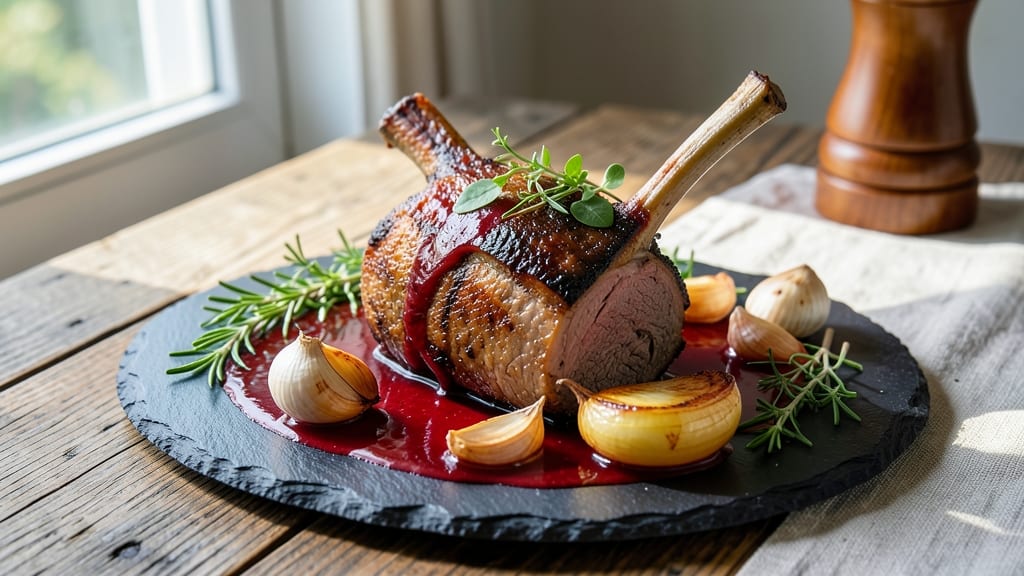
The baked beef shank recipe transforms tough cuts into melt-in-your-mouth perfection with minimal effort. Slow-braising breaks down connective tissue, yielding tender, buttery meat that practically falls apart at the touch of a fork.
The key lies in patience—letting flavors meld over hours while the oven does the work. This method delivers restaurant-quality results without requiring a slow cooker or hours of active time.
What sets this recipe apart is the deep, caramelized crust achieved through proper browning and deglazing. A simple marinade of garlic, herbs, and red wine jumpstarts flavor development, while a red wine reduction ties everything together.
The process is straightforward: sear, braise, and finish with a rich sauce that enhances every bite. No special equipment beyond a baking dish and oven—just time and attention to technique.
By the time you serve this dish, you’ll have fork-tender beef shank with a glossy, flavorful sauce clinging to every strand of meat. The texture is unmistakable: tender yet substantial, with layers of savory depth from the slow cook.
Pair it with mashed potatoes or crusty bread to soak up every last drop of that luxurious sauce. This is comfort food at its finest—simple yet impressive.
Optional plating ideas elevate the presentation without extra effort. Garnish with fresh parsley or a drizzle of reduced wine sauce for visual appeal. Serve with roasted vegetables or a side salad to balance the richness.
The result is a dish that feels special but requires no shortcuts—just time and care. Let’s get started on creating this showstopper.
Ingredients for baked beef shank
Transform tough beef shank into melt-in-your-mouth perfection with these carefully selected ingredients.
| Ingredient | Amount | Notes |
|---|---|---|
| Beef Shank 🥩 | 2 ½ lb | Bone-in, cut into 2-inch pieces |
| Red Wine 🍷 | 1 cup | Bold, dry variety like Cabernet Sauvignon |
| Garlic Cloves 🧄 | 6 cloves | Peeled, smashed slightly |
| Fresh Rosemary 🌿 | ½ oz | Finely chopped, stems removed |
| Fresh Thyme 🌿 | ½ oz | Leaves only, stems discarded |
| Yellow Onion 🧅 | 1 whole | Chopped into 1/2-inch pieces |
| Carrots | 4 medium | Peeled, cut into 1-inch chunks |
| Tomato Paste 🍅 | 2 tbsp | High-quality, no sugar added |
| Olive Oil 🫒 | ¼ cup | Extra-virgin, for searing |
| Beef Broth 💧 | 2 cups | Low-sodium, homemade preferred |
| Bay Leaves 🌿 | 2 whole | Dried, standard size |
| Salt 🧂 | 1 ½ tsp | Kosher or sea salt, coarse |
| Black Peppercorns 🌶️ | 1 tsp | Freshly cracked preferred |
| All-Purpose Flour 🌾 | 1 tbsp | For thickening sauce |
| Fresh Parsley 🌿 | ¼ cup | Chopped, for garnish |
The beef shank is the star—look for cuts with good marbling and vibrant color. Local butchers or specialty markets often carry the best quality, but most grocery stores stock it in the meat case. For optimal results, choose shanks with a thickness of 1.5 to 2 inches—this ensures even cooking and maximum tenderness. If buying frozen, thaw overnight in the fridge for best results. The red wine should be bold and dry—Cabernet Sauvignon or Merlot work perfectly, but avoid sweet varieties that can overpower the dish. Fresh herbs like rosemary and thyme should be fragrant and green, not wilted or yellowing. If using dried, reduce amounts by one-third, but fresh herbs elevate this dish to restaurant-quality levels.
No red wine on hand? Substitute with beef broth and a splash of balsamic vinegar—it mimics the acidity and depth. Fresh garlic can be swapped for garlic powder (use half the amount), but the fresh version adds a complexity that’s worth the extra minute. For the carrots, baby carrots or pre-cut chunks work fine, but whole carrots give you more control over size. The tomato paste can be omitted entirely if you prefer, though it adds a rich umami base. If you're making this ahead, freeze the raw ingredients in a baking dish for up to 3 months—just add 30 minutes to the cooking time. The beef broth should be low-sodium to avoid over-salting the dish, but homemade broth delivers the best flavor.
This dish tastes even better the next day as flavors meld together. Store leftovers in an airtight container in the fridge for up to 5 days, or freeze for 3 months for future meals. For reheating, cover with a lid and warm in a 300°F oven for 20-30 minutes, or until heated through. The sauce will thicken slightly upon reheating—add a splash of broth if it becomes too stiff. For presentation, garnish with fresh parsley and a drizzle of the reduced wine sauce. Serve with crusty bread or mashed potatoes to soak up every last drop of that luxurious sauce.
Why You'll Love This Recipe
- One-Pan Magic: I swear by this—just toss the shank, wine, and herbs in one dish, then walk away. No fancy searing, no flipping, no stress. The wine reduces into a glossy sauce while you’re still deciding what to watch on TV.
- Wine-Infused Richness: That deep, savory flavor? All thanks to the red wine and slow bake. The garlic and rosemary melt into the meat, leaving you with tender bites that taste like a fancy bistro—without the pretentious price tag.
- Leftovers That Shine: Honestly, I make this on purpose just for the leftovers. The next day, the shank shreds easily, perfect for sandwiches or pasta. Even my picky son asks for seconds—proof it’s that good.
- Budget-Friendly Luxury: Beef shank is the unsung hero of affordable cuts. A few dollars gets you a dish that feels special, whether it’s a weeknight dinner or a guest-worthy meal. Plus, the herbs stretch the flavor so you won’t miss expensive garnishes.
Step-by-step instructions for slow-braised beef shank
Transform tough beef shank into melt-in-your-mouth perfection with this precise slow-braising method.
Sear the Beef Shank for Deep Flavor
Preheat your oven to 325°F—we'll use it later, but first we need to develop that rich, caramelized crust. Heat 0.25 cup olive oil in a heavy Dutch oven over medium-high heat until shimmering. Pat the 2.5 lb beef shank completely dry with paper towels—this ensures maximum browning.
Place the shank in the pot and sear for 4-5 minutes per side until deep golden brown. Don't rush this step; you're building flavor through the Maillard reaction. If the oil starts smoking excessively, reduce heat slightly. Once well-browned, remove the shank and set it aside on a plate.
Build the Aromatic Base
In the same Dutch oven (those browned bits are flavor gold), add 1 whole yellow onion and 4 medium carrots chopped. Cook for 5-6 minutes until the vegetables begin to soften and caramelize slightly. Add 6 cloves garlic cloves and cook for 30 seconds until fragrant—don't let them burn.
Stir in 0.5 oz fresh rosemary, 0.5 oz fresh thyme, 2 tbsp tomato paste, 1.5 tsp salt, and 1 tsp black peppercorns. Cook for 1 minute to toast the spices and deepen their flavors. Pour in 1 cup red wine and scrape up all those delicious browned bits from the bottom of the pot.
Deglaze and Simmer the Braising Liquid
Let the wine reduce by half—about 3-4 minutes2 cups beef broth and 2 whole bay leaves, then return the beef shank to the pot. The liquid should come about halfway up the shank—if it's too shallow, add a splash more broth.
Bring to a gentle simmer, then cover with a tight-fitting lid. The key here is patience—transfer the pot to the preheated 325°F oven. Braise for 2.5 hours without peeking. The shank will become fork-tender as connective tissues break down into gelatin, creating that luxurious, silky texture.
Thicken the Sauce and Finish
After 2.5 hours, check the shank's tenderness by inserting a fork. It should slide in like butter with no resistance. Remove the shank and set it aside. Skim any excess fat from the surface of the braising liquid, then sprinkle in 1 tbsp all-purpose flour and whisk vigorously to combine.
Return the pot to the stove over medium heat and simmer uncovered for 5-7 minutes, stirring occasionally, until the sauce thickens enough to coat the back of a spoon. Taste and adjust seasoning if needed—this is your chance to perfect the balance of flavors. Return the shank to the pot and let it soak up the sauce for 5 minutes off the heat.
Serve with Fresh Herbs
Transfer the beef shank to a serving platter and ladle the rich braising sauce over the top. Garnish with 0.25 cup fresh parsley for a pop of color and freshness. The vegetables in the pot are now perfectly tender—serve them alongside the shank or mash slightly for easier eating.
Let the shank rest for 5 minutes before slicing against the grain into ½-inch thick portions. Each bite should deliver that signature buttery tenderness with layers of wine, herb, and caramelized depth. The sauce should coat every forkful, creating a harmonious balance of textures and flavors.
Pro Tips For Making Baked Beef Shank
- SEAR THE SHANK FIRST: The wine and herbs won’t save a pale, undercooked shank—get that pan screaming hot and let the meat develop a deep crust before adding liquid. I’ve ruined too many shanks by rushing this step, and the difference in flavor is night and day.
- TRIM EXTRA FAT FROM ROSMARARY: Fresh rosemary’s tough little needles hide in fat—strip it off before chopping, or you’ll end up with bitter, greasy bits in your sauce. My grandmother used to say, "A clean herb is a happy herb," and she wasn’t wrong.
- DON’T SKIP THE WINE REDUCTION: After deglazing with red wine, let it reduce by half before adding broth—this concentrates the flavor and cuts the alcohol tang. I used to pour it all in at once, and the dish always tasted thin and sharp.
- REST UNDER FOIL AFTER BASTING: Once you baste the shank with that glorious wine reduction, tent it loosely with foil for 10 minutes. This keeps it juicy while you finish the sauce—trust me, slicing into a dry shank is a crime no one wants to commit.
Regional styles of baked beef shank
French Bourguignon Style
In France, beef shank is traditionally slow-cooked in red wine with mushrooms and pearl onions—a technique known as bœuf bourguignon. For this version, add 8 oz mushrooms (cremini or button) and 1 cup pearl onions (peeled) along with the carrots.
Use 1 bottle of dry red wine (like Pinot Noir) instead of just 1 cup, and add 2 tbsp brandy to deglaze after searing. The mushrooms should be sliced and sautéed until golden before adding the wine. Serve with crusty baguette to soak up the sauce. 🍷
Italian Osso Buco
Italian chefs transform beef shank into osso buco, a Milanese specialty featuring a crispy crust called gremolata. Start by browning the shank in olive oil, then add 1 cup tomato passata (instead of paste) and 2 sprigs of sage to the braising liquid.
After baking, remove the shank and sear it again in a hot pan to create a golden crust. Finish with a gremolata of 2 tbsp lemon zest, 4 garlic cloves, and ¼ cup parsley. Serve with risotto alla Milanese for an authentic pairing. 🌿
Spanish Cocido Madrileño
Spain’s cocido madrileño turns beef shank into a hearty stew with chickpeas and vegetables. After searing the shank, add 1 cup chickpeas, 1 head of garlic (whole, unpeeled), and 1 leek (chopped) to the pot.
Use 4 cups beef broth instead of 2, and simmer for 3 hours instead of 2.5. Finish with 1 tsp smoked paprika and serve with tortilla española (Spanish omelet) on the side. The chickpeas add a satisfying texture contrast. 🌶️
German Rindfleisch-Eintopf
German Rindfleisch-Eintopf (beef stew) focuses on simplicity and hearty flavors. Replace the red wine with 1 cup dark beer (like a bock or stout) and add 2 tbsp caraway seeds to the braising liquid. Use 1 cup sauerkraut (drained) and 1 apple (peeled and diced) for tangy-sweet depth.
Simmer for 3 hours to let the flavors meld. Serve with buttered potatoes and a dollop of Dijon mustard for dipping. The beer adds a malty richness that balances the savory meat. 🍺
American Red Wine Reduction
For a classic American take, focus on a rich red wine reduction sauce. After braising, strain the sauce through a fine-mesh sieve to remove vegetables, then reduce it on the stovetop until syrupy. Whisk in 1 tbsp cold butter at the end for a glossy finish.
Serve with creamy mashed potatoes and roasted Brussels sprouts. This version highlights the sauce as the star, making it perfect for special occasions. 💛
Nutrition facts
Frequently asked questions
Why does beef shank need slow cooking?
Slow cooking breaks down collagen in the connective tissue, transforming tough meat into fork-tender perfection. At 325°F for 2.5 hours, the connective tissues melt into gelatin, creating that signature buttery texture. This method also allows flavors to develop deeply, making every bite rich and complex.
Can I use a different cut of beef instead of shank?
While beef shank is ideal, you can substitute with chuck roast or short ribs in a pinch. These cuts have similar connective tissue that benefits from slow cooking. However, shank has more natural flavor and stays more intact during cooking. Avoid lean cuts like sirloin—they won't become tender with this method.
What if my beef shank isn't tender after 2.5 hours?
Check the internal temperature—it should reach 203°F for perfect tenderness. If it's not quite there, return it to the oven for another 30-45 minutes. The sauce may need thickening with a cornstarch slurry if it's too thin. Never rush this step—patience is key to that melt-in-your-mouth result.
How can I make this recipe ahead of time?
This dish actually tastes better the next day! Store leftovers in an airtight container in the fridge for up to 5 days or freeze for 3 months. Reheat covered in a 300°F oven for 20-30 minutes until warmed through. The flavors deepen as they meld together over time.
What's the best way to serve the vegetables?
For maximum flavor, serve the braised carrots and onions as-is—they'll be perfectly tender. Alternatively, mash them slightly with a fork for easier eating. The vegetables soak up all the delicious braising liquid, making them just as flavorful as the meat. Pair with crusty bread or mashed potatoes to complete the meal.