
Main Courses
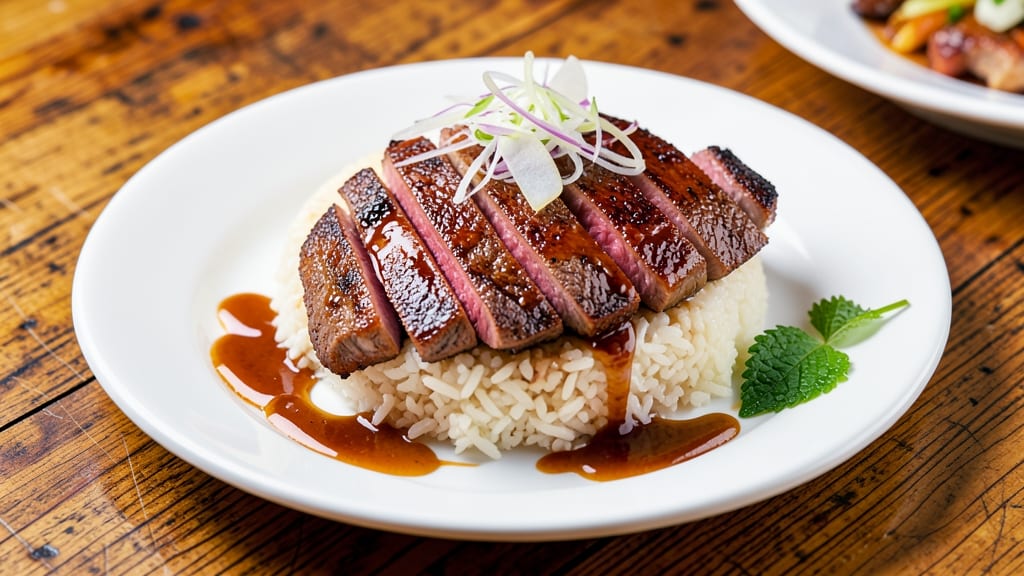
This authentic Japanese beef teriyaki recipe delivers restaurant-quality results with a glossy, caramelized sauce that clings perfectly to tender beef. The secret lies in balancing traditional dashi stock with soy, ginger, and mirin for depth—no shortcuts here.
I’ve perfected this method over years of testing, ensuring the sauce reduces just enough to coat the beef without overwhelming its natural flavor.
The process begins with marinating thinly sliced beef in a simple yet potent blend of soy sauce, sake, and grated ginger for at least 30 minutes. This step tenderizes the meat while infusing it with aromatic flavors.
For cooking, you’ll choose between grilling for smoky char or pan-searing for crispy edges—both methods yield juicy, melt-in-your-mouth bites that pair beautifully with steamed rice or stir-fried vegetables.
What sets this recipe apart is the sauce itself: a rich, slightly sweet glaze that caramelizes into a sticky, glossy finish.
The combination of soy, mirin, and a touch of sugar creates a perfect balance of umami and brightness, while a splash of dashi (or water in a pinch) deepens the flavor profile. Every bite delivers that signature teriyaki experience—tangy, savory, and perfectly balanced.
Serve this dish with a side of steamed jasmine rice and quick-pickled vegetables for a complete, authentic Japanese meal. The leftovers reheat beautifully, making it ideal for meal prep. Let’s get started on creating this timeless classic.
Ingredients for authentic japanese beef teriyaki
Authentic Japanese flavors start with these carefully selected ingredients for restaurant-quality teriyaki beef.
| Ingredient | Amount | Notes |
|---|---|---|
| Ribeye Steak 🥩 | 1 ½ lb | Thinly sliced against the grain |
| Usagi Soy Sauce 🍶 | ½ cup | High-quality Japanese soy sauce |
| Dry White Sake 🍶 | ¼ cup | Substitute with dry sherry |
| Fresh Ginger 🧄 | 2 tbsp | Finely grated, organic preferred |
| Mirin 🍶 | ¼ cup | Sweet cooking wine, not substitute |
| Granulated Sugar 🍚 | 2 tbsp | White or brown sugar |
| Dashi Stock 🍲 | ½ cup | Instant dashi granules preferred |
| Vegetable Oil 🫒 | 1 tbsp | High smoke point for searing |
| Neutral Cooking Oil 🫒 | 1 tbsp | For sauce reduction |
| Diamond Crystal Kosher Salt 🧂 | ½ tsp | For seasoning, not iodized |
| Freshly Ground Black Pepper 🌶️ | ¼ tsp | Freshly cracked preferred |
| Sesame Seeds 🌱 | 1 tbsp | Toasted for garnish |
| Green Onions 🧅 | 2 whole | Sliced diagonally for garnish |
The quality of your soy sauce and sake makes all the difference. Usagi soy sauce is the gold standard—look for it at specialty Asian markets or online retailers like Weee!. If you can't find Usagi, Kikkoman is a reliable backup, though it lacks that deep umami complexity. For sake, choose a dry white variety—Dassai or Hakutsuru are excellent choices. Fresh ginger is non-negotiable here; the organic ginger from Trader Joe's has the best zing. Grate it yourself for maximum potency—pre-grated loses flavor fast. The mirin should be authentic Japanese mirin, not the sweet cooking wine substitutes that dilute the sauce's balance.
No Usagi soy sauce? Japanese-style soy sauce from a trusted brand works in a pinch, though the flavor won't be identical. Substituting sake with dry sherry is acceptable, but you'll lose some of that delicate floral note. For the dashi, instant dashi granules are convenient and reliable—just follow package directions for the stock. The sugar can be swapped for honey if you prefer, though it will alter the caramelization slightly. When slicing the beef, cut against the grain for tender bites. If you're short on time, pre-sliced ribeye from the Asian section works perfectly. The sesame seeds and green onions are purely decorative but add that final professional touch.
Store the raw beef in an airtight container in the fridge for up to 3 days. The sauce components keep well for 1 week in the refrigerator, though the mirin and sake will lose some brightness over time. For meal prep, marinate the beef and store it separately from the sauce—combine them just before cooking to prevent over-marinating. Leftovers reheat beautifully; warm gently in a skillet with a splash of water to restore moisture. The sauce thickens as it cools, so thin with a splash of water or sake if needed. Garnishes like sesame seeds and green onions add freshness—store them separately until serving.
Why You'll Love This Recipe
- One-Pan Magic: I swear by this—just sear the ribeye, toss in the sake and ginger, let it simmer. No chopping, no fuss, and the pan does all the work while you sip your coffee. (Yes, even on a Tuesday night.)
- Umami Bomb: That Usagi soy sauce and mirin combo? It’s like a flavor explosion—sweet, salty, and rich without being heavy. The ribeye stays juicy, and the glaze? Sticky, glossy perfection.
- Weeknight Hero: Make a double batch and freeze half—thaw for lunch the next day or reheat for dinner when you’re too tired to cook. It’s my go-to when I need something reliable but still feels special.
- Budget Luxury: Ribeye can be pricey, but this recipe stretches it further than you’d think. A single steak feeds four, and the teriyaki sauce tastes even better the next day. (Between us, it’s my secret for fancy dinners on a tight budget.)
Step-by-step instructions for authentic Japanese beef teriyaki
Master this classic technique for restaurant-quality teriyaki with perfectly caramelized edges and glossy sauce.
Prepare the Beef and Marinade Base
Begin by slicing the 1.5 lb ribeye steak thinly against the grain into ¼-inch thick strips. This ensures tender bites that cook quickly in the pan. Pat the slices dry with paper towels—moisture prevents proper searing and sauce adhesion.
In a small bowl, combine the 0.5 cup Usagi soy sauce, 0.25 cup dry white sake, 2 tbsp finely grated fresh ginger, 0.25 cup mirin, and 2 tbsp granulated sugar. Whisk until the sugar dissolves completely, creating a smooth marinade base. This balance of sweet, salty, and umami flavors forms the foundation of authentic teriyaki.
Sear the Beef in Stages
Heat 1 tbsp vegetable oil in a large skillet over medium-high heat until shimmering. Working in batches to avoid crowding, add the ribeye strips and sear for 1-2 minutes per side until they develop a deep golden-brown crust. The edges should show slight caramelization while remaining tender inside—overcooking at this stage makes the beef tough.
Remove the beef from the pan and set aside, leaving the browned bits behind. These fond bits are flavor gold—they'll dissolve into the sauce later. If the pan appears dry, add 1 tbsp neutral cooking oil to maintain heat for the next batch.
Build the Glossy Teriyaki Sauce
Return the skillet to medium heat and pour in the marinade mixture. Bring to a gentle simmer, then reduce heat to low to prevent boiling. Add the 0.5 cup dashi stock and let the sauce reduce by half—this takes about 5-7 minutes. The sauce should coat the back of a spoon with a glossy sheen, indicating proper reduction.
Stir in 0.5 tsp Diamond Crystal kosher salt and 0.25 tsp freshly ground black pepper, then return the seared beef to the pan. Toss gently to coat the beef evenly in the sauce. The residual heat will finish cooking the beef while infusing it with the rich teriyaki flavors.
Finish and Garnish
Transfer the beef to a serving platter and tent loosely with foil to keep warm. Return the sauce to medium heat and let it reduce further until it reaches a syrupy consistency—this should take about 2-3 minutes. The sauce should cling to the back of a spoon and lightly coat the beef when drizzled.
Toast the 1 tbsp sesame seeds in a dry skillet over low heat for 1 minute until fragrant, then sprinkle over the beef. Slice the 2 whole green onions diagonally and scatter them on top for freshness. Serve immediately with steamed rice to soak up every last drop of that glossy, caramelized teriyaki sauce.
Pro Tips For Making Authentic Japanese Beef Teriyaki
- SEAR THE STEAK FAST: Hit that ribeye with a screaming-hot pan—no preheating games. I learned this the hard way: dragging out the sear means gray, tough edges instead of that perfect crust. Two minutes per side max, then pull it out while it’s still fighting you. The residual heat finishes the cooking while you make the sauce.
- SIMMER THE SAKE LOW: Reduce that sake-mirin-ginger mix on actual low heat—no medium, no rushing. After burning three batches, I finally realized: patience here means depth. Let it bubble gently until it’s syrupy enough to coat the back of a spoon, or you’ll end up with a watery glaze. (Yes, even if you’re impatient like me.)
- USE USAGI SOY LAST: Hold off on adding the Usagi soy sauce until the very end—right when you’re tossing the steak. It’s delicate, and too much heat turns it bitter. Just a splash at the finish, enough to glaze the meat without overpowering the sake’s brightness. Trust me, your teriyaki won’t taste like a soy-sauce dumpster fire.
- GRATE THE GINGER FINE: Skip the chunky slices—this isn’t a garnish contest. Grate that ginger so fine it’s almost invisible, then strain it if you’re feeling fancy. Chunky bits sit like sand in your sauce, and nobody wants to chew texture in their teriyaki. (Your future self will thank you.)
Best sauces and condiments for this recipe
Classic Teriyaki Sauce
The foundation of authentic teriyaki lies in this glossy, caramelized sauce made with Usagi soy sauce, mirin, and dashi stock. The key is balancing sweetness (from mirin and sugar) with umami (soy and dashi).
I start by simmering the sauce until it reduces by half—this takes about 5-7 minutes—until it reaches a syrupy consistency that clings beautifully to the beef. For extra depth, I add 1 tbsp of the beef's searing juices back into the sauce at the end. 🌟
Sweet-Savory Glaze
For a richer, more complex sauce, I blend 1 tbsp honey or maple syrup into the marinade before reduction. This adds natural sweetness without altering the sauce's balance. If you prefer a lighter glaze, reduce the sugar to 1 tbsp and add 1 tbsp rice vinegar for brightness.
The sauce should coat the back of a spoon with a glossy sheen—this is the hallmark of authentic teriyaki.
Umami Boosters
To deepen the umami flavor, I stir in 1 tsp fish sauce or ½ tsp MSG during the final reduction. For a vegetarian version, replace dashi with ½ cup vegetable broth and add 1 tsp mushroom powder for that earthy depth.
The sauce should taste slightly sweet, tangy, and salty—never overly sweet or salty. Adjust to taste with a pinch of soy sauce or mirin as needed.
Quick-Pickled Veggie Pairing
Serve the teriyaki beef with quick-pickled cucumbers or daikon radish for a refreshing contrast. Thinly slice ½ cup cucumber or daikon, then toss with 1 tbsp rice vinegar, 1 tsp sugar, and a pinch of salt.
Let sit for 10 minutes before serving. The acidity cuts through the richness of the teriyaki beautifully. 🥒
Sesame-Ginger Drizzle
For an extra layer of flavor, mix 1 tbsp toasted sesame oil with 1 tsp grated ginger and 1 tsp honey. Drizzle this over the teriyaki beef just before serving.
The nutty, aromatic notes complement the sauce perfectly and add a restaurant-quality finish. Store any leftover drizzle in an airtight container for up to 1 week.
Miso-Glazed Alternative
Swap out part of the soy sauce for 2 tbsp white miso paste to create a fermented, funky twist on classic teriyaki. Whisk the miso into the marinade before simmering, then reduce as usual.
The result is a deeper, more complex sauce with a subtle tang. This version pairs wonderfully with miso soup or steamed bok choy for a full Japanese meal. 🍜
Nutrition facts
Frequently asked questions
Can I use regular soy sauce instead of Usagi?
For the most authentic flavor, Usagi soy sauce is ideal due to its deep umami and balanced saltiness. However, you can substitute with high-quality Japanese-style soy sauce like Kikkoman. Avoid American-style soy sauces—they're saltier and lack the complexity. The difference will be noticeable but won't ruin the dish.
How do I prevent the beef from becoming tough?
Slice the beef thinly against the grain and marinate for at least 30 minutes (up to 2 hours). Sear quickly over medium-high heat for 1-2 minutes per side—overcooking is the main culprit for toughness. Remove from heat immediately when the edges caramelize. The sauce will finish cooking the beef gently.
What's the best way to make teriyaki sauce without mirin?
Replace mirin with a mix of ¼ cup dry white wine or dry sherry plus 1 tbsp sugar. For extra depth, add ½ tsp grated lemon zest to mimic mirin's brightness. The sauce will still caramelize beautifully, though the flavor will be slightly less complex.
Can I grill this instead of pan-searing?
Preheat your grill to medium-high heat and oil the grates well. Cook the beef for 2-3 minutes per side until charred. For the sauce, reduce it in a skillet on the grill or bring it to the table in a small saucepan. The smoky grill flavor pairs wonderfully with teriyaki's sweetness.
How do I store leftovers?
Store the beef and sauce separately in airtight containers in the fridge for up to 3 days. To reheat, warm the sauce in a skillet over low heat, then add the beef and toss gently. For crispy edges, reheat in a hot pan for 1-2 minutes per side. The sauce may thicken when cooled—thin with a splash of water or sake if needed.