
Main Courses
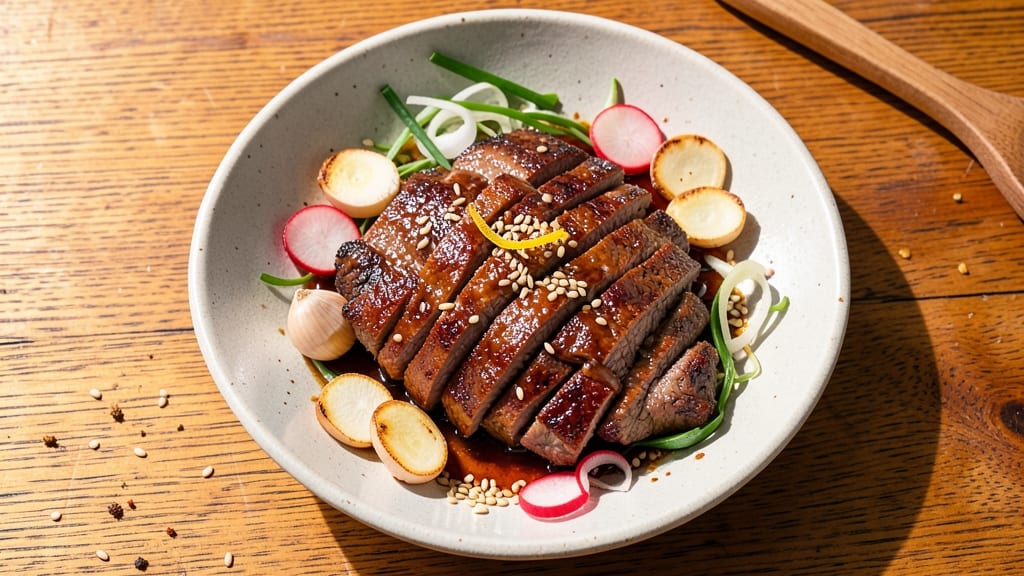
This Asian sticky beef recipe delivers restaurant-quality results with a glossy soy-ginger sauce that caramelizes the edges into irresistible sweet-savory perfection. The secret lies in marinating thinly sliced beef for hours, allowing the flavors to penetrate deeply before a quick sear and reduction that creates that signature sticky glaze.
I've perfected this technique over years of testing, and it transforms simple ingredients into a dish that's both elegant and approachable.
The beauty of this recipe is its versatility—whether you're serving it over steamed rice, in lettuce wraps, or as a stand-alone main course, the caramelized edges and tender beef will be the star.
The sauce balances sweet, salty, and umami notes perfectly, with a touch of ginger that adds warmth without overpowering. What makes this dish truly special is how the sauce thickens and caramelizes during cooking, creating those coveted glossy edges that everyone reaches for first.
By following this method, you'll achieve beef that's tender yet still holds its shape, coated in a sauce that's both sticky and rich. The aroma alone will have everyone gathering around the table, and the first bite delivers that perfect combination of textures and flavors.
This is the kind of dish that feels indulgent yet remains simple enough for weeknight dinners.
Pair it with steamed jasmine rice, quick-pickled vegetables, or a simple salad to round out the meal. The techniques here are straightforward but require attention to timing—especially during the sauce reduction—to achieve that signature caramelized finish.
Let's get started on creating this crowd-pleasing dish that's sure to become a regular on your dinner rotation.
Ingredients for asian sticky beef
Thinly sliced beef and a few key pantry staples create this restaurant-worthy dish.
| Ingredient | Amount | Notes |
|---|---|---|
| Flank Steak 🥩 | 1 ½ lb | Thinly sliced against grain |
| Soy Sauce 🥢 | ½ cup | High-quality, low-sodium preferred |
| Brown Sugar 🍚 | ¼ cup | Packed, light or dark |
| Rice Vinegar 🍶 | ¼ cup | White or seasoned |
| Fresh Ginger 🌿 | 2 tbsp | Finely grated, peeled |
| Garlic Cloves 🧄 | 4 cloves | Minced, fresh preferred |
| Sesame Oil 🫒 | 1 tbsp | Toasted, for aroma |
| Cornstarch 🌾 | 1 tbsp | For sauce thickening |
| Vegetable Oil 🫒 | 2 tbsp | High smoke point |
| Green Onions 🧅 | ¼ cup | Sliced, for garnish |
| Sesame Seeds 🌾 | 1 tbsp | Toasted, for garnish |
| Salt 🧂 | 1 tsp | Kosher or sea salt |
| Black Pepper 🌶️ | ½ tsp | Freshly ground |
| Jasmine Rice 🍚 | 2 cups | Uncooked, for serving |
The beef is everything here. Flank steak is ideal—it's lean enough to cook quickly but tender when sliced thinly against the grain. Look for a cut with good marbling at Whole Foods or your local butcher shop; the extra fat keeps the meat juicy during the quick sear. If you can't find flank, sirloin or ribeye work too, but slice them even thinner. For the soy sauce, Kikkoman or La Choy are reliable, but if you're using low-sodium, add an extra pinch of salt to the sauce later. The ginger should be fresh—it makes all the difference in brightness. Trader Joe's often carries pre-peeled ginger in small packages, which saves time.
No brown sugar? Honey or maple syrup works in a pinch, but the caramelization won't be as deep. Running out of rice vinegar? Apple cider vinegar is a decent swap, though it'll add a slight tang. The sesame oil is for aroma only—don't cook with it. Add it at the very end. For the cornstarch, arrowroot powder works too if that's what you have. If you're prepping ahead, marinate the beef for up to 12 hours—the longer it sits, the more tender it gets. The green onions can be subbed with scallions, and if you're feeling fancy, toast the sesame seeds in a dry pan for 30 seconds before garnishing—they'll smell amazing.
This dish reheats beautifully—just warm the sauce and beef together on the stovetop. Store leftovers in an airtight container for up to 4 days. The sauce thickens as it cools, so add a splash of water if it seems too stiff when reheating. For best results, serve over freshly steamed jasmine rice. The rice can be made ahead and reheated with a splash of water. If you're making this for a crowd, double the sauce ingredients—it's easy to scale up. The beef can be marinated and refrigerated for 24 hours before cooking, but don't let it sit at room temperature for more than 2 hours.
Why You'll Love This Recipe
- Pan in 20 Minutes: Honestly, I swear by this one—just slice the steak thin, toss it in a bowl with soy sauce, brown sugar, and ginger, then let it sit while you chop a handful of green onions. Toss it all in a hot pan, flip once, and you’re done. No waiting for marinades or fancy techniques.
- Sweet-Savory Magic: That balance of sticky caramelized edges from the brown sugar and the bright tang of rice vinegar? It’s the kind of flavor that makes you reach for seconds without even thinking. The ginger adds this warm, zesty kick that cuts through the richness—like a little flavor hug in every bite.
- Lunchbox Hero: Between us, this is my go-to for meal prep. Pack it in rice bowls or wraps, and it stays fresh for days. My kids actually eat their veggies with it—no complaints, just empty containers. (Yes, even on a Tuesday night.)
- Budget Stretch: Flank steak is affordable, and a pound feeds four easily. The sauce costs pennies, and leftovers reheat like a dream in a skillet or microwave. I’ve made this for date nights, potlucks, and lazy Sundays—it’s my secret weapon for looking like a chef without breaking the bank.
Step-by-step instructions for Asian sticky beef with glossy soy-ginger sauce
Here's the method for tender, caramelized beef with a perfect balance of sweet and umami.
Prepare the Flank Steak for Even Cooking
Begin by slicing the 1.5 lb flank steak thinly against the grain into ¼-inch thick strips. This ensures maximum tenderness and quicker cooking. I like to use a sharp chef's knife and work in batches if needed—keeping the meat cold prevents it from sticking together.
Place the sliced steak in a large bowl and add 1 teaspoon salt, ½ teaspoon black pepper, and 1 tablespoon sesame oil. Toss gently to coat evenly. Let it marinate at room temperature for 15 minutes while you prepare the sauce. This brief marinating enhances flavor without making the meat mushy.
Create the Glossy Soy-Ginger Sauce
In a small bowl, whisk together ½ cup soy sauce, ¼ cup brown sugar, ¼ cup rice vinegar, 2 tablespoons finely grated fresh ginger, and 4 minced garlic cloves until the sugar dissolves completely. This mixture forms the flavor foundation of your dish.
Transfer this sauce to a saucepan and bring to a gentle simmer over medium heat. Let it cook uncovered for 5-7 minutes until slightly thickened and the liquid reduces by about ¼. The sauce should coat the back of a spoon—this ensures proper adhesion to the beef during cooking.
Sear the Beef in Stages
Heat 2 tablespoons vegetable oil in a large skillet over high heat until shimmering. Working in batches, add the marinated beef strips and sear for 1-2 minutes per side until they develop a deep golden-brown crust. Don't overcrowd the pan—this prevents steam buildup that makes the beef tough.
Once browned, remove the beef and set aside. Add 1 tablespoon cornstarch to the same skillet and stir vigorously for 30 seconds to remove any browned bits. Immediately pour in the reduced sauce and bring to a gentle boil. The cornstarch will thicken the sauce into a glossy, sticky consistency.
Finish the Beef and Garnish
Return the seared beef to the skillet and toss gently to coat in the sauce. Cook for 1-2 minutes until the sauce clings to the beef and the edges caramelize. The beef should be tender but still slightly firm to the touch—overcooking makes it chewy.
Remove from heat and transfer to a serving platter. Garnish with ¼ cup sliced green onions and 1 tablespoon toasted sesame seeds. Serve immediately over 2 cups cooked jasmine rice to soak up that delicious sticky sauce.
Optional Double-Cooking for Extra Tenderness
For restaurant-quality tenderness, I recommend an optional double-cooking method. After the first sear, remove the beef and set aside. In the same skillet, add 1 tablespoon vegetable oil and heat over medium heat. Return the beef and cook for another 1-2 minutes until heated through but still tender.
This double-searing technique ensures perfect doneness while maintaining that beautiful caramelized exterior. The sauce should remain glossy and cling to each bite, creating that signature Asian sticky beef experience.
Pro Tips For Making Asian Sticky Beef
- Slice Against the Grain: Flank steak’s tough fibers run diagonally, so cutting perpendicular to those lines makes each bite tender. I used to ignore this and ended up with chewy, stringy results—now I mark the grain with a quick knife test before slicing.
- Deglaze with Vinegar First: After searing the beef, splash in the rice vinegar immediately—it cuts the heat and lifts stuck-on bits better than soy sauce alone. I learned this after scraping burned fond off my pan three times; now the sauce starts bright and balanced.
- Don’t Overmix the Sauce: Stir the soy, sugar, and ginger just enough to combine—lumps in the sauce mean uneven flavor. I used to blend it smooth, but the texture stays better when you leave it slightly rustic, like a proper stir-fry glaze.
- Use Cold Ginger: Grate the ginger right before adding and keep it chilled—it mellows the sharpness and prevents bitterness from overcooking. I tried prepping it ahead once, and the dish tasted medicinal. Fresh is non-negotiable here.
Make-ahead tips for this recipe
Marinade Prep Ahead
Prepare the marinade up to 2 days in advance and store it in an airtight container in the refrigerator. The flavors deepen over time, especially the ginger and garlic, which become more aromatic when chilled.
I like to marinate the beef in this sauce for at least 4 hours but no more than 12 hours—longer marinating can make the meat too soft. If you're short on time, marinate for just 30 minutes at room temperature before cooking for a quicker version. 🌿
Sauce Reduction Shortcut
Make the sauce ahead and reduce it to a thick, syrupy consistency—this takes about 10 minutes. Store the reduced sauce in a small glass jar in the fridge for up to 5 days.
When ready to cook, simply reheat it in a saucepan over medium heat until warm, then toss with the beef. This saves time on the day you cook and ensures the sauce is ready to go.
The sauce thickens further as it cools, so add a splash of water if it seems too stiff when reheating. 🍶
Beef Pre-Cooking Prep
Slice the flank steak and marinate it, then store both in separate airtight containers in the fridge for up to 24 hours. When you're ready to cook, let the beef sit at room temperature for 15-20 minutes before searing—this ensures even cooking.
I often prep everything the night before so I can cook fresh in the morning. The beef stays tender and flavorful this way, and the sauce reduction can be done while the beef comes to room temperature. ⏰
Reheating Leftovers
Leftovers reheat beautifully—simply warm the beef and sauce together in a skillet over medium heat for 3-5 minutes, stirring occasionally. If the sauce seems too thick, add 1-2 tablespoons of water or beef broth to loosen it up.
I like to serve reheated sticky beef over steamed rice or in lettuce wraps for a quick lunch. Store leftovers in an airtight container for up to 4 days in the fridge. For extra crispiness, sear the beef again in a hot pan for 1-2 minutes before serving. 🔥
Freezer-Friendly Prep
For long-term storage, freeze the cooked beef and sauce together in a freezer-safe container for up to 3 months. Thaw overnight in the fridge before reheating. To make it easier, portion the beef into single-serving containers—this way, you can defrost and reheat just what you need.
The sauce may separate slightly when frozen, but it will recombine when reheated. For best results, add a splash of water when reheating to restore the glossy texture. ❄️
Make-Ahead Garnishes
Toast the sesame seeds in advance and store them in a small jar at room temperature. Slice the green onions and store them in an airtight container in the fridge for up to 5 days.
This way, you can quickly garnish the dish right before serving without any last-minute prep. I also like to make a batch of quick-pickled vegetables (like carrots or radishes) ahead of time—they add a refreshing crunch to balance the rich, sticky beef. 🧅
Nutrition facts
Frequently asked questions
Can I use a different cut of beef for this recipe?
While flank steak is ideal, sirloin, ribeye, or even thinly sliced chuck work well too. Just slice against the grain for maximum tenderness. For leaner cuts like sirloin, marinate for 1-2 hours longer to prevent drying out during cooking.
Why does my sauce turn out too thin or too thick?
The sauce should coat the back of a spoon when reduced. If it's too thin, simmer uncovered for 2-3 extra minutes or add ½ teaspoon cornstarch mixed with water. Too thick? Thin with 1 teaspoon warm water or beef broth while stirring. The key is patience—let it reduce naturally over medium heat.
How do I prevent the beef from getting chewy?
Overcooking is the main culprit! Sear the beef just until browned (1-2 minutes per side) and avoid high heat after searing. Use a meat thermometer—beef should reach 135°F (medium-rare) for perfect tenderness. Also, never skip slicing against the grain!
Can I make this recipe without cornstarch?
Yes, but the sauce won't be as glossy. Swap the cornstarch with 1 tablespoon honey or maple syrup to help thicken it naturally. Alternatively, simmer the sauce longer (5-7 minutes) to reduce it more. The texture will be slightly less sticky but still delicious.
What are the best sides to serve with sticky beef?
Steamed jasmine rice is classic, but try these pairings too: quick-pickled cucumbers for freshness, sesame noodles for a lighter option, or steamed bok choy. For a heartier meal, add roasted sweet potatoes or a simple miso soup. The acidity from pickled veggies cuts through the richness beautifully.