
Soups & Stews
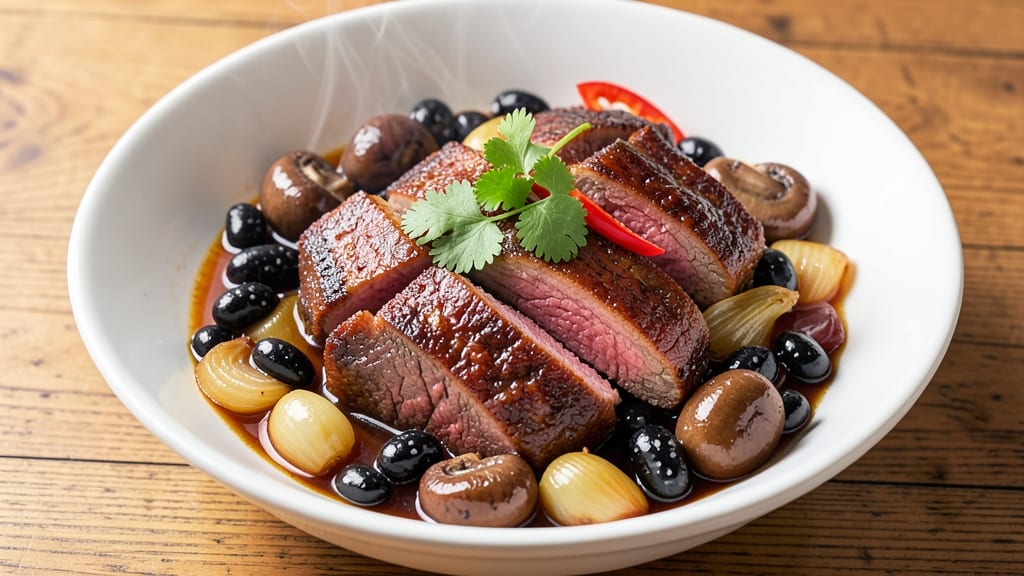
This authentic Chinese beef stew transports you straight to a bustling Cantonese kitchen with its deep, complex flavors. 🌟 The secret lies in marinating beef with soy sauce and Shaoxing wine, then slow-braising until fork-tender—just like your grandmother used to make.
Every aromatic spice (star anise, cinnamon) and fermented ingredient (black beans, soy paste) works together to create that signature umami richness.
What sets this recipe apart is the balance of textures and flavors: silky beef, caramelized onions, and tender root vegetables all simmered in a velvety sauce. The slow cooking process transforms tough cuts into melt-in-your-mouth perfection, while the ginger and garlic add layers of warmth.
This isn't just stew—it's a flavor journey through authentic Chinese home cooking.
By the time you serve it steaming hot over fragrant jasmine rice, your kitchen will smell like a Beijing street market. The broth reduces to a glossy, savory consistency that clings to every bite, while the beef practically falls apart at the touch of a fork.
This is comfort food at its finest—deep, satisfying, and impossible to resist.
Perfect for family dinners or special occasions, this stew keeps well for days, making it ideal for meal prep. The flavors only deepen as it sits, so the longer you wait to serve, the better it gets. Let's make this restaurant-quality dish at home—your taste buds will thank you.
Ingredients for authentic chinese beef stew
Authentic Cantonese flavors start with these simple yet powerful ingredients—each playing its part in that signature umami depth.
| Ingredient | Amount | Notes |
|---|---|---|
| Chuck Roast 🥩 | 3 lb | Cut into 1.5-inch cubes |
| Shaoxing Wine 🍷 | ½ cup | Substitute dry sherry if needed |
| Light Soy Sauce 🥢 | ½ cup | Kikkoman preferred |
| Dark Soy Sauce 🥢 | 2 tbsp | For deep color |
| Black Beans 🌱 | 1 cup | Dried or canned, drained |
| Yellow Onions 🧅 | 2 whole | Thinly sliced for caramelization |
| Fresh Ginger 🌿 | 2 inch | Thinly sliced, peeled |
| Garlic Cloves 🧄 | 6 cloves | Minced, aromatic |
| Star Anise 🌶️ | 2 whole | Lightly crushed |
| Cinnamon Sticks 🍃 | 2 whole | 2-inch pieces |
| Dried Red Chilies 🔥 | 2 whole | Optional, adjust to taste |
| Soybean Paste 🥫 | 2 tbsp | Or miso paste in a pinch |
| Carrots 🥕 | 2 whole | Cut into chunks |
| Daikon Radish 🥬 | 1 lb | Cut into wedges |
| Water 💧 | 4 cups | Or light beef broth |
| Sesame Oil 🫒 | 1 tbsp | For finishing |
| Green Onions 🧅 | 4 whole | Chopped, for garnish |
| Salt 🧂 | 1 tsp | To taste |
| White Pepper 🌶️ | ½ tsp | Freshly ground |
The beef is non-negotiable here—chuck roast with good marbling breaks down beautifully. Costco or Whole Foods usually carry it pre-cut, but if you're buying whole, ask the butcher to cube it for you. Shaoxing wine is the soul of this dish, but dry sherry works in a pinch (just don't tell anyone). For the soy sauces, grab Kikkoman light and Lee Kum Kee dark—they're the gold standard. The black beans? Dried are best but canned in a pinch (just drain well). Fresh ginger and garlic? Always better than powdered—Asian markets have the best prices and freshest stock.
No Shaoxing wine? Dry red wine plus 1 tsp sugar gets you close. Subbing for the soybean paste? Miso paste thinned with water works, though it'll be slightly sweeter. The star anise and cinnamon are aromatic game-changers—skip them only if you're serving kids. For the chilies, dried red pepper flakes at half the amount will add heat without the texture. The carrots and daikon can be swapped for potatoes or sweet potatoes if you prefer. And if you're using broth instead of water, low-sodium is key—this dish needs to sing, not be drowned in salt.
This stew tastes even better the next day—plan ahead. Store in an airtight container in the fridge for up to 5 days, or freeze for 3 months. The flavors meld beautifully overnight, so if you can, make it a day ahead. Garnish with sesame oil and green onions right before serving—this is where the dish truly shines. For meal prep, portion into containers with steamed jasmine rice—your lunches for the week just got a serious upgrade.
Why You'll Love This Recipe
- One-Pot Magic: I swear by this—just toss the chuck roast, black beans, and a splash of Shaoxing wine into one pot. The dark soy sauce caramelizes into a glossy crust while you’re still chopping onions, and honestly? That’s the kind of hands-off cooking I live for.
- Umami Bomb: Between the chuck roast’s deep richness and the dark soy sauce’s molasses-like depth, this stew hits different. The Shaoxing wine adds a bright, almost floral lift that cuts through the meat’s fattiness—like a secret handshake for your taste buds.
- Leftovers That Shine: This isn’t the kind of dish that gets boring after day two. The flavors actually improve as the beef gets more tender and the sauce thickens. I’ll be real: my lunchbox gets packed with it for days, and no one complains—because it’s just that good.
- Budget Flex: A chuck roast stretches for a crowd, and black beans add heartiness without breaking the bank. The soy sauces and Shaoxing wine? Small splurges that make the whole thing feel special. It’s the kind of meal that makes grocery day feel like a win.
Step-by-step instructions for authentic Chinese beef stew
Here's how to create that perfect balance of tender beef and aromatic broth.
🍳 Step 1: Sear the Beef for Maximum Flavor
Heat a large Dutch oven over medium-high heat with 1 tablespoon neutral oil. Working in batches, add the 3 lb chuck roast cut into 1.5-inch cubes and sear for 3-4 minutes per side until deeply browned. This step builds the rich, caramelized foundation for your stew.
Don't overcrowd the pan—this is where you create those beautiful browned bits (fond) that dissolve into the sauce. Once all beef is seared, transfer it to a plate and set aside. The beef will continue cooking gently in the stew, so no need to worry about overcooking it now.
👨🍳 Step 2: Build the Aromatic Base
In the same Dutch oven, add 2 tablespoons neutral oil and 2 whole yellow onions sliced thinly. Cook over medium heat for 8-10 minutes until the onions turn golden brown and caramelized. This is where the sweetness develops—don't rush this step.
Add the 2-inch fresh ginger sliced thinly and 6 cloves garlic minced. Stir for 30 seconds until fragrant. Then add the 2 whole star anise, 2 whole cinnamon sticks, and 2 whole dried red chilies. Stir for 1 minute to toast the spices—you'll smell that wonderful aromatic depth developing.
🥘 Step 3: Layer the Stew Components
Return the seared beef to the pot. Add 1 cup black beans, 2 tbsp soybean paste, 0.5 cup light soy sauce, 2 tbsp dark soy sauce, 1 tsp salt, and 0.5 tsp white pepper. Stir to combine, making sure the sauce coats the beef evenly.
Add 4 cups water, 2 whole carrots cut into chunks, and 1 lb daikon radish cut into wedges. Bring to a gentle simmer over medium-low heat. The liquid should just barely bubble—this slow cooking is what makes the beef tender and the flavors meld perfectly.
⏰ Step 4: Braise Until Fork-Tender
Cover the pot and simmer for 2.5 to 3 hours until the beef is fork-tender. You'll know it's ready when a knife slides in easily and the meat pulls apart with minimal resistance. The stew should have reduced slightly, creating a rich, thick sauce that coats everything beautifully.
Here's the thing—don't lift the lid during cooking. Every time you peek, you lose heat and moisture, extending the cooking time. Trust the process and let those flavors develop undisturbed. The aroma alone will tell you when it's ready.
🍽️ Step 5: Finish and Serve with Authentic Touches
Once the beef is tender, stir in 0.5 cup Shaoxing wine and let it simmer for 5 minutes to infuse the flavors. Remove the whole spices (star anise and cinnamon sticks) and dried chilies—they've done their job. Stir in 1 tablespoon sesame oil and 4 whole green onions chopped.
Taste and adjust seasoning if needed. The stew should be perfectly balanced—salty from the soy sauces, sweet from the caramelized onions, and aromatic from the spices. Serve hot in bowls with steamed rice, letting everyone scoop up that rich, silky stew with every bite.
Pro Tips For Making Authentic Chinese Beef Stew
- SEAR THE ROAST FIRST: I learned this the hard way—skipping the sear means your stew will taste more like a braise than a rich, caramelized dish. Get that chuck roast screaming hot in a dry pan for 3-4 minutes per side until it’s deep brown, then deglaze with Shaoxing wine right away. That crust locks in flavor and keeps the meat tender while it breaks down.
- USE BLACK BEANS LAST: Black beans need just enough time to soften, not fall apart. Toss them in the last 15 minutes of cooking—after the beef is already fork-tender. Overcook them, and you’ll end up with mush instead of those chewy, flavor-absorbing pockets.
- DON’T BOIL THE SOY SAUCE: Light and dark soy sauce add color and depth, but boiling them turns the sauce bitter and muddy. Simmer the stew at a gentle bubble—just enough to keep the liquid moving—so the soy sauces meld without scorching. If it’s too hot, lower the heat and let it work.
- SALT THE BEANS FIRST: Soak your black beans in salted water for 30 minutes before adding them to the stew. This prevents them from splitting open later and keeps their texture intact. I know, it’s an extra step, but your stew will thank you—no slimy bits here.
Perfect pairings for this dish
Rice Pairings
Serve this beef stew over steamed jasmine rice—its delicate floral aroma complements the rich umami flavors beautifully. I always use day-old rice from the fridge for slightly firmer grains that hold up better to the stew's sauce.
For extra authenticity, try Chinese short-grain rice like Calrose—it's stickier and absorbs the flavors like a dream. 🍚
For a heartier option, steamed congee (rice porridge) turns this stew into a comforting meal. Simply ladle the hot stew over a bowl of congee and garnish with extra green onions. The soft, creamy texture of congee balances the stew's depth perfectly.
Vegetable Sides
Pickled vegetables add a bright, tangy contrast to the rich stew. I love quick-pickled cucumbers or sauerkraut—just slice thinly and toss with rice vinegar, sugar, and a pinch of red pepper flakes. The acidity cuts through the beef's richness while adding crunch. 🥒
For a warm side, steamed bok choy or Chinese broccoli (gai lan) with a sprinkle of sesame seeds and a drizzle of toasted sesame oil makes an excellent pairing. The slight bitterness of the greens balances the stew's sweet-savory notes beautifully.
Beverage Pairings
A light-bodied Chinese tea like jasmine green tea or oolong tea cleanses the palate between bites. The floral notes complement the stew's aromatics without overpowering them. I keep a pot of hot tea on the table during meals—it's both refreshing and traditional. ☕
For something more indulgent, a dry Chinese red wine like Cabernet Sauvignon from Ningxia pairs wonderfully. The wine's tannins stand up to the stew's richness, while its fruity notes echo the soy sauce's depth. If you prefer beer, a light lager like Tsingtao keeps things crisp and refreshing.
Garnishes & Finishing Touches
Fresh green onions and a drizzle of toasted sesame oil are my go-to garnishes—they add freshness and a nutty aroma that brightens every bite. For extra flair, sprinkle with crushed peanuts or crispy fried shallots right before serving. These toppings add texture contrast and make the dish feel restaurant-worthy. 🌿
If you want to add heat, serve chili crisp or Sichuan chili oil on the side. A few drops let everyone customize their spice level while keeping the dish's authentic flavor profile intact. The oil's smoky, spicy notes pair perfectly with the beef's richness.
Nutrition facts
Frequently asked questions
Can I use a different cut of beef for this stew?
While chuck roast is ideal for its marbling and tenderness, you can substitute with brisket or short ribs. For tougher cuts like brisket, increase cooking time by 30-45 minutes to ensure fork-tender results. Avoid lean cuts like sirloin—they won't develop the same rich texture.
Why does the recipe call for both light and dark soy sauce?
The light soy sauce adds savory depth while the dark soy sauce provides that signature deep color and slightly sweeter profile. Together, they create the perfect balance of flavor and visual appeal. If you're missing one, use 2 tbsp extra light soy sauce and add 1 tsp sugar to mimic the dark sauce's sweetness.
How can I make this stew faster without sacrificing flavor?
Use a pressure cooker for a 1-hour version—just follow the same steps but reduce the braising time to 45-50 minutes after pressure is reached. For a stovetop shortcut, sear the beef extra brown and use beef broth instead of water to boost umami. The flavors will still develop beautifully, just more quickly.
What if I don't have Shaoxing wine? What's the best substitute?
Mix ½ cup dry red wine with 1 tsp sugar to mimic Shaoxing's sweetness and depth. For a non-alcoholic version, use ½ cup apple juice or rice vinegar (reduce by ¼ cup). The wine adds complexity—without it, the stew will still be delicious but slightly less nuanced.
Can I make this stew in an Instant Pot?
Follow the same steps but use 4 cups beef broth instead of water and cook on high pressure for 45 minutes after searing. Quick-release the pressure, then let it sit for 10 minutes before opening. The Instant Pot version takes about 1 hour total and delivers the same rich, tender results.