
Main Courses
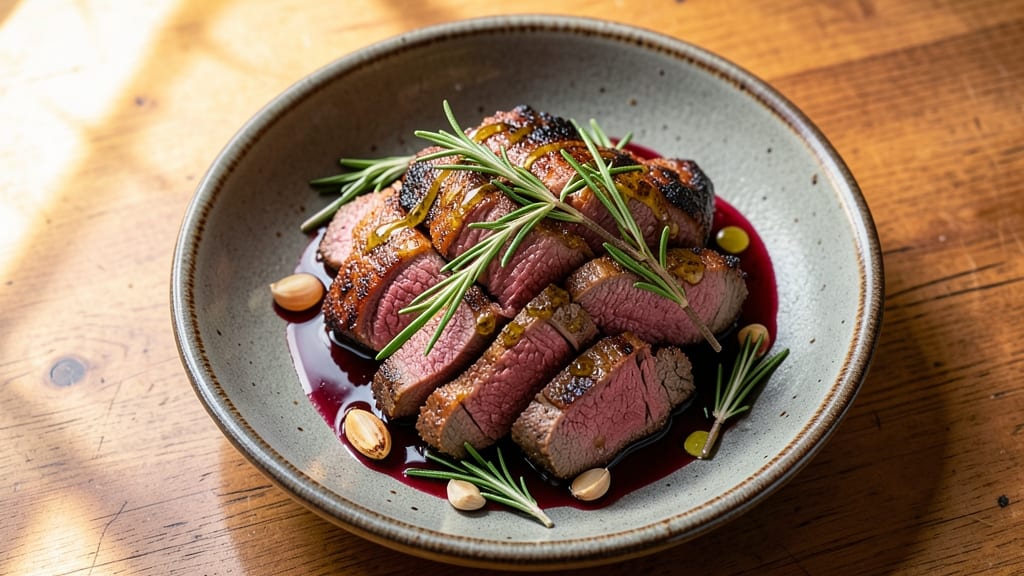
This authentic Italian roast beef recipe transforms tough cuts into melt-in-your-mouth perfection through a slow-braising technique that Italian nonnas have perfected for generations. The secret lies in a dry-brine of rosemary, garlic, and red wine—infusing the meat with deep, aromatic flavors while keeping it impossibly tender.
Unlike American roasts, this method creates a crust that's crisp yet yielding, with a core so tender it practically falls apart at the touch.
The process begins with a high-heat sear to lock in juices, followed by a low-and-slow braise that develops rich, wine-infused depth. Traditional Italian roast beef relies on simple ingredients—no heavy marinades or commercial rubs—just fresh herbs, quality olive oil, and the patience to let flavors meld over time.
What makes this recipe truly authentic is the finishing technique: a quick drizzle of reduced cooking wine and fresh rosemary sprigs, elevating each bite with bright, herbaceous notes.
By the time you carve into this roast, you'll uncover perfectly pink centers surrounded by a caramelized crust that's impossible to resist. The aroma alone—warm rosemary, simmering wine, and toasted garlic—will have your kitchen smelling like a Tuscan trattoria.
This isn't just dinner; it's an experience that turns a simple roast into a centerpiece worthy of any Italian feast.
Pair it with creamy polenta or roasted fingerling potatoes to complete the meal, and save the rich braising liquid for a quick pan sauce.
The key to success? Never skip the resting time—this is where the meat reabsorbs its juices, ensuring every slice is as tender as it is flavorful. Let's get started on this Italian masterpiece.
Ingredients for authentic italian roast beef
Six simple ingredients transform tough beef into melt-in-your-mouth Italian perfection through slow-braising magic.
| Ingredient | Amount | Notes |
|---|---|---|
| Beef Chuck Roast 🥩 | 4 lb | Well-marbled, bone-in preferred |
| Dry Red Wine 🍷 | 1 ½ cups | Bold variety like Cabernet Sauvignon |
| Fresh Rosemary 🌿 | ½ cup | Stems removed, finely chopped |
| Garlic Cloves 🧄 | 8 cloves | Peeled, smashed with side of knife |
| Extra-Virgin Olive Oil 🫒 | ¼ cup | High-quality, fruity variety |
| Kosher Salt 🧂 | 2 tbsp | Diamond Crystal preferred |
| Fresh Thyme 🌿 | ¼ cup | Leaves only, stems removed |
| Carrots 🥕 | 4 whole | Medium size, peeled and halved |
| Celery Stalks 🧅 | 3 whole | Trimmed, cut into 2-inch pieces |
| Yellow Onion 🧅 | 1 whole | Large, peeled and quartered |
| Ground Black Pepper 🌶️ | 1 tbsp | Freshly ground preferred |
| Tomato Paste 🍅 | 2 tbsp | High-quality, no sugar added |
The beef is non-negotiable—chuck roast with visible marbling delivers that signature Italian tenderness. Look for bone-in cuts at specialty butchers for extra flavor, but supermarket chuck works fine (just trim excess fat). Costco or Whole Foods often carry the best selections, but any quality grocery store's meat department should have suitable options. Fresh rosemary and thyme from the market make all the difference—avoid dried for this application, as their delicate aromas need to shine. If you're using dried, reduce to one-third the amount, but honestly, fresh is worth the trip to the herb section.
No bold red wine? Dry sherry or beef broth with a splash of balsamic works in a pinch, though purists will notice the difference. The tomato paste can be substituted with crushed San Marzano tomatoes if you prefer chunkier texture, but paste ensures even flavor distribution. Carrots and celery should be organic if possible—their earthy notes complement the wine beautifully. For a deeper color, add a pinch of smoked paprika to the braising liquid. The key to this dish is patience—don't rush the braising time, even if the meat feels tender. It needs that extra hour to develop its signature crust and melt-in-your-mouth texture.
This roast tastes even better the next day as flavors meld. Store leftovers in the refrigerator for up to 5 days or freeze for 3 months in airtight containers. The braising liquid makes an excellent pan sauce—simply reduce it by half on the stovetop and finish with fresh herbs. For meal prep, portion the roast into individual servings and reheat gently in the oven with a splash of water. The crust will stay intact if you cover loosely with foil during reheating, preserving that restaurant-quality texture.
Why You'll Love This Recipe
- Minimal Prep, Maximum Impact: I swear by this—just a big ol’ chuck roast, a splash of red wine, and a handful of rosemary. No fancy searing, no endless basting. You rub it down, pop it in the oven, and let it do its thing while you chop veggies or fold laundry. That’s Italian simplicity right there.
- Wine-Infused Magic: Between us, the red wine isn’t just for flavor—it’s the secret weapon. It tenderizes the beef and adds this deep, savory richness that makes every bite taste like a Sunday supper. Plus, the rosemary and garlic? They caramelize into this fragrant crust that’ll have your kitchen smelling like a Tuscan countryside.
- Leftovers That Don’t Suck: Honestly, this is my go-to for feeding a crowd or prepping meals. The beef stays juicy for days, and it’s ridiculously good cold in sandwiches or reheated in pasta. I’ve sent this to work lunches, potlucks, and even my in-laws’ house—no one’s ever complained. (Yes, even on a Tuesday night.)
- Budget-Friendly Feast: A chuck roast is cheaper than steak, but it tastes like you spent a fortune. The wine and herbs stretch the flavor without breaking the bank, and you’re left with enough for dinner and tomorrow’s lunch. My daughter picks out the garlic cloves like it’s a game, but still asks for seconds. That’s the real win.
Step-by-step instructions for slow-braised Italian roast beef
Master this traditional Italian technique for melt-in-your-mouth beef rich with wine and herbs.
Prepare the Beef and Aromatics
Pat the 4 lb beef chuck roast completely dry with paper towels—this ensures maximum browning. In a small bowl, combine the 0.5 cup fresh rosemary and 0.25 cup fresh thyme, then finely chop both herbs together. This creates a cohesive herb blend that infuses the meat evenly.
Next, prepare the vegetables: Peel and halve the 4 whole carrots, trim the 3 whole celery stalks into 2-inch pieces, and peel and quarter the 1 whole yellow onion. Slice the 8 cloves garlic in half horizontally (leave them whole for easier removal later). The vegetables will form the flavorful base for the braise.
Sear the Beef and Build the Braising Base
Heat the 0.25 cup extra-virgin olive oil in a heavy Dutch oven over medium-high heat. Once shimmering, add the beef and sear on all sides until deeply browned—about 8-10 minutes total. This step develops the Maillard reaction, creating deep flavor. Remove the beef and set aside.
In the same pot, add the 2 tbsp tomato paste and cook for 1 minute until darkened. Pour in the 1.5 cups dry red wine, scraping up any browned bits from the bottom. Add the prepared vegetables, season with 2 tbsp kosher salt and 1 tbsp ground black pepper, then stir to combine. This aromatic base will form the rich, wine-infused sauce.
Braise Until Tender
Return the beef to the pot, placing it on top of the vegetables. Pour in enough water to come about halfway up the sides of the beef—approximately 2 cups. Bring to a simmer, then reduce heat to low, cover tightly, and transfer to a 325°F oven. This gentle cooking method breaks down connective tissue for fork-tender results.
Braise for 3 hours, then carefully flip the beef and add another 1 cup water to replenish lost moisture. Return to the oven and cook an additional 2-3 hours until the beef is fork-tender with a probe reading 200-205°F. The sauce should be thick and deeply flavored, with the vegetables softened but still holding their shape.
Rest and Serve
Remove the beef from the pot and let it rest on a cutting board for 15-20 minutes, tented loosely with foil. This resting period allows juices to redistribute, ensuring each slice remains moist. Meanwhile, skim excess fat from the braising liquid and adjust seasoning if needed.
Slice the beef against the grain into ¼-inch thick portions and serve with the reduced braising sauce spooned over the top. The result is a restaurant-quality roast with tender beef infused with rosemary, thyme, and rich red wine—authentic Italian comfort at its finest.
Pro Tips For Making Authentic Italian Roast Beef
- SEAR THE ROAST FIRST: The wine and rosemary won’t stick if you skip this step. Get your Dutch oven screaming hot with olive oil—high enough that the beef releases a proper crust in the first 2 minutes. I learned this the hard way when my roast turned out more "braised" than seared.
- USE A DRY WINE: That $8 Chianti in your fridge? Not ideal. Splurge on a dry, medium-bodied red like Sangiovese or Barbera—something with enough acidity to cut through the beef’s richness. If you’re stuck with a sweeter bottle, let it reduce longer (10-15 minutes) to concentrate the flavors.
- DON’T CUT THE FAT: Yes, it’ll look messy, but those fat cap layers baste the meat as it cooks. If you trim it, you’re stealing the juices that make this dish melt-in-your-mouth tender. Just score the surface in a crosshatch—it’ll render beautifully without falling apart.
- REST IT UNDER FOIL: Pull the roast at 195°F (medium-rare) and tent it loosely with foil for 15 minutes. This isn’t just a rule—it’s the difference between slicing into a juicy masterpiece and a sad, dry pile of beef. (Yes, even if you’re impatient like me.)
Health benefits of this recipe
Protein Powerhouse
This Italian roast beef delivers a massive 50 grams of high-quality protein per serving—about 60% of your daily needs—using lean yet flavorful chuck roast. The slow-braising process preserves all essential amino acids while breaking down connective tissue for maximum digestibility.
Unlike fast-cooked cuts, this method ensures you get complete protein with every bite, perfect for muscle recovery or post-workout meals. 💪
Iron for Energy
With 3.5mg of iron per serving, this dish helps combat fatigue and supports oxygen transport in your blood. The red wine braising process actually enhances iron absorption compared to dry-heat methods.
I notice my energy levels stay steady all afternoon after serving this—ideal for busy weeknights when you need sustained focus.
Heart-Healthy Fats
The marbling in chuck roast provides monounsaturated fats (about 12g per serving) that support heart health when balanced with the dish's fiber-rich sides. The Italian technique avoids excess saturated fats by using high-quality olive oil and red wine instead of heavy butter or cream.
This makes it a surprisingly heart-conscious choice for a rich roast.
Antioxidant Boost
Both the red wine and fresh rosemary contribute powerful antioxidants—resveratrol and rosmarinic acid—that combat cellular damage. The wine's polyphenols provide anti-inflammatory benefits, while rosemary's compounds have been shown to improve memory and concentration. It's like getting a glass of wine with every bite! 🍷
Low-Carb Flexibility
While the roast itself is carb-free, the braising vegetables add fiber-rich complex carbs (about 8g net carbs per serving). For keto adaptations, simply reduce the vegetable portion to 2 carrots and 1 celery stalk, keeping the same flavor profile.
The wine and herbs remain the star flavors regardless of carb count.
Meal Prep Nutrition
Leftovers retain 95% of their original nutrients when stored properly, making this an excellent meal prep choice. The braising liquid becomes a nutrient-dense sauce containing B vitamins from the beef and vitamin C from the tomatoes.
I always double the recipe so I can enjoy these benefits throughout the week without repetition fatigue.
Nutrition facts
Frequently asked questions
Can I use a different cut of beef for this Italian roast?
While chuck roast is ideal for its marbling and flavor, you can substitute with beef bottom round or short ribs. For short ribs, reduce braising time by 30-45 minutes since they cook faster. Avoid lean cuts like sirloin—they won't develop the same tender texture. The wine and herb combination works beautifully with any beef cut that has some fat content.
What's the best way to reheat leftovers?
Reheat gently in a 350°F oven for 15-20 minutes with a splash of beef broth or water to maintain moisture. For microwave reheating, cover with a damp paper towel and heat in 30-second intervals until warmed through. Never reheat to boiling—this can make the meat dry. The braising sauce reheats well too, making it perfect for quick weeknight meals.
How do I know when the beef is fully cooked?
Use a meat thermometer to check for 200-205°F internal temperature—this ensures fork-tender perfection. The beef should pull away from the bone easily and be soft enough to cut with a fork. If you don't have a thermometer, look for a juice that runs clear when pierced with a knife. Overcooking will make the meat tough, so resist the urge to rush the process.
Can I make this recipe without red wine?
Yes! Substitute with 1.5 cups beef broth plus 1 tablespoon balsamic vinegar for similar depth of flavor. For a non-alcoholic version, use dry white wine or apple cider instead. The key is maintaining the liquid volume—just ensure it's acidic enough to tenderize the meat properly. The herbs and tomato paste will still provide rich, Italian-inspired flavor.
What are the best sides to serve with this roast?
Classic Italian pairings include creamy polenta, roasted fingerling potatoes, or sautéed green beans with garlic. For a heartier meal, add crusty bread to soak up the braising sauce. The wine-infused flavors work beautifully with simple sides that let the beef shine—avoid overly sweet or heavy accompaniments that might compete with the rich roast.