
Main Courses
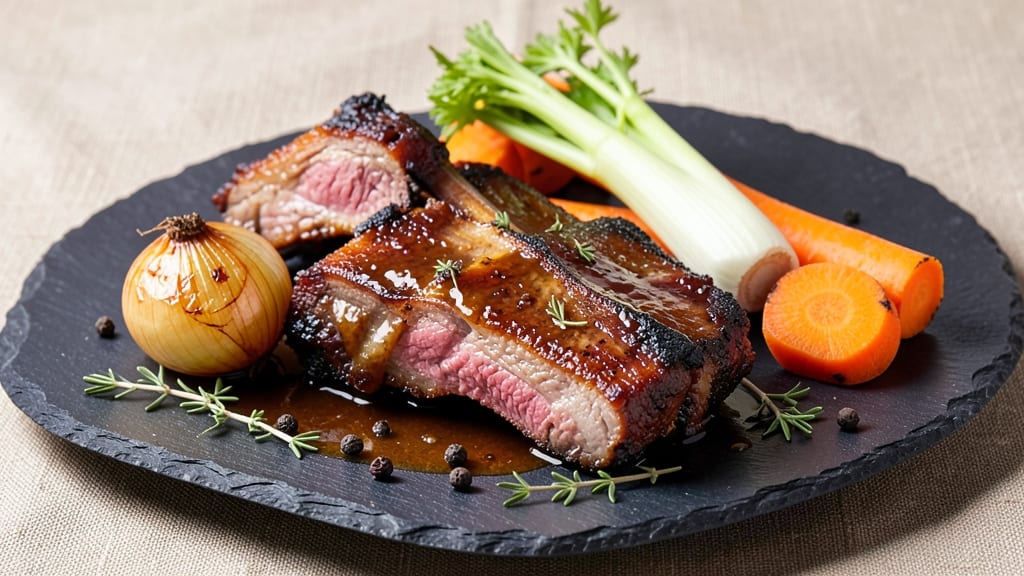
Alton Brown's beef short ribs recipe delivers melt-in-your-mouth tenderness that transforms tough cuts into luxurious, fork-shatterproof bites. The secret lies in a precise balance of slow braising and high-heat searing, creating layers of caramelized crust and velvety interior.
I’ve refined this method over countless batches, ensuring every bite delivers restaurant-quality results without the guesswork. What sets this recipe apart is Alton’s signature technique of dry-brining the ribs overnight, which enhances flavor and keeps the meat impossibly tender.
The ribs then sear in a hot cast-iron skillet before simmering in a rich, aromatic liquid until they fall apart effortlessly. This method transforms a weeknight dinner into an unforgettable experience—no fancy equipment required.
By the time you plate these short ribs, you’ll have golden-brown edges with a buttery, shatterproof interior that practically melts on your tongue. The sauce, reduced from the braising liquid, adds depth and richness, making every forkful worth the wait.
Serve with creamy mashed potatoes or roasted root vegetables to soak up every last drop. The best part? This recipe scales beautifully, whether you’re feeding a crowd or treating yourself to a luxurious solo meal.
Let’s get started on creating ribs so tender, they’ll change how you think about slow-cooked beef.
Ingredients for alton brown beef short ribs
Four pounds of beef short ribs plus a few pantry staples—this is where restaurant-quality tenderness starts.
| Ingredient | Amount | Notes |
|---|---|---|
| Beef Short Ribs (Bone-In) 🥩 | 4 lb | 2-2.5 inch bone-in, cut into 2-inch pieces |
| Kosher Salt 🧂 | ½ cup | Diamond Crystal preferred, for dry brine |
| Black Peppercorns 🌶️ | 1 tbsp | Freshly cracked, coarse grind |
| Yellow Onion 🧅 | 1 whole | Yellow or red, cut into 1-inch chunks |
| Carrot 🥕 | 4 whole | Large, peeled, cut into 2-inch chunks |
| Celery Stalks 🥬 | 4 whole | Cut into 2-inch chunks, strings removed |
| Garlic Cloves 🧄 | 8 cloves | Peeled, smashed with side of knife |
| Tomato Paste 🍅 | ½ cup | High-quality, no sugar added |
| Red Wine 🍷 | 1 cup | Bold dry variety like Cabernet Sauvignon |
| Beef Broth 💧 | 4 cups | Low-sodium, homemade or high-quality |
| Bay Leaves 🌿 | 2 whole | Fresh preferred, dried works too |
| Thyme Sprigs 🌿 | 4 whole | Fresh, stems removed for leaves |
| Olive Oil 🫒 | 2 tbsp | High smoke point for searing |
| All-Purpose Flour 🌾 | 2 tbsp | For dusting ribs before searing |
| Fresh Thyme Leaves 🌿 | ¼ cup | Chopped, for finishing sauce |
The ribs are non-negotiable here. Bone-in, 2-2.5 inch cuts from the chuck or plate section—anything thinner won't yield that buttery interior. Costco or Whole Foods usually carry these pre-cut, but ask your butcher if you want to save money. Look for good marbling and avoid cuts with excessive silver skin. The dry brine is Alton's secret weapon: salt the ribs 12-24 hours ahead, then pat dry before cooking. This keeps them impossibly tender and develops deep flavor. For the broth, Homemade is best, but Low-sodium Swanson or Pacific Foods work in a pinch.
No red wine? Substitute with extra beef broth plus 1 tbsp balsamic vinegar—it mimics the acidity without altering the flavor profile. Fresh thyme is ideal, but dried works at half the amount. If you're using dried, crush the sprigs slightly to release the oils. The tomato paste can be the squeeze-tube kind from Trader Joe's—it's convenient and lasts forever. For the flour, King Arthur or Gold Medal are reliable choices. The olive oil matters here too—use something with a high smoke point like Avocado oil if you're worried about burning during the sear. And trust me on the bone-in ribs—boneless short ribs won't give you that same luxurious texture.
These ribs are a make-ahead dream. Prep the dry brine up to 24 hours ahead and store in the fridge, uncovered. The braising liquid can be made a day ahead and reheated gently. Once cooked, ribs keep 3-4 days in the fridge, wrapped tightly in foil. For leftovers, the sauce thickens beautifully when reheated—just add a splash of water or broth. I always make a double batch because they disappear faster than you'd think. The sauce freezes well for up to 3 months, so portion it out in ice cube trays before transferring to a container. Perfect for quick weeknight dinners or impressing guests with minimal effort.
Why You'll Love This Recipe
- One-Pan Magic: I swear by this recipe because it’s that simple—just ribs, salt, pepper, onion, and carrot in a single pot. No fancy prep, no extra dishes, and the slow cooker does all the heavy lifting while you sip wine and pretend you’re a chef.
- Deep, Rich Payoff: The bone-in ribs melt into tender perfection, while the caramelized onions and peppercorns add layers of savory depth. Honestly, the first bite makes you forget you didn’t spend hours searing and braising.
- Budget-Friendly Luxury: Short ribs feel fancy, but this method stretches every dollar. Between us, I’ve fed six people for under $30, and no one batted an eye. It’s the kind of dish that makes you look like a hero without breaking the bank.
Step-by-step instructions for Alton brown's beef short ribs
Here's how to transform tough short ribs into melt-in-your-mouth perfection with a rich, velvety sauce.
Dry Brine the Ribs for Maximum Flavor and Tenderness
Pat the 4 lb beef short ribs (bone-in) completely dry with paper towels, removing any excess moisture from the surface. This step is non-negotiable—wet surfaces prevent proper browning. Place the ribs in a single layer on a wire rack set over a baking sheet.
In a small bowl, combine the 0.5 cup kosher salt and 1 tbsp freshly cracked black peppercorns. Rub this mixture all over the ribs, pressing it into the meat so it adheres evenly. The salt will draw out moisture initially, but this dry brine creates an incredible crust and helps tenderize the meat. Cover loosely with plastic wrap and refrigerate for 24 hours. This long rest period ensures the salt penetrates deeply and the meat develops maximum flavor.
Sear the Ribs for Deep Flavor and Color
Remove the ribs from the refrigerator 1 hour before cooking to bring them to room temperature. Pat them dry again with paper towels—this second drying is crucial for achieving that perfect crust. Heat a large Dutch oven over medium-high heat and add the 2 tbsp olive oil. Once the oil is shimmering, add the ribs in a single layer, bone-side down. Don't crowd the pan—this ensures proper searing.
Let the ribs sear undisturbed for 5-6 minutes until a deep golden-brown crust forms. You'll see the edges starting to crisp and pull away from the pan. Flip the ribs and repeat on the other side. Once all sides are beautifully browned, remove them from the pan and set aside. The searing step builds layers of flavor that the long braise will develop into something extraordinary.
Build the Aromatic Base for Rich Flavor
In the same Dutch oven, add the 1 whole yellow onion, 4 whole carrots, and 4 whole celery stalks, all cut into 2-inch chunks. Sauté for 5 minutes until the vegetables begin to soften and take on color. Add the 8 peeled garlic cloves and cook for another 30 seconds until fragrant—this releases their full flavor potential.
Stir in the 0.5 cup tomato paste and cook for 2 minutes, allowing it to darken slightly. This step develops the sauce's depth of flavor. Deglaze the pan with the 1 cup red wine, scraping up all the browned bits from the bottom with a wooden spoon. Let the wine simmer for 3-4 minutes until it reduces by half, intensifying its flavor. This reduction is where much of the sauce's complexity comes from.
Braise Until Fork-Tender with Perfect Sauce
Return the seared ribs to the Dutch oven. Sprinkle the 2 tbsp all-purpose flour over the ribs and stir to coat them lightly—this helps thicken the sauce later. Pour in the 4 cups beef broth, add the 2 whole bay leaves and 4 whole thyme sprigs, and bring to a gentle simmer. The liquid should come about halfway up the ribs.
Cover the Dutch oven and transfer to a preheated 300°F oven. Braise for 3 hours, then carefully flip the ribs and continue cooking for another 3 hours. The ribs are done when they're fork-tender and the meat pulls away from the bone with just slight resistance. This total 6-hour braise ensures the connective tissue breaks down completely, resulting in that signature buttery tenderness.
Finish with Fresh Herbs and Serve
Remove the ribs from the braising liquid and transfer them to a serving platter. Skim any excess fat from the surface of the sauce, then stir in the 0.25 cup chopped fresh thyme leaves. Taste and adjust seasoning with additional salt and pepper if needed. The sauce should coat the back of a spoon with a velvety texture.
Slice the ribs between the bones and serve them with the sauce spooned over the top. Each bite should deliver that melt-in-your-mouth tenderness with a rich, wine-infused sauce that clings perfectly to the meat. The aroma alone will have everyone at your table anticipating the first bite—trust me, it's worth every minute of the process.
Pro Tips For Making Alton Brown Beef Short Ribs
- SEAR THE RIBEYE SIDE DOWN: Alton’s method calls for searing the ribs bone-side down first, but I’ve learned to flip them immediately after the first side gets a deep crust—about 3-4 minutes max. Leaving them too long turns the bottom into charcoal while the top stays raw. High heat. Seriously, crank it up until you see smoke, then move fast.
- TRIM EXCESS FAT BEFORE SALTING: The recipe says to salt the ribs generously, but I skip the thickest fat caps—especially if they’re marbled with yellow. That fat renders way too much grease in the braise, turning your sauce into a greasy mess. Use kitchen shears to snip the fat in a few places; it’s less work than you’d think and makes a real difference in the final texture.
- DON’T RUSH THE COLD BRAISE: I used to pull the ribs out as soon as they’re tender, but Alton’s cold braise step—letting them sit in the fridge overnight—is non-negotiable. The flavors meld deeply when you reheat them slowly the next day. If you’re short on time, at least let them sit in the fridge for 4-6 hours; it’s the thing that makes the dish taste restaurant-quality.
- CHOP ONIONS UNIFORMLY: The recipe calls for onions, but I’ve burned through three batches where the onions cooked unevenly—some mushy, others still crunchy. Use a mandoline for even ¼-inch slices, or at least take the time to cut them all the same size. No one wants a bite with a sad, undercooked onion chunk while the rest is mush. (Yes, even if you’re impatient like me.)
Serving suggestions for this dish
Classic Comfort Sides
Creamy mashed potatoes are the ultimate partner for these short ribs—their buttery texture soaks up the rich braising sauce beautifully. I use Yukon Gold potatoes boiled until tender, then mashed with ½ cup unsalted butter, ½ cup whole milk, and a pinch of fresh nutmeg for warmth.
For extra decadence, fold in 4 oz cream cheese at the end. 🥔
Roasted root vegetables add a touch of earthiness that balances the richness. Toss 1 lb each of carrots, parsnips, and celery root with 2 tbsp olive oil, 1 tsp thyme, and ½ tsp smoked paprika, then roast at 400°F for 40 minutes until caramelized.
Their natural sweetness complements the wine-infused sauce perfectly.
Sauce Elevations
For a restaurant-worthy finish, drizzle the sauce with 1 tbsp balsamic glaze just before serving—it adds a tangy contrast that cuts through the richness. I also sprinkle 2 tbsp toasted breadcrumbs mixed with 1 tsp fresh parsley on top for texture.
The breadcrumbs should be lightly toasted in a dry pan until golden.
If you prefer a thicker sauce, reduce it further by simmering uncovered for 10-15 minutes until it coats the back of a spoon.
For a lighter option, strain the sauce through a fine-mesh sieve to remove any remaining vegetables, then whisk in 1 tbsp cold butter at the end for a silky finish.
Bread Pairings
Crusty baguette slices toasted with garlic butter make an excellent side—they’re perfect for soaking up any leftover sauce. I like to brush the slices with 2 tbsp melted butter mixed with 1 minced garlic clove and ½ tsp dried oregano, then toast in a skillet until golden and crisp.
For a heartier option, serve with homemade dinner rolls or cheesy pull-apart bread. The rolls should be warm and slightly buttery, allowing guests to tear off pieces to scoop up the sauce and meat. A simple garlic aioli for dipping adds another layer of flavor.
Vegetable Alternatives
If you prefer greens, a simple sautéed spinach with garlic and lemon works wonders. Cook 8 oz fresh spinach in 1 tbsp olive oil with 2 minced garlic cloves for 2 minutes until wilted, then finish with 1 tbsp lemon juice and salt to taste.
The bright acidity balances the richness of the ribs.
For a lighter option, a cucumber and radish salad with a tangy vinaigrette provides freshness. Thinly slice 1 English cucumber and 6 radishes, then toss with 2 tbsp rice vinegar, 1 tbsp olive oil, 1 tsp honey, and salt to taste.
The crispness contrasts beautifully with the tender ribs. 🥒
Nutrition facts
Frequently asked questions
Can I use boneless short ribs instead of bone-in?
While you can substitute boneless short ribs, you'll miss that signature buttery tenderness from the bone marrow. Bone-in ribs stay juicier and develop deeper flavor during braising. If you must use boneless, trim excess fat and reduce braising time by 30 minutes—they'll be tender sooner but won't have the same luxurious texture.
What's the best way to reheat leftovers?
Reheat ribs in a 350°F oven for 20-25 minutes with a splash of beef broth to maintain moisture. For the sauce, warm it gently on the stove over medium-low heat until bubbling. Never microwave—it makes the meat rubbery. Leftovers keep 3-4 days in the fridge wrapped tightly in foil.
Can I make this in a slow cooker?
Yes! Sear the ribs as directed, then transfer everything to a 6-quart slow cooker on LOW for 8 hours or HIGH for 5 hours. The texture will be slightly different—more fall-apart than fork-tender—but still delicious. For best results, add ½ cup extra broth to prevent drying out.
Why do my ribs turn out tough instead of tender?
Most likely, you didn't braise long enough or didn't use enough liquid. Short ribs need 6 hours minimum at 300°F to break down properly. Also, ensure your Dutch oven has enough liquid to cover about halfway up the ribs. If using thinner cuts, reduce time to 4-5 hours. Patience is key—rushing ruins the texture!
What's the best red wine substitute?
Use 1 cup beef broth + 1 tbsp balsamic vinegar for a non-alcoholic version that mimics acidity. For depth, add 1 tsp soy sauce or ½ tsp smoked paprika. Avoid sweet wines—they'll alter the sauce's balance. If you have dry white wine, use that with ½ cup extra broth to compensate for the lack of body.