
Main Courses
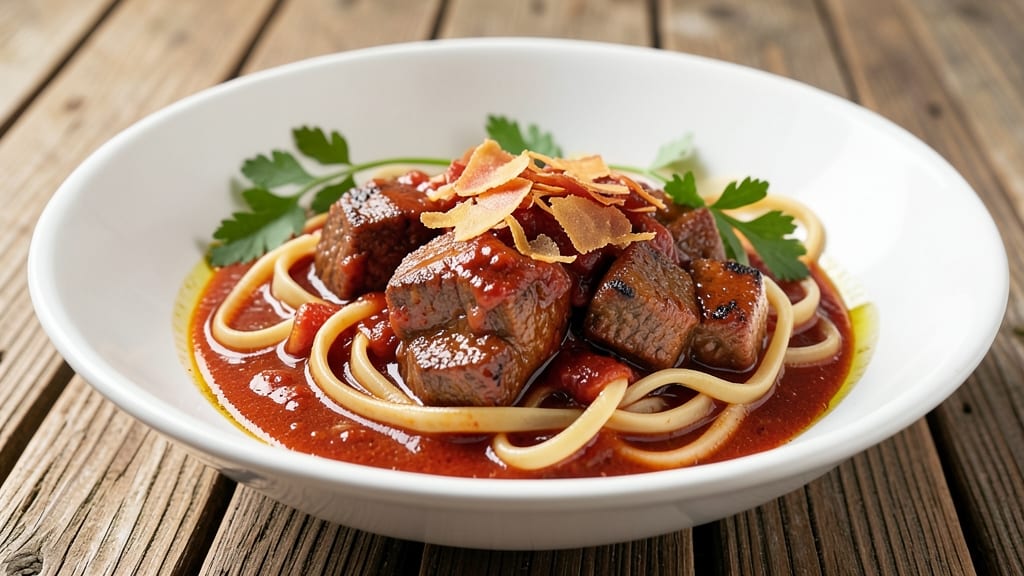
This authentic beef ragu recipe transforms tough cuts into melt-in-your-mouth perfection through slow simmering and layered flavors. The secret lies in proper browning, deglazing, and braising—techniques that unlock deep umami richness. Every bite delivers tender beef, caramelized vegetables, and a sauce so balanced it rivals Italy's finest trattorias.
The foundation starts with pancetta and onions, creating a flavorful base before adding ground beef and red wine for depth. San Marzano tomatoes and aromatic herbs build complexity as the mixture simmers for hours, developing a velvety texture.
This isn't just pasta sauce—it's a labor of love that transforms simple ingredients into restaurant-quality comfort.
What sets this ragu apart is the patience required: slow cooking breaks down collagen for natural thickness, while frequent stirring prevents sticking. The result? A sauce that clings perfectly to tagliatelle or pappardelle, offering both hearty satisfaction and elegant presentation. No shortcuts here—just authentic Italian technique.
Serve with freshly cooked pasta and grated Parmesan for the full experience. The rich flavors improve with time, making this an ideal dish for Sunday suppers or special occasions. Master this recipe once, and you'll never settle for bottled sauce again.
Ingredients for authentic beef ragu
Transform tough beef into luxurious ragu with these carefully selected Italian ingredients.
| Ingredient | Amount | Notes |
|---|---|---|
| Pancetta 🥓 | 6 oz | Diced, not cured bacon |
| Yellow Onions 🧅 | 2 whole | Thinly sliced, about 2 cups |
| Garlic Cloves 🧄 | 4 cloves | Minced, fresh preferred |
| Ground Beef 🥩 | 1 ½ lb | 80/20 fat ratio preferred |
| Dry Red Wine 🍷 | 1 cup | Bold variety like Cabernet |
| San Marzano Tomatoes 🍅 | 28 oz | Crushed by hand, whole can |
| Beef Stock 💧 | 2 cups | Homemade preferred, low sodium |
| Whole Milk 🥛 | ½ cup | For velvety texture (optional) |
| Fresh Rosemary 🌿 | 1 tbsp | Chopped, needle leaves only |
| Fresh Thyme 🌿 | 1 tbsp | Leaves only, stems removed |
| Carrots 🥕 | 2 whole | Diced, about 1 cup |
| Celery Stalks 🌿 | 2 whole | Diced, about 1 cup |
| Tomato Paste 🍅 | 2 tbsp | High quality, no sugar added |
| Kosher Salt 🧂 | 1 ½ tsp | Diamond Crystal preferred |
| Freshly Ground Black Pepper 🌶️ | ½ tsp | Coarsely ground |
The pancetta provides the essential umami foundation—look for Italian-style pancetta at specialty markets or the deli section of Whole Foods. It should be firm and well-marbled, not greasy. For the beef, 80/20 ground chuck is non-negotiable; the fat content creates natural richness. The San Marzano tomatoes are worth the investment: their natural sweetness and low acidity develop beautifully during slow cooking. If using store-bought beef stock, Bouillon's low-sodium version prevents over-salting. Fresh herbs should be vibrant and fragrant—wilting indicates age. For the wine, any bold, dry red works here—Cabernet Sauvignon or Merlot are classic choices, but whatever's open in your cabinet will suffice.
No pancetta? Thinly sliced bacon works in a pinch, though it lacks the same depth of flavor. Substitute the wine with 2 cups beef stock plus 1 tbsp balsamic vinegar for similar acidity. Fresh herbs unavailable? Dried rosemary and thyme at one-third the amount maintain the aromatic profile. The carrots and celery can be swapped for frozen mirepoix mix, though fresh yields better texture. For tomato paste, Rao's brand is ideal—its concentrated flavor develops beautifully during simmering. The milk addition is optional but creates that signature velvety texture found in authentic trattoria ragu. If omitting, add an extra splash of stock to compensate for moisture loss.
Store the cooked ragu in an airtight container for up to 5 days in the refrigerator, where flavors deepen overnight. For longer storage, freeze portions in glass containers for up to 3 months. The sauce thickens as it cools, so adding a splash of stock when reheating ensures proper consistency. This ragu freezes beautifully—portion into individual servings for quick weeknight meals. Always reheat gently on low heat to preserve the delicate texture. The sauce improves with time, making it perfect for meal prep. When serving, finish with freshly grated Parmesan and a sprinkle of fresh basil for vibrant color and brightness.
Why You'll Love This Recipe
- Pancetta Magic: The salty, crispy bits from the pancetta melt into the sauce like butter on toast—no extra seasoning needed. Honestly, that’s where the real flavor lives, and it’s the first thing my kids ask for when I serve it.
- Wine Simmer Secrets: That splash of dry red wine doesn’t just add depth—it cuts through the richness and makes the whole thing sing. I’ll be real: even my non-wine-drinking dad takes seconds because of it.
- Leftovers That Shine: This ragu only gets better the next day, which means I can make a big batch on Sunday and still have hearty lunches all week. Freezer-friendly? Absolutely. (Just add pasta later.)
- Weeknight Win: Ground beef browns fast, onions caramelize while you stir, and the garlic? You’re basically setting it and forgetting it. Twenty minutes later, you’ve got a restaurant-quality dish with zero fuss.
Step-by-step instructions for authentic beef ragu
Master this Italian classic through precise technique and patience.
Render the Pancetta and Build the Soffritto
Place the 6 oz pancetta in a heavy Dutch oven over medium-low heat. Let it render slowly for 8-10 minutes, stirring occasionally, until the fat is golden and crispy. Remove the pancetta with a slotted spoon and set aside, leaving the rendered fat in the pot.
In the same pot, add the 2 whole yellow onions, 2 whole carrots, and 2 whole celery stalks, all diced. Cook for 8-10 minutes until softened and translucent. Add the 4 cloves minced garlic and cook for 30 seconds until fragrant but not browned. This aromatic base, called soffritto, forms the flavor foundation of your ragu.
Brown the Ground Beef and Deglaze
Increase heat to medium-high and add the 1.5 lb ground beef, breaking it apart with a wooden spoon. Cook for 5-7 minutes until the beef loses its raw color and browns evenly. This step develops deep, meaty flavors through the Maillard reaction.
Pour in the 1 cup dry red wine, scraping up any browned bits from the bottom of the pot. Let it simmer for 3-4 minutes until the wine reduces by half. This deglazing step captures all the flavorful fond stuck to the pot.
Incorporate Tomatoes and Herbs
Add the 2 tbsp tomato paste and stir for 1 minute to cook out the raw taste. Pour in the 28 oz crushed San Marzano tomatoes and bring to a gentle simmer. Stir in the 1 tbsp chopped fresh rosemary, 1 tbsp fresh thyme leaves, 1.5 tsp kosher salt, and 0.5 tsp freshly ground black pepper. Return the crispy pancetta to the pot.
Add the 2 cups beef stock and bring to a gentle boil. Then reduce heat to low and cover partially, leaving a small gap for steam to escape. This simmering technique prevents the ragu from becoming too thick too quickly.
Slow-Simmer for Deep Flavor Development
Simmer uncovered for 2.5-3 hours, stirring occasionally to prevent sticking. The ragu should reduce significantly, becoming thick and rich. Here's the thing—this long cooking time transforms tough meat into tender, flavorful morsels and develops complex umami depth.
About 30 minutes before finishing, stir in the 0.5 cup whole milk (if using). This optional step creates a velvety texture that balances the richness. Taste and adjust seasoning with additional salt or pepper if needed.
Finish and Serve
For the final touch, skim any excess fat from the surface. The ragu should coat the back of a spoon with a thick, glossy consistency. Serve immediately over al dente pasta, tossing well to coat each strand. The perfect ragu should cling to the pasta with each bite, delivering layers of meaty, herby, and tomato flavors.
Real talk: The key to authentic ragu lies in the slow simmer. Don't rush this process—each minute of cooking builds depth of flavor that can't be replicated with quick methods. This is where patience pays off in restaurant-quality results.
Pro Tips For Making Authentic Beef Ragu
- COOK PANCETTA LOW AND SLOW: I learned this the hard way—sizzling pancetta in a hot pan turns it greasy and rubbery. Instead, render it over medium-low heat until the fat melts and the meat turns opaque, stirring occasionally. The fat will be golden and flavorful, not burnt.
- DICE ONIONS SMALL AND EVEN: After chopping onions for years, I finally got it: tiny, uniform dice (about 1/4-inch) cook faster and sweeten up evenly. Larger chunks stay tough and bitter, and you’ll end up with a ragu that tastes more like raw onion than caramelized goodness.
- DEGLAZE WITH WINE IMMEDIATELY: The second the beef browns, pour in that red wine—don’t wait. The wine will lift all the fond (those sticky brown bits) off the pan, giving your ragu depth instead of a dull, flat taste. Let it simmer until it’s mostly evaporated before adding broth.
- SIMMER LONG, NOT HARD: Low heat is your friend here. A gentle simmer (small bubbles, occasional stir) breaks down the meat and melds flavors without turning the ragu into glue. I used to rush it, and the texture suffered—now I let it go for at least 2 hours, stirring occasionally. Patience pays off.
Troubleshooting this recipe
Sauce Too Thin?
If your ragu isn’t thickening enough during simmering, reduce the heat to the lowest setting and let it cook uncovered for an extra 15-20 minutes. Stir occasionally to prevent sticking, and if needed, add 1 tablespoon tomato paste or ½ cup beef stock to help bind the sauce.
The milk addition at the end also helps emulsify the sauce naturally. 💡
Meat Still Tough?
Undercooked beef is the #1 reason for toughness. Ensure your ragu simmers for the full 2.5-3 hours—this breaks down collagen into gelatin, making the meat tender. If you’re short on time, add ½ cup extra beef stock and simmer for another 30 minutes.
Never rush this step; patience is key for authentic texture.
Wine Taste Overpowering?
If the wine flavor dominates, let it reduce by 50% before adding tomatoes. Alternatively, swap the wine for 1 cup beef stock + 1 tablespoon balsamic vinegar to mimic acidity without the alcohol intensity. Always deglaze thoroughly to capture fond flavors. 🍷
Burnt Bottom?
Prevent this by using a heavy Dutch oven and maintaining low heat throughout. If it happens, immediately remove the pot from heat, add ½ cup water or stock, and scrape gently with a wooden spoon.
Return to heat and stir until the sauce smooths out. Avoid metal utensils—they can scratch the pot.
Sauce Too Acidic?
Balance excess acidity by adding ½ cup whole milk or 1 tablespoon sugar at the end. If using tomatoes with high acidity (like regular canned), opt for San Marzano tomatoes next time—they’re naturally sweeter. Taste as you go and adjust gradually to avoid overcorrecting.
Herb Flavors Fading?
Add fresh herbs in the last 30 minutes of cooking to preserve their bright flavors. If using dried herbs, reduce to ⅓ the amount and add them earlier. For extra depth, finish with fresh basil or parsley right before serving. 🌿
Nutrition facts
Frequently asked questions about authentic beef ragu
Can I use ground chuck instead of pancetta for the base?
Yes, but pancetta is essential for authentic flavor. If you must substitute, use 8 oz thick-cut bacon (not turkey bacon) and add 1 tsp soy sauce to mimic the umami depth. The fat ratio is crucial—pancetta renders perfectly while bacon can become too crispy. For best results, render the bacon first, then proceed with the recipe as written.
How do I know when the ragu is done?
The sauce should coat the back of a spoon with a glossy sheen and the beef should be fork-tender. Test by pressing a piece of beef with a fork—it should crumble easily. The total cooking time (including simmering) should be 2.5-3 hours. If using a meat thermometer, aim for an internal temp of 165°F for the beef.
What's the best pasta shape for serving?
Traditional choices are tagliatelle or pappardelle—their flat surfaces cling beautifully to the sauce. For a heartier option, try fettuccine or rigatoni. Avoid small shapes like penne—they can't hold enough sauce. Cook pasta al dente (1 minute less than package instructions) to prevent mushiness when tossed.
Can I make this in a slow cooker?
Yes, but with adjustments. Brown the beef and render pancetta in a skillet first, then transfer everything to the slow cooker. Cook on low for 6-7 hours (not high—it won't develop proper depth). Add the milk in the last 30 minutes to prevent curdling. The texture will be slightly different but still delicious.
Why does my ragu taste bland after simmering?
Blandness usually means insufficient browning or deglazing. Always cook the pancetta until crispy and brown the beef until dark. Deglaze thoroughly with wine to capture fond flavors. For extra depth, add 1 tsp fish sauce or ½ tsp smoked paprika at the end. Taste as you go—seasoning builds during cooking, so adjust gradually.