
Main Courses
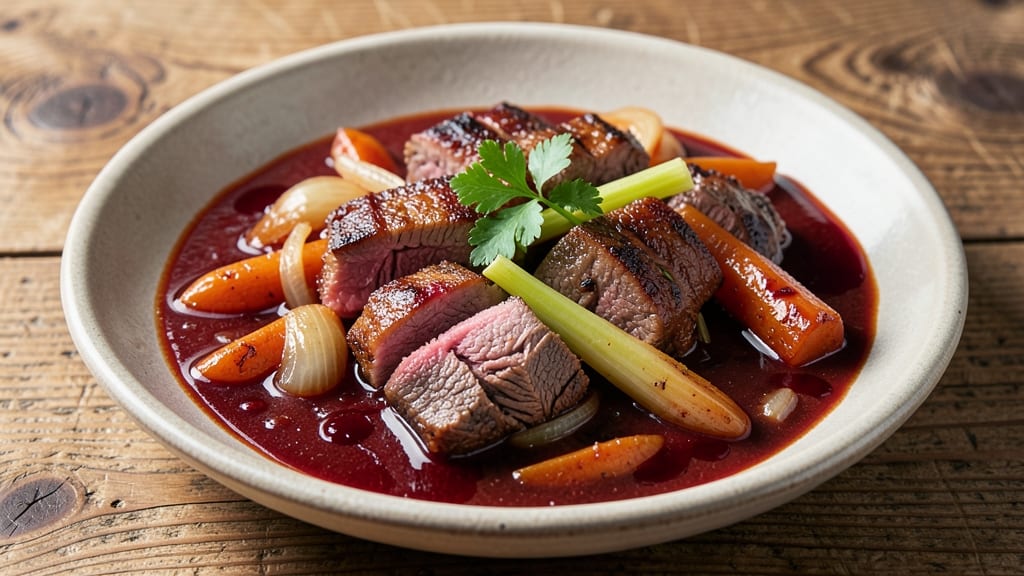
This authentic Italian beef ragu transforms humble ingredients into a restaurant-quality masterpiece through slow simmering and traditional techniques. The secret lies in browning the meat deeply, deglazing with wine, and letting it develop rich, complex flavors over hours—just like Nonna used to make.
Every bite delivers tender beef, caramelized vegetables, and layers of herbaceous tomato sauce that cling to al dente pasta.
The foundation begins with a classic soffritto—finely chopped onions, carrots, and celery—that forms the aromatic base. Adding red wine and crushed tomatoes introduces acidity and depth, while herbs like rosemary and thyme infuse the sauce with earthy warmth.
The key to authenticity is patience: letting the ragu simmer gently for at least 3 hours (longer is better) allows flavors to meld into a velvety, deeply satisfying sauce.
What you’ll end up with is a slow-simmered masterpiece—rich, meaty, and fragrant—that pairs perfectly with tagliatelle or creamy polenta. The sauce should coat the back of a spoon, with visible chunks of beef and vegetables that burst with flavor.
A sprinkle of grated Parmigiano-Reggiano and a glass of Chianti elevate it to a meal worth celebrating.
This ragu is best made a day ahead, as flavors deepen overnight. Serve it with crusty bread on the side to soak up every last drop—because in Italian cooking, nothing goes to waste. Let’s get cooking!
Ingredients for authentic italian beef ragu
Authentic Italian beef ragu begins with quality meat and aromatic vegetables simmered to perfection.
| Ingredient | Amount | Notes |
|---|---|---|
| Beef Chuck Roast 🥩 | 2 ½ lb | Pre-cut into 1-inch cubes, trimmed of fat |
| Yellow Onions 🧅 | 1 whole | Finely chopped, about 2 cups |
| Carrots | 2 medium | Peeled and finely chopped, about 1 cup |
| Celery Stalk 🥬 | 2 whole | Finely chopped, about 1 cup |
| Garlic Cloves 🧄 | 6 cloves | Minced, about 2 tbsp |
| Dry Red Wine 🍷 | 1 cup | Bold variety like Cabernet Sauvignon |
| Crushed Tomatoes 🍅 | 28 oz | San Marzano preferred, about 3.5 cups |
| Beef Broth 💧 | 2 cups | Homemade or high-quality store-bought |
| Fresh Rosemary 🌿 | ½ ounce | Finely chopped, about 1 tbsp |
| Fresh Thyme 🌿 | ½ ounce | Finely chopped, about 1 tbsp |
| Bay Leaves 🍃 | 2 whole | Dried, standard size |
| Extra-Virgin Olive Oil 🫒 | ¼ cup | For browning meat |
| Salt 🧂 | 1 ½ tsp | Diamond Crystal kosher salt |
| Ground Black Pepper 🌶️ | ½ tsp | Freshly ground |
| Parmigiano-Reggiano Cheese 🧀 | ½ cup | Freshly grated, for serving |
The beef is non-negotiable here—chuck roast delivers the best texture and flavor when slow-cooked. Look for well-marbled cuts at your local butcher shop or specialty grocer like Whole Foods. The soffritto trio of onions, carrots, and celery should be finely chopped (almost paste-like) for even cooking. For the tomatoes, San Marzano is the gold standard—its sweetness and low acidity shine in this dish. Fresh herbs make all the difference; Trader Joe's carries excellent dried alternatives if fresh isn't available, but nothing beats the aroma of freshly chopped rosemary and thyme.
No red wine? Substitute with additional beef broth, though the depth will differ slightly. For the tomatoes, canned crushed tomatoes work perfectly—just avoid brands with added salt or sugar. The beef broth can be homemade (simmer beef bones with vegetables) or a high-quality store-bought version like Pacific Foods. If you're using dried herbs, reduce the amount to one-third of what's listed. For the olive oil, imported Italian brands like Bertolli or Filippo Berio add authentic flavor, though any good extra-virgin will do. The bay leaves should be standard size—no need for fancy varieties.
This ragu tastes even better the next day as flavors meld together. Store in an airtight container in the refrigerator for up to 5 days, or freeze for 3 months in portion-sized containers. For serving, bring to room temperature and reheat gently on the stove with a splash of water or broth. The sauce should be thick enough to coat the back of a spoon—if it's too thin, simmer uncovered for 10-15 minutes to reduce. Always grate the Parmigiano-Reggiano fresh; pre-grated cheese lacks the proper texture and flavor.
Why You'll Love This Recipe
- Mise En Place Magic: I swear by this trick—chop the onions, carrots, and celery all at once while the beef browns. No last-minute scrambling, just a steady rhythm that makes the whole process feel like a Sunday stroll, not a chore.
- Deep Umami Payoff: That beef chuck roast? Slow-cooked until it practically melts, then simmered with garlic and herbs until the sauce clings like a second skin. The carrots and celery don’t just disappear—they infuse the whole thing with sweet, earthy depth that makes every bite worth lingering over.
- Weeknight to Weekend: Make a double batch on a Tuesday, freeze half, and you’ve got a ready-to-thaw meal for lazy Fridays or unexpected company. The flavor only gets richer over time, so it’s basically a flavor investment that pays off twice.
- Budget-Friendly Luxury: Chuck roast is affordable, and the veggies stretch the dish without skimping on taste. Honestly, I’ve served this to picky eaters, meat-lovers, and pasta purists—everyone clears their plate, and my wallet stays happy. (Yes, even on a Tuesday night.)
Step-by-step instructions for authentic Italian beef ragu
This is how Nonnas in Emilia-Romagna make it—slow, layered flavors that build over hours.
Sear the Beef for Deep Flavor
Heat a heavy Dutch oven over medium-high heat until hot. Add the 0.25 cup extra-virgin olive oil and swirl to coat. Working in batches to avoid crowding, add the 2.5 lb beef chuck roast cubes and sear until deep golden brown on all sides, about 4-5 minutes per batch. This step is critical—it develops the Maillard reaction that creates the ragu's rich, caramelized foundation.
As the beef browns, remove each batch to a plate and set aside. Don't drain the fat—it's the flavor base for your sauce. Once all beef is seared, reduce heat to medium and add the 1 whole finely chopped yellow onion, 2 medium finely chopped carrots, and 2 whole finely chopped celery stalks. Cook for 5-6 minutes until softened but not browned. This aromatic trifecta is called "soffritto" in Italian cuisine—it forms the flavor backbone.
Deglaze and Build the Sauce Base
Pour in the 1 cup dry red wine and scrape up all the browned bits from the bottom of the pot with a wooden spoon. This deglazing step captures all the concentrated beef flavor that would otherwise be lost. Let the wine simmer for 3-4 minutes until reduced by half, until you can smell its rich, fruity depth.
Add the 28 oz crushed tomatoes, 2 cups beef broth, 6 minced garlic cloves, 0.5 ounce finely chopped fresh rosemary, 0.5 ounce finely chopped fresh thyme, 2 whole bay leaves, 1.5 tsp salt, and 0.5 tsp ground black pepper. Stir well to combine, then return all the seared beef to the pot along with any accumulated juices. This ensures every bite will be packed with beef flavor.
Simmer Low and Slow for Maximum Tenderness
Bring the mixture to a gentle simmer over medium-low heat. The key here is patience—cover the pot and let it cook undisturbed for 2.5-3 hours, stirring occasionally. You're looking for the beef to become fork-tender and the sauce to thicken gradually. The liquid should reduce until it coats the back of a spoon with a velvety consistency.
Here's the thing about authentic ragu—it should never look watery. If it starts to thicken too much before the beef is tender, add 2-3 tablespoons of water at a time to maintain the right balance. The herbs should infuse their aromatic oils into the sauce, creating that signature Italian depth. Partway through cooking, taste and adjust seasoning if needed—this is where you build the perfect balance of acidity and richness.
Finish and Rest for Perfect Texture
Once the beef is fork-tender (it should pull apart easily with minimal resistance), remove the bay leaves and discard them. The ragu should have a thick, almost paste-like consistency that clings beautifully to pasta. If it's still too thin, continue simmering uncovered for another 10-15 minutes to reduce further.
Remove from heat and let the ragu rest for 15-20 minutes. This resting period allows the flavors to meld completely and the sauce to thicken slightly as it cools. The beef should be so tender it practically falls apart at the touch, and the sauce should coat the back of a spoon with a luxurious sheen. Serve immediately over freshly cooked pasta, reserving some of the cooking liquid to adjust consistency if needed. Finish each serving with freshly grated 0.5 cup Parmigiano-Reggiano cheese for that authentic Italian touch.
Pro Tips For Making Authentic Italian Beef Ragu
- Sear the Chuck Hard: Don’t just brown the beef—get it deep golden, almost black in spots. I learned this the hard way when my ragu tasted bland because the meat barely changed color. Use a dry pan on high heat and let those crusty bits form before adding anything else. (Yes, even if you’re impatient like me.)
- Slice Onions Thinly: The Italian trick for soffritto isn’t chopped—it’s finely sliced. Onions should melt into the sauce, not sit as chunks. A mandoline makes this faster, but if you’re doing it by hand, aim for paper-thin strips. Thick slices mean you’ll taste them instead of the beef.
- Deglaze with Wine Immediately: As soon as you pull the beef out, pour in that red wine right away while the pan is still hot. Scrape every last bit of fond from the bottom—those browned bits are flavor gold. Let it reduce by half before adding tomatoes. Skipping this step means missing half the depth of flavor.
- Simmer Low and Slow: Three hours isn’t enough—aim for four to five, uncovered. The sauce needs time to thicken and develop that rich, velvety texture. If it looks too thin after three, resist the urge to crank the heat. Patience here guarantees a ragu that clings to pasta, not one that turns into a watery mess. (Your future self will thank you.)
Dietary considerations for these flavors
Gluten-Free Adaptations
Traditional ragu relies on tomato sauce and broth, which are naturally gluten-free, but always check labels for hidden additives. I use gluten-free beef broth like Pacific Foods and ensure the crushed tomatoes (like San Marzano) have no gluten additives.
For thickening, replace flour with 1 tbsp cornstarch or arrowroot powder mixed with water—simmer for 5 minutes until desired consistency. 🌾
Dairy-Free Options
Skip the Parmigiano-Reggiano and use nutritional yeast for a cheesy flavor without dairy. I sprinkle 2 tbsp nutritional yeast on top before serving—it adds umami depth. For extra richness, stir in 1 tbsp olive oil at the end to mimic the sauce's natural fat.
Store-bought dairy-free alternatives like Violife grated cheese can work, but fresh herbs and acidity shine brighter.
Low-Carb Variations
Replace pasta with zucchini noodles or shirataki noodles for a low-carb twist. I sauté zucchini noodles in 1 tbsp olive oil for 2 minutes before tossing with ragu.
For a heartier option, serve over cauliflower rice or mashed cauliflower—both absorb the sauce beautifully. The ragu's natural richness carries the dish without needing extra carbs. 🥦
Allergen-Friendly Swaps
For nut allergies, avoid any nut-based thickeners and stick to cornstarch or tomato paste. If celery is problematic, substitute with extra chopped carrots and fennel—both add sweetness without celery's texture.
For wine allergies, use dry white wine or apple cider vinegar (reduce to 2 tbsp) to mimic acidity. Always taste as you go—authentic flavors adapt better than you think!
Vegetarian Adaptations
Swap beef for mushrooms, lentils, or eggplant—I love cremini mushrooms seared first for depth. Use 1.5 cups cooked lentils or 1 large eggplant (diced and roasted) instead of beef.
Boost umami with 1 tbsp soy sauce or 1 tsp miso paste (check for gluten-free if needed). The slow simmer still works magic—just reduce cooking time to 1.5 hours**.
Nutrition facts
Frequently asked questions about authentic Italian beef ragu
What's the best cut of beef for ragu?
Use chuck roast—it's the gold standard for ragu because its marbling and connective tissue break down beautifully during slow cooking. Avoid leaner cuts like sirloin, as they can become tough. Ask your butcher for well-marbled chuck and have it pre-cut into 1-inch cubes for even cooking.
Can I make ragu in a slow cooker?
Brown the meat first in a skillet, then transfer everything to your slow cooker. Cook on low for 8 hours or high for 5-6 hours. The key is patience—slow cooking is what builds deep flavor. Just add 1/2 cup beef broth if the sauce gets too thick during cooking.
Why does my ragu taste too acidic?
This usually happens when the tomatoes or wine overpower the dish. Balance it by adding 1-2 tbsp tomato paste or a pinch of sugar to round out flavors. For future batches, reduce the wine to 1/2 cup and use 14 oz crushed tomatoes instead of 28 oz. Taste as you go—authentic ragu should have a perfect harmony of acidity and richness.
How do I know when the beef is tender enough?
The beef should be fork-tender—it should pull apart easily with minimal resistance. Test by piercing a piece with a fork; if it crumbles easily and the juices run clear, it's ready. If it's still tough after 3 hours, continue cooking until tender (it may take 4-5 hours total). Never rush this step—patience is key to authentic ragu.
What's the difference between ragu and bolognese?
Authentic ragù alla bolognese (from Bologna) uses ground beef and a tomato-free ragù with milk or cream, while traditional ragù (like this recipe) features chuck roast and a rich tomato base. Bolognese is served with tagliatelle, while ragu pairs beautifully with pappardelle or polenta. The cooking method is similar, but the ingredients and final texture differ significantly.