
Soups & Stews
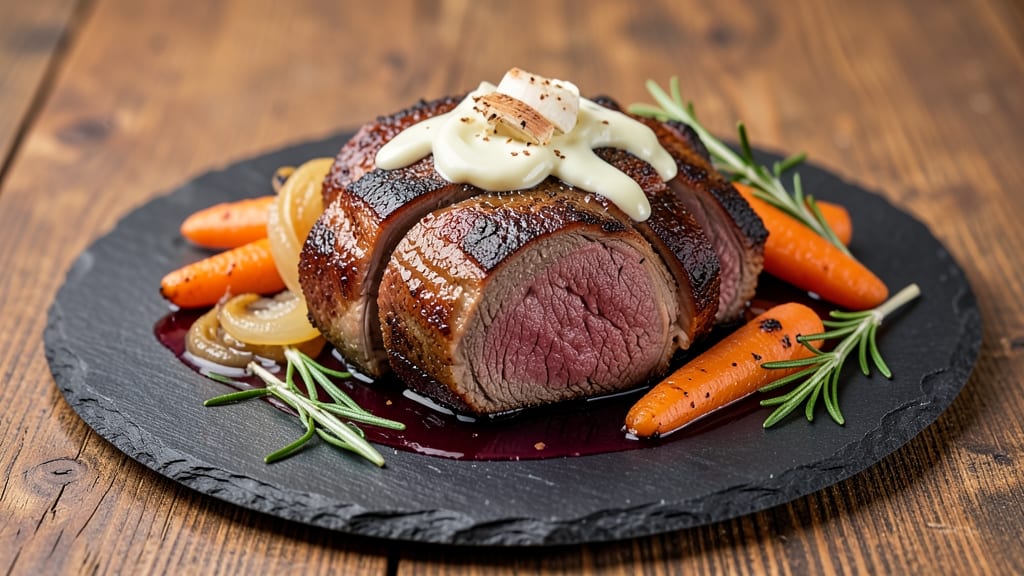
This beef Barolo recipe transforms tough cuts into melt-in-your-mouth perfection using a bold Italian wine reduction. The secret lies in slow-braising beef in rich Barolo wine, creating layers of umami and depth that elevate any dinner table. Professional chefs rely on this technique to deliver restaurant-quality results at home.
The process begins with searing the beef to lock in juices, then simmering it in a flavorful wine reduction until tender. Barolo's natural acidity and tannins break down the meat while infusing it with complex flavors.
This method transforms simple ingredients into a dish that feels luxurious yet remains approachable for home cooks.
What you'll achieve is a dish with tender, fork-tender beef swimming in a velvety wine sauce that's rich yet balanced. The aroma alone will have everyone anticipating dinner, while the texture delivers that perfect combination of crisp edges and melt-in-your-mouth centers.
Serve with creamy polenta or roasted vegetables to complete the meal.
This recipe delivers on authenticity without requiring specialized equipment. The key is patience—letting the beef and wine work together over time creates a depth of flavor that's impossible to achieve quickly. Each bite will showcase the harmony of Italian technique and bold ingredients.
Ingredients for beef barolo
Fourteen ingredients transform tough beef into restaurant-quality Barolo-braised perfection through slow simmering.
| Ingredient | Amount | Notes |
|---|---|---|
| Beef Chuck Roast 🥩 | 2 ½ lb | Pre-cut into 1.5-inch cubes |
| Dry Barolo Wine 🍷 | 2 cups | Bold, full-bodied variety |
| Beef Broth 💧 | 1 ½ cups | Low-sodium preferred |
| Yellow Onion 🧅 | 1 whole | Chopped into wedges |
| Garlic Cloves 🧄 | 6 cloves | Smashed but not minced |
| Carrots 🥕 | 2 medium | Cut into thick rounds |
| Celery Stalks 🥬 | 2 whole | Cut into 1-inch pieces |
| Tomato Paste 🍅 | 2 tbsp | Squeeze tube preferred |
| Fresh Thyme 🌿 | ½ ounce | Stems removed, leaves only |
| Fresh Rosemary 🌿 | ¼ ounce | Needle leaves only |
| Olive Oil 🫒 | 2 tbsp | Extra-virgin preferred |
| All-Purpose Flour 🌾 | 2 tbsp | For thickening sauce |
| Kosher Salt 🧂 | 1 ½ tsp | Diamond Crystal preferred |
| Freshly Ground Black Pepper 🌶️ | ½ tsp | Coarsely ground |
The beef selection is critical—chuck roast delivers the ideal texture, while sirloin or ribeye will stay too firm. For authentic Italian flavor, source your Barolo wine from a specialty store like BevMo or local Italian markets—avoid cooking wines. The wine should be bold and dry, with at least 14% alcohol for proper braising. Pre-cut beef cubes save time, but if buying whole, ask your butcher to trim excess fat—you want marbling, not excess grease. Fresh herbs (thyme and rosemary) should be vibrant green with no brown stems, indicating peak freshness. Whole Foods or local farmers' markets often carry superior quality.
No Barolo? Dry Cabernet Sauvignon or Merlot work in a pinch, but add 1 tbsp balsamic vinegar to mimic the depth. Substituting beef broth? Use low-sodium and reduce by half to maintain flavor balance. The tomato paste can be skipped entirely if you prefer a more classic preparation, but it adds a subtle sweetness that complements the wine. For the flour, all-purpose works fine, but Wondra instantized cornstarch creates a glossier sauce with less lumps. The celery and carrots should be fresh, crisp varieties—avoid woody stalks or rubbery carrots, as they'll overpower the delicate wine sauce.
This dish tastes even better the next day as flavors meld. Store in an airtight container in the fridge for up to 5 days, or freeze portions for 3 months. For reheating, add a splash of beef broth to prevent drying. The sauce thickens as it cools, so stir in extra broth if needed before serving. Leftovers reheat beautifully in a 350°F oven for 20 minutes—just cover with foil to prevent evaporation. Portion into individual containers for convenient lunches, or freeze in single-serving portions for quick meals.
Why You'll Love This Recipe
- Wine Cabinet Magic: The Barolo wine does all the heavy lifting—no fancy techniques, just sear the beef, deglaze with that rich wine, and let it slow-cook. I swear, the aroma alone makes my kitchen feel like a bistro.
- Rich Without Effort: That beef chuck roast turns impossibly tender while the Barolo’s acidity cuts through the richness—like a perfectly balanced hug in a bowl. Honestly, the first bite makes me forget I didn’t spend hours prepping.
- Weeknight or Weekend: Throw it in a slow cooker for a hands-off dinner or simmer it on the stove for a fancy-feeling meal. My college-aged kids love it for lazy Sundays, and my in-laws request it for holidays—it’s that kind of dish.
- Leftovers That Don’t Lie: The sauce gets even better the next day, and the beef? Melts off the bone. I portion it into freezer bags because, between us, I’d rather reheat this than takeout any day. Budget-friendly too—one roast feeds us for days.
Step-by-step instructions for wine-braised beef Barolo
A rich, velvety sauce and tender beef are the hallmarks of this classic Italian preparation.
Sear the Beef Chuck Roast
Heat the 2 tablespoons olive oil in a heavy Dutch oven over medium-high heat until shimmering. Working in batches to avoid crowding, add the 2.5 lb beef chuck roast cubes and sear until deeply browned on all sides—about 3-4 minutes per side. This step develops the deep, caramelized flavors that form the foundation of the sauce.
As you sear, resist the urge to move the beef too frequently. Let each piece develop a rich crust before gently turning. Once all the beef is browned, transfer it to a plate and set aside. You'll notice the pan will have a beautiful mahogany color from the caramelization—this is what we want to build upon in the next steps.
Build the Aromatic Base
In the same Dutch oven (don't wipe out the browned bits—they're packed with flavor), add the 1 whole yellow onion, 2 medium carrots, and 2 whole celery stalks cut into pieces. Cook for 5-6 minutes until the vegetables begin to soften and take on color. Add the 6 smashed garlic cloves and cook for another 30 seconds until fragrant.
This combination of vegetables creates what's called a soffritto—the aromatic base that infuses the wine and beef with deep, savory notes. The slight caramelization of these vegetables will enhance the overall depth of flavor in the finished dish. If the vegetables begin to stick, add a splash of beef broth to deglaze and scrape up those flavorful browned bits from the bottom of the pan.
Deglaze with Wine and Tomato Paste
Pour in the 2 cups dry Barolo wine, scraping up any browned bits from the bottom of the pan with a wooden spoon. Bring to a simmer and cook for 5-6 minutes until the wine reduces by about half. Stir in the 2 tablespoons tomato paste and cook for another 2 minutes until it darkens slightly and the raw taste disappears.
The wine reduction is crucial—it concentrates the flavors and creates a velvety texture in the finished sauce. This is where the Barolo's bold character comes through, adding complexity that transforms simple beef into something extraordinary. The tomato paste adds a touch of acidity and richness that balances the wine's tannins.
Braise the Beef to Tender Perfection
Return the beef to the Dutch oven and add the 1.5 cups beef broth, 1.5 teaspoons kosher salt, and 0.5 teaspoon freshly ground black pepper. Bring to a simmer, then cover and transfer to a 325°F oven. Braise for 2.5-3 hours until the beef is fork-tender and easily pulls apart.
During the braising process, the collagen in the beef will break down, creating a rich, silky sauce. The beef should be so tender that a fork slides through it with minimal resistance. If the sauce begins to reduce too much, add a splash of water or broth to maintain the proper consistency. This low-and-slow cooking method is what transforms tough chuck roast into melt-in-your-mouth beef.
Finish with Herbs and Adjust Seasoning
Remove the Dutch oven from the oven and stir in the 0.5 ounce fresh thyme and 0.25 ounce fresh rosemary. Simmer uncovered for 5-10 minutes to allow the flavors to meld and the sauce to thicken slightly. Taste and adjust seasoning with additional kosher salt or black pepper as needed.
The herbs add a bright, aromatic finish that cuts through the richness of the wine and beef. This final step ensures all the flavors are harmoniously balanced. Serve the beef immediately, spooning the sauce over each portion. The beef should be fork-tender with a rich, glossy sauce that clings beautifully to each bite. For best results, let the beef rest for 5 minutes before serving to allow the juices to redistribute.
Pro Tips For Making Beef Barolo
- Sear the Chuck Hard: I learned this the hard way—skipping the sear means flavorless braising. Use a heavy pot or Dutch oven and get that beef deep brown on all sides before adding wine. The crust locks in moisture and carries the Barolo’s richness through the cooking process.
- Deglaze with Wine, Not Water: After searing, don’t just splash in broth. Pour in the Barolo hot from the pan—it’ll loosen all those browned bits into a silky sauce. If you’re in a rush, use a mix of wine and broth, but the wine’s acidity is non-negotiable for balancing the beef’s richness.
- Onions First, Garlic Last: Sauté onions until soft and sweet—about 10 minutes—before adding garlic. If you toss in garlic too early, it burns and turns bitter. My grandmother swore by this, and she was right: the onions should be almost jammy by the time the garlic hits the pan.
- Simmer Low and Long: This isn’t a quick weeknight dish. After adding broth and wine, reduce heat to a gentle simmer—just small bubbles breaking the surface—and walk away. Two hours minimum, but three gives the Barolo time to meld with the beef instead of just steaming it. (Yes, even if you’re impatient like me.)
Wine and beer pairings for beef barolo
Barolo Wine Pairing
The star of this dish is the Barolo wine itself, so why not let it shine by serving it alongside? A bottle of the same Barolo used in the recipe—like Gaja Sperss or Bartolo Mascarello—creates a perfect harmony.
The wine's tannins and acidity mirror the dish's depth, while its dried cherry and leather notes complement the beef beautifully. 🍷
For a more budget-friendly option, try a Barbaresco or Barbera d'Asti—both share Barolo's bold structure but offer slightly lighter tannins. Avoid sweet wines or anything with residual sugar, as they'll clash with the dish's richness.
Serve the wine slightly chilled (60-65°F) to enhance its aromas and balance the meal's heartiness.
Red Wine Alternatives
If Barolo is unavailable, Cabernet Sauvignon or Syrah make excellent substitutes. A Napa Valley Cabernet with its blackcurrant and vanilla notes pairs well, while a Northern Rhône Syrah offers pepper and dark fruit that stand up to the beef.
For Italian options, Chianti Classico or Aglianico both work—just ensure they're dry and have enough acidity to cut through the sauce.
I once used a Malbec from Argentina at a dinner party, and while it wasn't traditional, the plummy fruit and soft tannins made it a crowd-pleaser.
The key is choosing a wine with structure and acidity—avoid anything too light or fruity, like Pinot Noir or Zinfandel, which might get lost in the dish's complexity.
Beer Pairings
For beer lovers, a Belgian-style Dubbel—like Westmalle Trappist—is a surprising match. Its caramel and dark fruit notes contrast the beef's richness, while the moderate alcohol (around 6.5%) cleanses the palate. A German Dunkel or Bock also works, offering malt sweetness that balances the wine's acidity.
Avoid heavy stouts or IPAs—they'll overpower the delicate sauce. Instead, opt for beers with subtle bitterness and caramel undertones, like Samuel Adams Boston Lager or Paulaner Münchner Hell. The beer's hoppy bitterness helps cut through the dish's richness without competing.
Non-Alcoholic Options
For non-drinkers, a sparkling grape juice like Martinelli's Sparkling mimics wine's acidity and bubbles. Alternatively, a dry rosé (alcohol-free) or ginger beer with lemon slices adds brightness. I've also seen success with hibiscus iced tea—its tartness and floral notes complement the beef's umami beautifully.
For a savory twist, serve olive oil-infused water with a lemon wedge and black pepper—it's refreshing and lets the dish's flavors take center stage. The key is balancing richness with something acidic or effervescent to keep the palate fresh.
Nutrition facts
Frequently asked questions
Can I use a cheaper wine instead of Barolo?
Yes! While Barolo delivers the most authentic flavor, bold dry reds like Cabernet Sauvignon or Syrah work well. For Italian options, Chianti Classico or Aglianico are great substitutes. Just avoid sweet wines or anything too light—you need enough acidity and tannins to complement the beef.
How do I know when the beef is tender enough?
The beef should be fork-tender after 2.5-3 hours of braising. Test by inserting a fork—it should slide in with minimal resistance. For extra assurance, cut into a small piece to check for tenderness. If it's still slightly firm, return it to the oven for 30 more minutes.
Can I make this recipe in a slow cooker?
Sear the beef first, then transfer everything (including the wine and broth) to a 6-quart slow cooker. Cook on Low for 7-8 hours or High for 4-5 hours. The slow cooker's gentle heat will achieve the same tender results. Just stir occasionally to prevent sticking.
What's the best way to reheat leftovers?
Reheat gently in a 350°F oven for 20 minutes covered with foil, or on the stovetop over low heat for 10 minutes. Add a splash of beef broth to prevent drying. Leftovers taste even better the next day as flavors meld further! Store in an airtight container for up to 5 days.
Why did my sauce turn out too thin?
This usually happens if the sauce simmered too long or the wine didn't reduce enough. For a quick fix, mix 1 tablespoon flour with 1 tablespoon cold water, stir into the sauce, and simmer for 2-3 minutes until thickened. Alternatively, reduce the sauce uncovered on the stovetop for 5-10 minutes to evaporate excess liquid.