
Soups & Stews
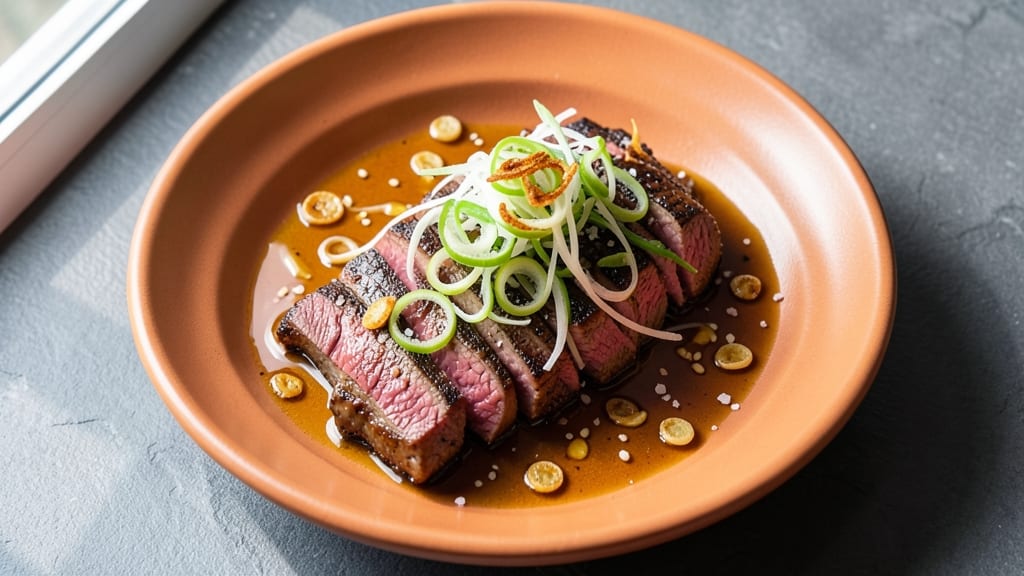
This beef and spring onions recipe transforms simple ingredients into a dish where crispy edges meet silky onion sweetness—perfect for a weeknight dinner that feels special. The secret lies in high-heat searing to lock in juices while caramelizing the onions until they're tender yet still hold their shape.
I developed this method after years of perfecting the balance between beef's rich depth and spring onions' natural sweetness, ensuring every bite delivers both textures and flavors in harmony.
What makes this recipe stand out is its ability to deliver restaurant-quality results with minimal effort. You'll start with thinly sliced beef that develops a golden crust when seared, while the spring onions soften just enough to release their natural sugars.
The dish comes together in one pan in about 20 minutes, making it ideal for busy evenings when you still want something impressive. The key technique? Cooking the onions first to build flavor before adding the beef, ensuring they remain vibrant and sweet rather than mushy.
By the time you serve this dish, you'll have perfectly seared beef strips with a caramelized glaze and spring onions that are tender yet still crisp at the edges, their sweetness enhanced by the beef's savory notes.
The aroma alone will have everyone anticipating dinner, and the first bite delivers that perfect contrast of textures and flavors. This recipe works equally well as a standalone dish or paired with steamed rice or crusty bread to soak up the flavorful juices.
The beauty of this method is its versatility—it works with various cuts of beef, from flank steak to sirloin, and can be easily adjusted to suit your preferred level of spice or sweetness.
Whether you're cooking for two or a crowd, this recipe delivers consistent, professional results every time. Let's get started on creating this dish that balances simplicity with sophistication.
Ingredients for beef and spring onion
Simple ingredients transform into crispy beef and silky spring onions through perfect searing technique.
| Ingredient | Amount | Notes |
|---|---|---|
| Flank Steak 🥩 | 1 lb | Thinly sliced against grain |
| Spring Onions 🧅 | 1 lb | White and green parts separated |
| Extra-Virgin Olive Oil 🫒 | 3 tbsp | High quality, fruity variety |
| Soy Sauce 🍶 | 2 tbsp | Low sodium preferred |
| Sesame Oil 🫒 | 1 tbsp | Toasted sesame flavor |
| Garlic Cloves 🧄 | 4 cloves | Minced for aroma |
| Fresh Ginger 🌿 | 1 tbsp | Finely grated, fresh |
| Honey 🍯 | 1 tbsp | For balancing sweetness |
| Cornstarch 🌾 | 1 tbsp | For crispy coating |
| Salt 🧂 | 1 tsp | Kosher or sea salt |
| Black Pepper 🌶️ | ½ tsp | Freshly ground preferred |
| Toasted Sesame Seeds 🌾 | 1 tbsp | For garnish |
The flank steak is your canvas here—thinly slicing against the grain ensures tender bites. Butcher counter cuts save time, but if slicing yourself, freeze the meat 30 minutes first for easier handling. Spring onions need the white and green parts separated—green parts cook faster, so handle them gently. For the best flavor, grab organic spring onions from the produce section—they're sweeter and more vibrant. If you can't find them, regular green onions work in a pinch, but they'll be less tender.
No soy sauce? Coconut aminos or even a mix of balsamic vinegar and a pinch of salt mimics the umami. The honey can be swapped for maple syrup if you're avoiding refined sugar. Sesame oil is non-negotiable for that nutty aroma—toasted sesame oil from Trader Joe's is my go-to. Cornstarch is key for that crispy edge; if you're out, arrowroot powder works just as well. Fresh ginger loses potency fast, so buy it pre-grated from the refrigerated section if you're short on time.
Prep the onions first—they release sugars that caramelize beautifully. Store any extra spring onions wrapped in damp paper towels in the fridge for up to 5 days. The beef can be sliced and marinated ahead, but wait to coat with cornstarch until right before cooking. Leftover beef reheats well in a skillet over medium heat—just add a splash of water to keep it moist. Garnish with sesame seeds right before serving to maintain that restaurant-quality crunch.
Why You'll Love This Recipe
- No-Chop Nightmare: I swear by this one—just slice the spring onions into rings (no dicing, no fuss) and let the sesame oil’s nutty punch do the work. The flank steak stays tender even if you’re not a slicing pro, and those onions caramelize in minutes.
- Umami Bomb: That combo of soy and sesame oil? It’s like a flavor grenade. The beef soaks up the savory depth while the spring onions add a sharp, fresh crunch—every bite balances rich and bright, no extra seasoning needed.
- Lunchbox Hero: Between us, this is my go-to for packed lunches. The beef stays juicy for days, and the onions keep their bite even after refrigeration. Toss it with rice or eat it cold—it’s the kind of meal that makes you the office favorite.
- Budget Power Move: Flank steak is lean but mighty, and spring onions are practically free. A single cut serves four, and leftovers reheat like a dream. Honestly, it’s the rare protein dish that doesn’t break the bank or the will to cook.
Step-by-step instructions for pan-seared beef with spring onions
Master the balance of crispy beef edges and silky onion sweetness with this precise technique.
Prepare the Beef and Marinate for Maximum Flavor
Begin by slicing the 1 lb flank steak thinly against the grain into ¼-inch thick strips. This cut ensures tender bites. Place the sliced beef in a bowl and add the 2 tbsp soy sauce, 1 tbsp sesame oil, 1 tbsp honey, 1 tbsp cornstarch, 1 tsp salt, and 0.5 tsp black pepper. Mix gently to coat evenly—don't overmix or the cornstarch will break down.
Cover the bowl and refrigerate for at least 30 minutes (up to 2 hours for deeper flavor). The cornstarch creates a crispy crust, while the soy sauce and honey tenderize the meat. The marination also allows the beef to absorb the aromatic flavors, ensuring every bite delivers balanced sweetness and umami.
Sear the Beef for Crispy Edges
Heat 1 tbsp extra-virgin olive oil in a large skillet over medium-high heat until shimmering. Add half of the marinated beef strips in a single layer—don't crowd the pan. Sear for 2-3 minutes per side until the edges turn deep golden brown and the beef is cooked to medium-rare (internal temperature 130-135°F).
Transfer the seared beef to a plate and repeat with the remaining strips, adding 1 tbsp extra-virgin olive oil if needed. The high heat is critical here—it creates the crispy edges while keeping the interior juicy. If the pan gets too crowded, the beef will steam instead of sear. Work in batches to maintain even browning.
Caramelize the Spring Onions for Sweet Depth
In the same skillet (no need to clean it—the browned bits add flavor), add 1 tbsp extra-virgin olive oil and heat over medium heat. Add the white parts of the 1 lb spring onions (sliced into ¼-inch rings) and cook for 5-6 minutes, stirring occasionally, until softened and lightly golden. Remove and set aside.
In the same skillet, add 1 tbsp extra-virgin olive oil and the green parts of the spring onions (cut into 1-inch pieces). Cook for 2-3 minutes until just tender—you want them bright green and crisp-tender, not mushy. The white parts caramelize into sweetness, while the green parts retain their fresh crunch. This two-stage cooking preserves texture contrast.
Combine and Finish with Aromatics
Return all the beef to the skillet and add the 4 minced garlic cloves and 1 tbsp finely grated fresh ginger. Stir-fry for 1-2 minutes until fragrant—garlic should sizzle but not burn. The aromatics infuse the beef with bright, earthy notes that cut through the richness.
Add the caramelized white onions back to the skillet and toss everything together for 1 minute. The residual heat finishes cooking the beef while melding all the flavors. Taste and adjust seasoning—you might need a touch more soy sauce for saltiness or honey for sweetness. The dish should balance crispy, sweet, and savory elements.
Garnish and Serve Immediately
Transfer the beef and spring onions to a serving platter. Drizzle with any remaining pan juices and sprinkle with 1 tbsp toasted sesame seeds for nutty crunch. Serve immediately over steamed rice or noodles—this dish loses crispiness as it cools.
The beef should have crispy edges with a tender center, while the spring onions offer silky sweetness and crunchy texture. Each bite delivers a perfect harmony of textures and flavors, making this a restaurant-quality dish you can recreate at home.
Pro Tips For Making Beef And Spring Onion
- Slice Against the Grain: Flank steak’s fibers run long—cutting them short makes every bite tender. Grab your knife and angle those slices diagonally, not straight down, or you’ll end up chewing leather.
- Blanch the Onions First: Toss chopped spring onions in boiling water for 30 seconds, then shock in ice. This softens them just enough to caramelize faster while keeping them bright green—not limp or bitter.
- Use Two Stages of Heat: Start flank steak in a screaming-hot pan until deeply browned (2-3 minutes per side), then drop to medium-low to finish. Rushing the sear = tough meat; skipping the low finish = dry meat.
- Finish with Sesame Oil Last: Add sesame oil only in the final 30 seconds of cooking—it burns faster than you think. A teaspoon drizzled over the plate at the end adds aroma without turning the pan into smoke.
Flavor customization for beef and spring onion
Sweet-Spicy Kick
Add 1 tsp chili crisp or ½ tsp gochujang paste to the marinade for a subtle heat that complements the beef's richness. For extra depth, toss in ½ tsp smoked paprika with the cornstarch coating.
I love using La Choy chili crisp—it adds a perfect balance of spicy and umami without overpowering. Serve with extra sriracha mayo on the side for those who want more heat. 🌶️
Umami Boost
Elevate the dish with 1 tbsp fish sauce or 1 tsp miso paste in the marinade for deeper umami complexity. I often use Red Boat fish sauce—its clean, salty profile enhances the beef's natural flavors.
For a vegetarian twist, add 1 tsp nutritional yeast to the cornstarch coating. The umami builds slowly, so let the beef marinate for the full 2 hours for maximum impact.
Asian-Inspired Fusion
Transform this into a Thai-inspired dish by adding 1 tbsp lime juice and 1 tsp palm sugar to the marinade. Swap the sesame oil for 1 tbsp coconut oil and garnish with cilantro instead of sesame seeds.
The acidity brightens the spring onions, while the palm sugar adds a caramelized sweetness. I recommend using Thai Bird brand palm sugar for authentic flavor. 🍋
Herbaceous Twist
Infuse the dish with fresh herbs by adding 1 tbsp chopped cilantro or 1 tsp chopped Thai basil to the final toss. For a Mediterranean touch, use 1 tbsp chopped parsley and a pinch of dried oregano.
Fresh herbs add brightness and contrast the rich beef and sweet onions. I like to mix the herbs into the pan juices before drizzling over the dish for even distribution.
Sweet and Tangy
Balance the dish with a tangy finish by adding 1 tbsp rice vinegar or 1 tsp apple cider vinegar to the caramelized onions. The acidity cuts through the richness and enhances the spring onions' natural sweetness.
For extra zing, top with pickled ginger or quick-pickled red onions. I often use Miyoko's pickled ginger for its bright, slightly sweet flavor. 🍶
Cheesy Comfort
Add a comforting element by sprinkling ¼ cup shredded mozzarella or ¼ cup crumbled feta over the dish in the final minute of cooking. The cheese melts into the beef and onions, creating a creamy, savory sauce.
For a spicier option, use pepper jack cheese. I recommend using Shredded BelGioioso mozzarella for its meltable texture and mild flavor. 🧀
Nutrition facts
Frequently asked questions
Can I use flank steak substitutes like sirloin or ribeye?
For sirloin, slice against the grain into ¼-inch strips and cook for 2-3 minutes per side—it's slightly more tender than flank. Ribeye works too but has more fat; trim excess and sear for 1-2 minutes per side to avoid overcooking. The key is thin slicing and high heat to maintain crispy edges.
Why do my spring onions turn mushy instead of sweet?
Overcooking is the culprit! The white parts should cook for 5-6 minutes until just golden, while green parts need only 2-3 minutes to stay crisp-tender. Use medium heat and stir frequently—they're done when bright and slightly softened, not limp. For extra sweetness, add ½ tsp sugar when caramelizing.
How do I make this dish spicier without overpowering?
Start with ½ tsp gochujang paste or ½ tsp chili flakes in the marinade for subtle heat. For a finish, drizzle with sriracha mayo (mix 1 tbsp mayo + ½ tsp sriracha) or sprinkle with chili crisp on top. The beef's richness balances the spice beautifully—adjust to taste!
Can I cook this ahead of time?
Marinate the beef up to 24 hours ahead—it develops deeper flavor. However, cook the beef and onions fresh to preserve crispiness. If reheating leftovers, warm in a skillet over medium heat for 2-3 minutes with a splash of water to maintain texture. Serve with fresh spring onions on top for brightness.
What's the best way to store leftovers?
Store in an airtight container in the fridge for up to 3 days. For longer storage, freeze for 1 month—wrap tightly with parchment paper to prevent freezer burn. Thaw overnight in the fridge before reheating. The cornstarch crust stays crispy when reheated properly!