
Soups & Stews
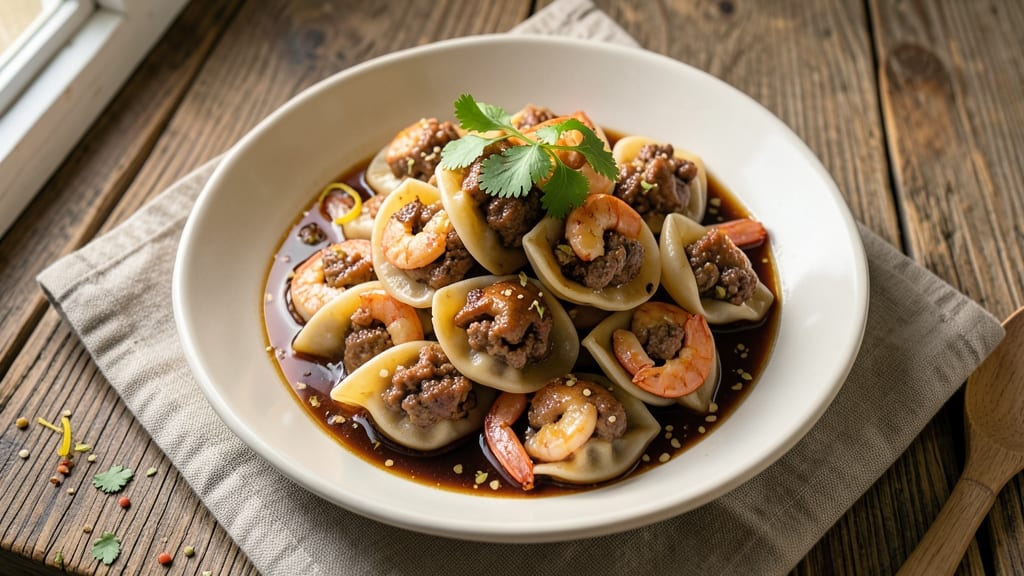
This beef and shrimp siomai recipe delivers the perfect balance of silky pork filling and tender shrimp wrapped in delicate dumpling skins—crispy when wok-fried and steam-soft inside.
The secret lies in proper folding techniques and a high-heat sear that transforms these dumplings into a restaurant-quality dish you can make at home.
We'll start with a flavorful filling of ground beef and shrimp, seasoned with aromatic garlic, ginger, and soy sauce, then carefully wrapped in siomai skins before steaming to perfection.
The key to achieving that signature crispy edge comes from a quick pan-fry in hot oil, creating a golden crust while keeping the filling tender.
What makes this recipe special is its adaptability—whether you're making a traditional beef-heavy version or a lighter shrimp-only option for pescatarian diets. The dumplings are served with a simple dipping sauce of soy, vinegar, and chili oil, adding a tangy kick to each bite.
With just a few essential ingredients and simple techniques, you'll have a plate of wok-fried siomai that's perfect for sharing. Let's get started on making these delicious dumplings from scratch!
Ingredients for beef and shrimp siomai
The perfect balance of tender beef, sweet shrimp, and crispy edges starts here—just 15 ingredients for restaurant-quality siomai.
| Ingredient | Amount | Notes |
|---|---|---|
| Ground Beef (Chuck or Sirloin) 🥩 | 1 lb | Lean, finely ground for best texture |
| Large Shrimp (Peeled and Deveined) 🦐 | 1 lb | Fresh or high-quality frozen |
| Siomai Dumpling Wrappers 🥟 | 24 pieces | Square, delicate wrappers (found in Asian markets) |
| Garlic Cloves 🧄 | 4 cloves | Minced finely for aromatic depth |
| Fresh Ginger 🌿 | 1 ½ tbsp | Grated, for zesty brightness |
| Light Soy Sauce 🍶 | 2 tbsp | Kikkoman preferred for balance |
| Dark Soy Sauce 🍶 | 1 tbsp | For deeper color and flavor |
| Sesame Oil 🌰 | 1 tbsp | Toasted for nutty aroma |
| Oyster Sauce 🍜 | 1 ½ tbsp | Rich umami depth (vegetarian version if needed) |
| Cornstarch 🌾 | 1 tbsp | For binding filling texture |
| Vegetable Oil 🫒 | ½ cup | High smoke point for frying |
| Sesame Seeds 🌰 | 1 tbsp | Toasted for garnish and crunch |
| Green Onions 🧅 | 3 whole | Thinly sliced for garnish |
| Chili Oil 🌶️ | 1 tbsp | For dipping sauce (optional) |
| Rice Vinegar 🍶 | 1 tbsp | For tangy dipping sauce |
The ground beef makes or breaks this—chuck or sirloin is ideal for that melt-in-your-mouth texture. Grab fresh shrimp from the seafood counter (ask for 21/25 count for perfect size) or use high-quality frozen if fresh isn't available. Siomai wrappers are a must—Asian grocery stores stock them fresh, but the frozen variety at Trader Joe's works too. Look for wrappers that are thin but sturdy, not brittle. For the filling, minced garlic and grated ginger should be finely chopped—food processor does the job in seconds. The soy sauces (light and dark) are non-negotiable for that signature flavor balance.
No oyster sauce? Vegan oyster sauce (like Lee Kum Kee) or a mix of soy sauce and a dash of sugar works. Short on sesame oil? Toasted peanut oil adds a similar nutty depth. The cornstarch is key—it binds the filling so it doesn’t fall apart when steaming. Vegetable oil for frying should have a high smoke point (like avocado oil), but peanut oil is classic. For the dipping sauce, chili oil can be swapped for sriracha mixed with a little oil if you’re in a pinch. The green onions should be bright green—yellowing means they’re past their prime.
Store uncooked wrappers in the fridge for up to 2 weeks or freeze for 3 months. The raw filling keeps for 2 days in the fridge—portion it into ziplock bags for easy assembly later. Cooked siomai reheats beautifully—steam for 5 minutes or pan-fry until crispy again. Freeze extras for up to 2 months by placing them on a tray first (so they don’t stick), then transfer to a bag. Pro tip: Make extra filling—it’s perfect for fried rice or noodle stir-fries too.
Why You'll Love This Recipe
- No Fuss Assembly: The wrappers are pre-made, and the filling comes together in one bowl—no rolling, no shaping. Just mix the ground beef, shrimp, minced garlic, and ginger with a pinch of salt, then spoon it in. My 10-year-old helped "stuff" them while I chatted with a friend.
- Umami Bomb: That combo of beefy richness and shrimp’s briny snap? Chef’s kiss. The ginger and garlic caramelize just enough when steamed to add a warm, aromatic depth—like a little Asian bistro flavor in every bite.
- Party in a Pan: Double the batch and freeze half for later. Perfect for game day, potlucks, or when your in-laws drop by unannounced. (Yes, even on a Tuesday night.) Serve with vinegar dip or soy sauce, and suddenly you’re the hero.
- Budget-Friendly Luxe: Ground chuck and shrimp stretch further than you’d think, especially when paired with cheap wrappers. It’s the kind of dish where you get restaurant-quality flavors without the markup—my wallet thanks me every time.
Step-by-step instructions for beef and shrimp siomai
Here's how to craft these delicate dumplings with perfect balance—silky filling and irresistible crispy edges.
Prepare the Filling Ingredients
In a large bowl, combine the 1 lb ground beef (chuck or sirloin) and 1 lb peeled and deveined shrimp. I like to break the shrimp into small pieces for even cooking. Add the 4 cloves minced garlic, 1.5 tbsp grated fresh ginger, 2 tbsp light soy sauce, 1 tbsp dark soy sauce, 1 tbsp sesame oil, and 1.5 tbsp oyster sauce. Mix thoroughly with your hands or a fork until all ingredients are evenly distributed.
Next, sprinkle the 1 tbsp cornstarch over the mixture and gently fold it in. The cornstarch helps bind the filling and gives it that signature silky texture. Let the mixture sit for 5 minutes while you prepare the wrappers—this resting time allows the flavors to meld together.
Assemble the Dumplings
Set up your workspace with the 24 siomai dumpling wrappers laid out on a clean surface. I like to work in batches of 6-8 dumplings at a time to keep things manageable. Place about 1 teaspoon of filling in the center of each wrapper—don't overfill, or the dumplings will burst when cooking.
Carefully fold the wrapper diagonally to form a triangle, then fold again into a smaller triangle. Press the edges firmly to seal, creating a neat, compact package. The key here is precision—each fold should be even to ensure consistent cooking. Place the assembled dumplings on a plate and cover with a damp towel to prevent drying.
Fry the Dumplings to Golden Perfection
Heat 0.5 cup vegetable oil in a large wok or deep skillet over medium-high heat until it shimmers but isn't smoking—you want 350°F. Working in batches of 8-10 dumplings (don't overcrowd), gently lower them into the oil using a slotted spoon. Fry for 3-4 minutes until they turn a beautiful golden brown on all sides.
Here's the thing—you'll know they're ready when the oil stops bubbling vigorously and the dumplings float slightly. If they stick, gently nudge them with the spoon to help them release. Transfer the fried dumplings to a paper towel-lined plate to drain excess oil, but don't press them—they need to stay crispy.
Prepare the Dipping Sauce and Garnish
In a small bowl, whisk together 1 tbsp rice vinegar, 1 tbsp chili oil, and 1 tbsp toasted sesame seeds for the dipping sauce. The vinegar adds a bright tang that cuts through the richness of the dumplings, while the chili oil brings just the right amount of heat. Thinly slice the 3 whole green onions and set aside for garnish.
Just before serving, sprinkle the fried dumplings with the sliced green onions and toasted sesame seeds. This final touch adds freshness and visual appeal. Serve immediately with the dipping sauce on the side—these dumplings are best enjoyed while still crispy and warm.
Pro Tips For Making Beef And Shrimp Siomai
- Chill the Shrimp First: Toss peeled shrimp in ice water for 10 minutes before using—this stops them from cooking prematurely when mixed with warm beef. I learned this the hard way when my shrimp turned rubbery mid-folding, and it’s the thing that makes the texture actually hold up during steaming.
- Pulse Garlic-Ginger Paste: Use a food processor to make a fine paste with garlic, ginger, and a splash of water—this distributes flavor evenly without chunks. My grandmother swore by this, and she was right: the filling tastes richer when every bite gets the same hit of spice.
- Don’t Overfill the Wrappers: Pack the filling just under the wrapper’s edge—overstuffing makes them burst during steaming, and that’s a mess you don’t want to clean up. Aim for a plump but not bulging dumpling, or you’ll end up with a floor full of filling instead of a plate.
- Steam in Two Batches: Crowd the steamer and the wrappers stick together, turning your siomai into a sad, glued-together blob. Split them into two layers with parchment paper between, and they’ll steam evenly without sticking—your future self will thank you.
Dietary considerations for beef and shrimp siomai
Pescatarian Adaptation
Skip the beef entirely and double the shrimp to 2 lbs for a seafood-only version. Use 2 tbsp extra light soy sauce and 1 tbsp white miso paste to boost umami depth—this balances the shrimp's natural sweetness. For extra richness, add 1 tbsp butter to the filling while cooking. 🦐
Gluten-Free Option
Replace soy sauces with 2 tbsp gluten-free tamari and 1 tbsp coconut aminos for a flavorful alternative. Use vegetarian oyster sauce (like Lee Kum Kee) and ensure your wrappers are certified gluten-free—King Noodle brand works well. Double-check all ingredients for hidden gluten in seasonings.
Low-Carb Adjustments
For a lower-carb version, reduce the filling portion to ½ teaspoon per wrapper and use low-carb siomai skins (available at specialty stores). Skip the cornstarch and replace with 1 tbsp psyllium husk powder for binding. Garnish with pickled ginger instead of green onions to keep carbs minimal.
Allergen Awareness
If shrimp allergies are a concern, swap shrimp for finely chopped chicken breast or mushrooms (for vegetarian). For sesame allergies, omit sesame oil and seeds, replacing with toasted sunflower seeds for garnish. Always check wrapper labels—some contain wheat or egg.
Protein Swaps
Need a vegetarian option? Replace beef and shrimp with 1 lb ground mushrooms and ½ lb finely chopped tofu. Add 1 tbsp nutritional yeast for a cheesy depth.
For a spicier kick, include ½ tsp chili flakes in the filling. These swaps keep the dish flavorful while accommodating dietary needs. 💫
Nutrition facts
Frequently asked questions
Can I make siomai without a wok?
A deep skillet or even a heavy-bottomed pot works perfectly! Use medium-high heat and keep the oil at 350°F—just monitor closely to avoid overcrowding. The key is maintaining consistent heat for that signature crispy edge. A nonstick pan helps too if you're worried about sticking.
How do I store leftover siomai?
Keep them crispy by storing in a single layer on a plate, then covering with a paper towel. Reheat in a 350°F oven for 5-7 minutes or pan-fry again in fresh oil for 2 minutes until golden. For longer storage, freeze uncooked siomai on a tray first (to prevent sticking), then transfer to a bag for up to 2 months.
What if my siomai wrappers tear while folding?
Don't panic! Use a small dab of water on the edges to reseal, or patch with a tiny piece of extra wrapper. For extra strength, chill the wrappers for 10 minutes before folding—they'll be less brittle. If using frozen wrappers, thaw them first in a damp towel to prevent cracking.
Can I make siomai ahead of time?
Assemble the dumplings and refrigerate for up to 24 hours before cooking. For best results, steam them first (instead of frying) to preserve texture, then pan-fry just before serving. Pro tip: Freeze uncooked siomai on a tray, then transfer to a bag—they'll reheat beautifully after steaming or frying.
What's the best way to reheat siomai?
Steam for 5 minutes in a bamboo basket to restore moisture, or pan-fry in ¼ inch of oil over medium heat for 2-3 minutes until crispy again. Microwaving works in a pinch (cover with a damp paper towel for 20 seconds**), but it won't give you that coveted crunch.