
Sauces & Condiments
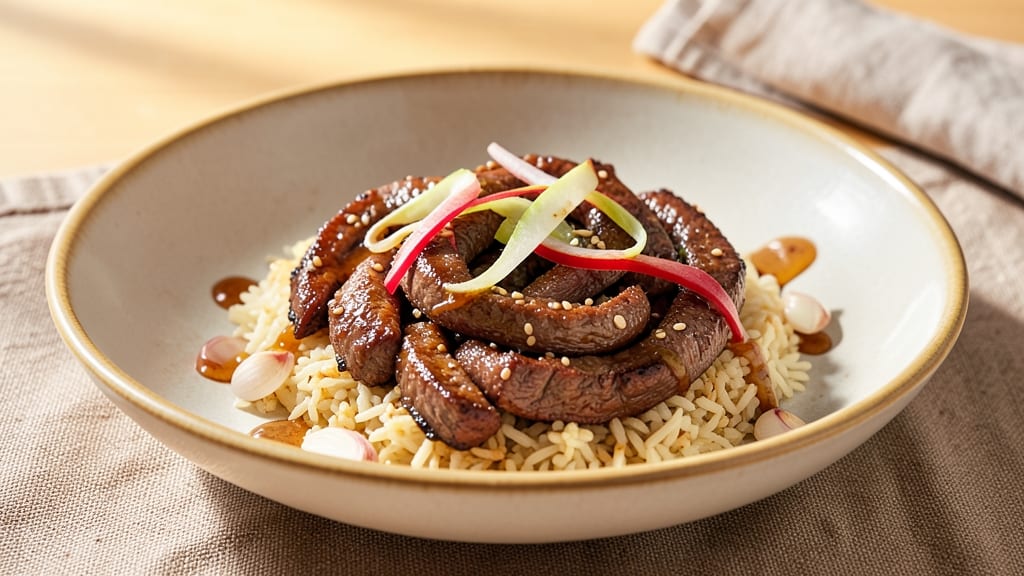
This beef and rice sauce recipe transforms simple ingredients into a rich, umami-packed condiment that elevates any dish. The secret lies in slow-cooked beef broth and toasted rice, creating a velvety texture with deep savory notes. Perfect for stir-fries, stews, or drizzling over rice, this sauce builds flavor effortlessly.
With just a few pantry staples—soy sauce, garlic, ginger, and a touch of cornstarch—you’ll achieve a glossy, restaurant-quality finish that clings beautifully to proteins and grains. Store it in the fridge for up to a week or freeze for longer use, making it the ultimate flavor booster for quick meals.
Ingredients for beef and rice sauce
Pantry staples meet deep umami—this sauce builds rich flavor effortlessly.
| Ingredient | Amount | Notes |
|---|---|---|
| Beef Broth 🍲 | 4 cups | Homemade or high-quality store-bought |
| Jasmine Rice 🍚 | ½ cup | Uncooked, long-grain preferred |
| Soy Sauce 🥢 | ⅓ cup | Light or dark variety |
| Garlic Cloves 🧄 | 6 cloves | Peeled and minced finely |
| Fresh Ginger 🌿 | 1 tbsp | Finely grated, skin removed |
| Cornstarch 🌾 | 1 tbsp | For thickening consistency |
| Sesame Oil 🫒 | 1 tbsp | Toasted for aroma |
| Sugar 🍚 | 1 tbsp | White or brown preferred |
| Green Onions 🧅 | 3 whole | White and green parts separated |
| Vegetable Oil 🫒 | 1 tbsp | For toasting rice |
The beef broth is the foundation—homemade with beef bones delivers the deepest flavor, but high-quality store-bought like Kettle & Fire works perfectly. Jasmine rice adds subtle sweetness and thickens beautifully; Day-O brand is my go-to for consistent texture. Toast the rice in vegetable oil first—this step prevents grittiness and enhances nuttiness. For ginger, organic ginger root from the produce section gives better flavor than pre-grated, but if you're short on time, Trader Joe's pre-grated is a solid backup. Always measure your cornstarch precisely; too much makes the sauce gluey, too little leaves it thin.
No soy sauce? Coconut aminos in equal parts mimics the umami, though the color will differ. Substitute sesame oil with toasted peanut oil at half the amount for a different but equally rich profile. Fresh ginger unavailable? Ground ginger at one-third the amount works in a pinch, but the texture will be coarser. The sugar balances acidity—honey or maple syrup can replace it, though sugar's neutral profile is ideal. For green onions, scallions work identically, but the white parts only should be used in the sauce base, saving the greens for garnish. If you're making a large batch, double the cornstarch and adjust gradually while testing consistency.
This sauce thickens as it cools, so test consistency before serving—add warm water, 1 tbsp at a time, if needed. Store in an airtight container in the fridge for up to 7 days, or freeze in ice cube trays for 3 months. The flavor actually improves after 24 hours as the ingredients meld. For restaurant-quality results, reheat gently over low heat and whisk in a splash of water if it thickens too much. Garnish with extra green onions or a drizzle of sesame oil before serving to elevate presentation.
Why You'll Love This Recipe
- Pantry to Plate Fast: I swear by this one when I’m starving but the fridge is empty—just broth, rice, and a few pantry staples. Toss everything in one pot, let it simmer, and boom. Done. No chopping, no fuss, just flavor.
- Umami Bomb Combo: That soy sauce and ginger? They’re the MVP here. The beef broth deepens into something rich, while the garlic adds a punch that makes every bite taste like you spent hours cooking. (Spoiler: You didn’t.)
- Lunchbox Hero: Between us, this is my go-to for meal prep. The rice stays fluffy, the sauce clings perfectly, and it reheats like a dream. Pack it cold for work or warm it up—either way, it’s a win.
- Budget Stretch King: A single batch feeds my family for days, and I’m not exaggerating. Cheap broth, affordable rice, and a splash of soy sauce turn into leftovers that still taste fresh. My wallet thanks me every time.
Step-by-step instructions for beef and rice sauce
Master this umami-rich sauce with precise technique and aromatic balance.
Toast the Jasmine Rice for Nutty Depth
Heat the 1 tablespoon vegetable oil in a heavy-bottomed pot over medium heat. Add the 0.5 cup jasmine rice and stir constantly for 2-3 minutes until the grains turn a pale golden color and release a toasted aroma. This step develops nutty undertones that elevate the sauce's complexity.
Watch the rice closely—it should smell fragrant but not brown. Over-toasting burns the rice and creates bitterness. Once toasted, immediately add the 4 cups beef broth and bring to a gentle simmer. Reduce heat to low and cover partially, allowing a 1-inch gap for steam circulation.
Simmer Rice Until Tender and Absorbent
Simmer the rice for 20-25 minutes until the liquid reduces by half and the grains are tender but still hold their shape. Stir occasionally to prevent sticking, and add ½ cup hot water if the rice appears dry before reaching 20 minutes. The sauce should thicken naturally as the rice absorbs the broth.
This slow cooking transforms the rice into a velvety base rather than mushy grains. When done, the mixture should resemble a thick porridge with a slight sheen. Remove from heat and let it sit covered for 5 minutes—this resting period allows flavors to meld completely.
Build the Umami Foundation with Aromatics
In a separate saucepan, heat 1 tablespoon sesame oil over medium-low heat. Add the 6 cloves minced garlic and 1 tablespoon finely grated ginger, cooking for 1-2 minutes until fragrant but not browned. Add the 0.33 cup soy sauce and 1 tablespoon sugar, stirring to combine. Let the mixture simmer gently for 3 minutes to develop depth.
This aromatic blend forms the sauce's flavor backbone. The sesame oil adds nutty warmth, while the garlic and ginger provide fresh brightness. The soy sauce and sugar balance saltiness with subtle sweetness. Keep the heat low to prevent burning—ginger and garlic char quickly and ruin the delicate flavors.
Thicken and Finish with Cornstarch Slurry
Return the cooked rice mixture to the saucepan with the aromatic base. Stir in the 1 tablespoon cornstarch mixed with 2 tablespoons cold water to form a slurry. Bring the sauce to a gentle boil while stirring constantly for 1-2 minutes until it thickens to a glossy, spoonable consistency.
Test the thickness by dipping a spoon in—it should coat the back smoothly without dripping. If too thick, whisk in 1 tablespoon hot water until perfect. Remove from heat and stir in the white and green parts of 3 whole green onions, chopped separately. The whites add subtle sharpness while the greens provide fresh contrast.
Rest and Adjust for Perfect Texture
Let the sauce rest for 10 minutes at room temperature. This allows the cornstarch to fully set and the flavors to harmonize. Taste and adjust seasoning: add 1 teaspoon soy sauce for more umami, or ½ teaspoon sugar if the sauce tastes too salty.
The final sauce should coat the back of a spoon with a velvety sheen, balancing rich beef broth with aromatic garlic-ginger and nutty rice. Serve immediately over stir-fries, noodles, or steamed rice for maximum flavor impact. The sauce thickens further when reheated, so adjust consistency before serving if needed.
Pro Tips For Making Beef And Rice Sauce
- Bloom the Ginger First: I learned this the hard way—raw ginger chunks in beef broth just sit there like stubborn guests. Thinly slice it (no need to peel) and let it steep in the hot broth for 5 minutes before adding anything else. The heat releases its oils faster, and your sauce gets that warm, spicy depth without overpowering the beef.
- Simmer Soy Sauce Low: Soy sauce burns faster than you’d think, especially when mixed with garlic. After adding it to the broth, reduce heat to a gentle simmer—just enough to see tiny bubbles breaking the surface. I used to rush this, and the sauce ended up bitter. Patience here makes all the difference.
- Toast Garlic Until Golden: Raw garlic in this dish tastes sharp and unfinished. Cook the minced cloves in a dry pan for 1-2 minutes until they’re golden and fragrant before tossing them into the broth. (Yes, even if you’re impatient like me.) The color change signals the flavors will meld better with the beef and rice.
- Use Day-Old Rice: Fresh jasmine rice is too wet and turns mushy when mixed with the sauce. Cook your rice a day ahead, then refrigerate it. Cold, dry grains absorb the beefy sauce like a sponge, giving you that perfect texture—no gluey mess. (Your future self will thank you.)
Make-ahead tips for this dish
Batch Prep Strategy
Make a double batch of this sauce—it’s perfect for meal prep! Cook 1 cup jasmine rice and 8 cups beef broth to create enough for 4 servings (about 1.5 cups total).
Store in glass airtight containers (I love Le Parfait jars) in the fridge for up to 7 days. The flavor actually deepens as it sits, so leftovers taste even better the next day. ✨
Freezing for Long-Term Use
Portion the sauce into ice cube trays before freezing—each cube equals 1 tablespoon, making it easy to thaw exactly what you need. Once frozen, transfer cubes to a ziplock bag and label with the date.
Thaw overnight in the fridge, then reheat gently on the stovetop with a splash of water to restore its glossy texture. Frozen sauce keeps for 3 months without losing quality. ❄️
Reheating Like a Pro
Never microwave this sauce—it breaks down the cornstarch and makes it grainy. Instead, heat in a small saucepan over low-medium heat, stirring constantly. If it thickens too much, whisk in 1 teaspoon hot water until smooth.
For restaurant-quality results, strain through a fine-mesh sieve to remove any rice grains before serving. A quick drizzle of toasted sesame oil revives its aroma if it’s been stored for a while. 🔥
Sauce Versatility Hacks
Use this sauce in 3 unexpected ways: drizzle over grilled beef skewers, stir into ramen broth, or mix with egg yolks to make a quick beef and rice sauce omelet.
For extra richness, add 1 tablespoon miso paste when reheating. The sauce also makes an amazing marinade for chicken or tofu—just thin it with 2 tablespoons water before using. 💡
Garnish Game-Changers
Elevate presentation with 3 simple garnishes: sprinkle toasted sesame seeds for crunch, add thinly sliced scallions, or finish with a drizzle of chili oil for heat.
For a smoky twist, top with crumbled bacon or fried shallots. These additions not only look stunning but also balance the sauce’s depth with contrasting textures. 🌟
Flavor Boosts for Leftovers
If your sauce tastes flat after storage, revive it with 1 teaspoon fish sauce (for umami) or a pinch of white pepper. For a sweeter profile, stir in ½ teaspoon honey.
If the rice grains separate, blend briefly with an immersion blender for a smoother texture. These tweaks turn tired leftovers into a flavor explosion. 💪
Nutrition facts
Frequently asked questions
Can I make this sauce without rice?
The rice is key for that signature velvety texture and subtle sweetness, but you can substitute it with ½ cup cooked quinoa or ½ cup cooked barley for a similar thickening effect. Just reduce the beef broth to 3 cups to maintain balance. The sauce will still develop umami, though the flavor profile will be slightly different.
How do I adjust the thickness for different dishes?
This sauce is designed to be versatile—thin it with 1 tablespoon warm water for stir-fries or drizzling, or leave it as-is for noodle dishes. For a thicker consistency (like a glaze), simmer uncovered for 2-3 extra minutes or add ½ teaspoon more cornstarch mixed with water. Always test by coating the back of a spoon.
What’s the best way to use leftover sauce?
Leftover sauce is even more flavorful! Use it as a marinade for beef or chicken, stir into ramen or pho broth, or drizzle over steamed dumplings. For extra richness, reheat with 1 teaspoon fish sauce or a pinch of white pepper. It also makes a fantastic sloppy joe sauce—just thin with a splash of beef broth.
Why did my sauce turn out too salty?
Soy sauce is the main culprit—reduce it to ⅓ cup if you prefer milder flavor. To fix an overly salty sauce, stir in ½ teaspoon sugar or 1 tablespoon warm water to dilute. If it’s still too strong, thin with 2 tablespoons beef broth and adjust seasoning. Always taste as you go!
Can I make this sauce vegetarian?
Replace the beef broth with 4 cups vegetable broth and add 1 tablespoon miso paste for umami depth. Swap the soy sauce for coconut aminos and use 1 teaspoon nutritional yeast to enhance savory notes. The rice and aromatics will still shine, creating a delicious plant-based version.