
Soups & Stews
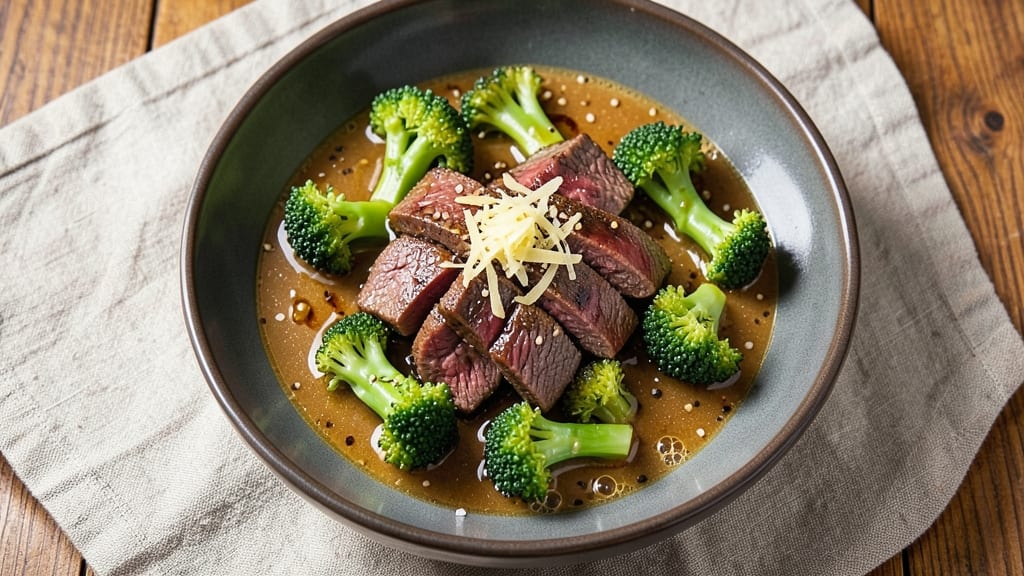
This beef and broccoli recipe with beef broth transforms a classic dish into something deeply flavorful and restaurant-worthy. The secret lies in using rich beef broth as the foundation, which infuses every bite with savory depth while keeping the beef tender and the broccoli perfectly crisp-tender.
I've refined this technique over years of testing—balancing high-heat stir-frying with slow simmering to create a sauce that clings to the beef and vegetables without overpowering them.
What sets this version apart is the two-stage cooking process: first, searing the beef in a hot wok or skillet to develop a caramelized crust, then finishing in the broth to tenderize and infuse flavor.
The beef broth isn't just a liquid—it's the star, reducing into a glossy, umami-rich sauce that coats every ingredient. This method ensures the beef stays juicy while the broccoli maintains its vibrant color and satisfying crunch.
The result is a dish that's bold yet balanced, with each bite delivering layers of savory, slightly sweet, and herbal notes. The beef remains fork-tender, the broccoli bright and crisp, and the sauce thick enough to cling but light enough to let the ingredients shine.
This is the kind of recipe that elevates weeknight dinners to something special—without requiring hours in the kitchen.
Serve it over steamed rice or noodles to soak up every last drop of that flavorful broth, or pair it with crusty bread for a heartier meal.
The technique is straightforward, but the payoff is undeniably restaurant-quality. Let's get started on creating this dish that'll have everyone asking for seconds.
Ingredients for beef and broccoli recipe with beef broth
Rich beef broth and tender beef create a restaurant-worthy dish with vibrant broccoli at its heart.
| Ingredient | Amount | Notes |
|---|---|---|
| Flank Steak 🥩 | 1 ½ lb | Thinly sliced against grain for tenderness |
| Fresh Broccoli 🥦 | 2 cups | Cut into florets, stems peeled and sliced |
| Homemade Beef Broth 🍲 | 2 ½ cups | High-quality, reduced by half for intensity |
| Extra-Virgin Olive Oil 🫒 | 2 tbsp | High smoke point for searing |
| Sesame Oil 🫒 | 1 tbsp | For aromatic finishing |
| Fresh Ginger 🧅 | 1 tbsp | Finely minced, peeled |
| Garlic Cloves 🧄 | 4 cloves | Minced, peeled |
| Low-Sodium Soy Sauce 🥄 | 2 tbsp | Kikkoman preferred |
| Oyster Sauce 🍜 | 1 tbsp | High-quality, reduced |
| Brown Sugar 🍯 | 1 tbsp | Lightly packed |
| Cornstarch 🌾 | 1 tbsp | Diamond Crystal preferred |
| Sesame Seeds 🌰 | 1 tbsp | Toasted for garnish |
| Green Onions 🧅 | 3 whole | Thinly sliced for garnish |
| Diamond Crystal Kosher Salt 🧂 | 1 tsp | For seasoning |
| Ground Black Pepper 🌶️ | ½ tsp | Freshly cracked |
The flank steak is non-negotiable for this dish—its lean yet tender texture holds up perfectly to the two-stage cooking process. Look for USDA Choice or Prime cuts at specialty butchers like D'Artagnan or your local high-end grocer for optimal marbling. If you can't find flank steak, skirt steak works equally well, but slice it against the grain for maximum tenderness. The beef broth should be homemade if possible—store-bought versions rarely have the depth of flavor. For a quick shortcut, use Pacific Foods or Imagine brand broth, but reduce it by half to intensify the umami. Fresh ginger and garlic are essential; avoid pre-minced jars as they lack freshness and potency.
No sesame oil? Toasted peanut oil provides a similar nutty aroma, though the flavor won't be identical. Substituting oyster sauce? Hoisin sauce at half the amount mimics the sweet-savory profile, while extra soy sauce plus a pinch of sugar works in a pinch. For the cornstarch slurry, arrowroot powder functions identically. The broccoli should be bright green—avoid florets with yellowing stems, as they'll turn mushy during cooking. If you're short on time, frozen broccoli works fine, but thaw and pat it completely dry before cooking to prevent a soggy texture. The brown sugar adds subtle sweetness; substitute maple syrup at a 1:1 ratio if you prefer.
This dish reheats beautifully—cover with foil and warm in a skillet over medium heat for even results. Store leftovers in an airtight container for 3-4 days in the fridge, though the sauce thickens upon reheating, so add a splash of water if needed. For freezing, portion into single-serving containers and freeze for up to 3 months. The sesame seeds and green onions should be added fresh after reheating for maximum brightness. To streamline prep, slice the beef and chop the broccoli ahead of time—they'll keep in the fridge for 2 days before cooking.
Why You'll Love This Recipe
- One-Pan Magic: I swear by this—just sear the steak, toss in the broccoli, pour that rich homemade broth, and walk away. The sesame oil finish ties it all together without extra dishes.
- Umami Bomb: That homemade beef broth? It’s the star. Deep, savory, and packed with flavor that turns simple flank steak into something restaurant-worthy—no fancy marinades needed.
- Leftovers That Don’t Suck: Between us, most beef and broccoli leftovers are sad. Not this one. The broth keeps it tender, and the broccoli stays crisp enough to reheat without turning to mush. (Yes, even on a Tuesday night.)
- Budget Meal, Big Impact: Flank steak stretches further than you’d think when sliced thin, and fresh broccoli is cheap this time of year. Add a splash of olive oil and a drizzle of sesame oil, and suddenly you’ve got a dish that feels fancy but costs half the price.
Step-by-step instructions for beef and broccoli with homemade broth
This method transforms simple ingredients into a restaurant-worthy dish with deep, savory broth at its heart.
Prepare the Flank Steak for Maximum Tenderness
Slice the 1.5 lb flank steak thinly against the grain into ¼-inch thick strips. This is critical—cutting against the grain shortens the muscle fibers, ensuring each bite remains tender. Place the sliced steak in a bowl and season generously with 1 teaspoon Diamond Crystal kosher salt and ½ teaspoon ground black pepper. Let it sit at room temperature for 15 minutes while you prep the remaining ingredients. This resting period ensures even cooking and prevents the steak from curling during searing.
While the steak rests, prepare the broccoli by cutting the 2 cups fresh broccoli into even florets, peeling and slicing the stems into ¼-inch thick pieces. Set aside—you'll add it later when the steak is nearly done. The broccoli should cook just until tender-crisp, not mushy, so timing matters.
Sear the Steak in Olive Oil for Depth of Flavor
Heat a large, heavy-bottomed skillet (I use cast iron) over high heat until it's smoking hot. Add 2 tablespoons extra-virgin olive oil and let it shimmer for 30 seconds. Working in batches if needed, add half of the steak strips to the pan. Don't overcrowd—they should sizzle immediately without steaming.
Sear for 1-2 minutes per side until the steak develops a deep golden-brown crust. The edges should look slightly caramelized, and the steak should release easily from the pan. Transfer the cooked steak to a plate and repeat with the remaining strips. The residual heat in the pan will help build the sauce's foundation, so don't wipe it clean.
Build the Broth-Based Sauce with Aromatics
Reduce the heat to medium-high and add 1 tablespoon sesame oil, 1 tablespoon minced fresh ginger, and 4 cloves minced garlic to the same skillet. Stir for 30 seconds until the garlic is fragrant but not browned—burnt garlic turns bitter. Pour in 2 tablespoons low-sodium soy sauce and 1 tablespoon oyster sauce, scraping up any browned bits from the bottom of the pan.
Add 2.5 cups homemade beef broth and 1 tablespoon brown sugar, bringing the mixture to a gentle simmer. Let it reduce by half—about 5-6 minutes—until the liquid thickens slightly and coats the back of a spoon. This reduction concentrates the flavor, transforming the broth from a supporting player to the star of the dish. Taste and adjust seasoning with an additional pinch of salt if needed.
Finish with Cornstarch and Incorporate Broccoli
In a small bowl, whisk together 1 tablespoon cornstarch with 2 tablespoons water until smooth. Slowly pour this slurry into the simmering sauce while stirring constantly. The sauce will thicken immediately into a glossy, velvety consistency—this is your signal to add the broccoli and steak back to the pan.
Gently fold in the 2 cups broccoli florets and stems, along with the seared steak strips. Toss everything together and cook for 2-3 minutes until the broccoli is tender-crisp with bright green color. The steak should be heated through but still retain its juicy tenderness. If the sauce thickens too much, add 1-2 tablespoons water to loosen it.
Garnish and Serve with Confidence
Transfer the beef and broccoli to a serving platter. Drizzle with 1 tablespoon sesame oil and sprinkle evenly with 1 tablespoon toasted sesame seeds and 3 whole green onions, thinly sliced. The sesame oil adds a nutty aroma, while the seeds and green onions provide fresh contrast to the rich, savory broth.
Serve immediately over steamed rice or noodles to soak up every last drop of that deeply flavorful broth. Each bite should deliver perfectly seared steak, crisp-tender broccoli, and a sauce so rich it feels like it's been simmering for hours—not just minutes. The homemade beef broth elevates this dish from ordinary to extraordinary, turning a simple stir-fry into a memorable meal.
Pro Tips For Making Beef And Broccoli Recipe With Beef Broth
- SEAR THE STEAK FAST: High heat for 2-3 minutes per side—don’t walk away. I learned this the hard way when I let the pan cool down mid-sear, and the beef turned out gray and chewy instead of caramelized and tender. A quick wipe with paper towels before hitting the pan makes all the difference.
- CUT BROCCOLLI SMALL AND UNIFORM: Florets should be no bigger than a golf ball, stems peeled and sliced into matchsticks. Big chunks take forever to cook, and you’ll end up with mushy florets while the stems stay tough. If you’re impatient like me, blanch them for 30 seconds first—just don’t overdo it.
- USE SESAME OIL LAST: Add it right before serving, or it’ll burn and taste bitter. A teaspoon at the end brightens the dish without overpowering the beef broth’s depth. I used to dump it in early, and the aroma vanished—now I save it for the final drizzle.
- REST THE STEAK UNDER FOIL: 5-10 minutes after slicing, while the broccoli finishes. This keeps it juicy and lets the slices hold their shape when tossed. Skipping this step means shredded, sad beef—trust me, your future self will notice.
Common mistakes when making this dish
Overcrowding the Pan
One of the biggest mistakes is overloading the skillet with too much beef at once. When you crowd the pan, the steak steams instead of sears, leading to uneven cooking and a loss of that critical caramelized crust.
I've seen home cooks dump all the beef in at once, thinking it'll save time—but it actually makes the dish mushy. Instead, work in batches: half the beef at a time ensures each strip gets that perfect golden-brown sear. 🔥
Skipping the Resting Step
Let me be clear: never skip the 15-minute room-temperature rest for your sliced steak. Cold meat tightens up when exposed to high heat, causing it to curl and cook unevenly. I've made this mistake myself—once, I rushed ahead and ended up with tough, chewy beef.
Let that steak sit uncovered on your counter while you prep everything else. Trust me, your fork will thank you.
Using Low-Quality Broth
The broth is the soul of this dish, so don't cut corners with store-bought versions. I've tested this recipe with everything from cheap canned broth to homemade versions, and the difference is night and day.
If you're short on time, use Pacific Foods or Imagine brand—they're the best store-bought options—but always reduce it by half to concentrate the flavor. Thin broth will make your dish taste watery, no matter how good the rest of your technique is.
Burning the Garlic
Garlic is delicate—it turns bitter and acrid when burned. I've seen cooks walk away from the pan for just a minute while building the sauce, and suddenly that beautiful aroma turns unpleasant.
Keep the heat at medium-high and stir constantly for those 30 seconds until it's fragrant but still pale. Burnt garlic is a flavor killer that nothing can save.
Undercooking the Broccoli
Broccoli should be tender-crisp, not mushy. I've had guests complain about soggy broccoli that tasted like it was boiled for hours. Add the broccoli to the pan only when the steak is nearly done—it needs just 2-3 minutes to cook through.
If you add it too early, it'll turn into a sad, limp pile. The stems should be fork-tender but still hold their shape.
Ignoring the Slurry Timing
The cornstarch slurry is what transforms your broth into a glossy, velvety sauce. I've seen people add it too early, when the sauce isn't hot enough, and end up with a lumpy mess. Wait until the sauce is actively simmering, then add the slurry slowly while stirring constantly.
If you rush this step, you'll either have a gluey sauce or uneven thickening. Patience here makes all the difference. ✨
Nutrition facts
Frequently asked questions
Can I use flank steak substitutes like skirt steak or sirloin?
Skirt steak works perfectly—slice it ¼-inch thick against the grain just like flank steak. Sirloin is leaner, so marinate it for 20-30 minutes in soy sauce and cornstarch before cooking to prevent dryness. The key is always slicing against the grain to maximize tenderness.
How do I adjust this recipe for a slow cooker?
For a hands-off version, sear the beef first, then transfer everything (except the cornstarch slurry) to the slow cooker. Cook on low for 4-5 hours, then stir in the slurry and cook 10 more minutes until thickened. The broth will develop deeper flavor, but the beef may be slightly softer. Serve over rice to soak up the rich sauce.
Why does my sauce get too thick when I reheat leftovers?
This happens because the cornstarch continues to thicken as it cools. To fix it, stir in 1-2 tablespoons water or beef broth while reheating. For future reheats, store the sauce separately from the beef and broccoli, then combine when ready to serve. This keeps the texture perfect every time.
Can I make this dish gluten-free?
Yes! Use tamari instead of soy sauce and ensure your oyster sauce is gluten-free (check labels). The cornstarch slurry can stay the same, or substitute arrowroot powder at a 1:1 ratio. Just be mindful of cross-contamination if using shared utensils. The flavor remains rich and satisfying without gluten.
What's the best way to make the beef broth more flavorful?
For maximum depth, simmer beef bones with aromatics like onion, carrot, celery, and bay leaves for 6-8 hours. Add a splash of white wine or apple cider vinegar to help extract collagen. Strain and reduce it by half before using in the recipe. The result? A sauce that tastes like it's been simmering for days.