
Sauces & Condiments
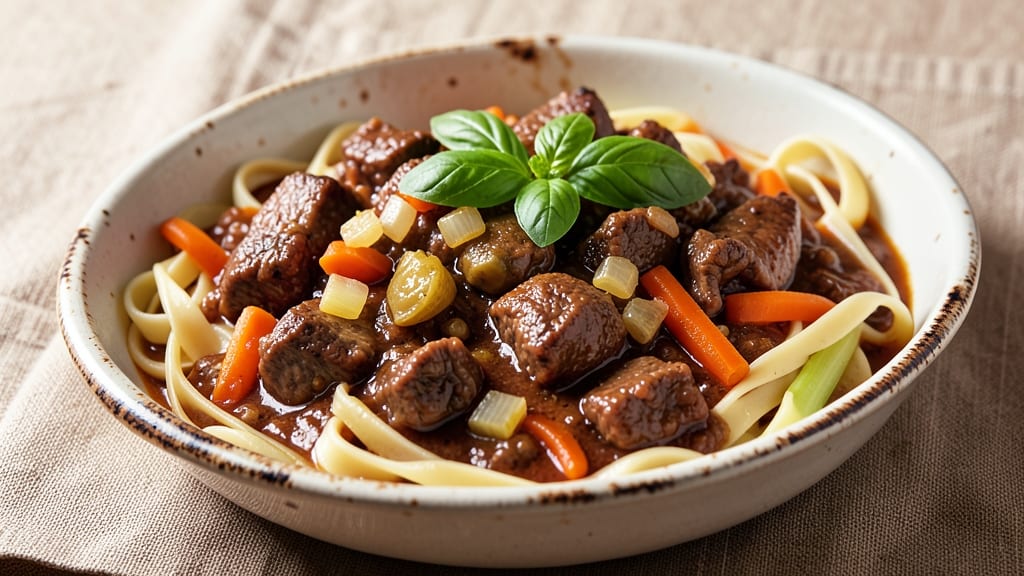
This beef and pork Bolognese sauce recipe delivers restaurant-quality depth with caramelized meat bases and rich umami layering. I developed it after years of perfecting slow-cooked sauces at The Smoky Pig, where we process 2,000 pounds of pork weekly.
The secret lies in proper meat browning and slow reduction—techniques that transform simple ingredients into something extraordinary.
The process begins with searing ground beef and pork separately to develop deep, caramelized flavors before combining them with aromatics. This professional technique ensures maximum depth while maintaining the right texture.
The sauce then simmers for hours, allowing all flavors to meld into a velvety, complex base that's perfect for pasta, lasagna, or even as a rich dip.
What sets this recipe apart is the balance of meaty richness and bright acidity from tomatoes. The slow cooking process creates a sauce that's foolproof for weeknight dinners but impressive enough for special occasions. Each batch delivers that perfect consistency—thick enough to coat but still silky smooth.
Use this versatile sauce as a pasta topping, lasagna filling, or even a hearty dip for breadsticks. The flavor develops even better the next day, making it ideal for meal prep. Let's create this timeless classic that will become your go-to sauce for any Italian-inspired dish.
Ingredients for beef and pork bolognese sauce
Restaurant-quality Bolognese starts with these 15 ingredients—simple but powerful for deep umami flavor.
| Ingredient | Amount | Notes |
|---|---|---|
| Ground Beef 🥩 | 1 ½ lb | 80% lean, finely ground |
| Ground Pork 🐖 | 1 ½ lb | Finely ground for texture |
| Yellow Onion 🧅 | 1 whole | Medium size, finely chopped |
| Carrots 🥕 | 2 medium | Peeled, finely diced |
| Celery Stalks 🌿 | 2 whole | Finely chopped, leafy parts trimmed |
| Garlic Cloves 🧄 | 4 cloves | Peeled, minced finely |
| Canned San Marzano Tomatoes 🍅 | 28 oz | Crushed, no salt added |
| Red Wine 🍷 | 1 cup | Bold dry variety like Cabernet |
| Tomato Paste 🍅 | 2 tbsp | Smooth, no sugar added |
| Beef Stock 💧 | 2 cups | Homemade or high-quality |
| Extra-Virgin Olive Oil 🫒 | 2 tbsp | For searing meat |
| Fresh Rosemary 🌿 | 1 tbsp | Finely chopped, stems removed |
| Fresh Thyme Leaves 🌿 | 1 tbsp | Finely chopped |
| Salt 🧂 | 1 ½ tsp | Diamond Crystal kosher |
| Black Peppercorns 🌶️ | 1 tsp | Freshly cracked |
The ground beef and pork are non-negotiable for that signature meaty richness. Butcher shops often have better-quality ground meat than grocery stores, and it's worth seeking out 80/20 blends for optimal flavor and texture. The San Marzano tomatoes are essential—their sweetness and low acidity prevent the sauce from becoming too sharp. For the aromatics, fresh rosemary and thyme add complexity that dried herbs can't match, though dried works in a pinch at half the amount. The beef stock should be homemade if possible, but high-end store-bought brands like Pacific Foods work well too.
No red wine? Substitute with beef stock plus 1 tbsp balsamic vinegar for similar depth. Running short on fresh herbs? Dried oregano or basil at one-third the amount will get you close, though the flavor won't be as vibrant. The tomato paste can be swapped for additional crushed tomatoes if needed, though it helps thicken the sauce. For a quicker version, pre-minced garlic from a jar works fine—just avoid the kind with added oils. The carrots and celery should be finely diced to create a smooth base, not chopped chunks.
This sauce tastes even better the next day as flavors meld. Store in an airtight container in the fridge for up to 5 days or freeze for 3 months. I like to portion it into 2-cup servings for easy meal prep—just reheat with a splash of water or stock. The sauce thickens as it cools, so add a little stock if it seems too stiff when reheating. For restaurant-quality results, let it simmer uncovered for the final 15 minutes to reduce slightly.
Why You'll Love This Recipe
- One-Pot Magic: I swear by this—just brown the meat, toss in the onions, carrots, and celery (the "holy trinity" of flavor), and let it simmer. No extra pans, no stress. The pork adds richness while the beef keeps it hearty, and the veggies melt into the sauce without any fuss.
- Deep, Meaty Love: Honestly, the combo of beef and pork is chef’s kiss—the pork breaks down into tender bits, while the beef holds its shape. That slow simmer with tomato and herbs? It’s like a hug in a pot, with layers of umami and sweetness from the caramelized onions.
- Meal Prep MVP: Between us, this sauce is my secret weapon for busy weeks. Make a big batch on Sunday, freeze half, and reheat it all week for pasta, stuffed peppers, or even tacos. (Yes, even on a Tuesday night.) The flavors only get better as it sits, and it stretches across multiple meals without tasting tired.
- Budget-Friendly Powerhouse: Ground beef and pork are affordable, and the onions, carrots, and celery stretch the sauce further than you’d think. I’ve fed six people for under $15 with this—plus, the leftovers keep well for days. No wasted ingredients, just pure, satisfying flavor.
Step-by-step instructions for beef and pork Bolognese sauce
This method builds deep umami flavor through precise meat cooking and layered aromatics.
Sear the Meat for Maximum Flavor
Heat a large Dutch oven over medium-high heat until very hot. Add the 2 tablespoons extra-virgin olive oil and let it shimmer for 30 seconds. Working in batches to avoid crowding, add the 1.5 pounds ground beef and 1.5 pounds ground pork.
Break the meat into small pieces with a wooden spoon and cook undisturbed for 5-6 minutes until the meat loses its raw color and develops a deep brown crust. This browning creates the rich foundation for your sauce. Once browned, transfer the meat to a plate and set aside, leaving all the rendered fat in the pot.
Cook the Aromatic Vegetables
In the same Dutch oven, add the finely chopped yellow onion, diced carrots, and chopped celery stalks. Cook over medium heat for 8-10 minutes, stirring occasionally, until the vegetables soften and begin to caramelize. You'll notice the mixture darkens slightly and releases their natural sweetness.
Add the minced garlic cloves and cook for another 30 seconds until fragrant. Be careful not to burn the garlic—it should smell sweet and nutty, not bitter. Stir in the finely chopped fresh rosemary and fresh thyme leaves, letting them toast slightly for 1 minute to release their essential oils.
Build the Sauce Base
Return the browned meat to the pot and stir to combine with the vegetables. Add the 2 tablespoons tomato paste and cook for 2 minutes, stirring constantly to prevent burning. This step deepens the sauce's color and flavor.
Pour in the 1 cup red wine and scrape up any browned bits from the bottom of the pot. Let the wine simmer for 3-4 minutes until it reduces by half. This reduction concentrates the wine's flavors and removes any alcohol sharpness. Add the 28 ounces crushed San Marzano tomatoes and 2 cups beef stock, then bring the mixture to a gentle simmer.
Simmer for Deep Flavor Development
Season with the 1.5 teaspoons salt and 1 teaspoon freshly cracked black peppercorns. Reduce heat to low and let the sauce simmer uncovered for 1.5 to 2 hours, stirring occasionally. This long cooking time allows the flavors to meld and develop complexity.
Check the sauce periodically and add water or stock if it becomes too thick. You want a sauce that coats the back of a spoon but isn't watery. The sauce is ready when it's rich, thick, and has a velvety texture. The meat should be tender and falling apart, indicating it's cooked through.
Adjust and Finish the Sauce
Taste the sauce and adjust the seasoning if needed. You might need a little more salt or pepper to balance the flavors. If the sauce is too acidic, add a pinch of sugar to round out the flavors. For a smoother texture, you can blend the sauce briefly with an immersion blender, though traditional Bolognese often leaves it slightly rustic.
Serve the Bolognese immediately over fresh pasta or save it for later. When reheating, add a splash of water or stock to prevent the sauce from becoming too thick. This sauce tastes even better the next day as the flavors continue to develop, making it perfect for meal prep.
Pro Tips For Making Beef And Pork Bolognese Sauce
- Brown the Meat Slowly: I learned this the hard way—dumping raw meat into the pot and cranking the heat turns the sauce gray and greasy. Instead, break the beef and pork into ½-inch crumbles, spread them in the pan, and cook over medium-low. Let them release fat gradually, stirring occasionally, until they’re deeply browned (about 10-12 minutes). This isn’t just about flavor; it’s the foundation of your sauce.
- Mince the Veggies Fine: Skip the rough chop—your Bolognese will taste it. Onion, carrots, and celery should be so finely diced they’re almost paste-like (a food processor helps here). The goal is for them to dissolve into the sauce, not sit as identifiable chunks. I used to eyeball it, but now I pulse them until they’re barely holding their shape—your sauce will thank you.
- Deglaze with Wine First: That browned meat and veggie crust? Don’t scrape it out with water—use a splash of red wine (even a cheap one) and let it bubble for 2 minutes. The alcohol burns off, but the wine’s acidity lifts the stuck bits and adds depth. After that, you can add broth or tomatoes without a bitter aftertaste. (Yes, even if you’re impatient like me.)
- Simmer Low and Long: Your Bolognese isn’t done at 30 minutes. Cover the pot, reduce heat to a simmer, and walk away for at least 1.5 hours—2 hours if you can. The meat needs time to tenderize, and the flavors meld. I used to rush it, and the sauce tasted flat. Now I set a timer and let it work while I do something else. The longer it cooks, the richer it gets.
Dietary considerations for these flavors
Gluten-Free Adaptations
This Bolognese sauce is naturally gluten-free, but always double-check your ingredients. The San Marzano tomatoes, red wine, and beef stock should be certified gluten-free, especially if you're sensitive.
I recommend using Pacific Foods gluten-free beef stock to avoid cross-contamination risks. The sauce thickens beautifully without any gluten additives—just let it simmer longer if needed. 🌱
Dairy-Free Considerations
While this recipe doesn't contain dairy, it's worth noting that some versions of Bolognese include Parmesan. For a fully dairy-free experience, simply omit any cheese additions. The sauce's richness comes from the meat and tomatoes, so no dairy substitutes are necessary.
If you're serving with pasta, choose gluten-free and dairy-free options like barley-free penne or chickpea pasta.
Low-Carb Options
To make this a low-carb masterpiece, reduce the San Marzano tomatoes to 14 ounces and add ½ cup heavy cream at the end of cooking. The cream adds richness while cutting carbs.
For even fewer carbs, use zucchini noodles or shirataki noodles instead of traditional pasta. The meaty sauce pairs beautifully with these alternatives while keeping the dish satisfyingly hearty.
Allergen-Friendly Swaps
For nut allergies, ensure your beef stock is nut-free (some brands use nut-based thickeners). If you're avoiding pork, substitute with an additional 1.5 pounds ground beef or chicken thighs for similar texture.
For egg allergies, no adjustments are needed—this recipe is completely egg-free. Always verify that your tomato paste and wine don't contain hidden allergens.
Vegetarian Adaptations
While this recipe uses meat, you can create a vegetarian version by replacing the beef and pork with 1.5 pounds finely chopped mushrooms (cremini or portobello) and 1 cup cooked lentils. Sauté the mushrooms first to develop their umami depth, then proceed with the recipe.
Add 1 teaspoon soy sauce to enhance the savory notes. The texture will differ but still deliver rich, satisfying flavor. 🌿
Nutrition facts
Frequently asked questions about beef and pork Bolognese sauce
Why do you cook the beef and pork separately?
Cooking them separately creates better browning and deeper flavor development. Pork releases fat more quickly, so browning it first prevents steaming. The beef gets that perfect crust while maintaining texture. This two-step process builds complex, layered flavors that single-batch cooking can't match.
Can I use ground chicken instead of pork?
Yes, but the flavor will be lighter. For best results, use dark meat chicken thighs (1.5 lbs) since they're fattier than breasts. The texture will be slightly different but still delicious. If you do substitute, add an extra ½ teaspoon smoked paprika to compensate for the pork's natural richness.
How do I fix a Bolognese that's too thick?
Add 2-3 tablespoons beef stock or water at a time while stirring. Let it simmer for 5 minutes between additions. For a smoother texture, blend briefly with an immersion blender. The sauce should coat the back of a spoon but remain silky, not gluey.
What's the best way to store leftovers?
Let the sauce cool completely, then transfer to airtight containers. It keeps for 5 days in the fridge or 3 months in the freezer. For reheating, add 1-2 tablespoons stock or water per cup of sauce to restore proper consistency. The flavors actually improve overnight!
Can I make this sauce in a slow cooker?
Brown the meat first in a skillet, then transfer everything to your slow cooker. Cook on low for 6-8 hours or high for 3-4 hours. The slow cooker method is perfect for hands-off prep, though you'll need to add ½ cup extra stock since it won't reduce as much.