
Soups & Stews
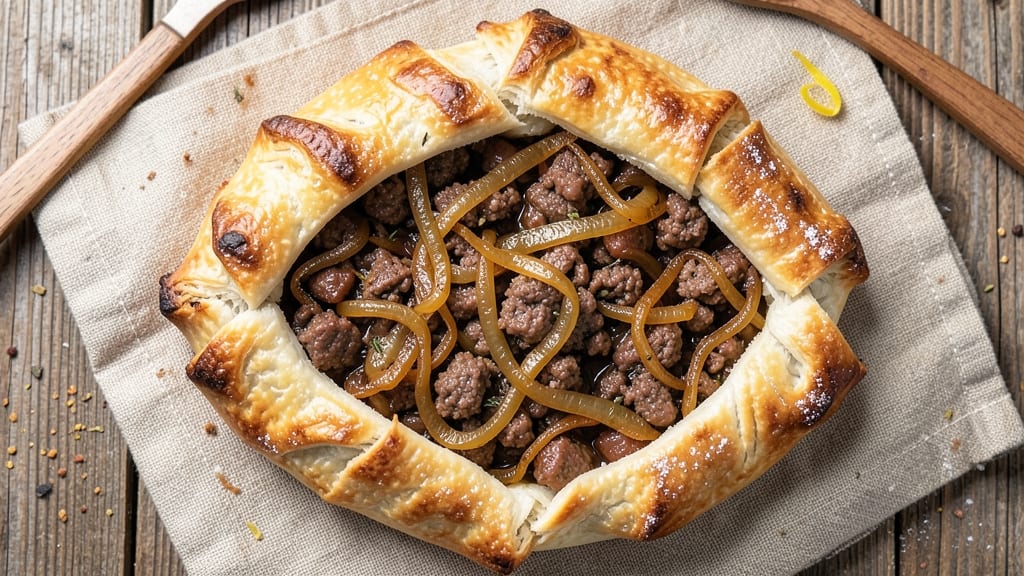
This beef and onion pasty recipe delivers the perfect balance of flaky, golden layers and rich, savory filling that makes every bite worth savoring.
The secret to that signature crispness lies in the dough—whether you choose traditional puff pastry or homemade shortcrust—while the caramelized onions and tender beef create a filling so flavorful it disappears in minutes.
I’ve perfected this recipe over years of testing, ensuring the crust stays crisp while the filling remains juicy and aromatic.
The beauty of this pasty is its versatility—it’s equally at home as a hearty lunch, a comforting dinner, or even a picnic-worthy handheld meal. The dough wraps around a filling of ground beef, sweet onions, and savory seasonings, baked until the edges turn golden and the aroma fills your kitchen.
This isn’t just a dish; it’s a tradition, with roots in Cornish pasties but adapted for modern kitchens with ease.
What sets this recipe apart is the flaky crust, achieved through a simple yet effective technique that ensures every bite has that satisfying crunch. The filling, meanwhile, is where the magic happens—caramelized onions add sweetness, while the beef stays tender and packed with flavor.
Whether you’re serving it with a side of gravy or a fresh salad, this pasty is a showstopper that feels like a hug in food form.
Ready to master the art of the pasty? The process is straightforward, with clear steps for preparing the dough, assembling the filling, and baking to perfection. No special equipment is needed—just patience and a little love.
Let’s get started on creating a dish that’s as rewarding to make as it is to eat.
Ingredients for beef and onion pasty
Flaky crust, caramelized onions, and tender beef—just these 12 ingredients transform into a showstopper pasty.
| Ingredient | Amount | Notes |
|---|---|---|
| Ground Beef 🥩 | 1 lb | Lean or 80% lean for best texture |
| Yellow Onions 🧅 | 2 large | Yellow or red, thinly sliced |
| All-Purpose Flour 🌾 | 2 cups | For homemade shortcrust dough |
| Cold Unsalted Butter 🧈 | ½ cup | Cubed, for flaky layers |
| Ice Water 💧 | ½ cup | For dough binding |
| Salt 🧂 | 1 tsp | Kosher or sea salt |
| Black Pepper 🌶️ | ½ tsp | Freshly ground preferred |
| Dried Thyme 🌿 | 1 tsp | Or 1 tbsp fresh thyme |
| Garlic Powder 🧄 | ½ tsp | Not garlic salt |
| Beef Stock 🍲 | ¼ cup | Low-sodium preferred |
| Puff Pastry 🍞 | 1 sheet | Store-bought or homemade |
| Egg 🥚 | 1 whole | For egg wash |
The onions are non-negotiable here. Sweet yellow onions caramelize best, but reds work too—just slice them thinner. I grab mine from Whole Foods when they're on sale, but any grocery store has them. For the beef, 80% lean gives the best texture—too lean and it dries out. The ground beef should be fresh, not pre-formed patties. If you're using pre-made puff pastry, check the expiration date—it freezes beautifully, but thaw it overnight in the fridge for best results.
No beef stock? Low-sodium chicken broth works in a pinch, but beef is ideal. Fresh thyme is best, but dried at one-third the amount is fine. Want more flavor? Add a pinch of smoked paprika. The dough needs cold butter—cut it into small cubes and chill for 30 minutes before mixing. If your dough feels too crumbly, add ice water 1 tbsp at a time. For the egg wash, beat the egg with a splash of water for extra shine.
This pasty keeps beautifully—3 days in the fridge wrapped tightly in foil. For longer storage, freeze it unbaked for up to 2 months. Thaw overnight in the fridge before baking. Leftovers reheat well in a 350°F oven for 10-15 minutes—just cover with foil to keep the crust from drying out. I always make an extra one to freeze for lazy weeknights.
Why You'll Love This Recipe
- No-Fuss Dough: I swear by this cold butter dough—just mix, fold, and roll. No kneading, no waiting for yeast, and no sad, flat results. That crispy, flaky crust comes from the ice water and butter, and honestly? It’s the kind of dough that makes me feel like a baker even when I’m not.
- Savory Simplicity: Ground beef and caramelized onions? That’s it. The onions soften just enough to melt into the beef, while the crust stays sturdy enough to hold everything together. It’s not fancy, but it’s ridiculously satisfying—like a hug in pastry form.
- Weeknight Wonder: This pasty is my go-to when I’m too tired to plan. Toss in the filling, fold the dough, bake, and boom—dinner’s ready. I’ve fed a crowd with these, reheated leftovers for lunch, and even packed them for work. It’s the ultimate lazy-but-loved meal.
- Budget-Friendly Powerhouse: Ground beef and onions won’t break the bank, and the dough uses pantry staples. I make a double batch, freeze half, and pull it out when I need a cheap, filling meal. Plus, the leftovers reheat like a dream—no dry, tough crust, just warm, comforting bites.
Step-by-step instructions for beef and onion pasty
Here's how to create a pasty with layers so flaky they'll make your mouth water.
Make the Shortcrust Dough for the Base
In a large bowl, combine the 2 cups all-purpose flour and 1 teaspoon salt. Cut in the ½ cup cold unsalted butter using a pastry cutter or your fingers until the mixture resembles coarse crumbs with pea-sized butter pieces remaining. This ensures flaky layers later.
Add the ½ cup ice water gradually while mixing with a fork until the dough just comes together. Avoid overworking it—press the dough into a disc, wrap in plastic, and chill for 30 minutes. Cold dough prevents shrinking and makes rolling easier. I like to flatten it slightly with my palm before chilling to save time later.
Cook the Savory Beef and Onion Filling
In a skillet over medium heat, cook the 1 lb ground beef until browned, breaking it apart with a wooden spoon. Drain all but 1 tablespoon of fat from the pan. Add the 2 large yellow onions and cook for 8-10 minutes until softened and beginning to caramelize.
Stir in the ½ teaspoon black pepper, 1 teaspoon dried thyme, and ½ teaspoon garlic powder. Pour in the ¼ cup beef stock and simmer for 3 minutes until the liquid reduces slightly. This step develops deep flavor—don't skip it. Let the mixture cool for 5 minutes before assembling.
Assemble the Pasty with Perfect Layers
Preheat oven to 375°F. Roll out the chilled shortcrust dough on a floured surface into a 12x10-inch rectangle. Spread the beef mixture evenly over the dough, leaving a 1-inch border around the edges. Brush the edges with 1 whole egg beaten with 1 tablespoon water for a golden seal.
Unfold the 1 sheet puff pastry and place it over the filling. Trim excess puff pastry to fit, leaving a ½-inch border. Brush the top with the remaining egg wash. Fold the shortcrust dough edges up to meet the puff pastry, pinching to seal tightly. Cut 4 slits in the top for steam to escape.
Bake Until Golden and Crisp
Place the pasty on a parchment-lined baking sheet and bake for 45-50 minutes until the puff pastry is golden brown and the filling is bubbling through the slits. The shortcrust base should be crisp, not soggy. If the top browns too quickly, tent loosely with foil.
Let the pasty rest for 10 minutes before slicing. This resting time lets the juices redistribute, preventing leaks. Serve warm with a side salad or crusty bread—each bite delivers that perfect contrast of flaky pastry and savory filling.
Pro Tips For Making Beef And Onion Pasty
- Brown the Onions First: I learned this the hard way—skipping the initial browning leaves your pasty tasting raw. Sauté those onions in butter until they’re deep golden, almost caramelized, before mixing with the beef. The flavor difference is night and day, and it keeps the filling from tasting like a sad, undercooked meatloaf.
- Use Cold Butter, Not Warm: Warm butter makes the crust soggy, and nobody wants a pasty that falls apart like a wet paper bag. Cut that butter into tiny cubes and keep it cold—even if it means sticking the bowl in the freezer for 5 minutes. The effort guarantees a flaky, golden top that holds up to the juicy filling.
- Don’t Overwork the Dough: This isn’t pie dough—handle it like you’re afraid of it. Once you’ve mixed in the ice water, fold just enough to bring it together. Overworking it makes the crust tough, and you’ll regret it when you’re left with a chewy, unappetizing wrapper instead of a crisp, buttery shell. Less is more.
- Pre-Cook the Filling: I was skeptical until I tried it—cooking the beef and onion mixture separately before assembling the pasty locks in moisture and deepens the flavor. Simmer it uncovered for 5 minutes after browning to evaporate excess liquid, then cool it completely before stuffing. Your pasty will stay juicy, not greasy.
Essential equipment for beef and onion pasty
Dough Essentials
For the shortcrust base, you’ll need a rolling pin (I love the OXO Good Grips for its non-slip handle) and a pastry cutter or fork to cut in butter. A dough scraper helps gather the dough cleanly, while a bench scraper keeps your work surface clear.
For the puff pastry top, a sharp chef’s knife (like Wüsthof) ensures clean cuts when trimming excess.
Baking Tools
A parchment-lined baking sheet is a must—it prevents sticking and makes cleanup effortless. I use a half-sheet pan (18x13 inches) for even heat distribution. A lightweight metal cooling rack keeps the pasty from getting soggy while it rests.
For crispy edges, a pizza stone (like Lodge) can be placed on the lower oven rack for extra crunch.
Mixing & Measuring
Accurate measurements start with a digital kitchen scale (I recommend OXO Good Grips) for dough ingredients. A small mixing bowl (8-inch diameter) works best for combining flour and butter.
For the filling, a 12-inch cast-iron skillet (like Lodge) ensures even browning. A wooden spoon helps break up beef clumps without scraping the pan.
Assembly Helpers
For sealing the pasty, a pastry brush (I use Silpat silicone brushes) applies egg wash evenly. A sharp pair of kitchen shears trims puff pastry cleanly. To prevent leaks, I use a small offset spatula to spread filling evenly.
A damp paper towel under the rolling pin keeps dough from sticking while rolling.
Budget-Friendly Swaps
No fancy tools? A glass baking dish (8x8 inches) works for baking, though edges may not be as crisp. Use a fork instead of a pastry cutter for butter. A plastic cutting board can double as a rolling surface.
For sealing, a clean paintbrush applies egg wash in a pinch. The key is patience—handcrafted pasties taste just as good with basic tools. 💪
Nutrition facts
Frequently asked questions
Can I make this pasty with just puff pastry instead of shortcrust?
Yes! For a simpler version, use two sheets of puff pastry instead of the shortcrust base. Roll one sheet into a rectangle, add the filling, then top with the second sheet. Seal the edges with egg wash and cut slits. Bake at 375°F for 35-40 minutes until golden. This version is quicker but may lack the traditional crisp base.
How do I prevent the pasty from leaking filling?
Leaks usually happen if the dough isn't sealed properly or the filling is too wet. First, ensure the edges are tightly pinched and sealed with egg wash. Second, let the filling cool completely before assembling. If your filling is watery, simmer it longer to reduce moisture. Finally, don't overfill—leave at least a 1-inch border around the edges.
Can I use diced potatoes in the filling?
Add 1 cup diced potatoes to the skillet with the onions. Cook them for 5-7 minutes until tender before adding the beef. This adds a heartier texture and soaks up extra moisture. Just be sure to parboil the potatoes first to prevent a gummy filling.
What's the best way to reheat leftovers?
Reheat pasty slices in a 350°F oven for 10-15 minutes, covered loosely with foil, until warmed through. For a crispier crust, broil for 1-2 minutes at the end. Microwaving works in a pinch (30-second intervals), but it can make the crust soggy. Always reheat until steaming hot to kill bacteria.
How do I make this pasty vegetarian?
Swap the beef for 1 lb crumbled tempeh or mushrooms (cremini or portobello). Sauté the tempeh with onions until browned, then add 1 tbsp soy sauce and 1 tsp smoked paprika for depth. Use vegetable stock instead of beef stock. The dough and puff pastry layers stay the same—just ensure the filling holds together when baked.