
Soups & Stews
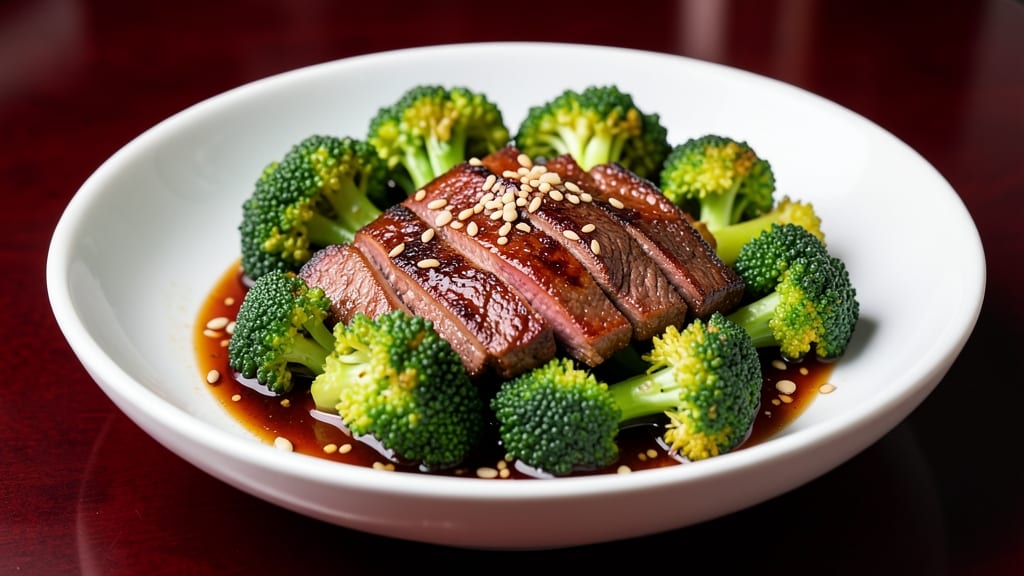
This Chinese restaurant-style beef and broccoli recipe delivers that signature restaurant crunch and savory-sweet balance right in your wok. 🔥 The secret lies in high-heat stir-frying for crisp-tender beef and blanched broccoli that stays vibrant, all coated in a glossy hoisin-soy sauce with just the right kick.
I've perfected this version after years of takeout cravings—it's the one that finally convinced my family to skip the delivery fee.
What sets this recipe apart is the two-stage cooking process: first searing the beef until it develops that signature char, then tossing everything together with the sauce for just 2-3 minutes.
That quick cook time keeps the broccoli crisp-tender and the beef juicy, while the sauce caramelizes slightly from the residual heat. The result? A dish that tastes like your favorite takeout spot but with restaurant-quality restaurant crunch.
By the time you're done, you'll have perfectly seared beef strips with crisp edges, bright green broccoli florets that stay vibrant, and a glossy sauce that clings to every bite.
The aroma alone will have everyone gathering around the table—this is comfort food at its finest, but with the authenticity of a wok hei finish. Serve it over steamed rice for the full experience.
Pro tip: Double the sauce and keep it warm in the wok—it tastes even better the second time around. Here's how to make it happen in your kitchen.
Ingredients for beef and broccoli recipe chinese restaurant
The secret to restaurant-style beef and broccoli lies in these 15 ingredients—crisp beef, vibrant broccoli, and a glossy sauce that clings perfectly.
| Ingredient | Amount | Notes |
|---|---|---|
| Flank Steak 🥩 | 1 ½ lb | Thinly sliced against grain |
| Broccoli Florets 🥦 | 2 cups | Fresh, cut into bite-sized pieces |
| Hoisin Sauce 🍶 | ½ cup | Store-bought or homemade |
| Soy Sauce 🥢 | ¼ cup | Light or regular variety |
| Sesame Oil 🫒 | 1 tbsp | Toasted for aroma |
| Garlic Cloves 🧄 | 4 cloves | Minced finely |
| Ginger Root 🌿 | 1 tbsp | Freshly grated |
| Cornstarch 🌾 | 1 tbsp | For thickening sauce |
| Vegetable Oil 🫒 | 3 tbsp | High smoke point |
| Green Onions 🧅 | 3 whole | Sliced for garnish |
| Sesame Seeds 🌱 | 1 tbsp | Toasted lightly |
| Salt 🧂 | 1 tsp | Kosher or sea salt |
| Black Pepper 🌶️ | ½ tsp | Freshly ground |
| White Pepper 🌶️ | ¼ tsp | For subtle heat |
| Rice Vinegar 🍶 | 1 tbsp | For brightness |
The flank steak is non-negotiable here—it's lean but packed with flavor, and slicing it thin against the grain ensures that signature tender yet crisp texture. Ask your butcher to slice it thin if you're not comfortable doing it yourself, or freeze it for 20 minutes before slicing for easier cuts. I usually grab mine from Whole Foods or the meat counter at Kroger, where they'll slice it fresh for you. For the broccoli, look for bright green florets with tight buds—Trader Joe's always has the best quality at a good price. Avoid anything that looks yellow or wilted, as that means it's past its prime and won't hold up during stir-frying.
No hoisin sauce? Mix 2 tbsp soy sauce, 1 tbsp honey, 1 tsp rice vinegar, and 1/2 tsp ginger—it's not identical, but it gets you close. Fresh ginger is ideal, but powdered works at half the amount if you're in a pinch. The sesame oil adds that signature aroma, so don't skip it—just grab the toasted kind from Asian markets for the best flavor. If you're missing cornstarch, arrowroot powder works too. For the garlic, I always use fresh—jarred minced garlic lacks the punch. And if you're out of green onions, scallions or chives will do in a pinch, though they have a slightly different taste.
Prep the beef and broccoli ahead of time—they keep well in the fridge for 1 day if stored in airtight containers. The sauce can be made up to 3 days ahead and reheated gently. For the ultimate restaurant experience, double the sauce and keep it warm in the wok—it tastes even better the second time around. Store leftovers in airtight containers for up to 3 days, or freeze for 3 months. When reheating, add a splash of water or soy sauce to keep everything moist—microwaving works, but the wok or skillet gives the best results.
Why You'll Love This Recipe
- One-Pan Magic: I swear by this—just toss the beef strips and broccoli on a single sheet, drizzle that hoisin-soy glaze, and let the sesame oil work its aroma magic. No dirty dishes, no stress, and still restaurant-quality.
- Umami Bomb: That combo of hoisin and soy sauce? It’s like a flavor grenade—sweet, salty, and just a little funky in the best way. The flank steak gets tender enough to cut with a fork, and the broccoli stays crisp-tender. (Yes, even my picky husband stops mid-bite.)
- Date Night Ready: Too fancy for Tuesday, too simple for a party? Nope. This dish looks impressive enough for guests but takes less effort than ordering takeout. Serve it over rice, and suddenly you’re the host who actually cooked.
- Budget Win: Flank steak stretches far when sliced thin, and frozen broccoli florets cut costs without sacrificing flavor. A single batch feeds four for under $15, and leftovers reheat like a dream—no soggy broccoli in sight. (Between us, this is my go-to for lazy Sundays.)
Step-by-step instructions for Chinese restaurant beef and broccoli
Here's how to recreate that perfect wok balance of tender beef, crisp broccoli, and glossy sauce.
🔥 Step 1: Prep and Sear the Flank Steak
Pat the 1.5 lb flank steak completely dry with paper towels—this ensures maximum browning. Slice it thinly against the grain into ¼-inch strips (about 1-inch wide). I like to work in batches to keep the meat cold until it hits the pan.
Heat 1 tablespoon vegetable oil in a wok or large skillet over high heat until shimmering. Add half the steak strips in a single layer (don't crowd the pan) and sear for 1-2 minutes until deep golden brown on both sides. The edges should look slightly crispy—this creates that restaurant-quality texture. Transfer to a plate and repeat with remaining steak using the last 2 tablespoons vegetable oil.
🥘 Step 2: Stir-Fry the Broccoli
In the same wok, add the 2 cups broccoli florets and stir-fry for 2-3 minutes over high heat until bright green and just tender-crisp. I know it seems counterintuitive to cook broccoli before the sauce, but this prevents it from turning mushy when the sauce is added later.
Push the broccoli to one side of the wok and add 1 tablespoon vegetable oil to the empty space. Toss in the 4 cloves minced garlic and 1 tablespoon freshly grated ginger root, cooking for 30 seconds until fragrant. This quick searing releases their full flavor without burning.
🍳 Step 3: Build the Sauce
In a small bowl, whisk together the 0.5 cup hoisin sauce, 0.25 cup soy sauce, 1 tablespoon rice vinegar, 1 tablespoon sesame oil, 1 teaspoon salt, 0.5 teaspoon black pepper, and 0.25 teaspoon white pepper. This is where the magic happens—each ingredient plays a role in balancing sweet, salty, tangy, and umami flavors.
Pour the sauce mixture into the wok with the broccoli and garlic. Add 1 tablespoon cornstarch and stir vigorously for 1 minute until the sauce thickens slightly. You're aiming for a glossy, clinging consistency that coats everything evenly. If it's too thick, add 1 tablespoon water to loosen.
🥘 Step 4: Combine and Finish
Return the seared steak strips to the wok and toss everything together for 2 minutes over medium-high heat. The residual heat will finish cooking the beef while absorbing that delicious sauce. You should see the steak strips glistening with sauce and the broccoli maintaining its vibrant color.
Remove from heat and stir in the 3 whole sliced green onions and 1 tablespoon toasted sesame seeds. The green onions add freshness while the sesame seeds contribute nutty crunch. Taste and adjust seasoning—you might want to add a splash more soy sauce if it needs more saltiness.
Pro Tips For Making Beef And Broccoli Recipe Chinese Restaurant
- Slice Against the Grain: Flank steak fights you if you cut with the grain—those long fibers make it chewy. Turn the meat 45 degrees and slice thinly against the grain after cooking, or your fork will feel like it’s wrestling with rubber bands.
- Blanch Broccoli First: I learned this the hard way—tossing raw broccoli into a hot pan with beef just steams it into mush. Blanch florets in boiling water for 30 seconds, then shock in ice water. They’ll stay crisp, bright green, and actually crunch when they hit the wok.
- Use Two Woks: Start beef in a dry, screaming-hot wok until deeply browned (2-3 minutes), then remove. Add broccoli to the same wok with a splash of water—this steams them slightly before sauce hits. Return beef to the pan with sauce, or your broccoli will turn into sad, soggy wallpaper.
- Salvage Overcooked Steak: Flank steak’s forgiving, but if it’s tough after cooking, slice it thicker than you think (¼-inch) and serve with extra hoisin. The sauce’s sweetness and umami cut through the dryness—no one will notice, but your knife will thank you.
Common mistakes when making perfect results
Overcrowding the Pan
This is the #1 mistake I see home cooks make—adding too much beef to the wok at once. When you crowd the pan, the steak strips steam instead of sear, resulting in pale, soggy beef instead of those crisp, golden edges that define restaurant-style beef and broccoli.
Work in batches: sear half the beef first, then the rest. A single layer of strips should fit comfortably with space between them. 🔥
Skipping the Blanching Step
Many recipes tell you to cook the broccoli after adding the sauce, but that's a surefire way to end up with mushy florets. The secret is stir-frying the broccoli first for 2-3 minutes over high heat until it's just tender-crisp.
This pre-cooking ensures it stays vibrant and holds its shape when the sauce is added later. Trust me, your takeout comparison will notice the difference immediately.
Low and Slow Cooking
Restaurant-style beef and broccoli requires high heat—think high heat, quick cooking. If you're cooking on low or medium, you'll end up with tough beef and overcooked broccoli. Your wok or skillet should be smoking slightly when you add the beef.
The goal is to develop that wok hei (breath of the wok) flavor through rapid, high-heat cooking. Don't be afraid of the heat!
Using Jarred Minced Garlic
Fresh garlic is non-negotiable for authentic flavor. Jarred minced garlic lacks the aromatic punch and often contains anti-caking agents that alter the taste. When you cook fresh minced garlic for just 30 seconds in hot oil, it releases its full flavor profile.
I always keep a small knife handy to mince my own—it takes 2 minutes and makes a world of difference. 🧄
Ignoring the Resting Time
After searing the beef, let it rest for 5 minutes before stir-frying. This allows the juices to redistribute, preventing them from leaking out when you toss everything together.
Skipping this step results in dry, stringy beef. I know it's tempting to dive right in, but that 5-minute wait makes all the difference in the final texture.
Underseasoning the Sauce
The sauce is where the magic happens, so don't be shy with the seasoning. Taste it before adding the beef and adjust as needed—another splash of soy sauce for saltiness, a pinch of sugar to balance acidity, or extra white pepper for depth.
Many home cooks hold back, but restaurant versions are bold. Remember, you can always adjust, but you can't un-salt a dish that's already bland. 💫
Nutrition facts
Frequently asked questions
Can I use a different cut of beef instead of flank steak?
Yes! Flank steak is ideal for its lean texture, but you can substitute with sirloin or ribeye (trimmed of fat). For tougher cuts like chuck, marinate for 30-60 minutes in a mix of soy sauce, cornstarch, and sesame oil to tenderize. Never use ground beef—it will turn mushy during stir-frying.
How do I get that restaurant-style crispy texture?
The secret is high heat and proper prep! Pat the beef completely dry before searing, and work in single layers so strips brown instead of steam. Use a wok or cast-iron skillet for even heat distribution. For extra crunch, add 1 tsp cornstarch to the beef strips before searing.
What if I don't have hoisin sauce?
Mix 2 tbsp soy sauce + 1 tbsp honey + 1 tsp rice vinegar + ½ tsp ginger for a quick substitute. For deeper flavor, add 1 tsp sesame paste or ½ tsp five-spice powder. The sauce should still be glossy—adjust cornstarch as needed. This version won't be identical but works in a pinch!
Can I make this dish ahead of time?
Yes! Cook the beef and broccoli separately, then store in airtight containers for up to 3 days. Reheat the sauce separately and toss everything together over high heat for 2 minutes to revive the crisp texture. For best results, serve immediately after reheating—this dish tastes best fresh.
Why does my broccoli turn mushy?
Overcooking is the culprit! Stir-fry broccoli for only 2-3 minutes over high heat until bright green and just tender. Add sauce immediately after—never cook broccoli in the sauce for extended periods. For extra insurance, blanch florets for 30 seconds in boiling water before stir-frying.