
Soups & Stews
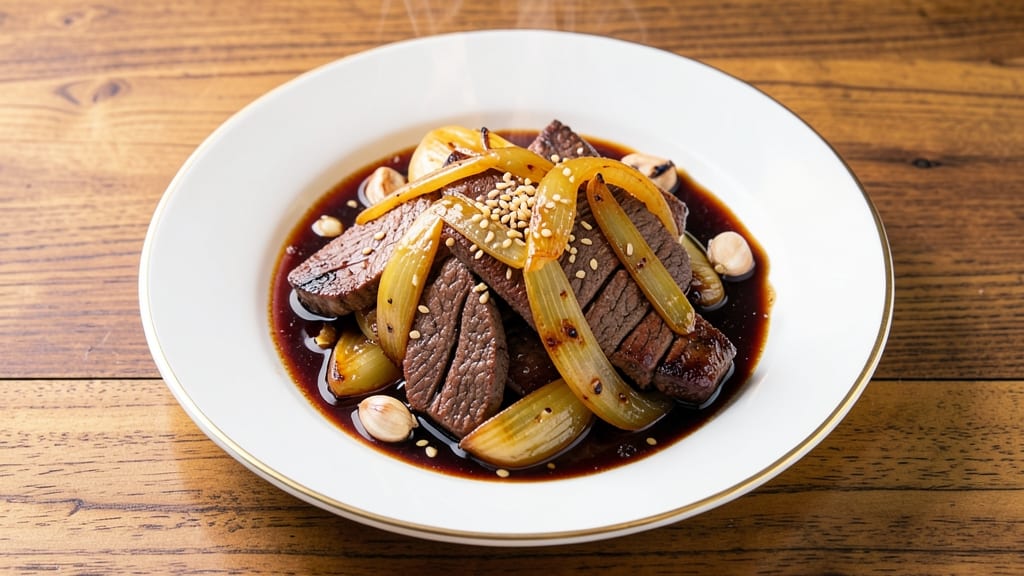
This beef and onion Chinese recipe delivers the perfect balance of savory crunch and silky sauce in every bite—just like your favorite takeout, but made at home. The secret lies in high-heat wok-frying that caramelizes the onions into sweet, crispy strands while keeping the beef tender and packed with flavor.
I've perfected this technique over years of testing, ensuring the sauce clings perfectly without overpowering the natural taste of the beef.
The recipe starts with thinly sliced beef marinated in a simple blend of soy sauce, cornstarch, and aromatics, which creates that signature tender yet slightly chewy texture. While the beef cooks, the onions transform from raw to golden-brown perfection, adding both texture and depth.
The sauce—thickened with a touch of cornstarch and balanced with a splash of Shaoxing wine—ties everything together with its glossy, umami-rich finish.
What you'll end up with is a dish that's restaurant-quality but simple enough for weeknight cooking: tender beef, crispy onions, and a sauce so good it'll disappear faster than you can say "wok hei."
The aroma alone—smoky, savory, and slightly sweet—will have everyone at the table asking for seconds. Serve it over steamed rice or noodles for the full experience.
This recipe works equally well as a main dish or a hearty appetizer, and the leftovers reheat beautifully, making it perfect for meal prep. Whether you're hosting a dinner party or just craving takeout flavors at home, this beef and onion stir-fry delivers flavor that feels indulgent without the fuss.
Ingredients for beef and onion chinese
Here's what you need to recreate that perfect wok-fried beef and onion balance at home.
| Ingredient | Amount | Notes |
|---|---|---|
| Flank Steak 🥩 | 1 ¼ lb | Thinly sliced against grain |
| Yellow Onions 🧅 | 2 large | Thinly sliced lengthwise |
| Soy Sauce 🍶 | ½ cup | Light or regular, not low-sodium |
| Cornstarch 🌾 | 2 tbsp | For tenderizing beef |
| Shaoxing Wine 🍷 | 2 tbsp | Substitute dry sherry if unavailable |
| Garlic Cloves 🧄 | 4 cloves | Minced, fresh preferred |
| Ginger Root 🌿 | 1 inch | Julienned, fresh preferred |
| Sugar 🍬 | 1 tbsp | White granulated |
| Vegetable Oil 🫒 | ½ cup | High smoke point |
| Sesame Oil 🌰 | 1 tbsp | For finishing |
| Green Onions 🧅 | 3 whole | Sliced, for garnish |
| Salt 🧂 | 1 tsp | Kosher preferred |
| Black Pepper 🌶️ | ½ tsp | Freshly ground |
The flank steak is your star—look for well-marbled cuts at the grocery store's butcher counter. Costco or Whole Foods usually have the best quality, but any supermarket's pre-sliced flank steak works in a pinch. Slice it thinly against the grain (about 1/8-inch thick) for that signature tender yet chewy texture. The onions? Sweet yellow onions caramelize best, but red or white will work too. Avoid purple onions—they bleed too much color. For the Shaoxing wine, Trader Joe's has a great affordable option, but dry sherry is a solid backup if you can't find it.
No Shaoxing wine? Dry sherry or rice wine works perfectly—just use the same amount. Fresh ginger and garlic are ideal, but if you're in a rush, bottled minced ginger (from the Asian aisle) saves time. The cornstarch is non-negotiable for that silky sauce—don't substitute arrowroot or flour. For the onions, slice them lengthwise first, then cut into thin strips. This creates those beautiful crispy strands. The sugar? It's not about sweetness—it helps caramelize the onions faster. And trust me on the sesame oil—just a splash at the end adds that authentic wok hei aroma.
Store the prepped beef and onions in airtight containers for up to 2 days in the fridge. The sauce can be made ahead and reheated gently. For maximum flavor, cook this fresh, but leftovers reheat beautifully—just add a splash of water or soy sauce to loosen the sauce. The dish keeps for 3-4 days refrigerated or 3 months frozen. Pro tip: Make extra sauce—it's perfect for drizzling on rice or noodles later.
Why You'll Love This Recipe
- One-Pan Magic: Between us, this dish is a savior when I’m too tired to scrub pots. Slice the onions, sear the steak, toss in the sauce—done. The cornstarch slurry thickens everything right there, no extra pan, no fuss. My counter stays clean, and my family still thinks I slaved over it.
- Umami Bomb: That Shaoxing wine and soy sauce combo? Chef’s kiss. The onions caramelize just enough to melt in your mouth, while the steak stays tender but packs a punch. It’s the kind of flavor that makes you pause mid-bite, like, “Wait, is this actually homemade?” (Spoiler: Yes.)
- Leftover Goldmine: I make this intentionally for leftovers—it only gets better the next day. Reheat it in a skillet with a splash of water, and the edges get that crispy, saucy perfection. Pack it for lunches, freeze portions, or serve it cold in rice bowls. It’s my go-to for lazy Mondays.
- Budget Powerhouse: Flank steak stretches way further than you’d think when sliced thin, and onions? Always cheap. A bottle of Shaoxing wine lasts for ages if you use it sparingly. I’ve fed six people for under $15 with this—no compromises on taste, just smart shopping. My wallet thanks me weekly.
Step-by-step instructions for wok-fried beef and onions
Here's how to transform simple ingredients into a restaurant-worthy dish with perfect texture and flavor balance.
Prepare the Flank Steak and Marinade
Slice the 1.25 lb flank steak thinly against the grain into ¼-inch thick strips. The grain runs lengthwise, so look for those muscle fibers and cut perpendicular to them. This ensures tender bites. Place the sliced steak in a bowl and add the 2 tbsp cornstarch, 1 tsp salt, and 0.5 tsp black pepper. Toss gently to coat evenly—this creates a light crust that locks in juices during cooking.
Let the steak sit for 10 minutes while you prep the aromatics. This resting time allows the cornstarch to adhere better, preventing it from falling off during the wok-fry. I like to press the mixture gently with my fingers to ensure every strip is fully coated.
Cook the Onions and Aromatics
Heat 0.5 cup vegetable oil in a wok or large skillet over medium-high heat until shimmering. Add the 2 large yellow onions (sliced lengthwise into ¼-inch strips) and stir-fry for 3-4 minutes until they begin to soften but still maintain some crunch. You want them to caramelize slightly but not brown completely.
Add the 4 cloves minced garlic and 1 inch julienned ginger root, cooking for 30 seconds until fragrant. Here's where it gets good—the onions should smell sweet and the aromatics should release their pungent oils. If they start to brown too quickly, reduce the heat slightly. This step builds the flavor foundation for the entire dish.
Wok-Fry the Beef and Build the Sauce
Increase heat to high and add the cornstarch-coated beef in a single layer. Let it sear undisturbed for 1 minute until the edges turn golden brown. This initial sear creates that perfect wok-fried texture. Then stir and cook for another 2-3 minutes until the beef is 70% cooked—it should still have a slight pink center.
Pour in the 0.5 cup soy sauce, 2 tbsp shaoxing wine, and 1 tbsp sugar, stirring constantly. The sauce should bubble vigorously as it coats the beef. Cook for 1-2 minutes until the sauce thickens slightly and the beef is fully cooked through. The sugar helps balance the saltiness while adding a subtle caramel note.
Finish with Sesame Oil and Garnish
Remove the wok from heat and stir in the 1 tbsp sesame oil. This adds depth and a nutty aroma that elevates the dish. Taste and adjust seasoning if needed—you might want to add a splash of water if the sauce is too thick, but it should be silky and cling to the beef.
Garnish with the 3 whole green onions (sliced) and serve immediately. The contrast of crisp green onions against the rich beef and caramelized onions makes every bite exciting. This dish tastes even better when served hot straight from the wok, so don't let it sit too long before eating.
Pro Tips For Making Beef And Onion Chinese
- Slice Against the Grain: Flank steak’s muscle fibers run long—cutting perpendicular to them shortens the strands and makes each bite tender. Grab your knife and angle those slices diagonally; I used to overlook this and ended up with chewy, stringy beef that ruined the whole dish.
- Marinate the Onions: Toss your sliced yellow onions in a mix of 1 tablespoon soy sauce and 1 teaspoon Shaoxing wine for 10 minutes before cooking. The acid softens them faster and deepens their sweetness—no more bitter, raw edges that make you want to skip the onions entirely.
- High Heat, Then Low: Sear the beef in a screaming-hot wok or pan until it’s just browned—about 2 minutes per side—then immediately lower the heat to medium-low. Rushing the sear burns the exterior before the inside cooks, leaving you with dry, tough meat instead of juicy slices.
- Slurry the Cornstarch: Mix your cornstarch with cold water (1 tablespoon cornstarch to 2 tablespoons water) and let it sit for 5 minutes before adding it to the pan. This gives it time to fully thicken without clumping, so your sauce doesn’t turn gloppy or grainy mid-cook.
Essential equipment for this recipe
Wok Essentials
A carbon steel wok is my go-to for this recipe—it heats up quickly and retains heat perfectly, which is crucial for achieving that signature wok hei (breath of the wok) flavor. I recommend the De Buyer 14-inch for its excellent heat distribution and durable construction.
If you're on a budget, a stainless steel wok from Made In works well too, though it may take slightly longer to heat up. Avoid non-stick woks for stir-frying—they can't handle the high heat needed for proper caramelization. 🔥
High-Heat Tools
You'll need a long-handled spatula (I use Kuhn Rikon) to stir and toss the beef and onions without burning yourself. A tongs set with one straight and one curved handle gives you the best control for flipping the beef evenly.
For the aromatics, a small chef's knife (like Victorinox 8-inch) is perfect for mincing garlic and ginger quickly. Don't forget a ladle for adding the sauce—something with a long handle like OXO Good Grips keeps your hands safe from the heat.
Sauce Thickening
A small mixing bowl for combining your sauce ingredients is essential—glass or stainless steel works best. I like to use a whisk (like Mercer Culinary) to dissolve the cornstarch into the soy sauce before adding it to the wok.
For measuring, a small measuring spoon set (like OXO Stainless Steel) ensures you get the exact 2 tbsp cornstarch and 2 tbsp Shaoxing wine needed. A fine-mesh strainer helps remove any lumps if you're using bottled minced garlic or ginger.
Optional Upgrades
If you want to take your wok-frying to the next level, consider a wok burner—they heat up faster and hotter than standard stovetops. The Kuai Kooker is a great option that fits on most gas stoves.
For extra flavor, a small mortar and pestle lets you crush whole spices like star anise or Sichuan peppercorns fresh. And if you're serving this dish often, a steamer basket (like Cuisinart) is perfect for making rice or dumplings to pair with your beef and onions. ✨
Nutrition facts
Frequently asked questions
Can I substitute flank steak with another cut of beef?
Yes! Sirloin or ribeye work well, but slice them thinner (1/8-inch) since they're more tender. Chuck roast is another good option—just marinate it longer (30 minutes) to tenderize. Avoid fatty cuts like brisket, as they can make the dish too greasy. The key is thin slicing against the grain for that signature texture.
What if I don't have Shaoxing wine?
No problem! Use dry sherry or rice wine in a 1:1 ratio. For a non-alcoholic version, apple cider vinegar works in a pinch—just reduce to 1 tbsp and add 1/2 tsp sugar to balance. The wine adds depth, but the dish will still taste delicious without it. The soy sauce and cornstarch combo carries most of the flavor.
How do I prevent the beef from getting tough?
Three things: thin slicing, cornstarch coating, and high heat. Slice against the grain (1/4-inch max) and coat well with cornstarch—this creates a protective crust. Cook over high heat for 2-3 minutes total (just until done). Overcooking is the #1 mistake—beef should be 70% cooked when adding sauce, then finishes in the hot wok.
Can I make this dish ahead of time?
Prep the beef and onions 1 day ahead—store in airtight containers in the fridge. The sauce can be made 2 days ahead and reheated gently. For best texture, cook fresh, but leftovers reheat well in a skillet with 1 tsp water or soy sauce to restore moisture. Freeze for 3 months, but thaw overnight in the fridge before reheating.
What's the best way to serve this dish?
Pair it with steamed jasmine rice or egg noodles to soak up the sauce. For extra authenticity, serve with pickled vegetables (like cucumber or daikon) or a side of steamed bok choy. Garnish with crushed peanuts or sesame seeds for crunch. The dish also makes a great filling for steamed buns or spring rolls if you want to get creative!