
Main Courses
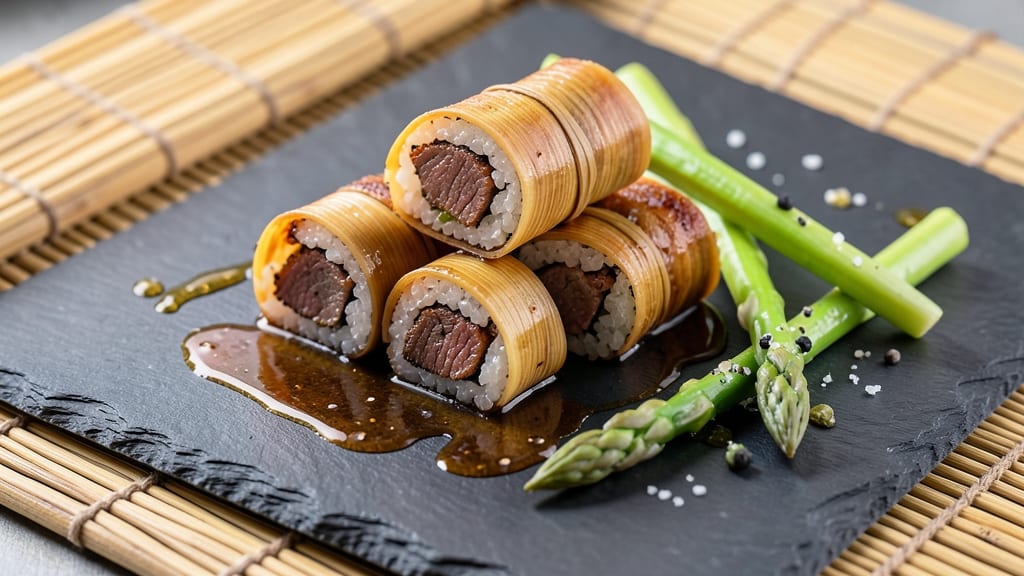
This beef and asparagus negimaki recipe transforms simple ingredients into elegant, restaurant-worthy skewers with a silky soy glaze. The technique combines searing tender beef with crisp-tender asparagus, then rolling them in a bamboo mat for perfect balance.
What makes this dish special is the harmony of textures—crisp edges, tender centers, and that glossy soy finish that ties everything together.
The preparation starts with perfectly seared beef strips and blanched asparagus, both cut to uniform size for even cooking. A quick marinade in soy sauce, mirin, and a touch of sugar enhances the natural flavors while preparing them for rolling.
The bamboo mat technique ensures each skewer holds its shape beautifully, creating a presentation that's almost too pretty to eat—until you take that first bite.
What you’ll end up with is a dish that’s both visually stunning and deeply satisfying—each skewer offering a perfect balance of sweet, savory, and umami. The soy glaze adds a glossy finish that caramelizes slightly, while the beef remains juicy and the asparagus stays crisp-tender.
This is the kind of recipe that elevates a weeknight dinner into something special without requiring hours in the kitchen.
Serve these negimaki skewers over steamed rice for a complete meal, or pair them with a simple miso soup for an authentic Japanese dining experience. The technique is approachable, but the result feels luxurious—ideal for impressing guests or treating yourself to a taste of Japan at home.
Ingredients for beef and asparagus negimaki
Elegant skewers begin with premium beef, tender asparagus, and precise Japanese techniques for restaurant-quality results.
| Ingredient | Amount | Notes |
|---|---|---|
| Ribeye Steak 🥩 | 1 ¼ lb | Thinly sliced against grain |
| Asparagus Spears 🥬 | 1 lb | Medium thickness, trimmed |
| Bamboo Rolling Mats 🌿 | 2 whole | For rolling negimaki skewers |
| Kosher Salt 🧂 | 1 ½ tsp | Diamond Crystal preferred |
| Black Peppercorns 🌶️ | 1 tsp | Freshly cracked |
| Soy Sauce 🥄 | ½ cup | Kikkoman preferred |
| Mirin 🍶 | ¼ cup | Sweet cooking rice wine |
| Granulated Sugar 🍚 | 1 tbsp | White cane sugar |
| Sesame Oil 🫒 | 1 tsp | Toasted for aroma |
| Toasted Sesame Seeds 🌾 | 1 tbsp | For garnish |
| Neutral Oil 🫒 | ¼ cup | Avocado or vegetable oil |
| Rice Vinegar 🍶 | 1 tbsp | For glaze balance |
| Unsalted Butter 🧈 | 1 tbsp | For searing |
| Japanese Rice 🍚 | 1 ½ cups | Uncooked, for serving |
The beef selection is critical—ribeye delivers the perfect marbling for juicy, flavorful strips. Look for center-cut ribeye at your local butcher or specialty market like Whole Foods or Morton's. Trim any excess fat but leave the marbling intact. For asparagus, medium-thickness spears (about 1/4-inch diameter) cook evenly and hold their shape beautifully. The bamboo rolling mats are essential for authentic presentation—find them in the Asian foods aisle at Trader Joe's or online retailers specializing in Japanese kitchenware. If you can't locate them, a clean kitchen towel works in a pinch, though the texture won't be identical.
No mirin? Substitute 1 tbsp sugar plus 1 tbsp dry sherry—it won't be identical but works in a bind. The soy sauce can be swapped for tamari if gluten-free is required, though traditional soy sauce delivers the best umami depth. For a deeper sesame flavor, toast the seeds in a dry pan until golden before using. The neutral oil is non-negotiable—avocado oil has the highest smoke point for searing. If you're short on time, pre-cut asparagus from the grocery store works fine, though fresh spears trimmed yourself yield better results. The butter for searing should be cold and cubed—adding it to the hot pan creates a flavorful crust without burning.
Store prepped beef and asparagus in airtight containers with parchment paper between layers for up to 2 days in the fridge. The bamboo mats should be kept dry in a cool, dark place—they'll last indefinitely. For the glaze, make it fresh day-of as it separates when refrigerated. Leftover skewers reheat beautifully in a skillet with a splash of water for 30 seconds—the glaze will re-coat perfectly. These skewers freeze well for up to 1 month if portioned individually with parchment between each skewer. Always serve with steamed Japanese rice to complete the meal—it's the perfect vessel for soaking up the silky glaze.
Why You'll Love This Recipe
- Here’s what sold me: ribeye feels fancy, but it’s cheaper than takeout and way more satisfying. Use the leftovers for breakfast hash the next day—yes, really. The asparagus stays crisp, the beef stays tender, and suddenly you’ve got two meals for the price of one.
- No Rolling Skills Needed: Honestly, I was terrified of sushi rolls until I tried this—just slice the ribeye thin, lay it flat with the asparagus, and wrap it like a burrito. No fancy fish or rice here; the bamboo mat does all the work while you sip your wine and pretend you’re in Tokyo.
- Crispy-Soft Magic: That ribeye’s perfect medium-rare bite paired with the snap of fresh asparagus? It’s the kind of contrast that makes you close your eyes. And the salt and pepper? Just enough to let the beef shine without overpowering—simple, but ridiculously good.
- Lunchbox Hero: Between us, this is my go-to for work lunches or picnics. Wrap a few in foil, toss in an ice pack, and boom—elevated leftovers that don’t scream “office salad.” My coworkers still ask where I got the “gourmet” rolls, and I just smile while eating mine.
Step-by-step instructions for beef and asparagus negimaki
Master these precise techniques for perfectly rolled skewers with a glossy, balanced sauce.
Prepare the Beef and Asparagus Filling
Slice the 1.25 lb ribeye steak thinly against the grain into ¼-inch strips. Trim the 1 lb asparagus spears to 3-inch lengths, removing any tough ends. Blanch the asparagus in boiling water for 30 seconds, then immediately plunge into ice water to stop cooking and maintain vibrant color. Drain thoroughly and pat dry with paper towels.
In a small bowl, combine the 0.5 cup soy sauce, 0.25 cup mirin, 1 tbsp granulated sugar, and 1 tbsp rice vinegar. Whisk until the sugar fully dissolves—this creates your sweet-savory glaze. Toss the beef strips in this marinade and let sit for 15 minutes at room temperature while you prepare the asparagus. The marinade should cling to the beef, not pool at the bottom.
Assemble the Negimaki Skewers
Lay out the 2 whole bamboo rolling mats and place a sheet of plastic wrap over each. Arrange 8 asparagus spears parallel in a single row, 2 inches apart, on each mat. Divide the marinated beef evenly between the two mats, placing 12 beef strips alongside each row of asparagus.
Using the plastic wrap as a guide, carefully roll each mat tightly from one end to the other, creating a compact log. Secure each roll with kitchen twine at both ends, then wrap the entire roll in plastic wrap to maintain shape. Chill in the refrigerator for 20 minutes—this firming step ensures clean slicing later. The rolls should feel solid when gently pressed.
Sear and Glaze the Skewers
Heat 1 tbsp unsalted butter and 0.25 cup neutral oil in a large skillet over medium-high heat until the butter foams. Working in batches, sear the negimaki rolls for 2-3 minutes per side until golden brown with caramelized edges. Don't overcrowd the pan—they need space to develop color.
Transfer the seared rolls to a plate and reduce heat to medium. Add the reserved marinade to the skillet and simmer for 3-4 minutes until reduced by half and slightly thickened. Brush this glossy sauce generously over each roll, coating all sides. The sauce should cling rather than pool, indicating proper reduction.
Finish and Serve with Garnish
Slice each negimaki roll into ½-inch thick rounds and arrange on a platter. Drizzle any remaining sauce over the top and sprinkle with 1 tbsp toasted sesame seeds. Garnish with an additional ½ tsp sesame oil drizzled in a zigzag pattern for visual contrast.
Serve immediately with steamed 1.5 cups Japanese rice on the side. The beef should be tender with a slight pink center, while the asparagus remains crisp-tender. Each bite should deliver a perfect balance of umami from the soy, sweetness from the mirin, and a touch of acidity from the rice vinegar.
Pro Tips For Making Beef And Asparagus Negimaki
- SEAR THE RIBEYE FIRST: Blade-sear the ribeye slices before rolling—high heat for 30 seconds per side until they develop a crust. Cold meat sticks to the mat and tears when wrapped; a quick sear locks in flavor and makes rolling cleaner.
- TRIM ASPARAGUS TO 4 INCHES: Tough asparagus ends ruin the texture—cut spears to uniform 4-inch lengths before blanching. Too long? They’ll overcook and turn mushy; too short? They’ll dry out faster than you can roll.
- SALT THE STEAK TWICE: Season the ribeye slices before searing with kosher salt, then again right after rolling. The first layer seasons the surface, the second sticks to the exterior after the sear—double the impact, zero guesswork.
- REST THE ROLLS 10 MINUTES: Skip the urge to slice immediately—let the negimaki rest wrapped in foil for 10 minutes. The steam redistributes, keeping the beef juicy and the asparagus crisp-tender. I learned this the hard way after serving dry, sad rolls.
Storing and reheating this dish
Fridge Storage Tips
Store prepped beef and asparagus in airtight containers with parchment paper between layers to prevent sticking. They'll keep fresh in the fridge for up to 2 days—this gives you flexibility for meal prep.
I like using glass containers from Pyrex because they're sturdy and don't absorb odors. The bamboo mats should be kept in a cool, dry place separately, as moisture can damage them over time. 🧊
Freezer Prep
For longer storage, freeze the completed skewers individually wrapped in parchment paper between layers of plastic wrap. They'll maintain quality for up to 1 month in your freezer. When ready to eat, thaw overnight in the fridge—never microwave directly from frozen.
The glaze might separate slightly, but a quick reheat in the skillet brings it back together beautifully. 🥶
Reheating Perfectly
My favorite method is reheating in a skillet over medium heat with 1 tablespoon water to restore that silky glaze. It takes just 30 seconds to warm through completely. For microwave reheating, cover with a damp paper towel and heat in 15-second bursts, stirring between each.
The bamboo mats won't survive reheating, but the flavor remains intact. 🔥
Glaze Refresh
If the sauce looks separated after storage, simply reheat the soy-mirin mixture in a small saucepan until smooth again. The heat reactivates the emulsifiers naturally present in soy sauce. Brush this fresh glaze over the reheated skewers right before serving—it makes all the difference in presentation and flavor. 🍶
Serving Leftovers
Negimaki skewers make fantastic leftovers for lunches. Pack them in bento-style containers with individual portions of rice. The texture holds up well when properly stored, though the asparagus may soften slightly.
I often add a sprinkle of toasted sesame seeds and a drizzle of extra sesame oil to elevate the presentation. 🍱
Bamboo Mat Care
After use, clean your bamboo mats with warm water and mild soap, then let them air dry completely. Store them flat or rolled up in a breathable fabric bag to prevent warping.
With proper care, they'll last for years—my original mats are still going strong after five years of regular use. This investment makes the rolling process so much easier! 🌿
Nutrition facts
Frequently asked questions about beef and asparagus negimaki
Can I use chicken or shrimp instead of beef?
This recipe works beautifully with chicken breast (thinly sliced) or shrimp (peeled and deveined). For chicken, marinate for 20 minutes instead of 15 minutes to ensure full flavor penetration. Shrimp cooks in just 1 minute per side when searing—keep them cold until ready to cook to prevent overcooking. The asparagus preparation remains the same, and the rolling technique works identically.
What if I don't have bamboo rolling mats?
No problem! Use plastic wrap tightly wrapped around your ingredients, then roll with a clean kitchen towel for grip. For extra security, wrap the towel in parchment paper first. The texture won't be identical, but the concept remains the same—just secure the roll tightly with kitchen twine before chilling. The skewers will still hold their shape when sliced.
How do I adjust the recipe for a crowd?
Double all ingredients and prepare 4-6 negimaki rolls instead of 2. Use two large skillets for searing to maintain even cooking. The key is to work in batches—don't overcrowd the pan, or the skewers won't develop proper color. For serving, arrange on a large platter and garnish with extra sesame seeds. Pair with extra steamed rice (about 3 cups) to accommodate the larger group.
Why did my asparagus turn mushy?
Overcooking is the most common cause—blanch for exactly 30 seconds and use ice water immediately to stop cooking. Also ensure you're using medium-thickness spears (about ¼-inch diameter) that cook evenly. If your asparagus was too thin, it will overcook quickly. For extra crisp-tender results, try blanching for just 20 seconds and test one spear first.
Can I make this dish ahead of time?
Yes! Assemble the negimaki rolls up to 24 hours ahead and refrigerate securely wrapped. For best results, sear and glaze them just before serving. If you must serve cold, slice and arrange on a platter with the glaze drizzled on top. The flavors develop beautifully overnight, and the texture remains perfect when properly stored in airtight containers with parchment between layers.