
Soups & Stews
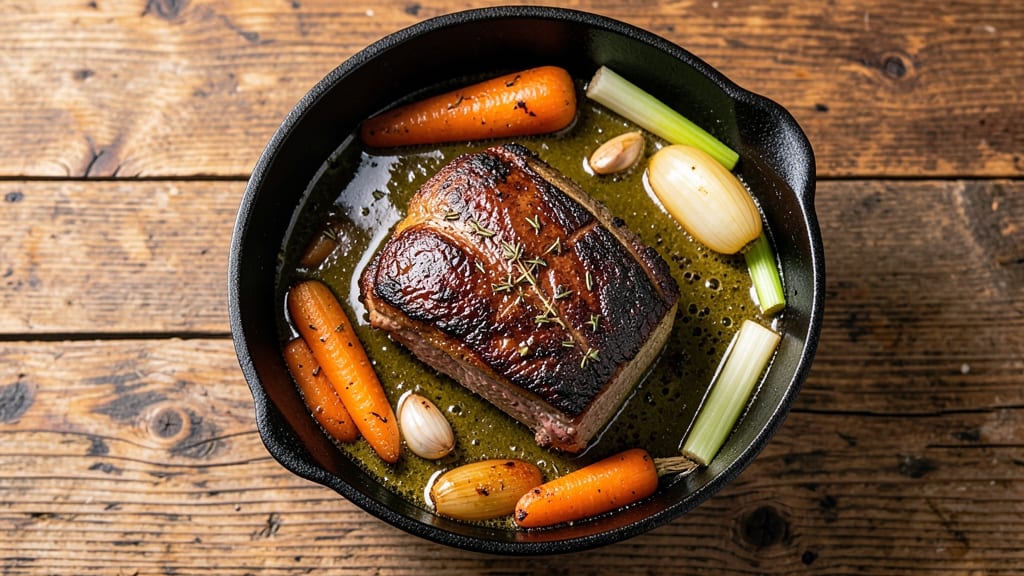
Gordon Ramsay’s beef and ale stew delivers the kind of deep, rich flavor that transforms tough cuts into melt-in-your-mouth perfection. The secret lies in slow braising—where seared beef tenderizes in aromatic vegetables and dark ale, creating a sauce so velvety it’ll have everyone reaching for seconds. This isn’t just stew; it’s a restaurant-quality masterpiece you can make at home with precise technique and patience.
What sets this recipe apart is Ramsay’s signature approach: searing the beef in batches to develop a deep, caramelized crust before deglazing with ale for maximum flavor extraction. The slow simmer—3 to 4 hours—breaks down collagen into gelatin, turning the stew into a luxurious, fork-tender experience.
Every bite delivers layers of umami from the beef, malty depth from the ale, and a touch of sweetness from caramelized onions.
The result is a stew so rich and satisfying it feels like a hug in a bowl—perfect for chilly evenings or special occasions. Serve it with crusty bread to soak up every last drop of that golden, glossy sauce, or pair it with roasted root vegetables for a complete meal.
The aroma alone will have your kitchen smelling like a Michelin-starred bistro.
This recipe is designed for confidence: no fancy equipment, just a heavy pot and time. The key is letting the flavors meld slowly, so the stew tastes even better the next day.
Whether you’re feeding a crowd or treating yourself to a hearty solo dinner, this beef and ale stew delivers the kind of comfort food that feels like a celebration.
Ingredients for beef and ale stew gordon ramsay
Sixteen ingredients for a stew that tastes like a Michelin-starred bistro.
| Ingredient | Amount | Notes |
|---|---|---|
| Chuck Roast 🥩 | 3 lb | Tough cut, well-marbled preferred |
| Dark Ale 🍺 | 2 cups | Stout or porter, unsweetened |
| Yellow Onion 🧅 | 2 whole | Thinly sliced, caramelized |
| Garlic Cloves 🧄 | 6 cloves | Peeled, smashed slightly |
| Carrots 🥕 | 4 whole | Large, peeled, cut into chunks |
| Celery Stalks 🌿 | 4 whole | Trimmed, cut into thick slices |
| Tomato Paste 🍅 | ½ cup | Smooth, no sugar added |
| Beef Stock 💧 | 2 cups | Homemade or high-quality |
| Red Wine 🍷 | 1 cup | Bold, dry (Cabernet or Merlot) |
| Fresh Thyme 🌿 | ¼ cup | Leaves only, stems removed |
| Fresh Rosemary 🌿 | ¼ cup | Chopped, coarse texture |
| Bay Leaves 🌿 | 2 whole | Dried, standard size |
| Olive Oil 🫒 | 2 tbsp | Extra-virgin, for searing |
| Salt 🧂 | 1 ½ tsp | Kosher or sea salt |
| Ground Black Pepper 🌶️ | 1 tsp | Freshly ground preferred |
The chuck roast is non-negotiable here—this is the cut that transforms into melt-in-your-mouth perfection. Costco or Whole Foods usually carry it pre-cut, but if you're buying a whole roast, look for good marbling. The ale? Guinness or a local craft stout adds that malty depth Ramsay loves. For the aromatics, fresh herbs make all the difference—Trader Joe's has great bundles of thyme and rosemary. If you're short on time, dried works at one-third the amount, but fresh is worth the extra minute. The beef stock should be homemade if possible—Pacific Foods brand is solid if you're buying store-bought.
No dark ale? Substitute with beef broth plus a splash of balsamic vinegar—it mimics the depth. Fresh thyme or rosemary missing? Dried works in a pinch, but toss them in later so they don't overpower. The tomato paste can be the squeeze-tube kind from Trader Joe's if you hate measuring—just use the same amount. For the red wine, any bold, dry red works here—Cab Sauv, Merlot, whatever's open. The key is deglazing the pot with it after searing the beef. If you skip the wine, add an extra splash of beef stock instead. The carrots and celery can be baby versions if that's what's in your fridge—they'll just cook faster.
This stew tastes even better the next day, so make extra. Store in the fridge for up to 5 days or freeze for 3 months. I always portion mine into containers so lunches are sorted for the week. For reheating, low and slow is key—15-20 minutes on low heat keeps it from getting gluey. The sauce will thicken as it cools, so add a splash of water or ale if it's too thick when reheating. Serve with crusty bread to soak up every last drop of that golden, glossy sauce—trust me, you'll want seconds.
Why You'll Love This Recipe
- Foolproof Simplicity: I swear by this—no fancy techniques, just a chuck roast, dark ale, and a knife. You brown the meat, toss in the onions and garlic, cover it with beer, and let it slow-cook. That’s it. Even if you’re not a chef, the stew will taste like you spent hours.
- Beer-Infused Magic: The dark ale doesn’t just flavor the stew—it transforms it. That deep maltiness caramelizes into the meat, while the onions and carrots soften into sweet, savory perfection. Honestly, the first bite makes you question why you ever bought pre-made gravy.
- Weeknight Hero: This is my go-to when I’m too tired to think but still crave something hearty. Throw it in the slow cooker in the morning, and by dinner, it’s rich, tender, and ready. (Yes, even on a Tuesday night.) The leftovers? Even better the next day.
- Budget-Friendly Luxury: A chuck roast and a six-pack of ale stretch farther than you’d think. Between us, this feeds four for under $20 and still feels like a restaurant-worthy meal. I’ll be real: my wallet and my taste buds both win.
Step-by-step instructions for beef and ale stew
Here's how to make a rich, slow-braised stew with tender beef and bold flavors.
Sear the Chuck Roast for Deep Flavor
Pat the 3 lb chuck roast dry with paper towels—this ensures a proper sear. Heat 2 tablespoons olive oil in a heavy Dutch oven over medium-high heat until shimmering. Place the roast in the pot and sear on all sides until deeply browned, about 4-5 minutes per side. This step develops the rich, meaty flavor that forms the stew's foundation.
Remove the roast and set it aside. Don't wipe out the Dutch oven—those browned bits (fond) will dissolve into the stew later, adding depth. If the oil starts smoking, reduce the heat slightly to prevent burning the meat.
Build the Aromatic Base
In the same Dutch oven, add 2 tablespoons olive oil and place it over medium heat. Add the 2 whole yellow onions, 4 whole carrots, and 4 whole celery stalks, all cut into even chunks. Cook for 8-10 minutes, stirring occasionally, until the vegetables begin to soften and the onions turn golden.
Add the 6 cloves garlic cloves (smashed slightly with the side of your knife) and cook for another 1 minute until fragrant. This step is where the stew's complexity begins—don't rush it. If the garlic starts to brown too quickly, reduce the heat slightly to avoid bitterness.
Deglaze and Add Liquids
Pour in the 1 cup red wine and scrape up all the browned bits from the bottom of the pot with a wooden spoon. Let it simmer for 3-4 minutes until the wine reduces by half. This deglazing step captures all the flavor locked in those browned bits.
Add the 0.5 cup tomato paste, stirring to combine. Then pour in the 2 cups dark ale and 2 cups beef stock. Bring the mixture to a gentle simmer, then return the roast to the pot, along with the 2 whole bay leaves, 0.25 cup fresh thyme, and 0.25 cup fresh rosemary. Season generously with 1.5 teaspoons salt and 1 teaspoon ground black pepper. The stew should be just barely covered by liquid—this ensures proper braising.
Slow-Braise to Perfection
Cover the Dutch oven and transfer it to a 325°F oven. Braise for 3 hours, then remove the lid and continue cooking for another 30-45 minutes to allow the sauce to thicken slightly. The roast is done when it's fork-tender and easily pulls apart.
Check the stew periodically, adding a splash of water or stock if it reduces too much. The key is patience—this slow cooking process transforms tough chuck roast into melt-in-your-mouth beef. If you're short on time, you can finish the stew on the stovetop over low heat for 2-3 hours, but the oven method yields the best results.
Rest and Serve
Once the beef is tender, remove it from the stew and let it rest for 10 minutes before slicing. This resting period ensures the meat stays juicy and holds its shape. Skim any excess fat from the surface of the stew if desired, then return the sliced beef to the pot and warm through for 2-3 minutes. Serve the stew hot, garnished with fresh herbs if you like.
This rich, hearty stew pairs beautifully with crusty bread or mashed potatoes. The balance of deep, malty ale, bold red wine, and tender beef makes it a true comfort food classic. Leftovers keep well in the refrigerator for up to 4 days, and the flavors only deepen over time.
Pro Tips For Making Beef And Ale Stew Gordon Ramsay
- SEAR THE ROAST FIRST: I learned this the hard way—skipping the sear means flavorless chunks instead of rich, caramelized crust. Get that chuck roast screaming hot in a dry pan with oil until it’s deep brown all over before you even think about adding onions or ale.
- USE TWO ALES: One for depth, one for body. Start with a bold, malty ale (like Guinness) for the base, but finish with a lighter, crisp one (like a pale ale) to brighten the stew. I was skeptical until I tried it—suddenly, the stew didn’t taste like it was drowning in bitterness.
- DON’T BOIL THE GARLIC: Low and slow is the name of the game here. Once you add the garlic to the stew, keep the heat at a gentle simmer—any higher, and you’ll burn it before the beef is tender. Burnt garlic ruins everything, and no one wants to taste that acrid bite cutting through their stew.
- SALT THE ALE: This isn’t the prettiest method, but it’s the tastiest. After you deglaze with the ale, add a generous pinch of salt directly to the liquid—it cuts through the richness and balances the flavors. Sounds weird, but it works: the stew tastes more cohesive, not just boozy.
Health benefits of beef and ale stew gordon ramsay
Protein Powerhouse
This beef and ale stew delivers a whopping 40 grams of protein per serving, making it a perfect meal for muscle recovery or a satisfying, filling dinner. The chuck roast is rich in iron and zinc, essential minerals that support energy levels and immune function.
I always notice how this dish keeps me full for hours—ideal for busy weeknights when you need substance without the fuss. 💪
Iron-Rich Comfort
The combination of beef and dark ale creates a heme iron powerhouse—about 4mg per serving, which is 22% of your daily needs. Heme iron is particularly effective at boosting energy levels and preventing fatigue, making this stew a great choice for anyone feeling run down.
Pair it with a side of whole-grain bread to maximize iron absorption.
Herbal Antioxidants
Fresh thyme and rosemary in this recipe aren’t just for flavor—they’re packed with antioxidants like rosmarinic acid and thymol. These compounds help reduce inflammation and support overall cellular health.
I love adding extra sprigs of rosemary to my stew because it not only tastes amazing but also gives me a little extra boost of wellness. 🌿
Fiber Boost
While the stew itself is protein-focused, serving it with crusty whole-grain bread or roasted vegetables adds dietary fiber to balance the meal. Fiber aids digestion and helps stabilize blood sugar levels, preventing energy crashes.
I often serve this stew with a side of sautéed Brussels sprouts for an extra fiber kick—about 6 grams per serving from the veggies alone.
Hydration Helper
The beef stock and ale in this recipe contribute to your daily hydration needs while adding rich umami flavor. Beef stock is naturally electrolyte-rich, helping replenish fluids lost during physical activity.
Plus, the malty notes from the ale make this stew incredibly satisfying—perfect for cold days when you need warmth and hydration combined. 💧
Meal Prep Advantage
This stew’s slow-cooked nature means the flavors deepen over time, making it even more nutritious the next day. The collagen breakdown during braising creates gelatin, which supports gut health and joint function.
I always double the batch because reheating leftovers is just as delicious—and just as nourishing—as the first serving. ✨
Nutrition facts
Frequently asked questions
Can I substitute the dark ale with another liquid?
Yes, but the flavor will change slightly. For a similar malty depth, use 2 cups beef broth plus 1 tablespoon balsamic vinegar. If you prefer beer, any dark stout or porter works—just avoid sweet ales or lagers. For a non-alcoholic version, grape juice or apple cider can mimic some of the richness, though the texture will differ. The key is balancing the liquid with enough acidity and umami.
Why does Gordon Ramsay recommend slow-braising this stew?
Slow-braising at 325°F for 3-4 hours is essential because it transforms tough chuck roast into melt-in-your-mouth beef. The low heat breaks down collagen in the connective tissue, turning it into gelatin that thickens the sauce. This method also allows all the flavors—ale, wine, herbs—to meld gradually, creating a complex, restaurant-quality depth that can't be achieved with quick cooking. Patience is the secret!
How do I prevent the stew from becoming too watery?
Start with just enough liquid to barely cover the beef (about 2 cups total), then check the stew every 30 minutes during cooking. If it reduces too much, add 2-3 tablespoons of beef stock or ale at a time. Avoid adding liquid too early—let the stew thicken naturally. For extra richness, skim excess fat from the surface before serving. The sauce should coat the back of a spoon but still be spoonable.
Can I make this stew in a slow cooker?
Follow the same searing steps, then transfer everything to a 6-quart slow cooker and cook on low for 7-8 hours or high for 4-5 hours. The slow cooker maintains gentle heat, which is ideal for tenderizing the beef. Just be sure to add a splash of liquid if the stew looks too thick before serving. The flavors will develop beautifully, though the sauce might be slightly thinner than oven-braised versions.
What's the best way to reheat leftovers?
Reheat gently to preserve texture and prevent drying. Transfer stew to a pot and warm over low heat for 10-15 minutes, stirring occasionally, until heated through (165°F). For extra richness, add 1-2 tablespoons of ale or beef stock while reheating. Microwaving is possible, but the sauce may separate—stir well and cover with a damp paper towel to retain moisture. Leftovers actually improve as flavors meld further!