
Main Courses
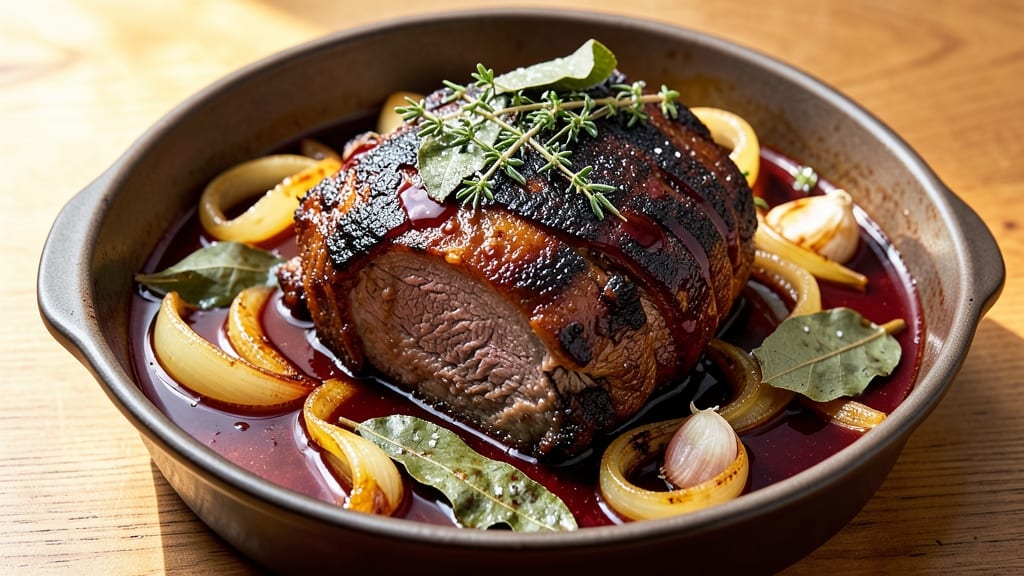
This apple cider braised beef shoulder delivers fork-tender meat that falls apart with every bite, all thanks to the magic of slow-cooked apple cider. The natural acids and sugars in the cider break down tough fibers while infusing the beef with sweet, aromatic depth—transforming a budget cut into something restaurant-worthy.
What starts as a simple sear becomes a rich, caramelized masterpiece after hours in the oven, where the cider reduces into a glossy, spiced sauce that clings to every strand of meat.
The beauty of this recipe lies in its fail-safe method: no fancy techniques required, just patience and a few key steps. You'll begin with a deep sear to develop flavor, then let the apple cider work its magic in the oven, where the meat becomes so tender it practically melts.
The spices—cinnamon, thyme, and bay leaf—echo autumn flavors while balancing the cider's natural sweetness, creating a sauce that's both comforting and sophisticated. This dish proves that slow cooking isn't just about time—it's about transforming humble ingredients into something extraordinary.
By the time you're ready to serve, you'll have beef that's perfectly tender with a surface glaze of caramelized cider, and a sauce so rich it deserves its own bowl. The aroma alone will have everyone gathering at the table, and the first bite will silence any skepticism.
This is the kind of meal that feels like a hug—warm, deeply flavorful, and impossible to resist. Pair it with creamy mashed potatoes or roasted root vegetables to complete the autumnal feast.
What makes this recipe truly special is how it elevates a simple cut of beef into something memorable, all while keeping the process straightforward. No need for expensive cuts or complicated methods—just time, patience, and the right balance of spices.
The result? A dish that's as impressive as it is delicious, perfect for gatherings or a cozy weeknight dinner when you want to feel like you've truly cooked something special.
Ingredients for apple cider braised beef shoulder
Six ingredients transform tough beef into melt-in-your-mouth perfection—no shortcuts, just time and spiced cider.
| Ingredient | Amount | Notes |
|---|---|---|
| Beef Shoulder 🥩 | 4 lb | Bone-in, cut into 2-inch chunks |
| Apple Cider 🍎 | 3 cups | 100% pure, no added sugar |
| Yellow Onion 🧅 | 1 whole | Chopped into wedges |
| Garlic Cloves 🧄 | 6 cloves | Smashed, not minced |
| Fresh Thyme 🌿 | ¼ cup | Stems removed, loosely packed |
| Bay Leaves 🍃 | 2 whole | Standard dried leaves |
| Ground Cinnamon 🌶️ | 1 tsp | True cinnamon, not cassia |
| Olive Oil 🫒 | 2 tbsp | High smoke point preferred |
| All-Purpose Flour 🌾 | 2 tbsp | For dredging meat |
| Salt 🧂 | 1 ½ tsp | Kosher or sea salt |
| Black Pepper 🌶️ | ½ tsp | Freshly ground |
| Fresh Rosemary 🌿 | ⅛ cup | Chopped, sprigs reserved |
| Brown Sugar 🍚 | 1 tbsp | Light or dark |
| Beef Broth 💧 | 1 cup | Low-sodium preferred |
The beef shoulder is your secret weapon here—bone-in gives more flavor, and the chunks should be roughly 2 inches for even cooking. Costco or local butchers often have it pre-cut, but if you're buying a whole shoulder, ask for it to be cut into chunks. Look for good marbling—the white fat streaks mean more flavor. The apple cider? Mott's or Woodchuck are my go-tos, but any 100% pure cider with no added sugar works. The spices are non-negotiable: fresh thyme and rosemary make all the difference over dried (trust me on this). If you can't find true cinnamon, cassia works but has a stronger flavor.
No apple cider? Unsweetened apple juice plus 1 tsp apple cider vinegar gets you close. Short on thyme? Dried thyme at half the amount works, but fresh is ideal. The brown sugar can be swapped for maple syrup or honey if you're avoiding refined sugar. For the flour, all-purpose is fine, but if you've got cornstarch, use that for a lighter dredge. The beef broth? Low-sodium is key—you don't want to over-salt the braise. And if you're feeling fancy, add a splash of bourbon with the cider for depth (about 2 tbsp).
This dish tastes even better the next day—3-4 days in the fridge, honestly. For leftovers, store in the braising liquid to keep it moist. Freezes beautifully for up to 3 months, and reheats like a dream. I always make a double batch because it's perfect for sandwiches or tacos later in the week. The sauce thickens as it cools, so if it's too thin when reheating, just simmer uncovered for 5 minutes to reduce. And save those bay leaves—they're good for 3-4 uses if stored in a dry place.
Why You'll Love This Recipe
- Foolproof Roast: I swear, this recipe forgives every mistake. Toss in a beef shoulder with whole spices, dump in apple cider, and let the oven do the work. No flipping, no fiddling—just set it and forget it until that rich, caramelized crust forms.
- Cider-Garlic Magic: That first bite? The apple cider tenderizes the beef while the garlic and thyme create this deep, savory-sweet harmony. It’s like a hug in a bowl—warm, comforting, and impossible to resist.
- Leftovers That Shine: Between us, the second day is better. The beef gets even more fall-apart tender, and the sauce thickens into a glossy glaze. Pack it for lunches or serve it over mashed potatoes—it’s always a win.
Step-by-step instructions for apple cider braised beef shoulder
Here's how to transform tough beef shoulder into melt-in-your-mouth perfection using apple cider's natural magic.
Sear the Beef Shoulder for Deep Flavor
Pat the 4 lb beef shoulder dry with paper towels—this ensures a proper sear. Heat 2 tablespoons olive oil in a large Dutch oven over medium-high heat until shimmering. Working in batches if needed, add the beef and sear for 4-5 minutes per side until deeply browned. You're building flavor here, so don't rush—those caramelized crusts will dissolve into the braising liquid later.
Once browned, transfer the beef to a plate. The meat should have a rich, mahogany crust. While it rests, sprinkle 2 tablespoons all-purpose flour over the browned bits in the pot and stir vigorously for 30 seconds to remove any remaining fond. This step creates a natural roux that thickens your braising liquid beautifully.
Build the Spiced Apple Cider Base
Return the seared beef to the pot. Add the 1 whole yellow onion (chopped into wedges), 6 smashed garlic cloves, 0.25 cup fresh thyme, 2 whole bay leaves, 1 teaspoon ground cinnamon, 1.5 teaspoons salt, 0.5 teaspoon black pepper, 0.125 cup chopped fresh rosemary, and 1 tablespoon brown sugar. Stir everything together so the spices coat the beef and aromatics.
Pour in the 3 cups apple cider and 1 cup beef broth, scraping up any browned bits from the bottom. The liquid should come about halfway up the beef. Bring to a simmer over medium heat, then immediately reduce to low heat—you want just a gentle bubble, not a rolling boil. Cover tightly with a lid and let it cook for 2 hours before checking for doneness.
Braise Until Fork-Tender
After the initial 2 hours, check the beef's tenderness by inserting a fork into the thickest part. If it slides in easily with no resistance, it's ready. If not, return it to the pot and continue braising, adding ½ cup hot water if the liquid level gets too low. The beef should cook for a total of 3-4 hours until it's fork-tender and falling apart.
Here's the thing—patience pays off. The apple cider's natural sugars and acids break down the tough connective tissue, while the slow cooking transforms the meat into luxurious, melt-in-your-mouth perfection. You'll know it's done when the meat pulls apart easily and the braising liquid has reduced to a rich, glossy sauce.
Rest and Serve with Pan Sauce
Once the beef is perfectly tender, remove it from the pot and transfer to a serving platter. Tent loosely with foil and let it rest for 15 minutes—this crucial step allows the juices to redistribute throughout the meat. Skipping this will leave you with dry, stringy slices instead of juicy perfection.
While the beef rests, skim off any excess fat from the braising liquid, then return the pot to medium heat. Simmer the sauce uncovered for 5-7 minutes to reduce it slightly and thicken it further. Taste and adjust seasoning if needed—you might want to add a pinch more salt or a splash of apple cider to balance the flavors.
Slice the beef against the grain into ½-inch thick slices and serve with the pan sauce spooned generously over the top. The result should be rich, tender beef with a glossy, aromatic sauce that's perfectly balanced between sweet and savory. This is comfort food at its finest—warm, inviting, and impossible to resist.
Pro Tips For Making Apple Cider Braised Beef Shoulder
- Brown the Beef First: I learned this the hard way—skipping the sear means flavorless braise. Get that beef shoulder screaming hot in a Dutch oven for 8-10 minutes until deep brown crust forms. That’s where the Maillard reaction happens, and it’s non-negotiable for depth.
- Use Full-Strength Cider: Watered-down cider? Don’t bother. The acidity and sweetness balance the beef’s richness, but if you dilute it, you’ll end up with something that tastes like weak tea. Use 2 cups of straight, unadulterated apple cider—none of that "reduced" nonsense.
- Don’t Rush the Thyme: Fresh thyme needs time to infuse. Toss the sprigs into the pot with the onions early—let them simmer for at least 30 minutes before adding the beef. If you wait until the end, you’ll just get bitter, overcooked stems instead of fragrant aroma.
- Deglaze Aggressively: That browned-on fond? It’s liquid gold. Immediately after searing the beef, pour in the apple cider hot and scrape the bottom of the pot with a wooden spoon—every last bit. I used to skip this, and the sauce always tasted flat. Now I make sure to get every drop.
Regional styles of this dish
New England Style
In New England, this dish gets a cozy, rustic twist with the addition of dried apple slices (about ½ cup) tossed into the braising liquid during the final 30 minutes of cooking.
The local preference is for hard apple cider (like Woodchuck) and a touch of maple syrup (1 tbsp) instead of brown sugar to honor regional traditions. Serve with steamed clams or cornbread—a classic pairing at fall harvest dinners. 🍁
Southern BBQ Fusion
Down South, this recipe becomes a smoky-sweet showstopper by adding ½ cup BBQ sauce (like Sweet Baby Ray's) to the braising liquid during the last hour of cooking. Swap the cinnamon for 1 tsp smoked paprika and finish with crumbled bacon on top.
The result? A fall-off-the-bone beef that screams tailgate season. Pair with buttery cornbread and collard greens for a Southern feast. 🔥
French-Inspired Bourguignon
For a French bistro twist, replace the apple cider with 1 cup dry red wine (like Pinot Noir) and 2 cups beef broth, then add 8 oz mushrooms (sliced) and 1 pear (peeled and sliced) to the braise.
Deglaze the pot with 1 tbsp brandy after searing. The mushrooms and pear add earthy depth, while the wine creates a rich, velvety sauce. Serve with crusty baguette and mashed potatoes. 🍷
German Bratwurst Adaptation
In Germany, this dish transforms into a hearty bratwurst braise by replacing the beef with 2 lbs bratwurst sausages (like Johnsonville) and 1 cup dark beer (like Dortmunder) instead of apple cider.
Add 2 tbsp caraway seeds and 1 tbsp juniper berries to the spices. The result is a savory, slightly tangy stew perfect for Oktoberfest. Serve with pretzels and mustard on the side. 🍺
Italian Osso Buco Twist
For an Italian take, use bone-in veal shanks (about 3 lbs) instead of beef shoulder, and replace the apple cider with 2 cups white wine (like Vermentino) and 1 cup tomato passata.
Add 1 tsp fennel seeds and 1 sprig rosemary to the spices. The wine and tomato create a bright, acidic sauce that contrasts beautifully with the tender meat. Serve with risotto or polenta. 🍝
Modern Fusion with Coffee
For a bold, unexpected twist, add 1 tbsp instant espresso powder to the braising liquid during the last 30 minutes of cooking. The coffee deepens the sauce’s richness and cuts through the sweetness of the apple cider.
Garnish with toasted hazelnuts for crunch. This coffee-braised beef is a hit at modern diners and pairs perfectly with stout beer or dark chocolate dessert. ☕
Nutrition facts
Frequently asked questions
Can I use regular apple juice instead of apple cider?
The acidity in apple cider is key for tenderizing the beef—regular juice lacks that tang. For a substitute, mix 3 cups unsweetened apple juice with 1 tablespoon apple cider vinegar to mimic the acidity. If using sweetened juice, reduce the brown sugar to ½ tablespoon to balance flavors.
How do I know when the beef shoulder is fully tender?
Use the fork test: Insert a fork into the thickest part—if it slides in easily with no resistance, it's done. For extra assurance, check the internal temperature with a meat thermometer (203°F for pull-apart tenderness). If the liquid reduces too quickly, add ½ cup hot water to keep the beef submerged.
Can I make this recipe in a slow cooker?
Brown the beef first in a skillet, then transfer everything to a 6-quart slow cooker. Cook on low for 8 hours or high for 5-6 hours, adding ½ cup water if needed. The slow cooker's gentle heat enhances the apple cider's sweetness while keeping the beef tender. Just skip the final sauce reduction—it'll thicken naturally during cooking.
What if my sauce is too thin after braising?
Simmer the sauce uncovered for 5-7 minutes to reduce it, or mix 1 tablespoon cornstarch with 2 tablespoons cold water, stir into the sauce, and cook until thickened. For extra richness, whisk in 1 tablespoon butter at the end. If the sauce is too sweet, balance it with a splash of beef broth or a pinch of salt.
How long will leftovers keep, and can I freeze them?
Store leftovers in the fridge for 3-4 days in the braising liquid to retain moisture. For freezing, portion the beef and sauce into airtight containers for up to 3 months. Thaw overnight in the fridge, then reheat gently on the stove with a splash of water or broth to restore moisture. Leftovers taste even better the next day!