
Main Courses
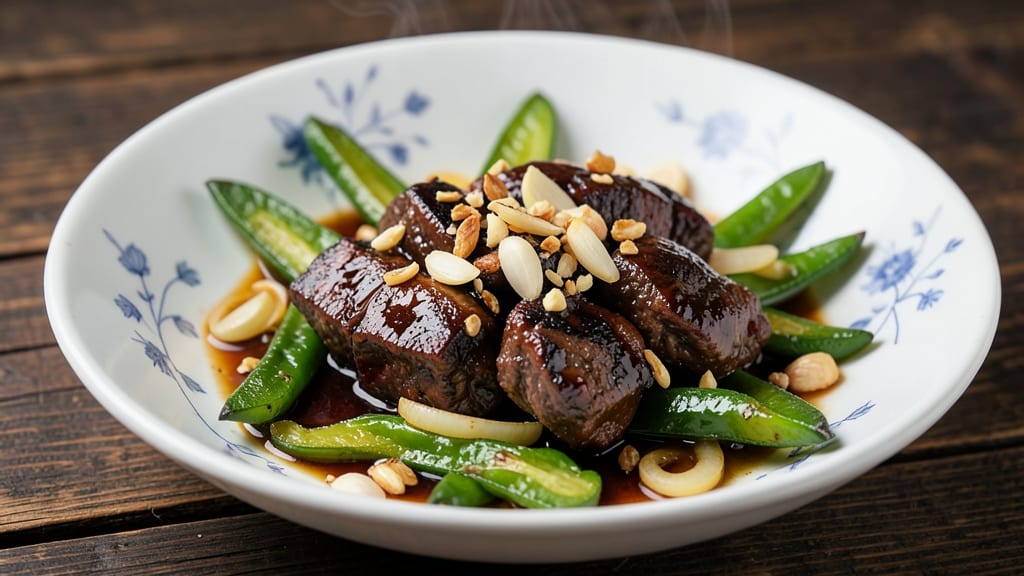
This beef ampalaya recipe panlasang Pinoy brings the bold, comforting flavors of Filipino home cooking to your table—where tender beef and silky bitter melon simmer in a rich, aromatic soy-ginger gravy. 🌟 After years of perfecting this dish, I’ve streamlined the process without sacrificing that signature Panlasang Pinoy depth of umami and tang.
The key lies in properly prepping the ampalaya (bitter melon) to remove bitterness while preserving its signature texture, then balancing it with the perfect blend of soy sauce, vinegar, and ginger.
The beauty of this recipe is in its simplicity: just a handful of pantry staples and a few hands-on steps create a dish that’s restaurant-quality yet effortless.
You’ll start with searing the beef for deep flavor, then build the sauce layer by layer—garlic and ginger sautéed until fragrant, soy sauce and vinegar creating that signature tang, and finally, the ampalaya melting into the gravy until silky smooth. The result?
A dish that’s rich, savory, and just slightly sweet, with the bitter melon adding a unique texture that’s oddly addictive.
What makes this recipe truly special is how it transforms a humble vegetable into a star. The ampalaya softens just enough to absorb the gravy’s flavors while maintaining a satisfying bite, all while the beef stays tender and juicy.
Serve it over steamed rice with a side of atchara (pickled papaya) for the full Panlasang Pinoy experience—where every bite is a taste of home.
This dish is perfect for weeknight dinners or family gatherings, as it scales beautifully and tastes even better the next day. The flavors develop and deepen as it sits, making it ideal for meal prep. Let’s get cooking—your taste buds are in for a treat!
Ingredients for beef ampalaya recipe panlasang pinoy
These 15 ingredients transform humble pantry staples into restaurant-quality Filipino comfort food.
| Ingredient | Amount | Notes |
|---|---|---|
| Beef Chuck Roast 🥩 | 1 ½ lb | Cut into 1-inch cubes |
| Ampalaya (Bitter Melon) 🥬 | 2 medium | Peeled, deseeded, cut into chunks |
| Yellow Onion 🧅 | 1 whole | Thinly sliced |
| Garlic Cloves 🧄 | 6 cloves | Minced |
| Fresh Ginger 🌿 | 2 tbsp | Grated, peeled |
| Soy Sauce 🥄 | ½ cup | Dark or regular |
| Cane Vinegar 🍶 | ¼ cup | Or white vinegar |
| Tomato Paste 🍅 | 2 tbsp | Squeeze tube preferred |
| Sugar 🍚 | 1 tbsp | White granulated |
| Vegetable Oil 🫒 | ¼ cup | For searing |
| Salt 🧂 | 1 tsp | Kosher or sea salt |
| Black Pepper 🌶️ | ½ tsp | Freshly ground |
| Ground White Pepper 🌶️ | ¼ tsp | Traditional for Panlasang Pinoy |
| Green Bell Pepper 🌶️ | 1 whole | Sliced, optional garnish |
| Fresh Thai Basil 🌿 | ¼ cup | Chopped, optional garnish |
The beef is the foundation—chuck roast gives that signature fall-apart texture, but sirloin or round steak works in a pinch. Cut it into even 1-inch cubes for consistent cooking. Ampalaya (bitter melon) is the star, so pick firm, green ones from Asian markets—they’re less bitter. The soy sauce should be dark for depth, but regular works if that’s what you’ve got. For ginger, use fresh—it makes all the difference, but if you’re in a hurry, powdered works at half the amount. Most grocery stores carry bitter melon now, but Filipino markets often have the freshest selection.
No bitter melon? Zucchini or eggplant can mimic the texture, though they won’t have the same flavor profile. Short on soy sauce? Coconut aminos in a 1:1 ratio works surprisingly well. The tomato paste is non-negotiable for that rich, umami base—squeeze tubes from Trader Joe’s are perfect for this. For the vinegar, cane vinegar is traditional, but white vinegar adds tanginess too. The green bell pepper and Thai basil are optional but add freshness—skip them if you’re keeping it classic. The key to balancing the bitterness is the sugar, so don’t skimp there.
This dish tastes even better the next day as the flavors meld. Store leftovers in an airtight container in the fridge for up to 5 days. For meal prep, double the recipe—it reheats beautifully. The ampalaya softens further when reheated, so add a splash of water if it seems too thick. Freezes well for 3 months, though the texture changes slightly. Serve over steamed rice with a side of atchara (pickled papaya) for the full experience. The gravy thickens as it cools, so thin with a splash of water if needed when reheating.
Why You'll Love This Recipe
- One-Pot Magic: I swear by this—just brown the beef, toss in chopped ampalaya and aromatics, then let the pressure cooker do the work. No extra pans, no fuss, and that rich beef broth reduces right into the sauce.
- Ginger-Garlic Bomb: Between us, the fresh ginger and garlic here aren’t just flavor—they’re alive. That first bite of tender beef with the bright, slightly spicy kick? It’s the kind of taste that makes you close your eyes and sigh.
- Leftovers That Don’t Suck: Honestly, this dish improves the next day. The ampalaya softens further, the beef gets even more fall-apart, and reheating takes two minutes. Pack it for lunch or freeze half—no one will guess it’s not fresh.
- Budget Beef Win: Chuck roast is cheap, and ampalaya stretches like crazy. I make this for six people for under $15, and somehow, it always disappears. My secret weapon for feeding a crowd without breaking the bank.
Step-by-step instructions for beef ampalaya Panlasang Pinoy
Transform tough beef into tender morsels and bitter melon into a silky, flavorful dish with this authentic method.
🔥 Step 1: Sear the Beef for Deep Flavor
Heat the 0.25 cup vegetable oil in a large pot over medium-high heat until shimmering. Add the 1.5 lb beef chuck roast cut into 1-inch cubes, working in batches if needed to avoid crowding. Sear for 3-4 minutes per side until the beef develops a rich brown crust—this Maillard reaction builds the foundation of your sauce.
Don't rush this step. You'll know the beef is ready when it releases easily from the pot and has a deep caramelization. Remove the seared beef and set aside temporarily. If the oil starts smoking excessively, reduce the heat slightly—you want flavor, not burnt bits.
🍳 Step 2: Build the Savory Base with Aromatics
In the same pot, add the 1 whole yellow onion (thinly sliced) and cook for 3-4 minutes until softened and lightly golden. Stir in the 6 cloves minced garlic and 2 tbsp grated fresh ginger, cooking for 30 seconds until fragrant—this should take mere seconds as garlic burns quickly.
Add the 2 tbsp tomato paste and stir vigorously to coat the bottom of the pot. This creates a rich, caramelized base that thickens your sauce beautifully. Pour in the 0.5 cup soy sauce and 0.25 cup cane vinegar, scraping up any browned bits from the bottom. These ingredients will form the tangy, umami backbone of your dish.
🥘 Step 3: Simmer the Beef and Ampalaya Together
Return the seared beef to the pot and add 2 cups water (enough to barely cover the beef). Bring to a gentle boil, then reduce heat to low-medium and cover partially. Simmer for 45-50 minutes until the beef is fork-tender and the liquid reduces by half. Stir occasionally to prevent sticking.
After 30 minutes of simmering, add the 2 medium peeled and deseeded bitter melon chunks. The bitter melon will soften beautifully in the rich beef broth. Taste the sauce and adjust seasoning with 1 tsp salt, 0.5 tsp black pepper, and 0.25 tsp ground white pepper—this last ingredient is traditional for authentic Panlasang Pinoy flavor.
⏰ Step 4: Finish with Sweetness and Garnish
Stir in the 1 tbsp sugar and let the sauce simmer uncovered for another 10-15 minutes until slightly thickened and the bitter melon is tender when pierced with a fork. The sugar balances the bitterness of the ampalaya while enhancing the caramelized flavors in the sauce.
Garnish with sliced green bell pepper and 0.25 cup chopped fresh Thai basil just before serving. The basil adds a fresh, aromatic finish that brightens the rich, savory dish. Serve hot over steamed rice to soak up every last drop of that luxurious soy-ginger gravy.
Pro Tips For Making Beef Ampalaya Recipe Panlasang Pinoy
- Brown the Beef First: Ampalaya’s bitterness needs something rich to balance it, and that starts with a deep, dark crust on your beef. Sear the chuck roast in 2 tablespoons of oil over medium-high heat for 5-6 minutes per side—don’t rush, or you’ll end up with tough meat. The Maillard reaction here isn’t just for flavor; it’s the foundation that keeps the bitter melon from overpowering the dish.
- Peel the Ampalaya Right: I used to slice the bitter melon whole, seeds and all, then regret it when the dish tasted like soap. Instead, halve the ampalaya lengthwise, scoop out the seeds with a spoon, then peel the skin off with a paring knife—it’s slippery, so grip it firmly. The flesh should be tender enough to slice into ½-inch rounds without resistance.
- Bloom the Ginger Slowly: Fresh ginger in this dish isn’t just for aroma—it’s the bridge between the beef’s richness and the ampalaya’s bitterness. Slice it paper-thin (about ⅛-inch) and cook it in the same pan as the garlic and onions over low heat for 3-4 minutes. Let it soften and release its oils before adding anything else, or you’ll end up with raw, sharp chunks.
- Simmer, Don’t Boil: The moment you add the beef broth, drop the heat to low and let it barely bubble—think of a lazy simmer, not a rolling boil. I learned this the hard way when my first batch turned the ampalaya into a mushy, waterlogged mess. A gentle simmer (30-45 minutes) keeps the melon crisp-tender and the beef fork-shreddable, not stringy.
Serving suggestions for this dish
Rice Pairing Essentials
Steamed white rice is the classic companion to beef ampalaya, soaking up every bit of that rich soy-ginger gravy. I recommend using jasmine rice—its delicate floral aroma complements the dish beautifully. For extra fluffiness, rinse the rice 3-4 times before cooking and use a 1:1.5 rice-to-water ratio.
Serve immediately after steaming while the rice is still hot, as cold rice can make the gravy taste flat. 🍚
Pickled Papaya (Atchara)
No Filipino meal is complete without a tangy side like atchara (pickled papaya). Thinly slice 1 small green papaya and soak in a mix of ½ cup vinegar, 2 tbsp sugar, 1 tsp salt, and 1 tsp mustard seeds for at least 4 hours before serving.
The crisp, sweet-sour contrast cuts through the richness of the beef ampalaya perfectly. Store-bought atchara works too—just check for no added preservatives. ❄️
Simple Green Salad
A light mixed greens salad with a lime-vinaigrette adds freshness to balance the dish. Toss 4 cups baby spinach with 2 tbsp olive oil, 1 tbsp lime juice, ½ tsp salt, and a pinch of chili flakes for a zesty kick.
Skip the croutons—Filipino meals lean toward clean, vibrant sides that don’t compete with the main dish. 🥗
Garlic Fried Rice
For a heartier meal, make garlic fried rice using leftover rice. Sauté 3 cloves minced garlic in 1 tbsp oil until fragrant, then add 2 cups cold rice, 1 egg, and 1 tbsp soy sauce.
Stir-fry until crispy and serve alongside the beef ampalaya. This adds texture and turns leftovers into a satisfying second meal. 💪
Dipping Sauce Options
Serve with a small bowl of calamansi juice (or lime juice) mixed with a pinch of salt and sugar for a refreshing sipper. For extra richness, blend ½ cup sour cream with 1 tbsp vinegar and ½ tsp black pepper—this creamy dip pairs wonderfully with the tender beef.
Keep it simple: Filipino meals shine when the sides complement, not overpower. 🍶
Nutrition facts
Frequently asked questions
Why does the ampalaya taste so bitter in this recipe?
The bitterness in ampalaya (bitter melon) is natural, but this recipe balances it perfectly with 1 tbsp sugar and 0.25 cup cane vinegar—the vinegar's tang cuts through while the sugar rounds out the flavors. The long simmering time (60 minutes total) also softens the vegetable and lets it absorb the rich beef broth, reducing perceived bitterness.
Can I substitute bitter melon if I can't find ampalaya?
Yes! For a similar texture, use zucchini or eggplant—both work well, though they won't have the same flavor. If you want closer results, try 1 small kabocha squash (Japanese pumpkin) cut into chunks. The key is to add them 30 minutes before the end of cooking so they soften properly. For bitterness, add ½ tsp extra sugar to mimic the ampalaya's profile.
How do I make this dish less greasy?
The sauce should be rich but not greasy—simmer it uncovered for the last 10-15 minutes to reduce excess liquid and thicken the gravy. If it's still too heavy, blend ½ cup of the sauce separately and stir it back in for a smoother, velvety texture. For extra freshness, serve with a side of lime wedges to cut through richness.
What's the secret to tender beef in this recipe?
The secret is two-fold: First, sear the beef until deeply browned (3-4 minutes per side) to lock in juices. Second, simmer it covered on low-medium heat for 45-50 minutes—this slow cooking breaks down collagen for melt-in-your-mouth tenderness. Never rush this step, or the beef will turn tough.
Can I make this recipe in a slow cooker?
Sear the beef first, then transfer everything (including 2 cups water) to your slow cooker. Cook on low for 6-7 hours or high for 3-4 hours. Add the ampalaya 30 minutes before serving to prevent it from turning mushy. The slow cooker method actually enhances the beef's tenderness even more!