
Soups & Stews
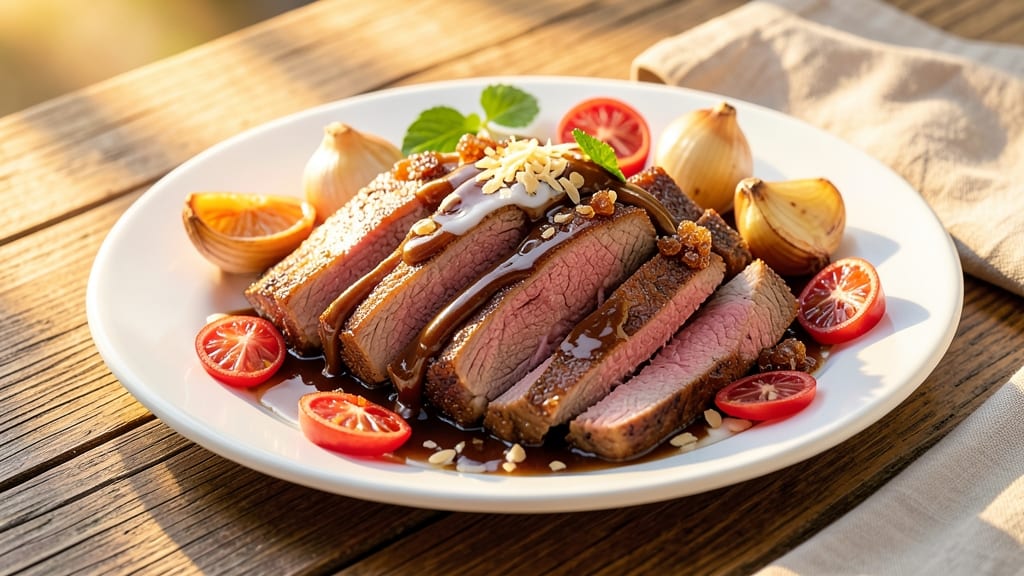
This beef asado recipe panlasang Pinoy delivers melt-in-your-mouth tenderness with a signature soy-vinegar glaze that balances smoky char and sweet-savory depth. 🔥 The secret lies in marinating the beef overnight in a blend of soy sauce, calamansi, and garlic—a technique that transforms tough cuts into fork-tender perfection.
What sets this dish apart is its Filipino soul: a communal meal built around grilled meat, served with crisp garlic rice and tangy pickled vegetables.
The recipe begins with a marinade that tenderizes the beef while infusing it with layers of flavor—soy sauce for umami, vinegar for brightness, and a touch of brown sugar for caramelized richness. Grilling (or oven-broiling) locks in juices, creating that signature charred crust that Filipinos crave.
The key to success? Low-and-slow cooking to ensure every bite is juicy, not dry. This isn't just a dish; it's a celebration of Filipino fiesta culture, where meat is the centerpiece and every bite tells a story.
By the time you serve this asado, your kitchen will smell like a backyard barbecue, and your guests will be reaching for seconds. The soy-vinegar glaze caramelizes beautifully, adding a sticky-sweet contrast to the smoky grilled beef.
Pair it with garlic rice, atchara (pickled papaya), and ensaladang talong (grilled eggplant salad) for the full Filipino feast experience. The best part? This recipe works on any grill, stovetop, or even in the oven, making it accessible for modern kitchens.
For plating, slice the beef against the grain for maximum tenderness, then arrange it on a platter with the marinade drizzled over the top. Garnish with fresh calamansi wedges and chopped green onions for a pop of color and acidity.
Serve family-style, as Filipinos do, so everyone can dig in together. This asado isn't just a meal—it's a taste of home, no matter where you are.
Ingredients for beef asado recipe panlasang pinoy
Six ingredients transform tough beef into melt-in-your-mouth Filipino asado perfection.
| Ingredient | Amount | Notes |
|---|---|---|
| Beef Chuck Roast 🥩 | 3 lb | Cut into 2-inch cubes, trimmed of fat |
| Soy Sauce 🍶 | ½ cup | High-quality Filipino or Japanese preferred |
| Calamansi Juice 🍋 | ¼ cup | Substitute with lime juice if unavailable |
| Garlic Cloves 🧄 | 8 cloves | Minced finely for maximum flavor |
| Brown Sugar 🍚 | ¼ cup | Light or dark, packed |
| White Vinegar 💧 | ¼ cup | For tangy brightness |
| Olive Oil 🫒 | ¼ cup | For marinade and grilling |
| Black Peppercorns 🌶️ | 1 tsp | Freshly cracked for robust flavor |
| Bay Leaves 🌿 | 2 whole | For aromatic depth |
| Onion 🧅 | 1 whole | Large yellow, sliced into strips |
| Green Onions 🌱 | ¼ cup | Chopped, for garnish |
| Salt 🧂 | 1 ½ tbsp | Diamond Crystal preferred |
| Ground Black Pepper 🌶️ | 1 tsp | Freshly ground for best flavor |
The beef selection is critical—chuck roast delivers that signature fork-tender texture when marinated overnight. Costco or local butcher shops often carry pre-cut beef chunks, but if buying whole, ask for chuck roast with good marbling. The fat renders down during cooking, keeping the meat juicy. For authentic Filipino flavor, sourced soy sauce from Asian markets (like Golden Mountain or Lee Kum Kee) adds depth beyond regular grocery store brands. Calamansi is the soul of this dish—if unavailable, substitute with lime juice but reduce to 2 tablespoons for similar acidity. The garlic should be freshly minced—pre-minced garlic loses flavor quickly.
No calamansi? Lime juice works in a pinch, though it lacks the exact tartness. The vinegar can be swapped for apple cider vinegar if needed, but white vinegar provides the classic tang. For extra richness, add 1 tablespoon of coconut aminos to the marinade. The brown sugar caramelizes beautifully during grilling, so don't skip it—light or dark works equally well. When grilling, char the onions first for smoky depth, then toss them with the beef. The bay leaves infuse subtle aroma; remove before serving as they're not typically eaten. For a smokier flavor, char the garlic lightly before mincing—this enhances its sweetness.
Marinate the beef for at least 8 hours, ideally overnight in the fridge. The longer it marinates, the more tender it becomes. Double the marinade if you're serving a crowd—this recipe scales easily. Store leftover beef in an airtight container for up to 3 days in the fridge, or freeze for up to 3 months. Reheat gently in a skillet with a splash of water to retain moisture. The marinade leftovers make a fantastic stir-fry sauce—simply reduce it on the stove until syrupy. For presentation, slice the beef against the grain for maximum tenderness, then arrange on a platter with the charred onions and garnish with fresh green onions for color.
Why You'll Love This Recipe
- One-Pan Magic: I swear by this—just toss the beef, garlic, and sauce in one pan, and walk away. The chuck roast practically melts into tender perfection while you handle the rest of dinner (or binge your favorite show).
- Tangy-Sweet Fix: That calamansi juice cuts through the richness like a bright citrus hug, while the brown sugar caramelizes into a glossy, addictive glaze. It’s the kind of balance that makes you reach for seconds without even thinking.
- Leftover Goldmine: Between us, this beef gets better the next day. Slice it thin for sinigang, toss it into fried rice, or just reheat it straight up—it’s my go-to for lazy lunches when I’m too tired to cook.
- Budget Hero: A single chuck roast feeds my whole family plus leftovers, and the pantry staples (soy sauce, brown sugar) don’t break the bank. Honestly, it’s the kind of meal that makes grocery day feel like a win.
Step-by-step instructions for beef asado with soy-vinegar gloss
This method delivers melt-in-your-mouth tenderness with a glossy, smoky-sweet exterior every time.
👨🍳 Step 1: Marinate the Beef for Maximum Flavor Penetration
In a large bowl, combine the 3 lb beef chuck roast (cut into 2-inch cubes), 0.5 cup soy sauce, 0.25 cup calamansi juice, 0.25 cup brown sugar, 0.25 cup white vinegar, 0.25 cup olive oil, 1 tsp freshly cracked black peppercorns, 2 whole bay leaves, 1.5 tbsp salt, and 1 tsp freshly ground black pepper. The vinegar and calamansi juice will start breaking down the beef fibers immediately—this is why we marinate for at least 4 hours (overnight is ideal).
Use your hands to massage the marinade into the beef, ensuring every cube is fully coated. Place the bowl in the refrigerator and let it marinate uncovered for at least 4 hours—this allows the acidity to tenderize while the soy and sugar penetrate deeply. The marinade should look like a thick, glossy syrup clinging to the beef.
🔥 Step 2: Preheat and Prepare the Grill for Perfect Sear
Preheat your grill to medium-high heat (around 400°F) and clean the grates thoroughly with a wire brush. I like to oil the grates just before cooking by brushing them with a paper towel dipped in olive oil—this prevents sticking and creates those beautiful grill marks. Let the grill heat for 10-15 minutes until it's hot enough to sear the beef immediately upon contact.
While the grill heats, prepare the onions: slice the whole onion into ¼-inch strips and toss them with 1 tbsp olive oil, ½ tsp salt, and ¼ tsp black pepper. These will caramelize beautifully alongside the beef. Keep the marinated beef in its juices until just before grilling—this prevents drying out.
🍳 Step 3: Grill the Beef Until Perfectly Browned and Tender
Remove the beef from the marinade (reserve the marinade for basting) and thread the cubes onto skewers if using, or place them directly on the grill grates. Sear the beef for 3-4 minutes per side until deeply browned with crosshatch grill marks. You'll see the edges start to crisp—that's your signal to flip. The internal temperature should reach 145°F for medium-rare (use a meat thermometer for accuracy).
Once seared, baste the beef with the reserved marinade using a basting brush, letting it sizzle for 30 seconds to caramelize the sugars. Repeat this basting every 2-3 minutes until the beef reaches 160°F internally. This basting creates that signature glossy sheen while keeping the meat juicy. The onions should be caramelized and slightly charred—remove them when they're golden brown.
⏰ Step 4: Rest and Garnish for Optimal Texture
Transfer the grilled beef to a cutting board and tent loosely with foil. Let it rest for 10 minutes—this crucial step allows the juices to redistribute throughout the meat. If you skip this, you'll end up with dry, stringy beef. During this time, chop the 0.25 cup green onions for garnish and prepare your serving platter.
After resting, slice the beef against the grain into ½-inch thick pieces. The meat should be fork-tender with a juicy, smoky interior and a caramelized exterior. Arrange the sliced beef on a platter, drizzle with any remaining pan juices, and garnish with the chopped green onions. Serve immediately with the caramelized onions on the side for maximum flavor impact.
Pro Tips For Making Beef Asado Recipe Panlasang Pinoy
- SEAR THE BEEF FIRST: Before you even think about the sauce, get that chuck roast screaming hot in a dry pan—no oil needed. I learned this the hard way: skipping the sear means a bland, grayish mess instead of that caramelized crust that holds up to the tangy asado sauce.
- MINCE GARLIC FINE: Don’t just chop those garlic cloves—smash them with the flat side of your knife first, then mince into a paste. Sounds weird, but it works: the garlic blends smoother into the sauce and doesn’t clump when you’re tossing the beef later.
- DON’T DROWN THE BEEF: The sauce should coat, not swim. After searing, add just enough soy, calamansi, and brown sugar to lightly glaze the meat—about ¼ cup total. Too much liquid = soggy beef; too little = dry. Aim for sticky but not saucy.
- REST THE MEAT UNDER FOIL: Once the beef hits 160°F (or your preferred doneness), transfer it to a plate, tent with foil, and let it sit for 5-10 minutes. I skip this when I’m lazy, but the dish is noticeably better when I don’t—juices redistribute, and the slices stay tender.
Pro cooking tips for great beef asado recipe panlasang pinoy
Marinade Mastery
The secret to fork-tender asado lies in the marinade—let it work its magic for at least 8 hours, but overnight is ideal. I always use Filipino soy sauce (like Lee Kum Kee) for deeper umami, but Japanese soy works too.
The calamansi juice is non-negotiable for that signature tang—if unavailable, lime juice in half the amount works, but you'll miss that bright citrus punch. Pro tip: Add 1 tablespoon of coconut aminos to the marinade for extra richness. 🌟
Grill Temperature Control
Medium-high heat (400°F) is your sweet spot for perfect sear without burning. I use a Meater thermometer to monitor grill temp—fluctuations can ruin your crosshatch marks.
Oil the grates right before cooking with a paper towel dipped in olive oil; this prevents sticking and creates those iconic grill lines. For even cooking, arrange beef in a single layer—don't overcrowd the grill.
Basting Technique
Reserve half the marinade for basting—this creates that glossy sheen and caramelized crust. Use a basting brush to apply the marinade in 30-second bursts every 2-3 minutes, letting it sizzle before repeating.
The sugar in the marinade will caramelize beautifully, adding sweetness to balance the soy's saltiness. Don't skip this step—it's what makes restaurant-quality asado at home. 🔥
Onion Caramelization
Slice onions into ¼-inch strips and toss with 1 tbsp olive oil before grilling. They'll caramelize alongside the beef, adding sweetness and texture. Remove them when golden brown—these should be served on the side for maximum flavor impact. For extra depth, char the onions slightly before tossing with the beef.
Resting is Non-Negotiable
Let the beef rest for 10 minutes after grilling—this redistributes juices and prevents dryness. I've made this mistake too many times! Tent loosely with foil and resist the urge to slice early.
The meat will firm up slightly as it rests, making it easier to slice against the grain for maximum tenderness. 💡
Oven Alternative
No grill? No problem. Preheat your oven to 425°F and place the beef on a wire rack over a baking sheet. Broil for 5-7 minutes per side, basting with marinade every 2 minutes.
Watch closely to avoid burning—this method works surprisingly well for that smoky flavor. The onions can go on the same rack for caramelization.
Nutrition facts
Frequently asked questions
What's the best cut of beef for Filipino asado?
Use chuck roast for the most tender results—it's the traditional choice for asado. The fat marbling keeps the meat juicy during grilling. If chuck isn't available, top round or sirloin tip work well, but marinate them 12 hours instead of 8 for extra tenderness.
Can I make this asado without a grill?
Use your oven's broiler setting at 425°F for 5-7 minutes per side, basting every 2 minutes with reserved marinade. For stovetop, sear in a cast-iron skillet over high heat until browned, then finish in the oven at 375°F until 160°F internal temp. The key is high heat for searing and controlled cooking for tenderness.
How do I adjust the recipe for a crowd?
Double all ingredients and marinate the beef in a large ziplock bag for even coating. Use two grills or grill in batches to avoid overcrowding. For serving, arrange on a banquet-style platter with extra caramelized onions and extra marinade for dipping. This recipe easily serves 10-12 people when scaled up.
Why did my asado turn out dry?
Most likely, you skipped the 10-minute rest or overcooked the beef. Always use a meat thermometer—160°F internal temp is perfect. For extra juiciness, add 1 tbsp soy sauce to the beef before serving. The marinade also helps retain moisture, so don't skip the overnight soak.
What are the best Filipino sides to serve with asado?
Complete the meal with garlic fried rice, atchara (pickled papaya), and ensaladang talong (grilled eggplant salad). For drinks, serve calamansi juice or iced tsokolate. These sides balance the rich, smoky flavors of the asado perfectly. The tangy atchara cuts through the richness while the rice soaks up all the juices.