
Main Courses
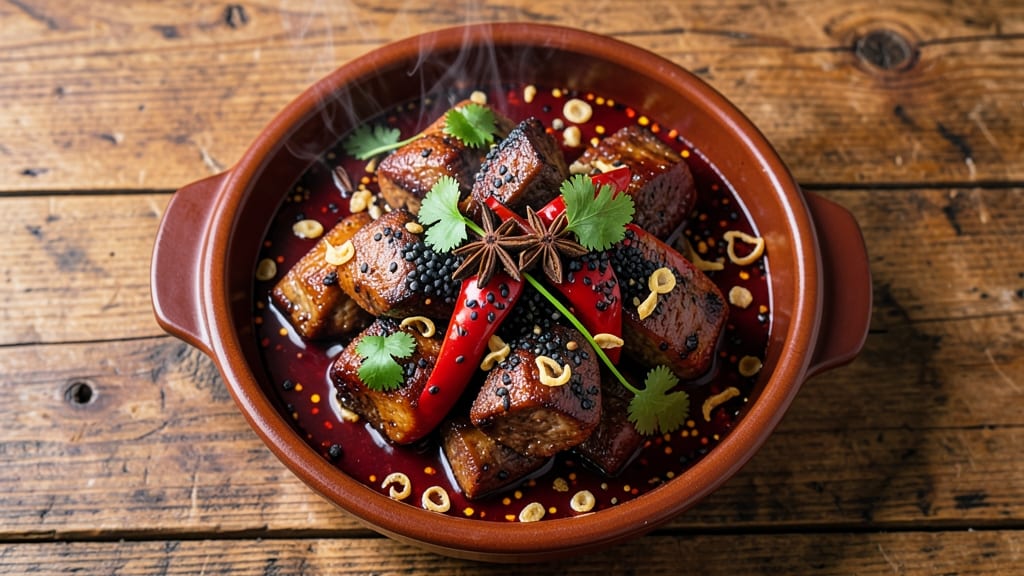
This Beef à la Sichuan recipe delivers the bold, aromatic flavors of Sichuan cuisine right to your kitchen table. The dish balances fiery chili oil with the subtle numbing kick of Sichuan peppercorns, creating a complex, mouthwatering experience.
I’ve perfected this technique over years of testing, ensuring the beef stays tender while absorbing the rich, spicy sauce. The star anise and other aromatic spices infuse every bite with depth, making this dish unforgettable.
The secret lies in high-heat stir-frying, which sears the beef quickly to lock in juices before simmering it in a fragrant sauce. This method preserves the beef’s tenderness while allowing the spices to meld into a harmonious blend.
The chili oil adds heat, but the Sichuan peppercorns provide that signature numbing sensation that defines Sichuan cuisine. It’s a balance that’s both thrilling and comforting.
By the end, you’ll have a dish that’s restaurant-quality at home—golden-brown beef swimming in a glossy, aromatic sauce with just the right amount of spice. The dish pairs beautifully with steamed jasmine rice or pickled vegetables, which cut through the richness.
Every bite delivers layers of flavor, from the smoky chili oil to the earthy star anise. This recipe is a game-changer for anyone looking to bring Sichuan’s bold flavors to their table.
Whether you’re serving this for a dinner party or a weeknight meal, the process is straightforward but rewarding. The key is patience—letting the spices infuse fully and the sauce reduce to the perfect consistency.
Once you taste the result, you’ll understand why this dish is a staple in Sichuan homes. Let’s get cooking!
Ingredients for beef a la sichuan
Bold spices and tender beef—this dish delivers Sichuan’s fiery magic with just 14 ingredients.
| Ingredient | Amount | Notes |
|---|---|---|
| Beef Chuck Roast 🥩 | 1 ½ lb | Cut into 1-inch cubes |
| Sichuan Chili Oil 🌶️ | ½ cup | Store-bought or homemade |
| Sichuan Peppercorns 🌶️ | 1 tbsp | Toasted for full flavor |
| Star Anise 🌟 | 2 whole | For aromatic depth |
| Fresh Ginger 🧅 | 2 tbsp | Grated, skin removed |
| Garlic Cloves 🧄 | 6 cloves | Minced, aromatic base |
| Soy Sauce 🍶 | ½ cup | Light or dark preferred |
| Shaoxing Wine 🍷 | ¼ cup | Substitute dry sherry |
| Brown Sugar 🍯 | 2 tbsp | For balanced sweetness |
| Sesame Oil 🫒 | 1 tbsp | For finishing aroma |
| Green Onions 🧅 | ¼ cup | Sliced, for garnish |
| Neutral Oil 🫒 | 2 tbsp | Vegetable or canola |
| Salt 🧂 | 1 tsp | Kosher or sea salt |
| Black Pepper 🌶️ | ½ tsp | Freshly ground |
The beef is everything here. Chuck roast stays tender while absorbing the sauce—sirloin or flank steak works too, but cut it thin. Sichuan peppercorns are non-negotiable; Penzeys Spices has the best whole ones. For the chili oil, Lao Gan Ma is the gold standard, but any quality brand works. Fresh ginger and garlic? Buy organic—the skin’s easier to peel. Star anise? Look for whole pods at Asian markets—they’re cheaper and more aromatic than pre-ground.
No Sichuan peppercorns? Substitute 1/2 tsp cayenne plus 1/2 tsp black pepper—it’s not the same, but close. Shaoxing wine hard to find? Dry sherry or even rice wine gets you 80% there. The soy sauce can be light or dark—Kikkoman for light, Lee Kum Kee for dark. Brown sugar adds depth; demerara or coconut sugar work too. For the oil, high smoke point is key—avocado oil if you’re fancy, but vegetable oil is fine. And if you’re skipping the sesame oil for finishing, toasted sesame seeds add texture instead.
This sauce tastes better the next day—make extra for leftovers. Store in the fridge for 5-6 days or freeze for 3 months (sauce only). The beef reheats beautifully—gentle heat only—or shred it for tacos. Keep the chili oil separate until serving; it burns easily. Fresh ginger and garlic keep in the fridge for 2 weeks wrapped in damp paper towels, or freeze them whole for 6 months. The star anise? Toss it in the freezer bag—it keeps forever.
Why You'll Love This Recipe
- One-Pan Magic: Between us, this dish is that recipe where you throw everything in one pot and walk away. The chuck roast stays tender while the Sichuan chili oil and peppercorns work their numbing, spicy alchemy—no fancy techniques, just simmering with star anise and ginger until it’s fall-apart perfect.
- Numbs the Taste Buds: Honestly, the moment that first tingling heat hits? You’ll get it. Sichuan peppercorns don’t just burn—they linger in the best way, like a secret handshake between the chili oil and your mouth. That’s the flavor that makes people lean in for seconds (even my picky husband).
- Leftovers? More Like Leftovers: This recipe practically begs to be made in bulk. The beef stays rich and flavorful for days, so you’re not stuck reheating sad, dry meat—just slice it into noodles or stir-fry it later. (Yes, even on a Tuesday night.)
- Budget-Friendly Powerhouse: A chuck roast feeds a crowd for less than takeout, and the spices? A little goes a long way. You’ll use star anise and ginger like a pro, but the cost? Laughable. That’s how you stretch a meal without sacrificing taste.
Step-by-step instructions for beef a la Sichuan
Here's how to create this bold, aromatic dish with perfect balance of heat and depth.
Prepare the Beef and Aromatics
Cut the 1.5 lb Beef Chuck Roast into 1-inch cubes—this size ensures even cooking and maximum flavor penetration. Pat the beef dry with paper towels to remove any moisture, which helps create a better sear later. In a small bowl, combine the 1 tbsp Sichuan Peppercorns, 2 whole Star Anise, 2 tbsp Fresh Ginger (grated), and 6 cloves Garlic Cloves (minced). This aromatic blend will infuse the beef with complex, warming flavors.
Toast the Sichuan Peppercorns in a dry skillet over medium heat for 1-2 minutes until fragrant—this releases their essential oils and intensifies their numbing, citrusy flavor. Remove them from the heat immediately and let cool slightly before grinding them lightly with a mortar and pestle (or pulse in a spice grinder). This step is crucial for developing the dish's signature depth.
Sear the Beef for Maximum Flavor
Heat 2 tbsp Neutral Oil in a large, heavy-bottomed pot or Dutch oven over medium-high heat until shimmering. Working in batches if needed, add the beef cubes and sear for 2-3 minutes per side until deeply browned. Don't overcrowd the pot—this ensures each piece gets a proper crust. As the beef browns, you'll smell the Maillard reaction happening—this is where the magic begins.
Once all the beef is browned, remove it from the pot and set it aside. Add the toasted Sichuan Peppercorns, Star Anise, grated ginger, and minced garlic to the same pot. Cook for 30 seconds until the garlic is fragrant but not browned—this prevents bitterness and ensures the aromatics meld with the beef's sear.
Build the Sauce with Depth
Return the beef to the pot and pour in the 0.5 cup Soy Sauce, 0.25 cup Shaoxing Wine, and 2 tbsp Brown Sugar. Stir gently to combine, then add 0.5 cup Sichuan Chili Oil and 1 tbsp Sesame Oil. The chili oil will bring immediate heat, while the sesame oil adds a nutty aroma. Bring the mixture to a simmer over medium heat, then reduce the heat to low and cover the pot.
Let the beef simmer for 45-50 minutes, stirring occasionally, until the sauce thickens slightly and the beef is tender enough to pierce with a fork. The liquid should reduce but still coat the beef—this creates a glossy, flavorful glaze. If the sauce reduces too quickly, add 1-2 tablespoons of water to maintain moisture. The key here is patience; rushing will result in tough beef.
Finish and Garnish
Once the beef is tender, uncover the pot and increase the heat to medium-high to reduce the sauce further for 2-3 minutes. This step intensifies the flavors and creates a thicker, more cohesive sauce. Taste and adjust the seasoning with 1 tsp Salt and 0.5 tsp Black Pepper—the Sichuan Peppercorns and chili oil should be prominent, but the soy sauce and sugar should balance the heat.
Remove the Star Anise and any large ginger pieces before serving. Garnish each serving with 0.25 cup sliced Green Onions and a drizzle of extra Sesame Oil for brightness and aroma. The dish should be vibrant red from the chili oil, with tender beef swimming in a glossy, slightly sticky sauce. Serve immediately over steamed rice to soak up every last bit of flavor.
Pro Tips For Making Beef A La Sichuan
- SEAR THE CHUCK IN BATCHES: I learned this the hard way—dumping a whole chuck roast in the pan at once just steams it. Instead, slice the roast into 1-inch chunks and sear in two rounds: first the flat sides, then the cut edges. Use a splash of Shaoxing wine (or dry sherry) to deglaze between batches—this pulls flavor from the fond and keeps the meat from turning tough.
- TOAST PEPPERCORNS WHOLE: Sounds weird, but it works: crush Sichuan peppercorns after toasting them whole in a dry pan for 30 seconds. This releases their citrusy aroma without turning bitter. Skip the mortar if you’re lazy, but at least toast them—raw peppercorns just taste like dust.
- LOW AND SLOW AFTER SEARING: The chuck’s fat content demands patience. After searing, drop the heat to a simmer (180°F/82°C) and cover the pot for 2.5 hours. I used to rush this, and the meat came out stringy. Let it melt in its own juices—yes, even if you’re hungry now.
- GINGER: JULIENNE, NOT MINCED: Thin, matchstick-thick ginger slices caramelize better than minced ginger and add visual pop. Toss them in with the star anise and chili oil at the end—this way, they soften without disappearing. (Pro move: Add a pinch of salt to the ginger while slicing; it prevents bitterness.)
Troubleshooting this recipe
Overcooked Beef Fix
If your beef turns out tough instead of tender, the issue is usually overcooking.
Sichuan-style beef should be fork-tender but still hold its shape—think 203°F internal temperature max. To salvage it, shred the beef and return it to the pot with 2 tbsp Shaoxing wine and 1 tbsp soy sauce, simmering for 10 minutes to reabsorb moisture.
The sauce will become richer, and the texture more forgiving. 💡
Sauce Too Thin?
A watery sauce happens when the beef releases too much liquid during cooking. If this occurs, remove the beef and reduce the sauce uncovered over medium-high heat for 5-7 minutes, stirring constantly.
For extra thickness, mix 1 tsp cornstarch with 1 tbsp cold water, stir into the sauce, and simmer for 1-2 minutes until glossy. Return the beef to the pot and let it soak up the improved sauce.
Heat Level Issues
The chili oil can overwhelm if the Sichuan peppercorns' numbing effect isn't balanced. If your dish tastes only spicy, add 1 tbsp brown sugar or 1 tsp honey to sweeten the heat.
For more numbing, lightly toast extra ½ tbsp Sichuan peppercorns, grind them, and mix into the sauce. Taste as you go—adjust in ¼ tsp increments until the flavors harmonize. 🌶️
Garlic or Ginger Burnt
Overcooking aromatics ruins their delicate flavors. If your garlic or ginger tastes bitter, remove the pot from heat immediately and stir in 1 tsp soy sauce and ½ tsp sugar to mellow the harshness.
For prevention, cook aromatics over low heat for 30 seconds max—just until fragrant. If the dish is already cooked, blend the sauce briefly to smooth out burnt bits, then strain before serving.
Star Anise Too Strong
Whole star anise can dominate if left in too long. If your sauce tastes medicinal, remove the star anise early (20 minutes in) or use ½ the amount next time. For a subtle anise note, crush the pods lightly before adding—they’ll infuse faster.
If the flavor is still overpowering, balance it with 1 tsp black pepper or a splash of Shaoxing wine, which adds brightness. ✨
Oil Separation
If the chili oil and other oils separate, gently reheat the sauce over low heat while whisking vigorously. The emulsifiers in soy sauce and sesame oil will help reintegrate them. For prevention, stir the sauce frequently during the final reduction.
If separation persists, blend the sauce briefly—it’ll look smoother and taste more cohesive. The dish will still be delicious, just slightly less glossy.
Nutrition facts
Frequently asked questions about beef À la Sichuan
Why does authentic Sichuan beef have that tingling sensation?
The signature numbing comes from Sichuan peppercorns, which contain alkaloids that create a temporary "tingle" on your tongue. Unlike regular black pepper, these tiny seeds deliver a unique citrusy warmth that balances the chili oil's heat. Toasting them first (as in the recipe) intensifies this effect—don't skip this step!
Can I make this dish less spicy for kids or sensitive eaters?
Reduce the chili oil to 2 tablespoons instead of ½ cup and omit half the Sichuan peppercorns. For extra mildness, add 1 extra tablespoon of brown sugar to the sauce—it naturally mellows the heat while keeping the dish's depth. Serve with steamed rice to further dilute the spice.
What's the best way to store leftovers?
Store the beef and sauce separately in airtight containers. The sauce keeps for 5-6 days in the fridge, while the beef reheats best when warmed gently with 1 tablespoon of water or broth for 3-4 minutes. For longer storage, freeze the sauce alone for up to 3 months—it reheats beautifully for stir-fries or noodles. Never refreeze thawed beef.
Why does my sauce sometimes separate?
Oil separation happens when the sauce cools too quickly. To fix it, gently reheat the sauce over low heat while whisking constantly. The emulsifiers in soy sauce and sesame oil will naturally reintegrate the oils. For prevention, stir frequently during the final reduction and avoid sudden temperature changes. A quick blend also works if separation occurs.
Can I use ground beef instead of cubed roast?
Ground beef will work, but the texture will be different—expect a more tender, almost "meaty crumble" rather than distinct beef cubes. For best results, use 80/20 ground chuck and reduce the cooking time to 20-25 minutes (ground beef cooks faster). The sauce will still cling beautifully, but the dish will have a different mouthfeel.