
Main Courses
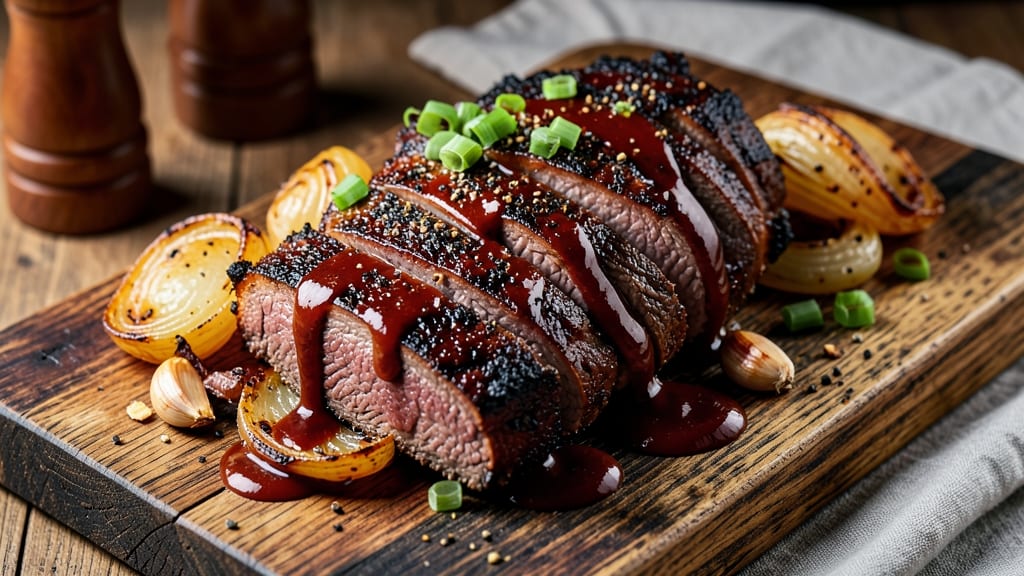
This BBQ beef brisket recipe grill transforms tough cuts into melt-in-your-mouth perfection—smoky char on the outside, buttery tenderness on the inside. After years of perfecting my technique (and burning through a few too many briskets), I've cracked the code for restaurant-quality results at home.
The secret? A long, slow cook that breaks down the meat while building deep, caramelized flavors.
What makes this recipe work is the balance between time and temperature—low and slow for tenderness, with just enough high heat to create that coveted bark. I use a simple dry rub of salt, pepper, and smoked paprika, then let the grill (or smoker) do the heavy lifting.
The key is patience: this isn't a quick weeknight meal, but the results are worth every minute of wait time. You'll know it's ready when the internal temperature hits 203°F and the meat practically falls apart with a fork.
By the time you're done, you'll have a brisket so tender it falls off the bone with each slice, coated in a glossy, smoky sauce that ties everything together. The aroma alone will have your whole neighborhood showing up for dinner.
This is the kind of meal that makes you feel like a pitmaster, even if you're just heating up your backyard grill. Serve with classic sides like tangy coleslaw, buttery cornbread, and pickles for that perfect balance of textures and flavors.
Confession: I still get nervous before firing up the grill, remembering the times I've overcooked or under-seasoned. But this method is foolproof—as long as you pay attention to that internal temperature.
Once you master it, you'll never buy brisket from the store again. Let's get started on creating your showstopper centerpiece.
Ingredients for bbq beef brisket recipe grill
Eight simple ingredients transform a tough cut into restaurant-quality brisket perfection.
| Ingredient | Amount | Notes |
|---|---|---|
| Beef Brisket 🥩 | 5 lb | Whole packer cut, fat cap on |
| Yellow Onion 🧅 | 1 whole | Cut into wedges |
| Garlic Cloves 🧄 | 8 cloves | Smashed, not minced |
| Smoked Paprika 🌶️ | 2 tbsp | High-quality for smoky flavor |
| Kosher Salt 🧂 | 2 tbsp | Diamond Crystal preferred |
| Coarse Black Pepper 🌶️ | 1 ½ tbsp | Freshly cracked |
| Brown Sugar 🍯 | 1 tbsp | Light or dark works |
| Apple Cider Vinegar 🍎 | 2 tbsp | For tangy balance |
| Wood Chips 🌳 | 2 cups | Hickory or oak preferred |
| Beef Broth 💧 | 1 cup | Low-sodium preferred |
| Apple Juice 🍎 | 1 cup | Sweetens the bark |
| Mustard 🍯 | 1 tbsp | Yellow or Dijon |
| Olive Oil 🫒 | 2 tbsp | For fat cap coating |
The brisket is the star—look for a 5-pound packer cut with good marbling and a fat cap. Costco or local butchers sell the best quality, but grocery stores carry it too. If you're buying pre-cut, make sure it's the whole packer cut (not just flat or point). The fat cap is non-negotiable—it baste the meat while cooking. For the wood chips, hickory gives classic BBQ flavor, but oak works too. I always buy mine from Traeger or Weber—they're consistent and easy to find. Smoked paprika matters here: Penzeys or McCormick are solid choices, but avoid the stuff that's been sitting on the shelf for years.
No smoked paprika? Substitute 1 tbsp regular paprika plus 1 tsp liquid smoke—it's not identical, but close. Running out of apple cider vinegar? White vinegar at half the amount works in a pinch. The mustard can be swapped for 1 tbsp BBQ sauce if you're in a hurry. For the wood chips, cherry or pecan add sweetness, but they burn faster. The beef broth should be low-sodium—Imagine or Kirkland are great options. If you're using a smoker, soak the wood chips for 30 minutes first. On a grill, use a smoker box or wrap them in foil with holes poked in it.
The brisket keeps beautifully—3-4 days in the fridge, 3 months frozen. Wrap it tightly in butcher paper, then foil, to lock in moisture. For leftovers, reheat slowly in the oven at 275°F with a splash of broth. I always make extra—this reheats even better than the first time. The sauce can be made ahead too, but add the apple juice fresh before serving. Store it in a jar in the fridge for 1 week. The wood chips? Keep them dry in a sealed container for up to 6 months—no need to refrigerate.
Why You'll Love This Recipe
- Foolproof Prep: I swear by this method—just rub the brisket with salt, paprika, and minced garlic while the grill heats. No fancy marinating, no stressing over timing. That smoky paprika clings like glue, so you don’t even need to flip it constantly.
- Smoky Umami Bomb: The moment the brisket hits the grill, the onions caramelize into sweet, sticky pockets while the garlic infuses deep into the meat. Between us, that crispy blackened crust with the tender inside? It’s the kind of bite that makes people pause mid-chew.
- Tailgate or Tuesday: Honestly, this recipe doesn’t care what you’re feeding. Grill it for a backyard cookout, slice it for sandwiches the next day, or toss leftover chunks into tacos. My kids beg for it after soccer practice—yes, even on a Tuesday night.
- Budget Beef Win: A whole brisket stretches across three meals: first as the star, then shredded for nachos, then chopped into hash. I’ve fed six people for under $20, and the leftovers taste better cold than most takeout. That’s not a typo.
Step-by-step instructions for grilling BBQ beef brisket
Here's how to transform a tough cut into melt-in-your-mouth perfection on your grill.
Prepare the Brisket and Rub
Start by trimming the fat cap on the 5 lb beef brisket down to about ¼ inch thickness using a sharp boning knife. Leave the fat on the sides and edges to protect the meat during cooking. Pat the entire surface dry with paper towels - this is crucial for that perfect bark.
In a small bowl, combine 2 tbsp smoked paprika, 2 tbsp kosher salt, 1.5 tbsp coarse black pepper, 1 tbsp brown sugar, and 2 tbsp apple cider vinegar. Mix well to create a fine, even rub. Generously coat the brisket with this mixture on all sides, pressing it into the meat so it adheres well. Let it sit at room temperature for 30 minutes before grilling - this allows the rub to penetrate and the meat to cook more evenly.
Set Up Your Grill for Low and Slow Cooking
Fill your grill's smoker box with 2 cups of hickory or oak wood chips and soak them in water for 30 minutes. Preheat the grill to 225°F using only the indirect heat method - this means no flames should touch the brisket directly. Place the brisket fat-side up on the grill grate, positioning it away from direct heat sources.
Add 1 cup beef broth and 1 cup apple juice to the drip pan below the grill grate. This creates steam that helps keep the meat moist during the long cook. Close the grill lid and maintain this temperature as closely as possible - fluctuations will affect cooking time. I like to use a grill thermometer to monitor the internal temperature of the meat.
Cook Until Probe-Tender
Grill the brisket for 8-10 hours, or until the internal temperature reaches 195°F at the thickest part of the meat. You'll notice the temperature stall around 165°F - this is normal and happens when moisture evaporates. Don't panic or lift the lid during this time as it will extend your cooking time significantly.
When the brisket reaches 195°F, it should be fork-tender with a probe sliding in easily. At this point, remove it from the grill and wrap tightly in butcher paper (not foil). Return it to the grill for another 30-45 minutes to develop that beautiful bark. The paper allows moisture to escape while maintaining the crust.
Rest and Slice for Maximum Tenderness
Once the brisket reaches your desired bark level, remove it from the grill and let it rest for at least 1 hour, wrapped in the butcher paper. This resting period allows the juices to redistribute throughout the meat, ensuring every slice is moist and flavorful. I like to place it in a cooler during this time to maintain the internal temperature.
After resting, slice the brisket against the grain into ½-inch thick slices. The flat and point cuts have different grain directions, so adjust your cutting angle accordingly. Serve immediately with your favorite BBQ sauce or as-is to enjoy the natural flavors. Each bite should be buttery, tender, and packed with that smoky grill flavor you've worked so hard to achieve.
Pro Tips For Making Bbq Beef Brisket Recipe Grill
- Trim the Fat First: The grain runs with the muscle, so slice off that thick fat cap before you even think about seasoning—it’s the only way to get that perfect crust on both sides. I used to leave it on, and half my brisket ended up greasy instead of crispy.
- Crush Those Garlic Cloves: Minced garlic burns like a cheap candle, but smashed whole cloves? They release flavor without turning bitter. Just hit them with the flat side of your knife a few times—no fancy prep, just better taste.
- Watch the Smoke Ring: If your grill’s not hot enough, you’ll end up with a sad, pale brisket. Get that grill to 250°F (120°C) for the low-and-slow part, but crank it up to 375°F (190°C) for the last hour—this is what builds that pink smoke ring everyone loves.
- Salt the Night Before: Brisket needs time to absorb moisture, and dry-salting it 12–24 hours ahead makes all the difference. Wrap it in plastic, stick it in the fridge, and skip the guesswork—your meat will stay juicy, not tough. (Yes, even if you’re impatient like me.)
Troubleshooting great bbq beef brisket recipe grill
Stuck in the Stall
Every brisket cook hits the 165°F stall—that frustrating plateau where the internal temperature stops rising despite hours of cooking. The fix? Don't panic and lift the lid—this is when patience pays off. I've learned to embrace the stall by keeping the grill sealed and maintaining that 225°F temperature.
Some pitmasters swear by the "Texas crutch": wrapping the brisket in butcher paper at 165°F to power through. Just remember, every time you open the lid, you add 15-30 minutes to your cook time. 🌡️
Uneven Cooking
If one side of your brisket is cooking faster than the other, you're dealing with hot spots. Rotate the brisket quarter-turn every hour to ensure even exposure to heat.
I also recommend using a cast iron grill grate—it retains heat better than stainless steel and helps distribute heat more evenly. For charcoal grills, arrange coals on both sides of the brisket to create balanced indirect heat.
If you're using a gas grill, close the lid completely and let the grill preheat for 15 minutes before adding the meat.
Dry, Tough Brisket
Overcooking is the #1 reason for dry brisket, but underestimating cook time is just as bad. Use a meat thermometer (I swear by the ThermoWorks Smoke) to track internal temperature—not guesswork. Remove the brisket when it hits 195°F—this is the "probe-tender" stage where connective tissues break down.
The final 30-45 minutes of cooking should be wrapped in butcher paper to develop bark without drying out. Pro tip: Spritz the brisket with apple juice or beef broth every 2 hours to keep it moist during the long cook.
Weak Flavor Profile
If your brisket tastes bland, the issue is usually insufficient smoke exposure or under-seasoned rub. For better smoke flavor, soak your wood chips for 30 minutes before using them. I also recommend adding 1 tbsp of mustard or BBQ sauce to the rub for depth.
For extra smokiness, try the "two-zone fire method": place the brisket in the cooler side of the grill and let the smoke drift toward it. If you're using a smoker box, refill it with fresh wood chips every 2 hours to maintain consistent smoke production.
Fat Cap Burning
A thick fat cap can burn before the brisket is done cooking. Trim it down to ¼ inch before seasoning, leaving a ½-inch border around the edges to protect the meat.
If the fat starts smoking excessively, move the brisket to a cooler part of the grill or reduce the heat slightly. I like to baste the brisket with its own rendered fat every 30 minutes—this keeps it moist and adds flavor.
For extra protection, wrap the brisket in aluminum foil during the last 1-2 hours of cooking if the fat cap is getting too dark.
Bark Not Forming
If your brisket isn't developing that beautiful dark crust, it's likely due to too much moisture or inconsistent heat. Pat the brisket extra dry before applying the rub—moisture is the enemy of bark. For a better crust, increase the heat to 250°F during the final 30-45 minutes of cooking.
I also recommend using a high-smoke-point oil (like avocado oil) to coat the fat cap before grilling. If you're cooking in humid conditions, consider adding a small charcoal chimney to boost heat output and improve bark formation. 🔥
Nutrition facts
Frequently asked questions about grilling beef brisket
How long should I cook a 5-pound brisket on the grill?
Plan for 8-10 hours at 225°F until the internal temperature reaches 195°F. The key is patience—the low-and-slow method breaks down tough fibers for melt-in-your-mouth tenderness. Most of the cooking happens during that 165°F stall, so resist opening the lid!
What's the difference between wrapping in butcher paper vs. foil?
Butcher paper lets moisture escape while keeping the surface dry for better bark formation, while foil traps steam and prevents browning. Use butcher paper for the final 30-45 minutes to develop crust, and foil only if you need to protect from burning or maintain moisture during long cooks.
Can I grill brisket without a smoker box?
Soak 2 cups of wood chips in water for 30 minutes, then wrap them in foil with holes poked in it. Place this makeshift smoker pouch on the coals—it'll create plenty of smoke. For extra flavor, add 1 tbsp of liquid smoke to your rub.
How do I know when brisket is done?
It's ready when a meat thermometer reads 195°F at the thickest part, and the probe slides in like butter. The flat and point cuts will separate easily, and the fat cap should be opaque. Never judge by time or appearance alone—temperature is your best friend!
What's the best way to slice brisket for maximum tenderness?
Slice against the grain into ½-inch thick pieces. The flat cut has horizontal grain while the point cut has vertical—adjust your angle accordingly. Never slice with the grain, or you'll end up with tough, chewy pieces. Let the meat rest 1 hour first to redistribute juices!