
Main Courses
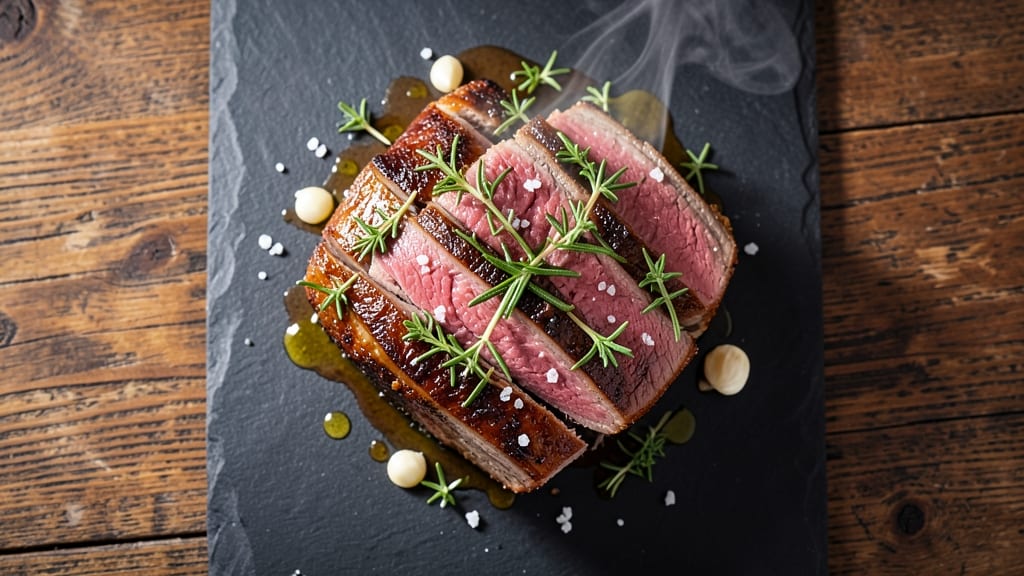
This baked beef tenderloin steak recipe delivers melt-in-your-mouth tenderness with a perfectly seasoned herb crust—ideal for special occasions or when you want to elevate dinner without fuss. The secret lies in a precise cooking method that ensures juicy, even doneness while building flavor through a simple yet impactful herb crust.
I've refined this technique over years of testing, and it consistently produces a steak that impresses even the most discerning guests.
The process is straightforward: a well-seasoned crust of garlic, rosemary, and thyme encases the tenderloin before baking at a controlled temperature, ensuring the interior reaches medium-rare perfection without drying out.
What sets this apart is the resting period—critical for redistributing juices—so every slice remains succulent. No need for complicated techniques or expensive equipment; just patience and attention to detail.
By the time you carve into this steak, you'll uncover a juicy, flavorful center with a lightly browned exterior that's infused with aromatic herbs. The texture is unmatched: tender yet firm, with a crust that adds depth without overpowering the natural richness of the beef.
This is the kind of dish that transforms an ordinary meal into an unforgettable experience, perfect for holidays or when you want to make a lasting impression.
Pair it with roasted potatoes, a rich red wine reduction, or a fresh salad to complete the meal. The recipe scales easily, making it ideal for gatherings or when you're cooking for a crowd. Let's get started on creating a steak that will have everyone asking for seconds.
Ingredients for baked beef tenderloin steak
Six ingredients transform ordinary beef into showstopping, herb-infused tenderloin perfection.
| Ingredient | Amount | Notes |
|---|---|---|
| Beef Tenderloin 🥩 | 3 lb | Center-cut, trimmed of fat |
| Fresh Rosemary 🌿 | ¼ cup | Finely chopped, stems removed |
| Fresh Thyme 🌿 | ⅛ cup | Leaves only, finely chopped |
| Garlic Cloves 🧄 | 6 cloves | Minced, not pressed |
| Extra-Virgin Olive Oil 🫒 | ¼ cup | High-quality, fruity variety |
| Kosher Salt 🧂 | 1 ½ tsp | Diamond Crystal preferred |
| Freshly Ground Black Pepper 🌶️ | 1 tsp | Coarsely ground |
| Unsalted Butter 🧈 | ¼ cup | Cold, cubed |
| Red Wine 🍷 | ¼ cup | Dry, bold variety |
| Fresh Parsley 🌿 | ⅛ cup | Chopped, for garnish |
| Beef Bone Broth 🍲 | ½ cup | Homemade or high-quality |
| Dijon Mustard 🍯 | 1 tsp | For crust adhesion |
The beef tenderloin is the star—look for center-cut with minimal marbling, as it's already tender. Whole Foods or your local butcher are best for quality cuts; ask for the most even piece possible. Fresh herbs are non-negotiable here—rosemary and thyme should smell vibrant, not dried out. If using pre-minced garlic, toast it first in olive oil (30 seconds) to deepen the flavor. The extra-virgin olive oil matters too—skip the cheap stuff; California Olive Ranch or Colavita are solid choices. For the red wine, any bold red like Cabernet Sauvignon or Merlot works—whatever's open in your fridge.
No fresh rosemary? Dried works at half the amount, but it won't have the same punch. Short on thyme? Oregano or marjoram can substitute, though the flavor shifts slightly. The Dijon mustard is key for that herb crust to stick—no mustard? Whisk 1 tsp mayo with 1/2 tsp lemon juice as a substitute. For the bone broth, low-sodium is crucial; if you can't find it, reduce store-bought by half. The butter should be cold and cubed—don't melt it ahead of time, or the crust won't form properly. Preferring a different herb profile? Swap thyme for sage or oregano, but reduce by 1/4 teaspoon to avoid overpowering.
This steak deserves a gentle touch—don't overhandle the meat. Let it sit at room temperature for 30-45 minutes before baking for even cooking. The herb crust keeps best if prepped 1 hour ahead and refrigerated. For leftovers (if there are any), slice against the grain and store in an airtight container for 3-4 days. Reheat gently in the oven with a splash of beef broth to maintain moisture. The crust freezes beautifully for up to 3 months—just thaw overnight before baking.
Why You'll Love This Recipe
- I’ll be real: most steak leftovers end up sad. Not this one. The tenderloin stays juicy, and the herbs keep it tasting fresh for days. I’ve reheated slices in a pan with a splash of olive oil and a pinch of salt, and it’s still solid the third day—way better than takeout.
- No-Fuss Prep: I swear by this recipe because it’s basically set it and forget it—just rub the tenderloin with olive oil, crush those garlic cloves right into the flesh, and tuck in the rosemary and thyme sprigs. No marinating, no basting, no stress. The hardest part is deciding when to pull it out of the oven.
- Herb-Packed Magic: Between us, the rosemary and thyme turn this steak into something ridiculously flavorful without needing fancy sauces. That crispy edge from the olive oil and garlic? It’s like a little burst of sunshine in every bite—simple, but somehow feels luxurious.
- Weeknight to Weekend: Honestly, this steak works for everything—throw it on the table for a lazy Sunday brunch (yes, really), slice it for a charcuterie board, or even repurpose the leftovers into a hearty pasta the next day. I’ve served it at dinner parties and potlucks, and no one ever asks what it is.
Step-by-step instructions for herb-crusted beef tenderloin
Here's how to create a showstopping centerpiece that's perfectly tender inside and beautifully crusty outside.
Prepare the Herb Crust Mixture
In a small mixing bowl, combine the 0.25 cup finely chopped fresh rosemary, 0.125 cup fresh thyme leaves, 6 minced garlic cloves, 1.5 teaspoons kosher salt, and 1 teaspoon freshly ground black pepper. This aromatic blend forms the foundation of your crust.
Add the 0.25 cup extra-virgin olive oil and 1 teaspoon Dijon mustard to the herb mixture. The mustard acts as a natural binder, ensuring the crust adheres beautifully to the beef. Mix everything thoroughly until you achieve a thick, paste-like consistency that will cling perfectly to the tenderloin.
Coat the Beef Tenderloin Evenly
Pat the 3 lb beef tenderloin dry with paper towels - this is crucial for developing that perfect crust. Working quickly, spread the herb mixture evenly over the entire surface of the tenderloin using your hands, pressing gently to ensure full coverage.
Here's the thing - don't rush this step. Make sure every inch is coated, especially the sides and ends where the crust might otherwise miss. The even distribution ensures consistent browning and flavor throughout. Place the coated tenderloin on a plate and refrigerate for 30 minutes to allow the flavors to meld.
Create the Butter-Broth Basting Mixture
While the beef rests, melt the 0.25 cup unsalted butter in a small saucepan over medium heat. Once melted, remove from heat and stir in the 0.25 cup red wine and 0.5 cup beef bone broth. This creates a luxurious basting liquid that will keep your tenderloin moist and add rich flavor.
Keep this mixture warm but not simmering - you'll use it to baste the beef during roasting. The wine adds depth while the bone broth ensures the meat stays succulent. If you're worried about alcohol content, don't be - the wine will cook off completely during the roasting process.
Roast to Perfect Medium-Rare
Preheat your oven to 425°F and place a rack in a roasting pan. Position the herb-coated tenderloin on the rack, fat side up if present. Roast for 20 minutes to develop that initial crust, then reduce heat to 325°F. This two-stage approach creates the perfect sear while ensuring even cooking throughout.
After the initial 20 minutes, baste the tenderloin with the butter-broth mixture every 15 minutes using a baster or spoon. Continue roasting until the internal temperature reaches 125°F for medium-rare (about 30-40 minutes total). Use a meat thermometer for accuracy - this is the only reliable way to achieve perfect doneness every time.
Rest and Garnish for Presentation
Transfer the tenderloin to a cutting board and tent loosely with foil. Let it rest for 15 minutes - this crucial step allows the juices to redistribute, ensuring each slice remains moist and flavorful. The resting time also helps the crust set properly.
Before serving, slice the tenderloin into 1-inch thick medallions against the grain. Garnish each serving with 0.125 cup chopped fresh parsley and drizzle with any remaining basting liquid from the pan. The parsley adds a fresh contrast to the rich herb crust while the basting liquid ties everything together in a cohesive dish.
Pro Tips For Making Baked Beef Tenderloin Steak
- Use a Meat Thermometer: I learned this the hard way—guessing doneness with beef tenderloin leads to overcooked disappointment. For a perfect medium-rare (130°F internal), pull it out of the oven when the thermometer hits that mark, then let it rest. No more dry, sad steaks.
- Prep Herbs Roughly: Skip the tiny herb clippings—chop rosemary and thyme into ½-inch sprigs, leaving some stems intact. They’ll infuse the steak with flavor as they bake, and you won’t spend 10 minutes picking out bits later. (Yes, even if it looks rustic.)
- Sear First, Bake Second: After seasoning, sear the tenderloin in a screaming-hot pan for 2-3 minutes per side before transferring to the oven. That crust locks in juices, and the high heat jump-starts the cooking process. Trust me, the difference is noticeable.
- Don’t Skip the Rest: I know, you’re hungry now—but give it a solid 5-10 minutes under foil after baking. The steak’s juices redistribute, and slicing too soon means a dry first bite. (Your future self will thank you.)
Best sauces and condiments for this baked beef tenderloin steak
Classic Red Wine Reduction
This rich, velvety sauce elevates your tenderloin to restaurant-quality status. Start by deglazing your roasting pan with ½ cup dry red wine after removing the steak. Simmer for 5 minutes until reduced by half, then whisk in 1 tablespoon cold butter and 1 teaspoon Dijon mustard.
The wine's acidity cuts through the richness while the butter adds luxurious mouthfeel. Drizzle over each slice for an elegant finish that ties all the flavors together. 🍷
Garlic-Herb Butter
For a simpler but equally delicious option, mix ½ cup softened butter with 2 minced garlic cloves, 1 tablespoon chopped parsley, and a pinch of salt. Spread a thin layer on each steak slice just before serving.
The butter melts beautifully from the residual heat, creating a silky sauce that enhances the herb crust. I love this option for its ease and how it lets the steak's natural flavors shine.
Chimichurri Sauce
Brighten up your plate with this vibrant Argentinean sauce. Blend ½ cup parsley, 2 tablespoons cilantro, 3 garlic cloves, 2 tablespoons red wine vinegar, ½ cup olive oil, 1 teaspoon red pepper flakes, and 1 teaspoon salt.
The herbaceous, tangy flavor provides a refreshing contrast to the rich steak. Spoon it generously over each slice and serve with crusty bread for dipping. This sauce adds a lively pop of color to your presentation.
Creamy Horseradish Sauce
For those who enjoy a bit of kick, whip together ½ cup sour cream, 2 tablespoons prepared horseradish, 1 tablespoon Dijon mustard, and 1 tablespoon chopped chives. The horseradish adds a sharp, spicy element that cuts through the richness of the steak.
This sauce works particularly well with the herb crust, balancing the earthy flavors with its bold personality. Keep it on the side for those who want to customize their heat level.
Pan Jus Technique
Save every bit of flavor from your roasting pan by creating a pan jus. After roasting, place the pan on the stovetop over medium heat. Add ½ cup beef broth and scrape up all the browned bits from the bottom.
Simmer for 3-4 minutes until slightly thickened, then strain. Whisk in 1 tablespoon cold butter to finish. This technique captures all the meaty, herby flavors that would otherwise be lost, creating a sauce that's even more flavorful than store-bought options.
Nutrition facts
Frequently asked questions
How do I know when my beef tenderloin is fully cooked?
Use a meat thermometer for accuracy—medium-rare is 125°F at the thickest part. Insert the probe horizontally (not touching bone) to avoid overcooking. For medium, aim for 135°F, and well-done at 145°F. Never rely on time alone; every oven varies!
Can I bake a smaller or larger tenderloin than 3 lbs?
Yes! Adjust cooking time by 10-15 minutes per pound for the second stage (325°F). A 2-lb tenderloin might take 20-25 minutes total, while a 5-lb roast could need 45-55 minutes. Always check internal temp—thicker cuts need more time. For even cooking, let larger roasts rest 20 minutes before slicing.
Why does my crust keep falling off?
This usually happens from one of three issues: moisture (don't skip patting dry), uneven coating (focus on sides/ends), or overmixing the crust (keep it thick). For extra grip, add 1 tsp Dijon mustard to the herb mix. Also, avoid preheating the pan—cold meat helps the crust adhere. If it still slips, try pressing with parchment paper first.
What’s the best way to reheat leftover tenderloin?
Slice against the grain and reheat in a 350°F oven for 10-12 minutes with a splash of beef broth to keep it moist. Avoid microwaving—it turns the crust rubbery. For quick fixes, pan-sear slices in butter for 1-2 minutes per side until warmed through. Store leftovers in an airtight container for 3-4 days.
Can I substitute other herbs in the crust?
Swap thyme for sage or oregano (reduce by ¼ tsp), or add 1 tsp smoked paprika for depth. For a citrus twist, mix in 1 tbsp lemon zest. Avoid heavy herbs like dill—they can overpower. Pro tip: Toast dried herbs in olive oil for 30 seconds to intensify flavor before mixing.