
Main Courses
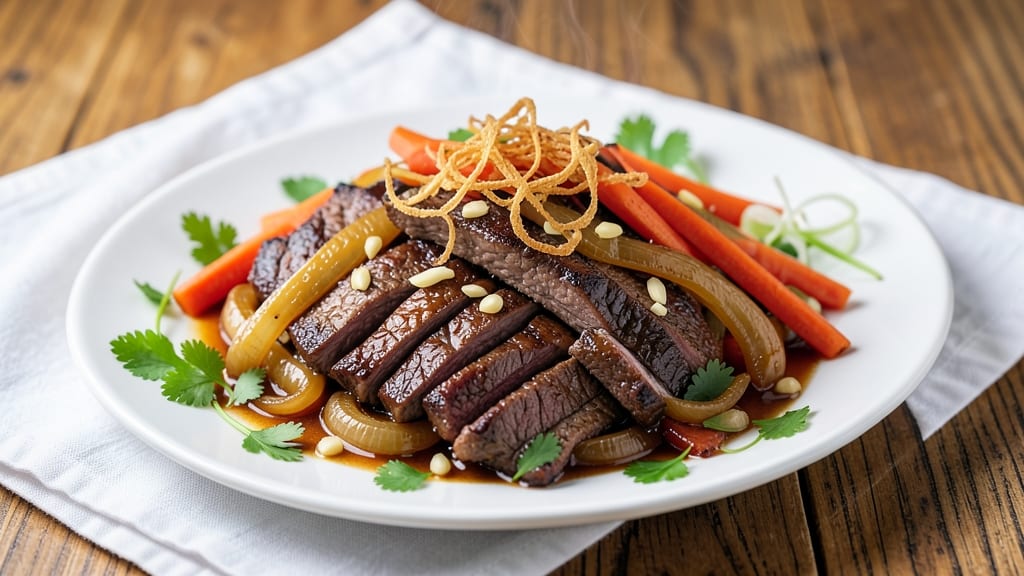
This awesome beef stir fry recipe delivers restaurant-quality wok heat and umami crunch in just 20 minutes, using simple techniques that transform thinly sliced beef into tender, flavor-packed bites. The secret lies in high-heat searing and a balanced sauce that caramelizes slightly for depth, while crisp-tender vegetables add texture.
I developed this after years of testing—no fancy equipment needed, just a sturdy skillet and proper timing.
What makes this stir fry exceptional is the three-step cooking process: first searing the beef until deeply browned, then stir-frying vegetables at high heat to preserve crispness, and finally tossing everything with a homemade sauce that's tangy, slightly sweet, and packed with umami from soy sauce, garlic, and ginger.
The beef stays tender while developing a caramelized crust, and the sauce clings perfectly without making the dish soggy.
By the time you plate this dish, you'll have golden-brown beef strips, vibrant vegetables, and a glossy sauce that's rich but not overpowering. The aroma alone will have everyone at the table anticipating that first bite—crisp edges on the beef, tender centers, and vegetables that pop with freshness.
Serve over steamed jasmine rice or noodles to soak up every last drop of that flavorful sauce.
This recipe scales beautifully for weeknight dinners or meal prep, with optional additions like bell peppers, snap peas, or mushrooms. The technique is straightforward but requires attention to heat control and timing—both of which I'll walk you through in detail. Let's get cooking!
Ingredients for awesome beef stir fry
Thinly sliced beef, vibrant veggies, and a sauce that balances umami, sweetness, and tang—here's what makes this stir fry shine.
| Ingredient | Amount | Notes |
|---|---|---|
| Flank Steak 🥩 | 1 lb | Thinly sliced against grain |
| Vegetable Oil 🫒 | 2 tbsp | High smoke point preferred |
| Yellow Onion 🧅 | 1 whole | Thinly sliced, white part only |
| Carrots 🥕 | 2 medium | Julienned into matchsticks |
| Garlic Cloves 🧄 | 4 cloves | Minced, not pressed |
| Fresh Ginger 🌿 | 1 inch | Thinly sliced, peeled |
| Bell Pepper 🍅 | 1 whole | Red or green, sliced thin |
| Low-Sodium Soy Sauce 🥢 | ½ cup | Kikkoman preferred |
| Honey 🍯 | 1 tbsp | Wildflower variety |
| Rice Vinegar 🍶 | 1 tbsp | Unseasoned preferred |
| Sesame Oil 🫒 | 1 tsp | Toasted sesame oil |
| Cornstarch 🌾 | 1 tbsp | For thickening sauce |
| Green Onions 🧅 | 3 whole | Sliced, for garnish |
| Toasted Sesame Seeds 🌾 | 1 tbsp | For finishing |
| Diamond Crystal Kosher Salt 🧂 | ½ tsp | For seasoning |
The beef is everything. Flank steak stays tender when sliced against the grain—ask your butcher to do it, or freeze it 30 minutes first for easier slicing. Costco or Trader Joe's usually carry pre-sliced stir-fry beef, but fresh is always better. Look for good marbling—it melts into flavor during cooking. The carrots and bell pepper should be crisp; organic from the farmers market have the best texture, but regular grocery store works fine. For the ginger, freshly grated is non-negotiable—jarred loses all its punch.
No flank steak? Sirloin or ribeye work too, but slice extra thin. Running short on sesame oil? Toasted peanut oil gives a similar nutty depth. The Kikkoman soy sauce is a must—it's the standard for a reason, but any low-sodium soy sauce will do. For the honey, local wildflower adds subtle floral notes, but any light honey works. Swapping bell peppers? Snap peas or broccoli florets hold up well to stir-frying. And if you're missing cornstarch, arrowroot powder works just as well for thickening the sauce.
Prep everything before turning on the heat—this stir fry comes together in minutes. Store prepped veggies in airtight containers for up to 2 days in the fridge. The cooked beef reheats beautifully, so make extra for lunches. The sauce keeps for 5 days in the fridge, or freeze portions for 3 months. Garnish with sesame seeds right before serving—they add crunch and aroma that disappears when stored.
Why You'll Love This Recipe
- One-Pan Magic: I swear by this recipe because it’s literally one pan, one spatula, and zero dishes to scrub. Slice the flank steak thin, toss in the onions and carrots, and let the garlic work its savory spell—no fancy gadgets needed.
- Caramelized Crunch: That moment when the onions turn golden and the beef gets that perfect sear? Chef’s kiss. The garlic cloves sizzle just enough to add depth without overpowering, and the carrots stay crisp—textures you’ll actually notice (and want more of).
- Lunchbox Hero: Between us, this is my go-to for meal prep. Double the batch, pack it in containers, and you’ve got a protein-packed lunch for days. My kids (who usually reject anything green) fight over the carrots—proof it’s a crowd-pleaser.
- Budget Powerhouse: Flank steak stretches far when sliced thin, and onions/carrots are cheap staples. Honestly, I make this when I’m pinching pennies, and no one complains—because it’s solid, filling, and tastes like a restaurant dish. Win.
Step-by-step instructions for wok-hot beef stir fry
Here's how to create a restaurant-quality stir fry with perfect texture and bold flavors.
Prep All Ingredients for Maximum Flavor
Start by slicing the 1 lb flank steak against the grain into thin strips—about ¼-inch thick. This ensures tender bites every time. While the steak rests, thinly slice the white part of the 1 whole yellow onion and julienne the 2 medium carrots into matchsticks. Mince the 4 cloves garlic and thinly slice the 1 inch fresh ginger after peeling. Finally, slice the 1 whole bell pepper into thin strips.
Organize everything in separate bowls for quick assembly. I like to keep the ginger and garlic in a small ramekin until needed—this prevents them from drying out while you prep other ingredients. The key here is precision: uniform cuts mean even cooking and consistent texture throughout your stir fry.
Marinate the Beef for Enhanced Flavor
In a medium bowl, combine the sliced flank steak with 0.5 cup low-sodium soy sauce, 1 tbsp honey, and 0.5 tsp diamond crystal kosher salt. Mix gently but thoroughly to coat the beef evenly. Let it marinate for at least 15 minutes—this time allows the soy sauce to tenderize the meat while the honey begins caramelizing the edges.
I've found that marinating even for just 10 minutes makes a noticeable difference in flavor depth. Don't skip this step—it's what transforms simple beef into restaurant-worthy tender cuts. While it marinates, keep the bowl in the fridge if you're prepping ahead, but bring it to room temperature before cooking for best results.
Cook the Beef to Perfect Doneness
Heat a wok or large skillet over high heat until it's screaming hot—you should see a slight shimmer when you hold your hand about 2 inches above it. Add 2 tbsp vegetable oil and swirl to coat the pan. Add the marinated beef in a single layer and let it sear undisturbed for 1-2 minutes until the edges turn golden brown.
Here's the thing—don't touch it yet. You want that beautiful crust to form before stirring. Once the beef releases easily from the pan (it should pull away cleanly), stir and cook for another 2-3 minutes until it reaches 145°F internally. Remove the beef to a plate and set aside—it'll continue cooking slightly from residual heat.
Stir-Fry the Vegetables in Stages
In the same wok, add a bit more oil if needed (about 1 tsp) and stir in the thinly sliced yellow onion. Cook for 2 minutes until softened but still vibrant. Add the julienned carrots and bell pepper strips, stirring constantly for 3 minutes until they begin to soften. Push the vegetables to one side of the wok and add the minced garlic and thinly sliced ginger to the empty space.
Cook the aromatics for 30 seconds until fragrant—this is where the magic happens. The garlic should turn golden without burning. Stir everything together, then add 1 tbsp rice vinegar and 1 tsp sesame oil. Cook for another 1 minute until the vegetables are tender-crisp but still have bite.
Combine and Thicken the Sauce
Return the beef to the wok and stir to combine with the vegetables. In a small bowl, whisk together 1 tbsp cornstarch with 2 tbsp water to create a slurry. Slowly pour this into the wok while stirring constantly. The sauce will begin to thicken almost immediately—this is what gives stir fry its signature glossy coating.
Cook for another 1-2 minutes until the sauce clings to the beef and vegetables. Taste and adjust seasoning if needed—you might want to add a splash more soy sauce for saltiness or a touch of honey for sweetness. The sauce should coat everything evenly without being gluey. Finish with the sliced green onions and toasted sesame seeds, tossing gently to distribute.
Pro Tips For Making Awesome Beef Stir Fry
- Slice Against the Grain: Flank steak’s muscle fibers run long—cutting perpendicular to them makes each bite tender. Grab a sharp knife, angle it low, and slice thin after cooking, not before. (Yes, even if it looks messy at first.)
- Salt the Steak First: Toss the raw flank steak with oil and salt at least 30 minutes before cooking—it breaks down the proteins and locks in flavor. I used to skip this, and the meat always tasted dry no matter how much sauce I added.
- Don’t Overcrowd the Pan: Start with half the onions and carrots, cook them until slightly softened, then add the rest. Crowding steams the veggies instead of searing them, and that’s when stir-fries turn soggy. (Your future self will curse you if you ignore this.)
- Use Garlic Like a Pro: Mince the garlic finely—not chopped, not smashed, but minced so it dissolves into the oil. Add it last (after the beef’s initial sear) so it doesn’t burn. Burnt garlic ruins everything, and no amount of soy sauce fixes it.
Creative variations of this awesome beef stir fry
Spicy Thai Twist
Transform your stir fry into a Thai-inspired version by adding 1 tbsp red curry paste (like Maesri) to the sauce mixture. Stir in 1 tsp fish sauce and ½ tsp palm sugar for authentic depth.
Top with thinly sliced Thai basil and a squeeze of lime—the bright acidity cuts through the richness. For extra heat, toss in 1 tsp chili garlic sauce at the end. 🌶️
Sweet & Smoky BBQ
Swap the soy sauce for ½ cup BBQ sauce (I love Sweet Baby Ray's) and add 1 tsp smoked paprika to the marinade. Use pineapple chunks instead of bell peppers for a sweet, tangy contrast.
Finish with crumbled bacon and chopped cilantro for a smoky-sweet fusion that’s perfect with rice or cornbread. 🔥
Creamy Garlic Mushroom
Add 8 oz sliced mushrooms (cremini or shiitake) to the veggies and stir in ¼ cup heavy cream or coconut milk with the sauce. Boost umami with 1 tsp oyster sauce and finish with toasted walnuts for crunch.
This rich version pairs beautifully with jasmine rice or egg noodles. 🍄
Teriyaki Glaze Upgrade
Replace the sauce with a homemade teriyaki glaze: simmer ½ cup soy sauce, 2 tbsp honey, 1 tbsp mirin, and 1 tsp grated ginger for 5 minutes.
Brush the beef with this glaze before stir-frying, then toss with the veggies. Garnish with sesame seeds and sliced scallions for a glossy, restaurant-worthy finish. 🍯
Asian-Inspired Fusion
For a Japanese-Korean fusion, marinate the beef in ½ cup ponzu sauce instead of soy sauce. Add 1 tbsp gochujang (Korean chili paste) to the sauce and stir-fry with kimchi and sliced scallions.
Serve over steamed rice with a side of miso soup for a full cultural experience. 🗺️
Meal Prep Adaptation
Double the recipe and store components separately for easy assembly. Cook the beef and veggies ahead, then reheat in a nonstick skillet with 1 tsp oil over medium heat for 3-4 minutes.
Add a splash of water to the sauce to loosen it before tossing. Pack with rice or noodles in airtight containers for up to 4 days. 💡
Nutrition facts
Frequently asked questions
Why does slicing beef against the grain matter?
Slicing against the grain shortens the muscle fibers, making them easier to chew and preventing tough, stringy bites. For this recipe, aim for ¼-inch thick slices—this ensures tender beef every time. If you're unsure which direction is against the grain, look for the widest part of the muscle fibers and cut perpendicular to them.
Can I use a regular skillet instead of a wok?
While woks are ideal for high-heat stir-frying, a 12-inch cast iron or stainless steel skillet works perfectly. Just make sure it's well-seasoned and preheated over high heat for 3-5 minutes before adding oil. The key is maintaining that same screaming-hot surface to get proper browning and texture.
How do I prevent the sauce from making the beef soggy?
Use the cornstarch slurry trick—mix 1 tbsp cornstarch with 2 tbsp water and stir it into the sauce at the very end. This creates a glossy coating that clings to the beef without steaming it. Also, cook the beef separately first, then add it back to the veggies right before finishing with the sauce. This keeps everything crisp-tender.
What's the best way to reheat leftovers?
Reheat in a nonstick skillet over medium heat with just 1 tsp oil for 3-4 minutes. Add a splash of water or broth to loosen the sauce. Microwaving works too, but the texture suffers—beef gets rubbery and veggies turn mushy. For best results, reheat only what you plan to eat immediately.
Can I make this stir fry spicier?
Yes! Add ½ tsp red pepper flakes or 1 tsp sriracha to the sauce, or stir in 1 tbsp chili garlic sauce at the end. For extra heat, toss in 1-2 sliced Thai chilies with the veggies. Start with less—you can always add more, but you can't take it out!