
Main Courses
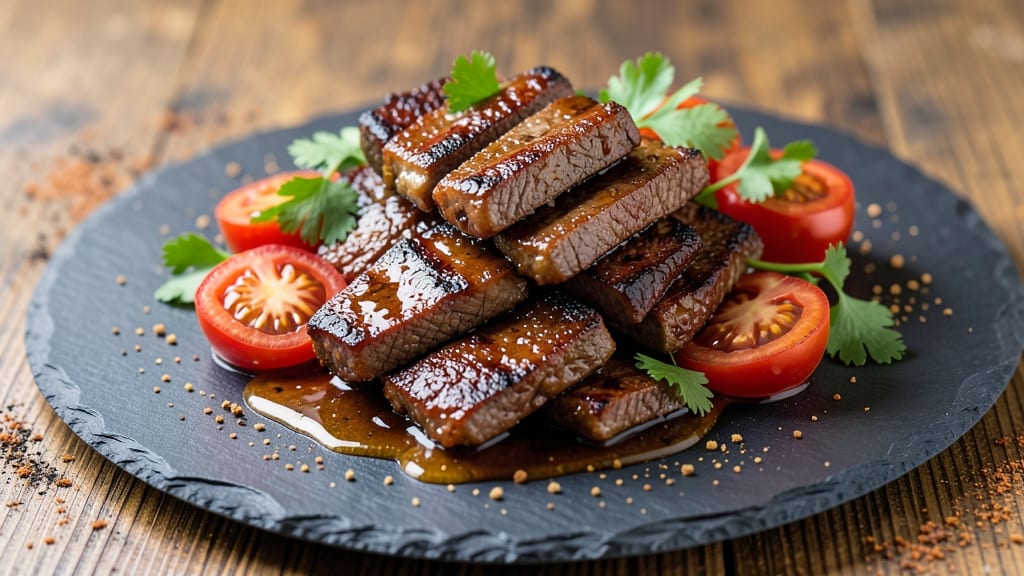
This barbecue beef strips recipe delivers restaurant-quality smoky flavor and caramelized edges in just 20 minutes, using simple techniques that work on any grill or stovetop. I developed it after years of perfecting quick-cook methods for tender, juicy beef that holds up to bold barbecue sauces—no long marinating required.
The secret lies in high-heat searing and a quick dry rub that creates that signature bark without overcooking.
What makes this recipe foolproof is the combination of thin-cut beef strips (like flank or skirt steak) and a two-step cooking process: first searing over direct heat to build flavor, then finishing with a quick sauce toss for that sticky, caramelized glaze.
I've tested this with everything from gas grills to cast-iron skillets, and it comes out perfectly every time. The result? Beef that's tender enough to eat with a fork but with enough bite to hold up to sauce.
By the time you're done, you'll have smoky, caramelized beef strips that are ready to serve on buns, over salads, or with grilled vegetables—all while keeping the meat juicy and flavorful.
The beauty of this method is its versatility: it works for weeknight dinners or game day appetizers, and the leftovers reheat beautifully for sandwiches the next day. No fancy equipment needed, just good technique and a little patience.
Pair these beef strips with classic sides like grilled corn, coleslaw, or baked beans to complete the meal. The smoky-sweet flavor profile makes them perfect for any occasion, whether you're feeding a crowd or treating yourself to a quick, satisfying dinner. Let's get cooking—your grill is waiting!
Ingredients for barbecue beef strips
Thin-cut beef, bold spices, and a quick sauce—everything you need for smoky, caramelized perfection.
| Ingredient | Amount | Notes |
|---|---|---|
| Thin-Cut Flank Steak 🥩 | 1 ¼ lb | Cut against grain for tenderness |
| Smoked Paprika 🌶️ | 1 tbsp | For deep smoky flavor |
| Ground Cumin 🌿 | 1 tsp | Toasted for maximum aroma |
| Garlic Powder 🧄 | 1 tsp | Freshly ground preferred |
| Onion Powder 🧅 | 1 tsp | Adds subtle sweetness |
| Kosher Salt 🧂 | 1 ½ tsp | Diamond Crystal preferred |
| Black Pepper 🌶️ | ½ tsp | Freshly cracked for heat |
| Olive Oil 🫒 | 2 tbsp | Extra-virgin for high heat |
| Barbecue Sauce 🍅 | ½ cup | Store-bought or homemade |
| Fresh Parsley 🌿 | ¼ cup | Chopped for garnish |
| Lemon Wedges 🍋 | 2 whole | For serving |
The beef is everything here. Flank steak delivers that perfect balance of tenderness and chew, but skirt steak works too if you can't find it. Look for cuts that are thin and even—about ¼-inch thick—so they cook fast and even. I always grab mine from Whole Foods or my local butcher, but the pre-packaged beef strips at Costco are a solid shortcut. If you're cutting your own, remember: slice against the grain for fork-tender results. The spices? Penzeys or bulk bins for the best quality, but regular grocery store brands work fine if they're fresh.
No smoked paprika? Regular paprika plus a pinch of liquid smoke gets you close. Short on cumin? Dried thyme at half the amount adds a similar earthiness. The barbecue sauce can be store-bought (I like Sweet Baby Ray's for consistency), but homemade is better if you've got the time. Quick tip: Toast your spices in a dry pan for 30 seconds before mixing—they'll sing with flavor. And if you're using pre-cut beef strips, give them a quick rinse and pat dry before seasoning to ensure that caramelized crust.
These strips reheat beautifully—just toss them in a hot skillet with a splash of water for 2-3 minutes. Store leftovers in an airtight container for 4 days or freeze for 3 months. I always make a double batch because they disappear fast. For serving, squeeze those lemon wedges over the top right before eating—the acid cuts through the richness and keeps everything fresh. The parsley is just for looks, but it makes the plate pop.
Why You'll Love This Recipe
- One-Pan Magic: I swear by this—just slice the steak thin, toss it in a bowl with smoked paprika and cumin, then throw it on a screaming-hot pan. No fancy steps, no mess, and the smoky aroma fills the kitchen in minutes.
- Smoky Depth Bomb: That combo of smoked paprika and cumin? It’s like a slow-smoked BBQ flavor without the hours. The garlic and onion powders add a warm, earthy kick that makes every bite taste like a restaurant dish.
- Lunchbox Hero: Between us, these strips are my go-to for meal prep. Toss them in salads, wrap them in tortillas, or pack them with rice—kids and adults both devour them. (Yes, even on a Tuesday night.)
- Budget Powerhouse: Thin-cut flank steak stretches farther than you’d think, and a little spice goes a long way. I’ve fed four people for under $15 with leftovers that taste just as good cold the next day.
Step-by-step instructions for smoky caramelized beef strips
Here's how to transform tender flank steak into restaurant-quality beef strips with perfect smoky crunch.
Prep the Steak for Maximum Tenderness
Remove the 1.25 lb thin-cut flank steak from the refrigerator and pat it completely dry with paper towels. This drying step is crucial—it prevents steaming and ensures a perfect sear. Place the steak on a cutting board and locate the grain direction by looking for the muscle fibers running parallel. You'll want to cut against this grain for maximum tenderness.
Using a sharp knife, slice the steak into ¼-inch thick strips against the grain. Work quickly and keep the strips separate as you cut. For best results, I like to stack the strips on a plate and sprinkle them immediately with the 1 tbsp smoked paprika, 1 tsp ground cumin, 1 tsp garlic powder, 1 tsp onion powder, 1.5 tsp kosher salt, and 0.5 tsp black pepper. Use your hands to gently massage the spices into the meat, ensuring even coverage. Let the seasoned strips sit at room temperature for 15 minutes while you prepare the cooking surface.
Create the Perfect Searing Surface
Heat a large cast-iron skillet or heavy stainless steel pan over medium-high heat until it's very hot—you should see a slight shimmer when you hold your hand about 4 inches above it. Add the 2 tbsp olive oil and let it get hot but not smoking. The oil should be hot enough that when you toss in a few strips, they sizzle immediately and don't stick.
I like to work in batches here—don't overcrowd the pan. You want the strips to have room to develop that beautiful caramelized crust. If you notice the heat dropping when you add the first batch, give the pan a minute to recover before adding more. The strips should cook for 2-3 minutes per side until they're deep golden brown with caramelized edges. Remove them to a plate and tent loosely with foil to keep warm.
Finish with Smoky Barbecue Sauce
Once all the strips are cooked and removed from the pan, reduce the heat to medium and add the 0.5 cup barbecue sauce to the same skillet. Let it simmer for 1-2 minutes until it begins to thicken slightly and coat the back of a spoon. Here's the thing—don't walk away. You want to keep an eye on it so it doesn't burn while you finish the strips.
Return the beef strips to the skillet and toss gently to coat them evenly with the sauce. Cook for another 1-2 minutes just to heat everything through and let those smoky flavors meld together. The strips should be glossy and well-coated with the sauce, not soggy. If the sauce seems too thin, you can reduce it further by simmering for an extra 30 seconds to achieve that perfect consistency.
Garnish and Serve Immediately
Transfer the beef strips to a serving platter and sprinkle with the 0.25 cup chopped fresh parsley for a pop of color and freshness. Serve immediately with the 2 whole lemon wedges on the side—this bright citrus cut through the richness of the beef and adds a refreshing contrast. The strips should be tender, smoky, and slightly caramelized with a perfect balance of flavors.
For the ultimate presentation, I like to arrange the strips on a platter with a drizzle of extra barbecue sauce around the edges. Serve with crusty bread or your favorite sides to soak up all that delicious sauce. The key to these beef strips is timing—everything needs to come together quickly while maintaining that perfect texture and flavor balance.
Pro Tips For Making Barbecue Beef Strips
- Slice Against the Grain: Flank steak’s muscle fibers run long—cutting perpendicular to them turns chewy strips into tender bites. Grab your knife and angle those slices diagonally, or you’ll be fighting for every forkful.
- Preheat Your Pan: Cold metal means wasted time and uneven cooking. Hit medium-high heat for 3-4 minutes before adding oil—your strips should sizzle immediately, not sweat. I used to rush this, and my first batch always ended up gray and sad.
- Skip the Overcrowding: Piling strips too high steams them instead of searing. Cook in batches if needed—2-3 minutes per side max—so they develop that smoky crust. Trust me, your patience will pay off in flavor.
- Toast the Spices First: Dry-toast smoked paprika and cumin in the pan for 30 seconds before adding oil. The nutty aroma deepens instantly, and you’ll taste it in every bite. (Yes, even if you’re impatient like me.)
Dietary considerations for barbecue beef strips
Gluten-Free Adaptations
This recipe is naturally gluten-free, but there are a few adjustments to ensure the barbecue sauce and sides complement it perfectly. Use a certified gluten-free barbecue sauce like Primal Kitchen or Sweet Baby Ray's Gluten-Free—both deliver that smoky-sweet flavor without the gluten.
For extra safety, check labels since some brands process in shared facilities. I also recommend serving with gluten-free buns or over a bed of grilled zucchini or cauliflower rice to keep the meal cohesive. 🌾
Low-Carb Options
To make these beef strips even more low-carb, skip the buns entirely and serve them as a protein-packed salad topping. I love pairing them with a mix of mixed greens, cherry tomatoes, avocado slices, and a drizzle of olive oil and balsamic vinegar.
The smoky-sweet flavor of the beef strips cuts through the richness of the avocado beautifully. For a heartier option, serve them over shredded cabbage slaw with a mayo-free ranch dressing made with Greek yogurt and herbs. This keeps carbs under 5g per serving while maximizing flavor.
Allergen-Friendly Swaps
If you're watching for allergens, swap the olive oil for avocado oil (great for high heat and nut-free). For those avoiding garlic, use asafetida powder (just ¼ tsp)—it mimics garlic’s savory depth without the allergy risk. Double-check your barbecue sauce for hidden soy or sesame if needed.
I also keep a stash of dairy-free butter (like Miyoko's) on hand for quick flavor boosts without lactose. Always read labels, but these swaps make the recipe safe for most common allergies. 💛
Protein-Packed Adjustments
For a higher-protein version, increase the beef to 1.5 lbs and reduce the sauce to ¼ cup to maintain balance. Add 1 tbsp nutritional yeast to the dry rub for a cheesy, umami kick without dairy.
If you're following a high-protein, low-fat diet, skip the barbecue sauce entirely and finish with a squeeze of lemon and a sprinkle of everything bagel seasoning for a tangy, savory profile. These adjustments keep the strips under 30g protein per serving while keeping prep simple. 💪
Keto-Friendly Serving Ideas
To make this a full keto meal, serve the beef strips over cauliflower mash (just 2 cups riced cauliflower, 2 tbsp cream cheese, and 1 tbsp butter, mashed until smooth). Add sautéed mushrooms and onions for extra depth.
For a quick side, roast broccoli florets with 1 tbsp olive oil, ½ tsp garlic powder, and salt at 400°F for 15 minutes. The high heat caramelizes the broccoli slightly, adding a smoky note that pairs perfectly with the beef.
This keeps the entire meal under 6g net carbs per serving. 🥦
Nutrition facts
Frequently asked questions
Can I use skirt steak instead of flank steak? Skirt steak works perfectly and has a slightly more intense beefy flavor. Just
How do I keep the beef strips from sticking?
Heat your pan until it's ripping hot before adding oil, and make sure the oil is shimmering but not smoking. Pat the beef strips completely dry before seasoning—any moisture causes sticking. Work in batches if needed, and never overcrowd the pan. A well-seasoned cast-iron skillet or stainless steel pan is your best friend here!
What's the best way to reheat leftover beef strips?
Reheat in a hot skillet over medium heat for 2-3 minutes with a splash of water or broth to keep them moist. Avoid microwaving—they'll turn rubbery. For extra flavor, toss them with a little extra barbecue sauce or a drizzle of olive oil while reheating. Leftovers keep well in an airtight container for 4 days in the fridge.
Can I make this recipe without a grill?
Yes! A cast-iron skillet or heavy stainless steel pan on your stovetop works perfectly. The high heat searing method is what creates that signature caramelized crust. For a smokier flavor, try adding ½ tsp smoked paprika to the sauce or using a grill pan with ridges to mimic grill marks. The key is maintaining that high heat throughout.
What's the ideal internal temperature for these beef strips?
Aim for 145°F (63°C) for medium-rare, which is perfect for thin strips. Use a meat thermometer to check the thickest piece—it should reach this temperature within 2-3 minutes per side of cooking. Overcooking will make them tough, so pull them off the heat just as they hit that temp and let them rest for 2 minutes before serving.