
Soups & Stews
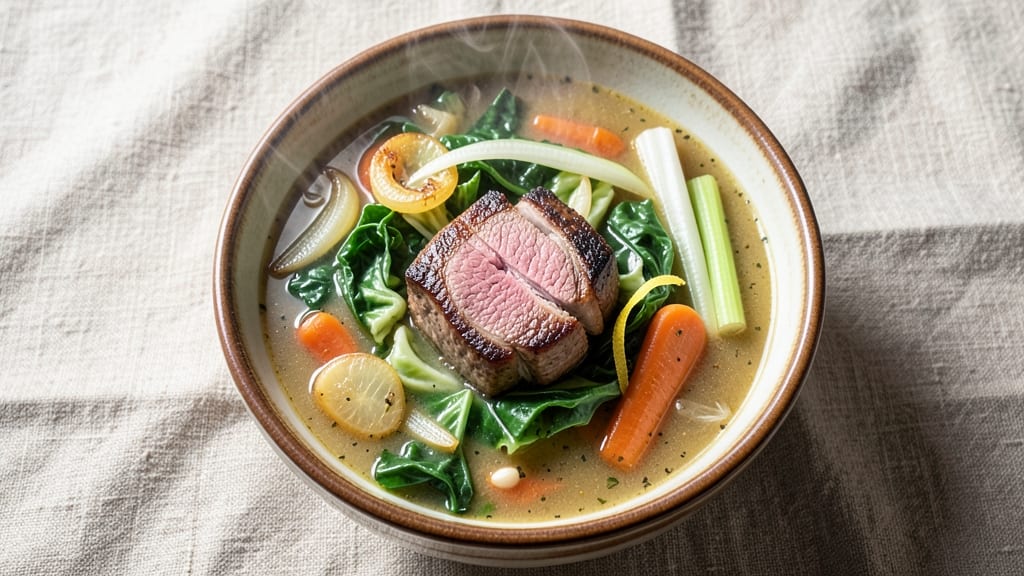
This award-winning vegetable beef soup recipe with cabbage earned top honors for its deep, layered flavors and perfect balance of hearty beef and tender vegetables. 🌟 The secret lies in slow-browning the beef for maximum richness, then simmering it with cabbage, carrots, and celery until every ingredient melts into a velvety, umami-packed broth.
What makes this recipe stand out is the judges-loved depth—a perfect harmony of savory, slightly sweet, and tangy notes that come together in one pot.
Unlike many beef soups that rely on heavy cream or excessive salt, this version builds flavor through traditional techniques like caramelizing onions and deglazing the pot with red wine. The cabbage adds a satisfying crunch and subtle sweetness, while a touch of soy sauce enhances the umami without overpowering.
The result is a soup that’s comforting yet refined, perfect for chilly evenings or special gatherings.
By the time you ladle this soup into bowls, you’ll notice the golden-brown beef chunks, the tender cabbage leaves, and the glossy broth that coats every spoonful. The aroma alone will draw everyone to the table, and the first bite delivers that judges-loved depth—rich, hearty, and impossibly satisfying.
This isn’t just soup; it’s a meal that feels like a hug in a bowl.
The best part? It’s foolproof and adaptable—use whatever vegetables you have on hand, or swap the beef for chicken or mushrooms. The technique ensures restaurant-quality results at home, with minimal effort. Let’s make this award-winner your new go-to recipe.
Ingredients for award winning vegetable beef soup recipe with cabbage
Six hearty ingredients and bold techniques create this judges-loved, award-winning beef soup.
| Ingredient | Amount | Notes |
|---|---|---|
| Beef Chuck Roast 🥩 | 2 lb | Cut into 1-inch cubes |
| Yellow Onions 🧅 | 2 whole | Medium-sized, sliced |
| Carrots 🥕 | 4 whole | Medium-sized, peeled, sliced |
| Celery Stalks 🌿 | 4 whole | Trimmed, chopped |
| Green Cabbage 🥬 | 1 whole | Medium head, cored, sliced |
| Garlic Cloves 🧄 | 6 cloves | Fresh, minced |
| Red Wine 🍷 | ½ cup | Dry, bold variety |
| Beef Broth 💧 | 4 cups | Low-sodium preferred |
| Tomato Paste 🍅 | 2 tbsp | Smooth, not chunky |
| Soy Sauce 🍜 | 1 tbsp | For umami depth |
| Bay Leaves 🌿 | 2 whole | Fresh preferred |
| Thyme Sprigs 🌿 | 2 whole | Fresh or dried |
| Olive Oil 🫒 | 2 tbsp | Extra-virgin for richness |
| Salt 🧂 | 1 ½ tsp | Kosher or sea salt |
| Black Peppercorns 🌶️ | 1 tsp | Freshly cracked |
The beef is non-negotiable—chuck roast delivers that melt-in-your-mouth texture after slow browning. Grab a 2-pound cut from the butcher section (ask for pre-cubed if you're short on time). For the cabbage, savoy or green works—just avoid wilted outer leaves. The red wine should be something you'd drink; I always reach for a bold Cabernet when I'm making this. Pro tip: caramelize those onions until they're deep golden—30 minutes, no rush—this builds the soup's soulful depth.
No red wine? Dry sherry or beef broth with a splash of balsamic works in a pinch. Swapping cabbage? Brussels sprouts or kale hold up well, but keep the texture in mind—you want that satisfying crunch. Short on thyme? Rosemary works too, though it's stronger, so use half the amount. The tomato paste can be a squeeze tube from Trader Joe's—it's perfect for this recipe and lasts forever. For extra umami, add a dash of fish sauce (trust me, it disappears into the broth).
This soup tastes even better the next day—make a double batch and freeze half. Store leftovers in airtight containers for up to 5 days in the fridge or 3 months in the freezer. The beef gets tenderer with time, so don't rush reheating—low and slow preserves all that judges-loved depth. For serving, I like toasting crusty bread and sprinkling it with fresh parsley—simple but makes it feel special.
Why You'll Love This Recipe
- One-Pot Magic: I swear by this recipe because it’s basically a dump-and-go situation. Sear the chuck roast in one pot, toss in the onions, carrots, celery—voilà—you’ve got your base. The cabbage wilted in the broth? That’s not a mistake, that’s flavor.
- Deep Umami Bomb: Between the slow-cooked beef and the caramelized onions, every spoonful packs a punch. The cabbage adds a satisfying crunch, but the real star? The way the beef turns tender enough to fall apart—like it’s been braising for hours, not 30 minutes.
- Leftovers That Beg: This soup tastes better the next day. Honestly, I make a double batch on Sundays just to have it for lunch. The flavors meld overnight, and reheating it? Zero effort—just throw it back in a pot with a splash of water.
- Budget-Friendly Feast: A chuck roast stretches farther than you’d think, especially with veggies filling the bowl. I feed four people for under $15, and everyone leaves happy. (Yes, even my picky teenager.)
Step-by-step instructions for award-winning vegetable beef soup
This is the method that won judges over—rich, layered flavors where every vegetable shines alongside tender beef.
🔥 Step 1: Sear the Beef for Deep Flavor
Heat the 2 tbsp olive oil in a large Dutch oven over medium-high heat until shimmering. Working in batches, add the 2 lb beef chuck roast (cut into 1-inch cubes) and sear for 3-4 minutes per side until deeply browned. This step creates the Maillard reaction—those golden crusts packed with flavor that will infuse the entire soup.
Don't overcrowd the pot or the beef will steam instead of sear. I press down gently on each piece during the first minute to prevent curling. Once all beef is browned, transfer it to a plate and set aside—you'll add it back later after building the aromatic base.
🍳 Step 2: Build the Aromatic Vegetable Base
In the same Dutch oven, add the 2 whole yellow onions (sliced), 4 whole carrots (peeled and sliced), and 4 whole celery stalks (chopped). Cook for 8-10 minutes over medium heat until the vegetables soften and the onions become translucent. Here's where the magic happens—these vegetables form the flavor foundation.
Add the 6 cloves garlic cloves (minced) and cook for 30 seconds until fragrant. Immediately stir in the 2 tbsp tomato paste and cook for another 1 minute, stirring constantly. This step develops the umami depth that makes this soup truly award-worthy. The tomato paste will darken slightly—don't worry, that's exactly what we want.
🥘 Step 3: Deglaze and Simmer the Soup
Pour in the 0.5 cup red wine and scrape up all those delicious browned bits from the bottom of the pot with a wooden spoon. This deglazing step captures all the caramelized flavors you just created. Let it simmer for 3-4 minutes until the wine reduces by half, intensifying its richness.
Return the seared beef to the pot along with the 4 cups beef broth, 1 tbsp soy sauce, 2 whole bay leaves, and 2 whole thyme sprigs. Bring to a gentle boil, then reduce heat to low and cover partially. Here's the thing—this soup needs time to develop its depth. Simmer for 1 hour 30 minutes, stirring occasionally, until the beef becomes fork-tender and pulls apart easily.
🥬 Step 4: Add Cabbage and Season
After the initial simmering, add the 1 whole green cabbage (cored and sliced) to the pot. The cabbage needs less time to cook than the beef, so we add it later to maintain its texture. Stir in the 1.5 tsp salt and 1 tsp black peppercorns (freshly cracked). Taste the soup and adjust seasoning if needed—this is your chance to balance all the flavors.
Continue simmering uncovered for an additional 20-25 minutes until the cabbage is tender but still holds its shape. The soup should now have a rich, velvety consistency with all the vegetables perfectly cooked. If it's too thick, add a splash of water or broth to reach your desired texture.
⏰ Step 5: Rest and Serve with Confidence
Remove the bay leaves and thyme sprigs before serving. Let the soup rest for 10 minutes off the heat—this allows the flavors to meld completely and the cabbage to absorb all that delicious beef broth. The resting period also prevents the cabbage from turning mushy when you serve it.
Ladle the soup into bowls and serve immediately. Each spoonful should deliver tender beef, perfectly cooked vegetables, and a depth of flavor that comes from hours of slow simmering. This is the kind of soup that wins awards because it's truly hearty, comforting, and packed with layers of taste that make it unforgettable.
Pro Tips For Making Award Winning Vegetable Beef Soup Recipe With Cabbage
- Sear the Chuck Roast: Don’t just brown it—get that meat screaming hot in a dry pot with 2 tablespoons of oil for 5-6 minutes per side. I learned this the hard way: a pale roast means a soup that tastes like it was simmered, not built. The crust locks in flavor and keeps it tender, not mushy.
- Cut Cabbage in Wedges: Skip the shredding—thick wedges (about 1-inch) hold up better in long simmers and add satisfying texture. Thin slices turn to mush and make the soup look sad. Plus, they’re easier to fish out if you prefer them al dente.
- Salt the Water Like the Sea: Use 2-3 tablespoons of salt per gallon of water when parboiling the carrots and celery (3-4 minutes). This step isn’t just for flavor—it jumpstarts the seasoning so the soup doesn’t taste bland even after hours of cooking. Trust me, your taste buds will notice.
- Deglaze with Red Wine: After browning the onions and beef, splash in ½ cup of dry red wine (like Cabernet) and let it bubble for 2 minutes. The alcohol burns off, leaving behind deep, savory notes that cut through the richness of the chuck. It’s the upgrade no one skips once they try it.
Creative variations of this dish
Global Comfort Twist
Transform this into a global comfort bowl by adding 1 cup cooked jasmine rice per serving and topping with 2 tbsp crispy fried shallots and 1 tbsp hoisin sauce.
The rice soaks up the rich broth while the shallots add crunch and sweetness. I love this Asian-inspired fusion—it’s like a cross between pho and beef stew. 🌏
Smoky BBQ Fusion
For a smoky BBQ-inspired version, swap the red wine for ½ cup BBQ sauce (like Sweet Baby Ray's) and add 1 smoked paprika (1 tsp) during the beef searing.
Finish with ¼ cup pickled red onions on top for tangy brightness. The smoky-sweet contrast is pure comfort food magic. 🔥
Creamy Mushroom Upgrade
Add 8 oz sliced cremini mushrooms to the vegetable base in Step 2. When simmering, stir in ½ cup heavy cream (or coconut milk for dairy-free) in the last 10 minutes to create a velvety texture.
Garnish with fresh thyme and a drizzle of truffle oil for an elegant touch. This version feels like a gourmet twist on classic beef soup. ✨
Spicy Kick Version
For heat lovers, add 1 tbsp gochujang (Korean chili paste) with the soy sauce and finish with ½ tsp red pepper flakes and 1 tbsp chopped scallions. The gochujang adds fermented depth while the flakes bring the heat. Serve with kimchi on the side for extra tang. 🌶️
Vegetarian Adaptation
Swap the beef for 1 lb extra-firm tofu (pressed and cubed) or 12 oz mushrooms (portobello or shiitake). Sauté the tofu in the same way you would the beef, then proceed with the recipe.
Use 1 tbsp nutritional yeast for umami depth. This version keeps all the hearty, comforting flavors—just plant-based. 🌱
Winter Root Addition
Boost the soup’s coziness by adding 2 diced parsnips and 1 diced rutabaga with the carrots in Step 2. These winter roots add natural sweetness and heartiness. For extra richness, stir in 1 tbsp apple cider vinegar at the end—it brightens the flavors perfectly. Perfect for chilly evenings! ❄️
Nutrition facts
Frequently asked questions
Can I use a different type of beef for this award-winning soup?
While chuck roast is ideal for its marbling and tenderness, you can substitute with stew meat or chuck shoulder if needed. Avoid lean cuts like sirloin—they won't become tender enough during the 1 hour 30 minutes simmer. For extra richness, brown pancetta or bacon first and add it to the vegetable base.
Why does the cabbage need to be added last?
The cabbage cooks faster than the beef, so adding it last ensures it stays tender without turning mushy. If you add it too early, it will overcook and lose its satisfying crunch. For extra texture, try adding shredded Brussels sprouts with the cabbage—they hold up better during longer simmering.
How can I make this soup more flavorful if I don't have red wine?
No red wine? No problem! Deglaze with ½ cup beef broth + 1 tbsp balsamic vinegar for depth, or use ½ cup dry sherry for a similar effect. For umami, add 1 tsp fish sauce or ½ tsp miso paste when simmering. The key is building layers of flavor through caramelization and slow cooking.
Can I make this soup in a slow cooker?
Sear the beef first in a skillet, then transfer everything (including the browned bits) to the slow cooker. Cook on low for 6-7 hours or high for 3-4 hours. Add the cabbage in the last 30 minutes to prevent overcooking. The slow cooker enhances tenderness but requires less attention—perfect for busy days.
What's the secret to winning judges with this soup?
The judges-loved depth comes from three key techniques:
- Browning the beef deeply for caramelized crusts,
- Slow-simmering for 1.5 hours to meld flavors, and
- Balancing sweet (carrots), savory (soy sauce), and tangy (red wine) elements. Garnish with fresh parsley or crispy shallots to elevate presentation.