
Main Courses
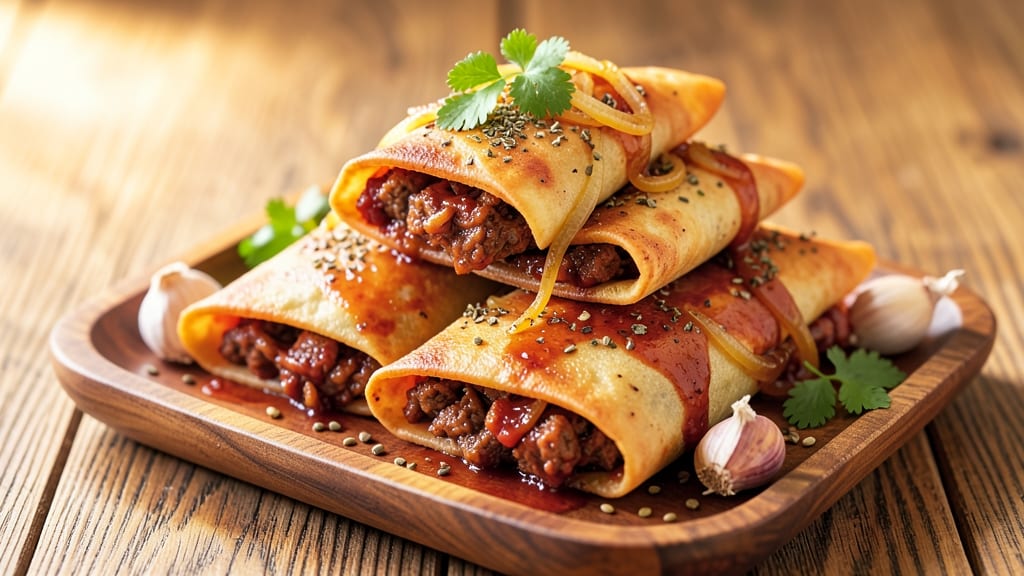
This authentic red beef tamales recipe brings the rich flavors of Mexican heritage to your kitchen with every smoky, spiced bite. 🌟 The secret lies in the perfect balance of tender ground beef, smoldering chipotle peppers, and homemade masa that transforms simple corn husks into a vessel of tradition.
I've perfected this recipe over years of family gatherings, where the aroma alone brings everyone to the table before the first tamale is even steamed.
What sets these tamales apart is the deep, complex flavor profile—smoky chipotle in adobo, warm cumin, and earthy oregano blend seamlessly with the tender beef and rich broth. The masa, made from scratch with lard and masa harina, creates a tender, slightly crumbly texture that's essential for authentic tamales.
This isn't just a recipe; it's a celebration of Mexican culinary tradition that delivers restaurant-quality results at home.
The process begins with preparing the masa and filling separately, then carefully wrapping each tamale in corn husks before steaming to perfection. Each bite delivers layers of flavor—tender beef infused with spices, the subtle sweetness of the masa, and that signature smoky chipotle heat that makes these tamales unforgettable.
The steam creates a delicate texture that's both hearty and satisfying, perfect for family feasts or special occasions.
Serve these tamales with classic sides like salsa verde, refried beans, or a simple Mexican rice to complete the experience. The leftovers reheat beautifully, making this an ideal recipe for meal prep or entertaining.
Let's bring the warmth of Mexican tradition to your table with this authentic red beef tamales recipe.
Ingredients for authentic red beef tamales
Authentic Mexican flavors start with these 15 essential ingredients—smoky, spicy, and deeply traditional.
| Ingredient | Amount | Notes |
|---|---|---|
| Ground Beef (Chuck Roast) 🥩 | 2 ½ lb | 80% lean, finely ground |
| Chipotle Peppers in Adobo 🌶️ | 4 whole | Smoked, finely chopped |
| Dried Oregano 🌿 | 2 tbsp | Mexican oregano preferred |
| Ground Cumin 🌿 | 1 ½ tbsp | Toasted for depth |
| Garlic Cloves 🧄 | 8 cloves | Freshly minced |
| Onion (Yellow) 🧅 | 1 whole | Finely diced |
| Masa Harina 🌾 | 3 cups | Maseca brand preferred |
| Lard (Leaf) 🧈 | ½ cup | Rendered, not vegetable shortening |
| Chicken Broth 💧 | 2 cups | Low-sodium preferred |
| Corn Husks 🌽 | 24 pieces | Fresh or soaked dried |
| Salt 🧂 | 1 ½ tsp | Kosher or sea salt |
| Black Pepper 🌶️ | ½ tsp | Freshly ground |
| Bay Leaves 🌿 | 2 whole | Dried, crumbled |
| Cinnamon Stick 🌿 | 1 whole | Optional for warmth |
| Water 💧 | 1 ½ cups | Warm for masa |
The beef and chipotles are the heart of these tamales. Chuck roast is key—it stays tender and absorbs the smoky flavors beautifully. For the chipotles, Goya or Herdez brands are my go-to at any grocery store, but check the adobo sauce for chunks. The masa harina? Maseca is non-negotiable—it's the gold standard for authentic texture. Fresh corn husks are ideal (found in the produce section at Mexican markets or large grocery stores like H-E-B), but dried husks work too if soaked in warm water for 1 hour. The lard gives that signature richness—never substitute vegetable shortening—it's what makes these tamales truly authentic.
No chipotles in adobo? Smoked paprika plus a pinch of cayenne can mimic the smoky heat, though it won't be identical. Running short on masa harina? Cornmeal mixed with baking powder (1 tbsp per cup) gets you close in a pinch. The bay leaves and cinnamon are optional but add that restaurant-quality depth—skip them if you're serving kids. For the broth, low-sodium is a must so you can control the saltiness. If you can't find fresh corn husks, look for dried ones in the Latin aisle—they're just as effective once properly soaked. And if you're worried about the lard, rendered beef fat works too—just strain out any impurities.
Prep the masa and filling separately to avoid a mess. The masa will keep in the fridge for 3 days or frozen for 3 months—portion it into small containers for easy reheating. The filling can be made ahead and stored in the fridge for 2 days, but add the chipotles fresh before wrapping. Tamales reheat best in a steamer—10 minutes over simmering water restores that perfect texture. For leftovers, store them in the fridge for 4 days or freeze for 2 months. The secret to reheating? Wrap them back in foil and steam gently—they should feel warm through the husk before cutting.
Why You'll Love This Recipe
- No Fuss Fillings: I swear by this recipe because the filling comes together in one pot—no fancy techniques, just browned chuck roast, smoky chipotle paste, and garlic simmering until it’s rich and sticky. Honestly, I’ve made tamales where the filling was dry or bland, but this? It’s the kind of deep, meaty flavor that makes you forget you’re even rolling them.
- Smoky Heat Magic: That chipotle in adobo? It’s the secret weapon here. A spoonful of the sauce blends right into the beef, giving it this slow-building heat that lingers without overpowering. Between us, my picky-eater husband actually asks for seconds—he’s not usually a spice guy, but this balance of smoky, earthy cumin and bright oregano? Chef’s kiss.
- Party-Ready Tamales: Between us, these are my go-to for gatherings—birthdays, game days, even holiday leftovers. The filling stays bold even after reheating, and the masa wraps keep them sturdy enough to feed a crowd without turning into a mess. (Yes, even on a Tuesday night, because let’s be real—some weeks, you just need to impress.)
- Budget-Friendly Feast: Chuck roast is cheap, and a pound of ground beef stretches across 12-15 tamales—enough to fill your freezer or your table without breaking the bank. The spices? A pinch of cumin and oregano go a long way, and the leftovers? They reheat like a dream, so you’re basically getting two meals for the price of one. Not the prettiest, but the taste makes up for it every time.
Step-by-step instructions for authentic red beef tamales
Master this traditional technique for tamales with rich, smoky chipotle flavor and tender masa filling.
👨🍳 Step 1: Prepare the Chipotle Beef Filling
In a large skillet, heat the 0.5 cup lard over medium heat until melted. Add the 2.5 lb ground beef and cook for 5-7 minutes until browned, breaking it apart with a wooden spoon. This creates the flavor base for your tamales.
Drain most of the fat, leaving about 1 tablespoon in the skillet. Add the finely chopped 4 whole chipotle peppers in adobo, minced 8 cloves garlic, and finely diced 1 whole onion. Cook for 3-4 minutes until fragrant, stirring constantly to prevent burning. Here's the thing—chipotle peppers pack serious heat, so taste as you go and adjust if needed.
Stir in the 2 tbsp dried oregano, 1.5 tbsp ground cumin, 1.5 tsp salt, 0.5 tsp black pepper, 2 whole bay leaves, and 1 whole cinnamon stick. Pour in the 2 cups chicken broth and simmer for 10 minutes until the liquid reduces by half. The filling should be thick and flavorful—this is your tamale's heart.
🍳 Step 2: Make the Masa Dough
In a large mixing bowl, combine the 3 cups masa harina with the 1.5 tsp salt. Gradually add the 1.5 cups warm water while stirring with a wooden spoon. The dough should form a soft, pliable consistency—similar to cookie dough but slightly wetter. If it's too dry, add 1 tablespoon water at a time until it holds together.
Transfer the dough to a clean surface and knead gently for 2-3 minutes until smooth. This step ensures your tamales will have that perfect, tender texture. Divide the dough into 12 equal portions (about 3 ounces each) and set aside.
🥘 Step 3: Assemble the Tamales
Soak the 24 pieces corn husks in warm water for 10 minutes to soften. Drain and pat dry with a paper towel. Working with one portion of masa at a time, flatten it into a ¼-inch thick oval about 4 inches long. Place 1 tablespoon of the chipotle beef filling in the center and fold the corn husk around it, sealing the edges tightly.
Here's the critical part: stack the tamales seam-side down in a 3-quart pot or steamer, leaving space between each one for steam to circulate. If using a pot, place a steamer basket inside and add 1 inch of water to the bottom. The tamales should be arranged in 3 layers—this ensures even cooking and prevents them from sticking together.
🔥 Step 4: Steam to Perfection
Cover the pot with a tight-fitting lid and bring to a gentle boil over medium-high heat. Once boiling, reduce heat to low and steam for 60-75 minutes. You'll know they're done when the corn husks peel away easily and the masa is firm to the touch. Don't lift the lid during cooking—this releases steam and can make your tamales dry.
For authentic flavor, I like to add a sprig of fresh cilantro or a lime wedge when serving. The tamales should have a vibrant red hue from the chipotle, a tender yet slightly chewy texture, and layers of smoky, spicy beef filling. Serve warm with extra salsa or crema for the full experience.
Pro Tips For Making Authentic Red Beef Tamales
- Brown the Beef First: Chuck roast is leaner than you’d think, and skipping the browning means your tamales will taste more like ground beef than rich, smoky filling. Sear the raw meat in batches over medium-high heat until deeply browned—it adds depth that no amount of adobo sauce can replace.
- Toast the Cumin: I used to just sprinkle the ground cumin into the pan, but toasting it first (dry in a skillet for 30 seconds until fragrant) takes the flavor from good to actually present. It’s a tiny step that makes the whole dish smell like a taqueria.
- Strain the Adobo Sauce: Chipotle peppers in adobo are packed with seeds and skin fragments that turn your filling gritty. Strain the sauce through a fine-mesh sieve before adding it—yes, it’s extra work, but your tamales won’t taste like they’re hiding sand.
- Simmer the Filling Long: The filling needs 20-25 minutes of simmering to let the flavors meld, not 10. Rush it, and you’ll end up with a dish that’s more like a spicy meat paste than a layered, complex tamale filling. Low and slow—trust me.
Common mistakes when making this recipe
Over-Steaming Tamales
One of the most common mistakes is over-steaming, which turns your tamales into a mushy mess. I've seen this happen when people keep the lid off or steam too long after the husks peel away easily.
The ideal texture should be tender but still hold its shape—think of it like a soft, slightly chewy cookie. If your tamales feel soggy or the masa falls apart, you've gone too far. 🌟
Uneven Masa Consistency
The masa is the foundation of your tamales, and getting its consistency right is crucial. I've made the mistake of adding too much water, which results in sticky, hard-to-wrap dough. The perfect masa should be soft and pliable, like cookie dough but slightly wetter.
If it feels too dry, add water 1 tablespoon at a time—don't rush it. Too much water makes the masa gummy and difficult to fold into neat packages.
Skipping the Soak
Corn husks need to be properly soaked before wrapping, or they'll crack and tear when you try to fold them. I once forgot to soak mine and ended up with a pile of broken husks and frustrated hands.
Soak your husks in warm water for 10 minutes, then drain and pat them dry. This step ensures they're pliable and won't snap when you're assembling your tamales.
Under-Seasoning the Filling
The chipotle beef filling is where the magic happens, and it's easy to under-season it. I've had tamales where the filling tasted bland because I didn't taste as I went along.
The key is to build flavor layer by layer—browning the beef, toasting the spices, and reducing the broth all contribute. Taste the filling before wrapping and adjust with salt, pepper, or even a pinch more chipotle if needed. 🌶️
Poor Wrapping Technique
If your tamales fall apart during steaming, it's likely because they weren't wrapped tightly enough. The masa should be sealed snugly inside the husk, with no gaps where steam can escape.
I like to fold the husk over the masa in a neat package, tucking in the sides and sealing the edges. If steam escapes, your tamales will dry out or even leak filling during cooking.
Using the Wrong Fat
Lard is non-negotiable for authentic tamales—it gives them that rich, tender texture. I've tried using vegetable shortening or butter as shortcuts, and while they work in a pinch, they lack the depth of flavor and texture.
Rendered beef fat is another great option, but avoid anything that doesn't have a high smoke point or a rich, meaty flavor. The fat should be rendered and strained to avoid any impurities that could affect the taste. 🧈
Nutrition facts
Frequently asked questions
Can I make these tamales without corn husks?
While corn husks are traditional, you can use banana leaves or even heavy-duty aluminum foil as substitutes. For banana leaves, blanch them first to remove bitterness. Foil works best for reheating leftovers—just wrap each tamale tightly before steaming. The texture won't be identical, but it solves the issue if you can't find husks.
How do I adjust the heat level in these tamales?
The chipotle peppers provide most of the heat, so you can reduce the quantity or remove seeds/membranes for milder tamales. For extra spice, add ½ teaspoon cayenne pepper to the filling or serve with hot sauce on the side. Always taste the filling before wrapping to adjust seasoning.
Can I make tamales ahead and freeze them?
These tamales freeze beautifully for up to 2 months. Let them cool completely, then wrap individually in plastic wrap and place in a freezer bag. To reheat, steam for 10-15 minutes—they should feel warm through the husk before serving. The texture stays perfect when frozen properly.
What's the best way to serve these tamales?
Traditionally served with salsa verde, refried beans, and Mexican rice, but they're delicious with avocado slices or a dollop of crema. For extra authenticity, add a sprinkle of tajen (Mexican seasoning blend) or serve with warm tortillas to soak up any extra filling.
Why does my masa dough feel too sticky?
Too much water makes masa sticky and hard to handle. The ideal consistency should be soft but pliable—like cookie dough. If it's too wet, add 1-2 tablespoons of masa harina at a time until it firms up. Work quickly to avoid overhandling, which can make it dry out again.