
Main Courses
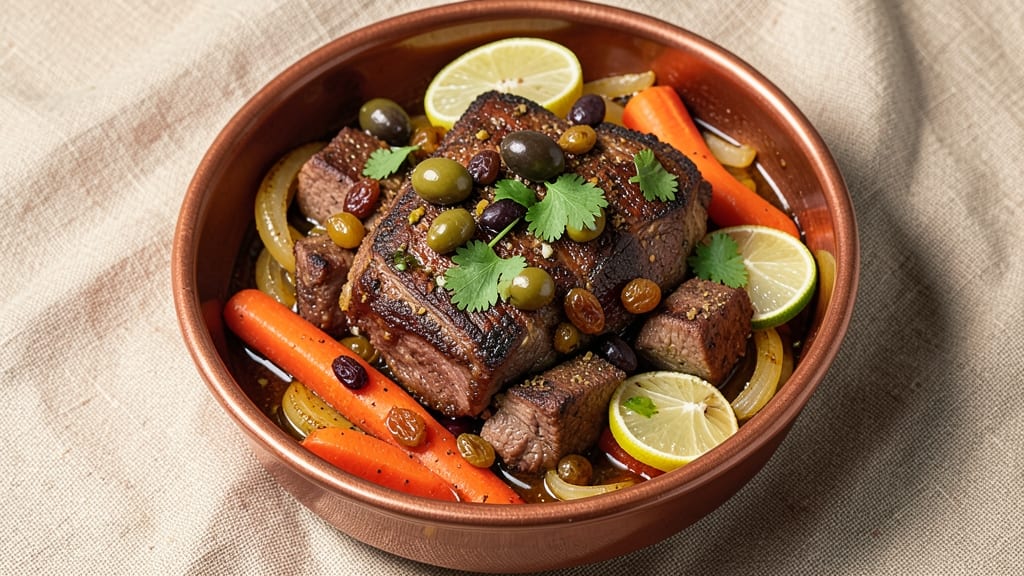
This authentic beef tagine recipe brings the aromatic heart of Morocco to your kitchen with its signature blend of spices, tender beef, and sweet-savory depth. The key lies in marinating the meat overnight with cumin, coriander, and cinnamon—spices that infuse every bite with warmth.
Unlike many adaptations, this version stays true to tradition while offering modern shortcuts for busy cooks.
Slow-cooked in a tagine pot (or heavy Dutch oven) with onions, carrots, and preserved lemons, the beef becomes fork-tender while absorbing the rich, spiced broth. Raisins and olives add layers of sweetness and texture, balancing the savory spices.
The result is a dish that's as visually stunning as it is flavorful—perfect for serving over fluffy couscous or crusty bread.
What makes this recipe truly authentic is the attention to detail: the careful layering of spices, the use of preserved lemons for tangy brightness, and the final garnish of fresh herbs. The slow cooking process transforms tough cuts into melt-in-your-mouth perfection, making it a dish worth the time and effort.
Whether you're cooking for a special occasion or a weeknight dinner, this beef tagine delivers restaurant-quality results at home. The aroma alone will transport you to the bustling souks of Marrakech, while the flavors create a harmonious balance of sweet, spicy, and savory notes.
Ingredients for authentic beef tagine
Moroccan spices, tender beef, and sweet-savory balance—this tagine delivers authentic flavors with minimal fuss.
| Ingredient | Amount | Notes |
|---|---|---|
| Beef Chuck Roast 🥩 | 2 lb | Cut into 1.5-inch cubes |
| Yellow Onions 🧅 | 2 whole | Thinly sliced, about 2 cups |
| Carrots 🥕 | 4 whole | Medium size, sliced into rounds |
| Preserved Lemons 🍋 | 2 whole | Peeled, flesh removed, chopped |
| Green Olives 🫒 | ½ cup | Pitted, preferably Manzanilla |
| Golden Raisins 🍇 | ½ cup | Plumped in warm water |
| Ground Cumin 🌿 | 2 tbsp | Freshly toasted preferred |
| Ground Coriander 🌿 | 1 ½ tbsp | Freshly ground for best flavor |
| Ground Cinnamon 🌿 | 1 tbsp | Ceylon preferred for delicate flavor |
| Ground Ginger 🌿 | 1 tsp | Freshly grated preferred |
| Turmeric Powder 🌶️ | ½ tsp | Bright yellow for color |
| Fresh Cilantro 🌿 | ¼ cup | Chopped, for garnish |
| Fresh Parsley 🌿 | ¼ cup | Chopped, for garnish |
| Extra-Virgin Olive Oil 🫒 | ½ cup | For marinating and cooking |
| Vegetable Broth 💧 | 2 cups | Low-sodium preferred |
| Sea Salt 🧂 | 1 ½ tsp | Diamond Crystal preferred |
| Black Pepper 🌶️ | ½ tsp | Freshly cracked |
The beef is non-negotiable here—chuck roast gives you that melt-in-your-mouth texture after slow cooking. Costco or your butcher shop will have it pre-cut, but if you're buying a whole roast, ask for the chuck section. Look for good marbling—those little fat streaks are what make it tender. The preserved lemons are the secret weapon: look for jars labeled 'Moroccan-style' at specialty stores—they're sweeter and less bitter than regular preserved lemons. For the olives, Manzanilla is traditional, but any green olive in a jar works. If you can't find them, pitted Kalamata olives are a decent swap.
No fresh cumin seeds? Ground cumin works fine—just toast it in a dry pan for 30 seconds to wake up the flavor. The coriander can be swapped for dried cilantro at half the amount, but fresh is better. Running short on preserved lemons? Lemon zest plus a splash of orange juice gives some brightness. The raisins must be plumped—just toss them in warm water for 10 minutes before draining. For the broth, low-sodium is key—we're building layers of flavor, not salt bombs. And if you're feeling fancy, a pinch of saffron threads (about 0.125 tsp) adds that signature golden hue and luxurious depth.
This tagine tastes even better the next day—plan ahead and make extra. Store leftovers in an airtight container in the fridge for up to 5 days, or freeze for 3 months. The flavors meld beautifully overnight, so don't rush it. For serving, I always keep a bowl of warm couscous on standby—it soaks up all that delicious broth. The fresh herbs (cilantro and parsley) can be added right before serving, or stored separately in the fridge for up to 3 days in a sealed container with a damp paper towel.
Why You'll Love This Recipe
- One-Pot Magic: I swear by this—just toss everything in a heavy pot, let it simmer, and walk away. No fancy techniques, no last-minute chopping frenzy. The chuck roast practically melts into tender perfection while you sip tea or scroll through your phone.
- Taste Like a Trip: That first bite of caramelized onions and beef, brightened by preserved lemons and briny olives? It’s the kind of flavor that makes you pause mid-bite, like you’ve been transported to a Moroccan café. Honestly, the slow-cooked richness with those tangy, salty pops is chef’s kiss.
- Leftovers That Shine: This dish actually improves the next day. The beef gets even more fall-apart tender, and the sauce thickens into something deeper, almost saucy. I pack it for lunches—just reheat and eat, no fuss. (Yes, even on a Tuesday night.)
- Budget-Friendly Feast: A chuck roast stretches for days, and the rest of the ingredients? Pantry staples. No need for fancy cuts or obscure spices. Between us, this is how I feed my whole family for under $20—plus, the preserved lemons and olives add that restaurant-worthy touch without breaking the bank.
Step-by-step instructions for authentic beef tagine
Here's how to create a rich, aromatic Moroccan stew that balances spice and sweetness perfectly.
Prepare the Spice Marinade and Sear the Beef
In a large bowl, combine the 2 tbsp ground cumin, 1.5 tbsp ground coriander, 1 tbsp ground cinnamon, 1 tsp ground ginger, and 0.5 tsp turmeric powder. Add the 2 lb beef chuck roast cut into 1.5-inch cubes and toss to coat evenly with the spices. Let this marinate while you prepare the remaining ingredients.
Heat 0.25 cup of the extra-virgin olive oil in a heavy Dutch oven over medium-high heat. Working in batches, sear the beef cubes until deeply browned on all sides—about 2-3 minutes per side. This step develops deep flavor through the Maillard reaction. Remove the beef and set aside temporarily.
Build the Tagine Base with Aromatics and Preserved Lemons
In the same Dutch oven, add the remaining 0.25 cup extra-virgin olive oil and swirl to coat the bottom. Add the 2 whole yellow onions and 4 whole carrots sliced into rounds. Cook over medium heat for 5-6 minutes until the onions soften and begin to caramelize—this should happen before they brown.
Stir in the 2 whole preserved lemons (peeled and chopped), 0.5 cup green olives, and 0.5 cup golden raisins (drained). Cook for another 2 minutes to allow the flavors to meld. The preserved lemons will add a bright citrus tang that cuts through the richness of the beef and spices.
Simmer the Tagine Until Tender
Return the seared beef to the pot along with the 2 cups vegetable broth. Bring to a gentle boil, then reduce heat to low and cover partially. Let it simmer for 2 hours, stirring occasionally, until the beef is fork-tender and the sauce has thickened slightly. The dish should smell intensely aromatic with notes of warm spices and citrus.
Here's the thing—don't rush this step. The slow cooking is what transforms tough beef into melt-in-your-mouth tenderness. If the liquid reduces too much before the beef is tender, add a splash of water or broth to maintain moisture.
Finish and Garnish for Authentic Flavor
Once the beef is tender, uncover the pot and increase heat to medium-high to reduce the sauce slightly for 5-7 minutes until it coats the back of a spoon. The sauce should be thick enough to cling to the beef but still remain saucy. Taste and adjust seasoning with 1.5 tsp sea salt and 0.5 tsp black pepper—you might not need all of it, as the preserved lemons and spices already contribute significant flavor.
Garnish with the 0.25 cup fresh cilantro and 0.25 cup fresh parsley just before serving. These herbs add a fresh contrast to the rich, spiced stew. The final dish should have a beautiful balance of tender beef, sweet raisins, briny olives, and the complex aroma of Moroccan spices.
Pro Tips For Making Authentic Beef Tagine
- SEAR THE BEEF HARD: After browning the chuck roast, push your pan to the hottest spot and let it sit undisturbed for 3 full minutes—you’ll see a deep, caramelized crust form. I used to flip it too soon, and the meat never got that rich, smoky depth that makes tagine taste like a home-cooked feast.
- SLICE PRESERVED LEMONS THIN: Cut the preserved lemon rind into matchstick-thin strips, not thick chunks—this way, the citrus flavor infuses the beef evenly without overwhelming it. I learned this the hard way when my first batch tasted like lemon curd instead of a subtle, tangy note.
- LOW AND SLOW WITH LID: Once the beef is browned, reduce heat to low and cover the tagine (or pot) completely—even if it’s just foil. The steam breaks down collagen, but too-high heat turns the beef tough. My grandmother swore by this, and she was right: patience here makes the difference between fork-tender and chewy.
- ADD OLIVES LATE: Toss in the green olives only in the last 15 minutes of cooking—this keeps them crisp and bright, not soggy or bitter. I used to add them early, and they’d turn into a sad, mushy afterthought. The last bite should still taste like a fresh olive, not a forgotten garnish.
Troubleshooting this recipe
Beef Too Tough
If your beef isn’t tender after 2 hours of simmering, you likely used the wrong cut or didn’t cook it long enough. Chuck roast is essential—it’s the only cut with enough marbling to become tender.
If you used a leaner cut like sirloin, extend cooking to 3 hours and add ½ cup more broth. The key is patience: beef should fall apart with a fork. 💪
Sauce Too Thin
A watery sauce usually means you didn’t reduce it enough. After the 2-hour simmer, increase heat to medium-high and cook uncovered for 10-15 minutes to thicken. If it’s still too thin, mash 1-2 carrots with a fork to release starches, which naturally thickens the sauce.
Avoid adding cornstarch—it’s not traditional and can make the dish taste artificial.
Spices Overpowering
Too much cinnamon or cumin can dominate the dish. Start with half the recommended amounts and adjust to taste. If the flavors are too strong, balance them with 1 tbsp honey or 1 extra preserved lemon (chopped) to brighten the palate.
Fresh herbs like cilantro or parsley also help cut through the heat. 🌿
Preserved Lemons Too Bitter
Store-bought preserved lemons can taste harsh if not prepared properly. Always peel and chop them finely before adding to the tagine. If they’re still too bitter, soak them in warm water for 10 minutes before using, or swap in lemon zest + 1 tsp orange juice for brightness.
Avoid skipping them—they’re key for authentic tang.
Olives Too Salty
Commercial olives are often brined, which can make your tagine overly salty. Rinse Manzanilla olives under cold water before adding them to the pot. If the dish still tastes too salty, balance it with 1 tbsp honey or a splash of vegetable broth.
Taste as you go—it’s easier to fix than to over-salt.
Raisins Not Plumped
Dry raisins will sink to the bottom and stay hard. Always plump them in warm water for 10 minutes before draining and adding to the tagine.
If you forget, toss them in hot broth for 5 minutes while the beef simmers. Well-plumped raisins add sweetness and texture—never skip this step! 🍇
Nutrition facts
Frequently asked questions
Can I substitute lamb or chicken for beef in this tagine?
While beef is traditional, you can absolutely use lamb or chicken! For lamb, use 2 lb bone-in shoulder and reduce cooking time to 1.5 hours—it cooks faster than beef. Chicken thighs work best (not breasts) and need only 45 minutes of simmering. Just adjust spices slightly: reduce cinnamon by half and add ½ tsp smoked paprika for depth.
What's the best way to make this in a slow cooker?
Transfer the seared beef, onions, carrots, and spices to your slow cooker. Add the broth and preserved lemons, then cook on low for 6-7 hours or high for 3-4 hours. Stir in raisins and olives during the last 30 minutes to prevent them from overcooking. The texture will be slightly softer but still delicious.
How do I know when the beef is perfectly tender?
The beef is done when it easily shreds with two forks and pulls apart cleanly. For chuck roast, this takes 2 hours of simmering. Test a piece early—if it's still slightly chewy, return it to the pot for another 30 minutes. Overcooking can make it mushy, so aim for that "just tender" moment.
Can I make this tagine ahead of time?
This dish tastes even better the next day! Store leftovers in an airtight container in the fridge for up to 5 days. The flavors meld beautifully overnight. Reheat gently on the stove with a splash of broth to restore moisture. For serving, warm couscous separately—it absorbs the tagine's rich sauce perfectly.
What's the secret to authentic tagine flavor?
The magic lies in three things: slow cooking, preserved lemons, and layered spices. Never rush the simmering—it develops deep flavor. Preserved lemons add that signature tang, while toasting your spices (especially cumin) in a dry pan for 30 seconds before using intensifies their aroma. The combination of sweet, spicy, and savory creates the perfect balance.