
Main Courses
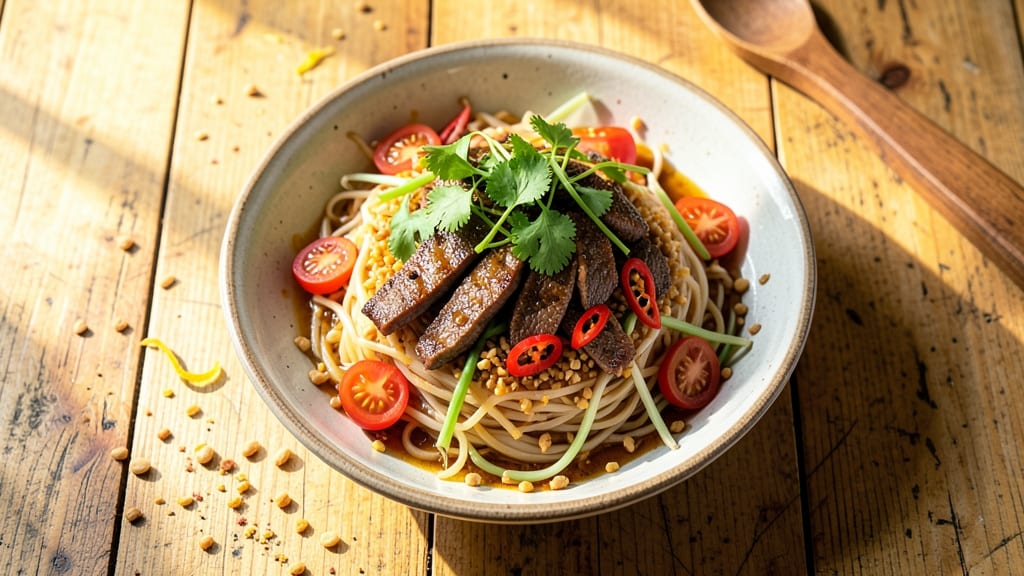
This authentic beef Pad Thai recipe delivers the perfect balance of wok-fired crunch and silky tamarind sauce that Thai street vendors have perfected for decades.
The secret lies in marinating the beef with fish sauce and tamarind, then stir-frying it with traditional ingredients like rice noodles, bean sprouts, and crushed peanuts.
I've recreated the restaurant-quality flavors at home using a few key techniques—high-heat wok cooking and a tamarind-based sauce that's tangy, sweet, and umami-rich all at once.
The recipe begins with preparing the tamarind sauce, which is the heart of Pad Thai. You'll combine tamarind paste, fish sauce, palm sugar, and a touch of lime juice to create a glossy, flavor-packed sauce that coats every ingredient.
Meanwhile, the beef is marinated in fish sauce and soy sauce, ensuring it stays tender yet flavorful when stir-fried. The rice noodles are soaked just until pliable, so they absorb the sauce without turning mushy.
What sets this recipe apart is the wok hei—that signature smoky aroma from high-heat cooking. By stir-frying the beef and vegetables quickly over a hot wok or skillet, you achieve a crisp-tender texture that's impossible to resist.
The final dish is topped with crushed peanuts, lime wedges, and fresh herbs, adding layers of crunch, brightness, and freshness to every bite.
Serve this authentic Pad Thai with extra lime wedges and chili flakes on the side, ready to customize to your taste. The balance of sweet, sour, and savory flavors makes it a dish you'll crave again and again. Let's get cooking!
Ingredients for authentic beef pad thai
Wok-fired beef, tangy tamarind sauce, and crispy peanuts—here's how to nail authentic Pad Thai at home.
| Ingredient | Amount | Notes |
|---|---|---|
| Rice Noodles 🍜 | 8 oz | Flat rice noodles, dried |
| Flank Steak 🥩 | 1 lb | Thinly sliced against grain |
| Tamarind Paste 🍈 | ½ cup | Unsweetened, block or paste |
| Fish Sauce 🍶 | ¼ cup | Red Boat preferred |
| Palm Sugar 🍯 | ½ cup | Or sub light brown sugar |
| Soy Sauce 🍶 | ¼ cup | Thai or tamari preferred |
| Bean Sprouts 🌱 | 3 cups | Fresh, rinsed and drained |
| Green Onions 🧅 | ½ cup | Sliced, white and green parts |
| Garlic Cloves 🧄 | 4 cloves | Minced, fresh preferred |
| Lime Juice 🍋 | ¼ cup | Freshly squeezed |
| Vegetable Oil 🫒 | ½ cup | High smoke point |
| Crushed Peanuts 🥜 | ½ cup | Roasted, unsalted |
| Fresh Thai Basil 🌿 | ½ cup | Stems removed, chopped |
| Chili Flakes 🌶️ | 1 tsp | Adjust to taste |
| Salt 🧂 | 1 tsp | Kosher or sea salt |
The tamarind paste is non-negotiable for that signature tang. Thai grocery stores carry the best blocks, but Asian markets usually stock it too. If you can't find it, substitute 2 tbsp lime juice plus 1 tbsp brown sugar, but it won't be quite the same. The beef should be thinly sliced against the grain—ask your butcher to slice it for you if possible. Flank steak is ideal, but sirloin works in a pinch. For the fish sauce, Red Boat is the gold standard, but any reputable brand will do. The palm sugar adds that perfect caramel note—don't skip it.
No tamarind? Double the lime juice and add 1 tbsp date syrup for sweetness. Fresh Thai basil is a game-changer, but regular basil or cilantro will work if you're in a bind. The bean sprouts can be pre-washed to save time, but rinse them thoroughly before using. For extra crunch, toast the crushed peanuts in a dry skillet for 2-3 minutes before adding them. The lime juice should be freshly squeezed—bottled just won't cut it here. If you're short on time, soak the rice noodles in warm water for 20-30 minutes instead of the traditional hot water method.
This dish tastes even better the next day—honestly, the flavors meld beautifully. Store leftovers in an airtight container in the fridge for up to 3 days. The sauce thickens as it cools, so add a splash of warm water when reheating. For meal prep, portion the noodles and sauce separately, then toss with fresh toppings when ready to eat. The peanuts and herbs keep best in the freezer, so store them separately and toast them fresh before serving.
Why You'll Love This Recipe
- No-Fuss Assembly: The rice noodles just need soaking—no boiling, no fuss. Slice the flank steak thin, toss it in the wok with tamarind and fish sauce, and let the magic happen in minutes. That’s it. (Yes, even if you burn dinner sometimes.)
- Tamarind Tang Magic: Honestly, that first bite of the tangy-sweet sauce—thanks to tamarind and palm sugar—is chef’s kiss. The fish sauce adds this deep umami punch that makes you want to eat it straight from the bowl. No subtlety here; it’s bold and addictive.
- Weeknight to Dinner Party: Same recipe, different vibes. Whip it up for a lazy Tuesday or impress guests with a quick, restaurant-quality dish. The noodles soften fast, the beef stays tender, and everyone leaves happy. (I’ve served it both ways—works every time.)
- Leftovers That Don’t Suck: Between us, most pad thai leftovers are sad. Not this one. The sauce clings to the noodles, the beef stays juicy, and reheating? Just a splash of water and a minute in the microwave. Budget-friendly, too—flank steak stretches far, and the pantry staples won’t break the bank.
Step-by-step instructions for authentic beef Pad Thai
Here's how to bring the vibrant flavors of street-side Thai cuisine into your kitchen.
Prepare the Tamarind Sauce Base
In a small bowl, combine the 0.5 cup tamarind paste, 0.25 cup fish sauce, 0.5 cup palm sugar, and 0.25 cup soy sauce. Whisk until the sugar dissolves completely and the mixture becomes smooth—this is your flavor foundation. The tamarind paste might be thick, so I like to warm it slightly in a microwave-safe bowl for 10-15 seconds to make it easier to mix. Taste and adjust seasoning, balancing sweet, sour, and salty notes. This sauce will give your Pad Thai that signature silky gloss and tangy depth.
Set the sauce aside while you prep the remaining ingredients. The longer it sits, the more the flavors meld together. If you're using block tamarind, you'll need to dissolve it in 2 tablespoons hot water first—just be patient, as it takes a few minutes to fully incorporate.
Cook the Flank Steak to Perfect Tenderness
Heat 0.25 cup vegetable oil in a wok or large skillet over high heat until shimmering. Add the 1 lb flank steak (sliced thinly against the grain) and sear for 1-2 minutes until just cooked through—it should still retain some pink in the center. Overcooking will make it tough, so don't walk away. Once the steak is done, remove it from the wok and set aside on a plate.
This quick sear locks in the juices while giving the beef that signature wok-fired texture. The slices should be tender enough to eat with chopsticks but still hold their shape. If you're worried about doneness, use an instant-read thermometer—130°F for medium-rare is ideal for Pad Thai.
Soak and Parboil the Rice Noodles
Rinse the 8 oz rice noodles under cold water to remove any excess starch, then soak them in a bowl of hot water for 15-20 minutes until pliable but still slightly firm. They should be soft enough to bend without breaking. Drain the noodles and set them aside—don't let them sit too long or they'll get mushy.
In the same wok (after removing the steak), add 1 tablespoon vegetable oil and return it to medium-high heat. Add the drained noodles and stir-fry for 2-3 minutes until they're heated through and slightly crispy at the edges. This step prevents the noodles from turning to mush when the sauce is added later. The noodles should be hot but still retain some bite—this is key for authentic texture.
Assemble and Wok-Fry the Pad Thai
Return the wok to high heat and add the remaining 0.25 cup vegetable oil. Toss in the 4 minced garlic cloves and 1 tsp chili flakes, cooking for 30 seconds until fragrant—this adds a smoky depth to the dish. Pour in the tamarind sauce and stir for 1 minute to let the flavors meld.
Add the cooked noodles back to the wok, along with the 3 cups bean sprouts and 0.5 cup sliced green onions. Toss everything together for 2-3 minutes until the noodles are evenly coated in the sauce and the bean sprouts are just wilted. The mixture should look vibrant and glossy—this is where the magic happens. If the sauce seems too thick, add 1-2 tablespoons hot water to loosen it.
Finish and Serve with Crunchy Toppings
Return the steak to the wok and toss gently to coat in the sauce. Stir in the 0.25 cup lime juice and 0.5 cup chopped fresh Thai basil, folding everything together. The basil should wilt slightly but still retain its bright green color—this adds freshness to balance the rich flavors. Taste and adjust seasoning if needed, adding a splash more fish sauce for saltiness or lime juice for tang.
Divide the Pad Thai among 4 plates, topping each with 0.125 cup crushed peanuts and an extra sprinkle of green onions and Thai basil. Serve immediately with lime wedges on the side—this dish is best enjoyed fresh and hot. The combination of silky noodles, tender beef, crunchy peanuts, and herbaceous basil creates the perfect balance of textures and flavors in every bite.
Pro Tips For Making Authentic Beef Pad Thai
- STIR-FRY THE NOODLES DRY: Soak your rice noodles until they’re pliable but still slightly firm—about 20-30 minutes in room-temp water (no boiling). Drain thoroughly, then toss them in a dry wok over high heat until they’re sizzling and just starting to brown in spots. Wet noodles steam instead of sear, and you’ll end up with a soggy mess. Trust me, the extra 30 seconds of dry-frying makes the texture everything.
- SLICE STEAK AGAINST THE GRAIN: Flank steak’s grain runs long and tough, so cut it perpendicular to those lines—thin slices, about ¼-inch thick. If you’re lazy and slice with the grain, you’ll chew like you’re eating shoe leather. Pro move: Let the sliced steak sit in the fridge for 10 minutes before cooking so it stays neat instead of curling into a pretzel.
- TASTE THE SAUCE BEFORE COOKING: Mix your tamarind, fish sauce, and palm sugar first, then taste it raw—no eggs, no tofu, just the base. It should balance sour, salty, and sweet without being cloying. I learned this the hard way: adding the full sauce at the end means you’re stuck with a flavor you can’t fix. Adjust now, or regret it later when the noodles are done.
- COOK THE EGGS HALF-DONE: Push those scrambled eggs to the side of the wok before they’re fully set—just until the edges are firm and the centers are still custardy. You’ll fold them in later, and that runny yolk will coat the noodles in creamy richness. Fully cooked eggs? They’ll turn into dry, rubbery bits clinging to your teeth. (Yes, even if you’re impatient like me.)
Flavor customization for this dish
Spicy Heat Level
Adjust the heat by controlling the chili flakes—start with ½ teaspoon for mild, 1 teaspoon for medium, or 1.5 teaspoons for fiery. For extra kick, add 1-2 sliced Thai chilies (bird's eye) during stir-frying.
I love a medium heat, but trust me, the first time I tried it spicy, I couldn't stop eating it! 🌶️
Sweetness Balance
Taste the tamarind sauce before adding noodles—if it tastes too tart, add 1-2 teaspoons palm sugar (or brown sugar). For deeper sweetness, reduce the soy sauce slightly and add ½ teaspoon honey or date syrup.
Pro tip: Let the sauce sit for 10 minutes after mixing to let flavors meld.
Umami Boost
For richer depth, add 1 teaspoon oyster sauce or 1 tablespoon soy sauce to the tamarind base. I also love 1 teaspoon fish sauce extra for umami punch. If you're vegetarian, substitute with 1 tablespoon coconut aminos—it works surprisingly well! 💡
Herb Variations
Swap Thai basil for cilantro (more citrusy) or mint (cooler, brighter). For a fusion twist, add 1 tablespoon chopped cilantro and ½ teaspoon lime zest at the end. Fresh herbs should always be added last to preserve their vibrancy.
Protein Swaps
Replace beef with chicken thigh (marinate in fish sauce + lime) or tofu (press and pan-fry first). For shrimp lovers, use 12 oz peeled shrimp—toss with 1 tablespoon fish sauce and 1 teaspoon sugar before cooking. Each protein changes texture but keeps the dish balanced.
Crunchy Add-Ins
Boost texture with ¼ cup crushed roasted cashews (toast first for extra flavor) or 2 tablespoons fried shallots. For a Thai street-food touch, add 1 tablespoon crispy fried garlic—it’s a game-changer! Store extra toppings in airtight containers to keep them fresh.
Nutrition facts
Frequently asked questions about authentic beef Pad Thai
Can I use regular rice noodles instead of flat rice noodles?
Flat rice noodles are essential for authentic texture—they're wider and chewier than regular rice noodles. If you can't find them, try rice vermicelli or banh pho noodles, but they'll be thinner and cook faster. For best results, look for "Pad Thai noodles" in Asian markets or online. The width matters for that signature bite!
How do I get the beef tender enough for stir-frying?
Slice the flank steak thinly against the grain—this shortens the muscle fibers for tenderness. Marinate for 15-30 minutes in fish sauce and soy sauce, then sear over high heat for just 1-2 minutes. Overcooking makes it tough! For extra tenderness, slice it paper-thin (ask your butcher for help).
What's the best way to make tamarind sauce if I can't find tamarind paste?
Mix 2 tbsp lime juice + 1 tbsp brown sugar + 1 tbsp fish sauce for a quick sub. For deeper flavor, simmer 1 cup lime juice + ½ cup brown sugar until reduced by half, then add 2 tbsp fish sauce. The texture won't be identical, but it'll capture the tangy-sweet balance.
Why does my Pad Thai sauce turn too thick when cooking?
High heat causes the sauce to reduce quickly. Thin with 1-2 tbsp hot water while stir-frying, or add ½ tsp cornstarch mixed with water as a slurry. The sauce should coat the noodles without being gluey. For extra gloss, finish with 1 tsp lime juice—it helps balance the thickness.
Can I make this ahead of time?
Store cooked Pad Thai in an airtight container for 2-3 days, but reheat gently with a splash of water to restore moisture. For best texture, assemble fresh toppings (peanuts, herbs) right before serving. The noodles soften when reheated, so keep them separate and toss with sauce when ready to eat.