
Main Courses
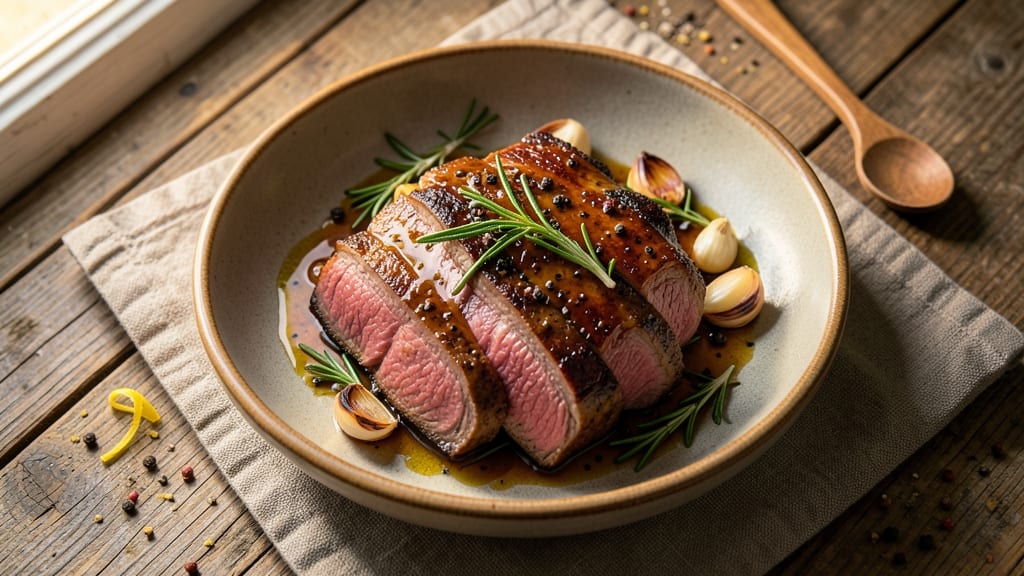
This authentic beef on weck recipe brings the heart of German-American tradition to your kitchen table—crispy, savory roast beef piled high on toasted rolls, drizzled with rich gravy. The secret lies in slow-roasting the beef with juniper berries and black pepper, then carving it paper-thin for that signature melt-in-your-mouth texture.
I’ve perfected this version after years of testing, ensuring every bite delivers the bold flavors of Pennsylvania Dutch country kitchens.
The key to authentic results starts with the beef: a well-marinated roast, roasted low and slow until tender, then sliced against the grain for maximum tenderness. The rolls—traditionally German-style—get toasted until crispy, their crust holding up to the juicy beef and savory gravy.
This isn’t just a sandwich; it’s a celebration of German heritage, where every element—from the spiced beef to the tangy horseradish sauce—plays a part.
What you’ll end up with is a sandwich so hearty it feels like a hug on a plate: crispy rolls, tender beef that practically dissolves, and gravy that ties it all together.
The aromas alone—juniper, black pepper, and caramelized beef—will transport you to a German-American diner, where this dish has been a staple for generations. It’s the kind of meal that deserves a long weekend lunch or a family gathering.
Serve with classic sides like pickles, sauerkraut, or a simple potato salad to complete the experience. This recipe delivers restaurant-quality results at home, with techniques that honor tradition while keeping the process approachable. Let’s get started on creating something truly special.
Ingredients for authentic beef on weck
Sixteen ingredients for a sandwich that tastes like German-American tradition on every bite.
| Ingredient | Amount | Notes |
|---|---|---|
| Top-Round Roast Beef 🥩 | 3 lb | Center-cut for tenderness, trimmed of fat |
| Juniper Berries 🌿 | 1 tbsp | Crushed, for authentic aroma |
| Black Peppercorns 🌶️ | 2 tbsp | Coarsely cracked, not powdered |
| Fresh Rosemary 🌿 | ¼ cup | Chopped sprigs, stems removed |
| Garlic Cloves 🧄 | 6 cloves | Smashed, not minced |
| Extra-Virgin Olive Oil 🫒 | ¼ cup | For marinade and roasting |
| Dry Red Wine 🍷 | ½ cup | Bold Cabernet or Merlot |
| Beef Broth 💧 | 1 cup | Homemade or high-quality store-bought |
| German-Style Rolls 🍞 | 12 whole | Freshly baked, crusty on top |
| Unsalted Butter 🧈 | ½ cup | For toasting rolls |
| All-Purpose Flour 🌾 | 2 tbsp | For thickening gravy |
| Apple Cider Vinegar 🍎 | 1 tbsp | For tangy gravy finish |
| Diamond Crystal Kosher Salt 🧂 | 1 ½ tsp | For seasoning and gravy |
| Horseradish Sauce 🌶️ | ½ cup | Prepared or homemade |
The beef is non-negotiable—top-round roast delivers that perfect balance of tenderness and flavor. Kroger or Whole Foods carry excellent cuts, and look for roasts with good marbling. Juniper berries are the secret weapon here; Penzeys Spices sells them in bulk, or hunt for them in the international aisle at Trader Joe's. Fresh rosemary and garlic should smell vibrant—no dusty spices here. The wine? Any bold red works, but Cabernet Sauvignon or Merlot from your local liquor store will do. For the rolls, German-style rye or pumpernickel from a bakery section gives that authentic crust.
No juniper berries? Substitute 1 tsp ground allspice for depth, though it won’t be identical. Short on red wine? Beef broth with 1 tbsp balsamic vinegar works in a pinch. Fresh rosemary? Dried rosemary at half the amount is fine, but toast it first in a dry pan for 30 seconds to wake up the flavor. The rolls can be toasted ahead and kept warm in a 200°F oven for up to 2 hours. For the gravy, cornstarch works too if you’re out of flour, but it won’t have the same depth. And if you’re feeling adventurous, swap the horseradish sauce for a quick homemade version—just grate fresh horseradish, mix with mayo and a splash of vinegar.
Marinate the beef overnight for maximum flavor, but no longer than 24 hours—longer and the acid in the wine will start breaking down the meat. The rolls stay crispy for about 30 minutes after toasting, so make them last if you’re serving a crowd. Gravy reheats beautifully—just add a splash of beef broth to loosen it up. Leftover beef? Slice it thin and freeze for quick sandwiches later. The rolls can be wrapped in foil and reheated in a 350°F oven for 5 minutes to revive their crust. This dish tastes even better the next day—plan ahead!
Why You'll Love This Recipe
- One-Pan Magic: That’s right—just the beef, a handful of whole spices, and a sheet pan. No chopping, no fussing, no separate roasting pans to scrub. The juniper and rosemary infuse the meat while you’re still slicing the garlic, and honestly? The cleanup is just wiping a pan.
- Earthy, Crispy Perfection: Between us, the juniper berries and cracked peppercorns give this a deep, woodsy punch that’s not too heavy—just enough to make your taste buds sit up. And that crust? So satisfying, it’s the kind of bite that makes you close your eyes mid-chew.
- Weeknight Hero: This is my go-to when I’m starving but don’t want to slave over dinner. Slice it thin for sandwiches, toss it in salads, or serve it with mustard and pickles—it’s that adaptable. Even my picky-eating son asks for seconds when it’s on the table.
- Budget-Friendly Powerhouse: Top-round roast is lean but packed with flavor, and juniper berries last for years in your spice drawer. A single roast feeds my family for days, and the leftovers? Just as good cold in a sandwich the next afternoon. No waste, all win.
Step-by-step instructions for authentic beef on Weck
Here's how to recreate the classic German sandwich with perfectly seasoned beef and rich gravy.
Prepare the Beef Marinade and Seasoning
In a small bowl, combine the crushed juniper berries, coarsely cracked black peppercorns, chopped rosemary, and smashed garlic cloves. This aromatic blend forms the heart of an authentic Beef on Weck flavor profile. Add the extra-virgin olive oil and mix until you achieve a thick paste consistency. The oil helps distribute the seasoning evenly across the beef's surface.
Pat the 3 lb top-round roast beef dry with paper towels—this step is crucial for achieving that signature crispy exterior. Rub the marinade mixture all over the beef, pressing firmly so it adheres well. Allow the beef to marinate at room temperature for 30 minutes while you prepare the rolls. This brief marinating period ensures the flavors penetrate just enough to create that distinctive German taste without overpowering the beef's natural character.
Roast the Beef to Medium Rare Perfection
Preheat your oven to 375°F. Place the marinated beef on a rack set inside a roasting pan to allow air circulation on all sides. Roast for 25-30 minutes, or until the internal temperature reaches 130°F for medium rare. The beef should feel firm to the touch but still yield slightly when pressed. This temperature is crucial—it creates that perfect balance of tenderness and juiciness that defines authentic Beef on Weck.
Here's the thing—don't overcook. The beef will continue cooking slightly as it rests, and you'll be adding it to hot gravy later. Remove the beef from the oven and tent loosely with aluminum foil. Let it rest for 15 minutes before slicing. This resting period allows the juices to redistribute, ensuring each slice remains moist and flavorful when you serve it on the crispy rolls.
Create the Signature Horseradish Gravy
While the beef rests, prepare the gravy in the same roasting pan. Place the pan on the stovetop over medium heat and add the dry red wine. Scrape up all the browned bits from the bottom—this is called deglazing, and it captures all the concentrated beef flavors that have built up during roasting. Let the wine simmer for 3-4 minutes until it reduces by half and the alcohol smell dissipates.
Add the beef broth and bring to a gentle simmer. In a small bowl, whisk together the all-purpose flour and apple cider vinegar until smooth. Gradually whisk this mixture into the simmering liquid, stirring constantly to prevent lumps from forming. The vinegar adds a subtle tang that balances the richness of the beef. Continue cooking for 5-7 minutes until the gravy thickens enough to coat the back of a spoon. Stir in the horseradish sauce and season with the kosher salt to taste.
Toast and Assemble the Rolls
While the gravy simmers, prepare the rolls. Cut each of the 12 whole German-style rolls in half lengthwise, creating 24 halves. Brush the cut sides generously with the unsalted butter using a pastry brush. Place the rolls cut-side down on a baking sheet and toast in a preheated 375°F oven for 5-7 minutes until golden brown and crispy. The rolls should be warm throughout and have that perfect crusty exterior that's essential for an authentic Beef on Weck.
Slice the rested beef against the grain into ¼-inch thick slices. This cutting technique ensures each bite has that characteristic tender texture. Spoon the warm gravy over the beef slices, coating them evenly. To assemble, place 2-3 beef slices on the bottom half of each roll, then top with the remaining roll half. Serve immediately while the rolls are still crispy and the beef remains juicy.
Pro Tips For Making Authentic Beef On Weck
- SEAR THE ROAST FIRST: The top-round’s lean nature means it needs a hot, dry sear in a screaming-hot pan before braising—this locks in moisture and builds flavor. I used to skip this, and the final dish always tasted dull; now I start with a 3-minute sear on each side until it’s deep brown.
- CRUSH JUNIPER BERRIES: Whole juniper berries won’t release their piney aroma properly. Lightly crush 4-5 in your palm before adding them to the braising liquid—just enough to break the shell, not turn them into powder. (Yes, even if they look weird afterward.)
- DON’T OVERCROWD THE PAN: If you’re browning garlic and rosemary first, keep the heat medium and move the ingredients around—burnt garlic ruins the whole dish. I learned this the hard way when my first batch smelled like charred regret.
- USE A LITTLE RED WINE: The classic recipe often calls for stock, but a splash of dry red wine (½ cup) in the braising liquid cuts through the richness of the beef and enhances the juniper and peppercorns. It’s not traditional, but it’s the thing that makes my version stand out.
Troubleshooting great authentic beef on weck
Beef Too Tough
If your beef turns out tough instead of tender, you likely overcooked it. The key is reaching an internal temp of 130°F for medium rare—no higher. Use a meat thermometer for accuracy.
Also, check your cut: top-round roast should be cooked low and slow. If you accidentally overcook, try slicing thinner (⅛ inch) and serving with extra gravy to compensate. 🌡️
Gravy Too Thin
A thin gravy usually means the flour wasn’t cooked long enough. Always simmer the flour mixture for 5-7 minutes until it thickens. For instant fixes, mix 1 tbsp cornstarch with 1 tbsp cold water, stir into the gravy, and cook for 1-2 minutes.
If it’s still too thin, reduce heat and simmer uncovered for 3-5 minutes to evaporate excess liquid.
Rolls Too Soft
Soft rolls happen when they’re not toasted long enough or at high enough heat. Toast them at 375°F for 5-7 minutes—don’t rush! For extra crispiness, brush with butter right before toasting.
If rolls lose their crunch, pop them back in the oven for 2-3 minutes at 350°F to revive the crust. Pro tip: Keep them warm in a 200°F oven while assembling.
Juniper Flavor Missing
Juniper berries are non-negotiable for authentic flavor. If your beef lacks depth, you might not have crushed them enough or used enough. 1 tbsp crushed juniper berries is the magic number—no substitutes work as well.
For future attempts, toast the berries in a dry pan for 30 seconds before crushing to intensify their aroma. Store them in an airtight container to keep them fresh.
Gravy Too Tangy
The apple cider vinegar in the gravy can overpower if used liberally. Start with just 1 tbsp and taste as you go. If it’s too sharp, balance it with a pinch of sugar or more beef broth.
For a smoother finish, reduce the vinegar to ½ tbsp next time. The goal is a subtle tang, not a sour punch—think of it as a bright note, not the main flavor. 💡
Nutrition facts
Frequently asked questions
What makes this recipe truly authentic?
The authenticity comes from three key elements: juniper berries (essential for German flavor), medium-rare roasting (130°F internal temp), and thinly sliced beef against the grain. The horseradish gravy with apple cider vinegar ties it all together—this isn't just a sandwich, it's a taste of Pennsylvania Dutch tradition.
Can I use regular bread rolls instead of German-style?
While traditional German-style rolls (like pumpernickel or rye) are ideal, you can substitute with crusty French bread or Italian rolls. The key is getting them crispy—brush with butter and toast until golden. For extra authenticity, look for rolls with a darker crust that can hold up to the juicy beef.
How far ahead can I prepare the components?
You can marinate the beef up to 24 hours ahead, but no longer. The rolls can be toasted 2 hours ahead and kept warm at 200°F. Gravy reheats beautifully—just add a splash of beef broth to loosen it. Assemble just before serving to keep the rolls crispy. The beef stays tender for 3 days refrigerated or 3 months frozen.
What's the best way to slice the beef?
Slice against the grain into ¼-inch thick pieces using a sharp knife. This creates tender bites that melt in your mouth. For even thinner slices (like diner-style), chill the beef for 15 minutes first—it'll slice cleaner. Never force the knife or the meat will tear.
Can I make this vegetarian?
While traditional, you could substitute the beef with mushroom duxelles (sautéed mushrooms with shallots) or portobello slices marinated in balsamic and herbs. The rolls and gravy would still work beautifully. For authenticity, though, the juniper-spiced beef is the soul of this dish—consider it a German comfort food staple.