
Main Courses
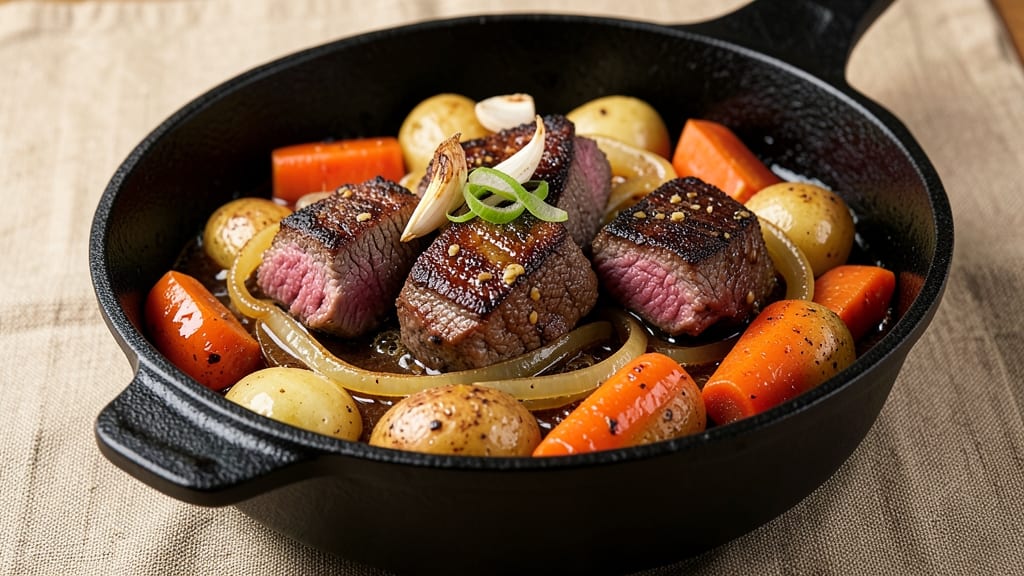
This authentic beef misono recipe brings the rich, comforting flavors of Filipino home cooking to your table with its signature slow-simmered umami depth and silky soy-glazed beef. The secret lies in proper browning of the meat and layering spices—ginger, garlic, and tomatoes—that develop complex flavors over time. Unlike quick stir-fries, this dish rewards patience with melt-in-your-mouth beef and vegetables tenderized just enough to soak up the savory sauce.
What sets this recipe apart is its balance of sweetness from tomatoes and acidity from soy sauce, creating that perfect harmony Filipino cooks chase. The beef transforms from tough cuts into fork-tender pieces through hours of gentle simmering, while potatoes and carrots absorb the deeply flavorful broth.
This isn't just another beef stew—it's a celebration of traditional techniques that deliver restaurant-quality results at home.
By the time you serve this dish over steamed rice, you'll understand why misono holds a special place in Filipino tables. The aroma alone—warm spices mingling with caramelizing soy—will have everyone gathering around the table.
Each bite delivers layers of umami from the soy glaze, sweetness from the tomatoes, and earthy depth from the ginger and garlic, all while maintaining that perfect tenderness in the beef.
The beauty of this recipe lies in its versatility—serve it as a hearty main course with rice, or use the leftovers to make quick lunches the next day.
The sauce thickens beautifully when reheated, making it even more flavorful. With this method, you'll achieve that authentic Filipino restaurant taste that's been missing from your weeknight dinners.
Ingredients for authentic beef misono
Sixteen ingredients, all working together for that deep, caramelized Filipino umami you crave.
| Ingredient | Amount | Notes |
|---|---|---|
| Beef Chuck Roast 🥩 | 3 lb | Cut into 1.5-inch cubes |
| Yellow Onions 🧅 | 2 whole | Medium size, sliced |
| Carrots 🥕 | 4 whole | Medium size, sliced into rounds |
| Russet Potatoes 🥔 | 3 lb | Peeled, cut into 1-inch chunks |
| Garlic Cloves 🧄 | 8 cloves | Minced, for maximum flavor |
| Fresh Ginger 🌿 | 2 tbsp | Grated, peeled root |
| Canned Tomatoes 🍅 | 28 oz | San Marzano preferred, crushed |
| Soy Sauce 🍶 | ½ cup | High-quality, preferably Filipino |
| Brown Sugar 🍚 | 2 tbsp | Packed, for caramelization |
| Black Peppercorns 🌶️ | 1 tsp | Freshly cracked, coarse |
| Bay Leaves 🍃 | 2 whole | Dried, for aromatic depth |
| Vegetable Oil 🫒 | 3 tbsp | For searing beef |
| Salt 🧂 | 1 ½ tsp | Kosher or sea salt |
The beef is non-negotiable—chuck roast gives you that signature melt-in-your-mouth texture. Costco or Whole Foods usually have it pre-cubed, which saves time, but if you're buying a whole roast, ask the butcher to cut it into 1.5-inch pieces. Look for good marbling—those little fat pockets are what make the beef tender. For the tomatoes, San Marzano cans are worth the splurge—they're sweeter and less acidic, which balances the soy sauce perfectly. The ginger should be fresh, not powdered, and the garlic? Four cloves for the initial sear, and four more minced for the sauce. Don't skip the bay leaves—they add that subtle earthiness that makes this dish sing.
No soy sauce? Coconut aminos in a pinch (though it's sweeter, so reduce brown sugar). Fresh ginger too pricey? Ground ginger at half the amount, but it won't have the same punch. The carrots can be baby carrots if that's what's in your fridge, but the potatoes should be russet—they hold up better to long cooking. For the oil, vegetable or canola works, but if you've got avocado oil, it has a higher smoke point for better searing. The brown sugar is key—it caramelizes during the slow cook, adding that rich depth. If you're out, white sugar plus a pinch of cinnamon gets you close.
This dish tastes even better the next day—honestly, the flavors meld more overnight. Store in an airtight container in the fridge for up to 5 days, or freeze portions for 3 months. I always make a double batch because it's perfect for lunches. The sauce thickens when reheated, so add a splash of water if it gets too stiff. Leftovers reheat beautifully—just warm on the stove with a little water to loosen the sauce. Serve over steamed rice, and you've got a Filipino restaurant experience at home.
Why You'll Love This Recipe
- One-Pot Magic: I swear by this—just toss everything into a Dutch oven, add water, and walk away. The beef chuck roast gets fork-tender while the potatoes and carrots caramelize right in the same pot. No chopping boards, no extra pans, just pure simplicity.
- Garlic Bomb Flavor: That slow-cooked garlic? It’s the star. The cloves soften into a sweet, buttery depth that clings to every bite of beef, while the onions add a caramelized richness. Honestly, the first time I tasted it, I nearly burned my tongue just to keep eating.
- Leftovers That Beg: This recipe practically insists you make extra. The flavors only get better the next day—especially when reheated with a splash of water to revive that tender, saucy goodness. My freezer is full of these because I can’t resist making double batches.
- Budget Feast: A whole roast and a pile of veggies for less than $20? That’s a steal. The chuck roast is affordable, the potatoes and carrots stretch it out, and the garlic adds that restaurant-quality punch without breaking the bank. Dinner for four, happy wallet.
Step-by-step instructions for authentic beef misono
Here's how to transform tough beef into melt-in-your-mouth tender slices with that signature sticky-sweet soy glaze.
Sear the Beef for Deep Flavor
Heat a large Dutch oven over medium-high heat until very hot. Add the 3 tablespoons vegetable oil and swirl to coat the bottom. Working in batches to avoid crowding, add the 3 lb beef chuck roast cut into 1.5-inch cubes and sear for 2-3 minutes per side until deeply browned. This step develops the Maillard reaction, creating that rich, caramelized foundation for your misono.
As you sear, you'll notice the beef releases its natural juices and fat. Don't rush this—let each piece develop that golden crust. Once all beef is browned, remove it from the pot and set it aside on a plate. You'll use that beautiful browned fond later to build flavor in your sauce.
Build the Aromatic Base
In the same Dutch oven, reduce heat to medium and add the sliced 2 whole yellow onions and 4 whole carrots. Cook for 5-6 minutes, stirring occasionally, until the onions become translucent and the carrots begin to soften. This step extracts their natural sweetness and forms the vegetable backbone of your dish.
Add the 8 cloves minced garlic cloves and 2 tablespoons grated fresh ginger, stirring for 30 seconds until fragrant. Here's where the magic begins—those aromatic compounds release, filling your kitchen with that irresistible umami-packed scent. If you notice the garlic starts to brown too quickly, reduce heat slightly to prevent burning.
Simmer the Vegetables and Tomatoes
Pour in the 28 oz crushed canned tomatoes, scraping up any browned bits from the bottom with a wooden spoon. Add the 2 whole bay leaves, 1 teaspoon cracked black peppercorns, 1.5 teaspoons salt, and 2 tablespoons packed brown sugar. Bring to a gentle simmer, then reduce heat to low and let cook uncovered for 15 minutes, stirring occasionally.
This simmering time allows the tomatoes to break down and release their juices, creating a rich base. You'll see the sauce reduce slightly and develop a deeper, more concentrated flavor. The brown sugar will begin to caramelize, adding that subtle sweetness that balances the savory soy sauce we'll add next.
Add the Soy Sauce and Potatoes
Return the seared beef to the pot and add the 3 lb peeled russet potatoes cut into 1-inch chunks along with the 0.5 cup soy sauce. Stir gently to combine, then bring the mixture to a gentle boil. Once boiling, reduce heat to low and cover partially, leaving a small gap for steam to escape.
The soy sauce will begin to mingle with the tomato base, creating that signature silky glaze. Here's the thing—don't stir constantly. Occasional gentle stirring prevents the potatoes from breaking apart and allows the beef to develop that tender texture. The potatoes will absorb the rich flavors while becoming fork-tender.
Slow-Cook Until Tender Perfection
Simmer uncovered for 1.5 to 2 hours, stirring occasionally, until the beef is fork-tender and the potatoes are easily pierced with a knife. The liquid should reduce to a thick, glossy sauce that clings beautifully to every piece of beef and potato.
Real talk: This is where patience pays off. The beef should pull apart easily with two forks, and the sauce should coat the back of a spoon with a velvety consistency. If you find the sauce reduces too quickly, add ¼ cup water to maintain the proper texture. Once everything reaches this tender state, remove the bay leaves and serve immediately over steamed rice.
Pro Tips For Making Authentic Beef Misono
- SEAR THE BEEF FIRST: I used to skip this step, thinking the long braise would handle it—but that’s where flavor hides. Get your chuck roast screaming hot in a dry pan for 4-5 minutes per side until deep brown. The crust isn’t just for looks; it’s the foundation of that rich, caramelized depth you’ll taste after hours of cooking.
- CUT POTATOES IN EVEN SLICES: Uneven potatoes mean some get mushy while others stay hard. Use a mandoline or sharp knife to slice them ¼-inch thick—same thickness as your carrots. (Yes, it’s tedious, but your misono won’t fall apart later.) Toss them in cold water to stop cooking until you’re ready to add them to the pot.
- DON’T OVERCROWD THE POT: I learned this the hard way—packing the pot too tight turns your misono into a sad, watery stew. Leave 1 inch of space between ingredients, and if needed, cook in batches. The beef needs room to tenderize, and the veggies need to caramelize, not steam.
- USE WHOLE GARLIC CLOVES: Sounds weird, but it works: Smash the garlic cloves with the flat side of your knife instead of mincing them. This keeps them intact while releasing flavor slowly—no bitter burn, just deep, mellow garlic aroma. (And yes, you can still taste them after hours of cooking.)
Pro cooking tips for this dish
Searing Secrets
Don’t skip the sear—this is where the magic happens! Use a large Dutch oven and heat it until smoking hot before adding 3 tablespoons vegetable oil.
Work in batches to avoid crowding, and let each piece of 1.5-inch beef cubes develop a deep brown crust for 2-3 minutes per side. The Maillard reaction creates complex flavors that build the sauce’s depth. I swear by this step—it’s what separates homemade misono from store-bought. 🔥
Layering Aromatics
Cook onions and carrots until softened (5-6 minutes), then add garlic and ginger for 30 seconds—just until fragrant. Overcooking burns the garlic, turning bitter. Scrape up that browned fond from the bottom of the pot (it’s flavor gold!) before adding tomatoes.
This layering ensures every bite carries the full spectrum of savory, sweet, and umami notes. 🌶️
Sauce Balance
Add soy sauce (½ cup) and brown sugar (2 tbsp) together—this combo creates the signature glossy finish. Taste as you go: if it’s too salty, add a splash of water; if too sweet, a pinch of salt.
The sauce should coat the back of a spoon with a silky texture. I’ve ruined batches by rushing this step—patience here makes all the difference. ✨
Potato Perfection
Cut potatoes into 1-inch chunks (too small, they’ll turn to mush). Add them after the beef returns to the pot, so they absorb flavors without breaking. Simmer uncovered for 1.5-2 hours—the longer they cook, the creamier they become.
If the sauce reduces too quickly, add ¼ cup water to maintain balance. Trust the process! 🥔
Slow-Cooking Tips
Use low heat to prevent boiling over, which can make the sauce watery. Cover partially (leave a gap!) to let steam escape—this keeps the sauce thick and glossy.
The beef is done when it pulls apart easily with forks. I’ve seen people overcook it into dryness—check tenderness early to avoid this. 💡
Final Touches
Remove bay leaves before serving (they’re aromatic but not meant to be eaten). Garnish with green onions or a squeeze of calamansi for brightness. Serve immediately over steamed rice—this dish tastes best fresh, with the sauce clinging to every bite. Leftovers? Even better the next day! 🍚
Nutrition facts
Frequently asked questions
What cut of beef works best for misono?
Use chuck roast—it's the gold standard for this dish! The marbling and connective tissue break down beautifully during slow cooking, giving you that signature tender, melt-in-your-mouth texture. Avoid lean cuts like sirloin, as they won't become tender enough.
Can I make this in a slow cooker?
Brown the beef in a skillet first, then transfer everything to your slow cooker. Cook on low for 6-7 hours or high for 3-4 hours until the beef is fork-tender. The slow cooker's gentle heat helps tenderize the meat perfectly while keeping the sauce rich and flavorful.
Why does my misono taste too salty?
Soy sauce is salty, so taste as you go! If it's too strong, add ¼ cup water or a splash of coconut milk to dilute. For future batches, reduce soy sauce to ¼ cup and add 1 tbsp fish sauce for umami without extra salt. Always taste before serving!
How do I know when the beef is tender?
The beef is done when it pulls apart easily with two forks and the internal temperature reaches 203°F. For chuck roast, this usually takes 1.5-2 hours of simmering. If you're unsure, cut a small piece—it should be fork-tender, not chewy.
Can I use potatoes other than russet?
Russets hold up best, but Yukon Gold or red potatoes work in a pinch. Avoid waxy potatoes like red-skinned—they'll turn to mush. Cut them into 1-inch chunks and add them after the beef returns to the pot so they absorb flavors without falling apart.