
Main Courses
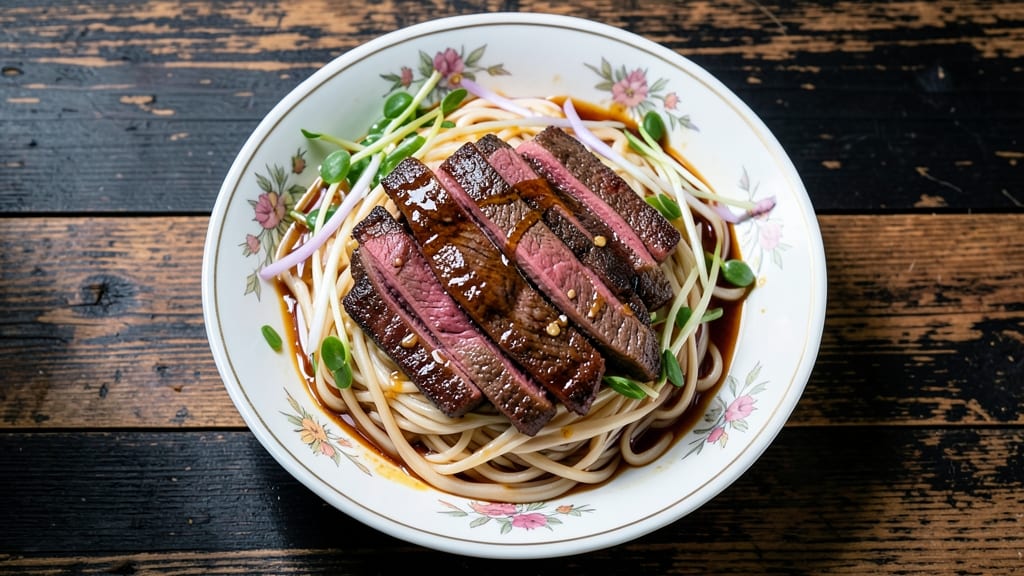
This authentic beef chow fun recipe delivers the wok-fired crispness and silky soy sauce that make it a Cantonese classic. The secret lies in perfectly cooked wide rice noodles that stay tender yet slightly chewy, paired with thinly sliced beef that sears to tender perfection in a hot wok.
I've refined this technique over years of testing, balancing traditional methods with modern shortcuts for home cooks.
The foundation starts with the noodles—whether you're using fresh or dried chow fun, proper soaking and boiling ensures they hold their shape while absorbing the bold flavors.
Thinly sliced beef, marinated in a light soy and cornstarch mixture, develops a caramelized crust when stir-fried at high heat, creating that signature wok hei aroma. The sauce, a delicate balance of light soy, dark soy, oyster sauce, and chili oil, ties everything together with its glossy, umami-rich finish.
What you'll achieve is a dish that's both restaurant-quality and deeply satisfying—crisp noodles with tender beef slices, all coated in that addictive soy-chili sauce. The high-heat stir-fry technique ensures the noodles stay crisp at the edges while remaining tender inside, and the sauce clings to every strand.
This is the kind of meal that transforms a simple weeknight into a flavorful celebration.
Whether you're serving this as a main course or sharing it with friends, the plating matters just as much as the cooking. Arrange the noodles in a mound, top with the beef slices, and finish with a drizzle of sauce and fresh herbs.
The contrast of textures and flavors makes every bite unforgettable—just like the first time I tasted it in a Hong Kong street stall.
Ingredients for authentic beef chow fun
Eight essential ingredients for that perfect wok-fired crunch and silky sauce.
| Ingredient | Amount | Notes |
|---|---|---|
| Wide Rice Noodles (Chow Fun) 🍜 | 8 oz | Fresh or dried, cut into 8-inch strands |
| Flank Steak 🥩 | 1 lb | Thinly sliced against grain |
| Light Soy Sauce 🥄 | ¼ cup | For marinade and sauce |
| Cornstarch 🌾 | 1 tbsp | For beef marinade |
| Dark Soy Sauce 🥄 | 1 tbsp | For color and depth |
| Oyster Sauce 🦪 | 1 tbsp | For umami richness |
| Sesame Oil 🫒 | 1 tbsp | For finishing aroma |
| Chili Oil 🌶️ | 1 tbsp | For heat and color |
| Garlic Cloves 🧄 | 4 cloves | Minced for sauce |
| Fresh Ginger 🧅 | 1 ½ tbsp | Finely grated |
| Green Onions 🧅 | 4 whole | Sliced for garnish |
| Neutral Oil (Vegetable or Peanut) 🫒 | ¼ cup | High smoke point for wok |
| Salt 🧂 | 1 tsp | Kosher or sea salt |
| Black Pepper 🌶️ | ½ tsp | Freshly ground |
| White Pepper 🌶️ | ¼ tsp | For subtle heat |
The flank steak is your secret weapon—look for well-marbled cuts at the meat counter, or ask the butcher to slice it thinly against the grain. Costco or Whole Foods usually carry good quality flank steak in the freezer section. For the noodles, fresh chow fun is ideal (find it in the Asian aisle), but dried works too—just soak it 10 minutes first. The ginger and garlic? Freshly grated and minced make all the difference, but if you're in a pinch, jarred minced garlic works. I always grab extra ginger because it's used in both the marinade and sauce.
No fresh ginger? Dried ginger powder at half the amount gets you close, though it lacks that bright zing. Running out of oyster sauce? Soy sauce plus a pinch of sugar mimics the umami, but it won't be identical. The chili oil can be swapped for Sichuan chili bean paste if you want more complexity. For the noodles, if you can't find chow fun, lo mein noodles work in a pinch—just cook them slightly less. The beef marinade is non-negotiable though—cornstarch is key for that crisp sear.
Marinated beef keeps 2 days in the fridge, but use it within 24 hours for best texture. The sauce can be prepped ahead and stored 3 days in the fridge. For the noodles, if you're not using them right away, soak them in cold water with a splash of oil to prevent sticking. The dish reheats beautifully—just add a splash of water and stir-fry again. Leftovers taste even better the next day as the flavors meld.
Why You'll Love This Recipe
- No-Fuss Prep: I swear by this—just slice the flank steak thin, toss it in cornstarch, and sear it fast. The noodles? Boil water, dump them in, stir once. That’s it. No marinating, no waiting, no stress.
- Umami Bomb: Dark soy sauce and light soy sauce together? Magic. The dark gives that glossy, caramelized crust, while the light keeps it bright and savory. One bite and you’ll forget takeout ever existed.
- Lunchbox Hero: Between us, this is my go-to for packed lunches. Cold or reheated, the noodles stay tender, and the beef stays juicy. Toss in some cucumber or quick-pickled veggies, and you’ve got a meal that’ll impress even picky eaters.
- Budget Win: Flank steak stretches far—I get four meals out of one cut, and the noodles? A box lasts forever. Honestly, it’s the kind of recipe that makes grocery day feel like a victory.
Step-by-step instructions for authentic beef chow fun
Here's how to make restaurant-quality beef chow fun with crispy noodles and silky sauce.
Prepare the Beef Marinade and Slice the Steak
In a bowl, combine the 1 lb flank steak with 0.25 cup light soy sauce, 1 tbsp cornstarch, 1 tbsp dark soy sauce, 1 tbsp oyster sauce, 0.5 tsp black pepper, and 0.25 tsp white pepper. Use your hands to massage the marinade into the meat, ensuring it's evenly coated. Let it sit for 15-20 minutes at room temperature while you prep the rest.
Slice the steak thinly against the grain into ¼-inch thick strips. This is crucial—thin slices ensure tender beef that cooks quickly in the wok. Arrange the sliced beef on a plate and cover to keep it moist until ready to cook.
Soak and Blanch the Wide Rice Noodles
Rinse the 8 oz wide rice noodles under cold water to remove excess starch, then soak them in warm water for 15-20 minutes until pliable but still slightly firm. Drain and set aside. Over-soaking makes them mushy, so check them periodically—they're ready when they bend easily but don't snap.
Blanch the noodles in boiling water for 30 seconds, then drain and rinse immediately under cold water to stop the cooking process. This step prevents the noodles from turning mushy when stir-fried. Toss them with 1 tbsp sesame oil and 1 tbsp chili oil to add flavor and prevent sticking.
Stir-Fry the Beef and Aromatics
Heat a wok or large skillet over high heat until it's smoking, then add 0.25 cup neutral oil. Once the oil shimmers, add the beef in a single layer and let it sear undisturbed for 1-2 minutes until it develops a golden crust. Stir-fry for another 1-2 minutes until the beef is cooked through but still tender—it should be light brown and slightly caramelized.
Remove the beef from the wok and set aside. In the same wok, add 4 cloves minced garlic and 1.5 tbsp finely grated ginger, stirring constantly for 20-30 seconds until fragrant. Be careful not to burn the garlic—it should sizzle but not darken.
Combine Noodles and Sauce
Return the beef to the wok and add the blanched noodles. Toss everything together for 1-2 minutes to coat the noodles evenly with the beef and aromatics. The noodles should start to crisp slightly at the edges—this is what gives chow fun its signature texture.
Drizzle in 0.25 cup light soy sauce and 1 tbsp oyster sauce, tossing vigorously to combine. Cook for another 1-2 minutes until the sauce is absorbed and the noodles are crisp-tender—they should hold their shape but still have a slight bite. If the sauce is too thin, cook for an extra minute to let the noodles absorb it.
Finish and Serve
Turn off the heat and stir in 4 whole green onions, sliced diagonally. The residual heat will wilt them slightly, adding freshness to the dish. Taste and adjust the seasoning if needed—you can add a splash more soy sauce or a pinch of salt if desired.
Serve the beef chow fun immediately while the noodles are still crisp. Garnish with extra green onions and a drizzle of sesame oil for that authentic touch. The dish should be packed with tender beef, silky sauce, and perfectly textured noodles—every bite should deliver a balance of savory, slightly sweet, and umami flavors.
Pro Tips For Making Authentic Beef Chow Fun
- Slice Steak Thinly First: Cut the flank steak against the grain into paper-thin strips before marinating—this ensures it cooks fast and stays tender. I used to slice after marinating, and the meat always ended up chewy. Trust me, do it raw and cold for cleaner cuts.
- Blanch Noodles First: Parboil the chow fun for 30 seconds in boiling water, then drain and rinse with cold water. This softens the noodles slightly so they absorb the sauce better without turning mushy. My first few times, I skipped this and ended up with a soggy mess.
- Use Two Soy Sauces: Mix 1 part dark soy sauce with 3 parts light soy sauce for the marinade—dark adds color and depth, while light keeps it bright. I learned this after my chow fun looked dull and tasted flat. The ratio makes all the difference.
- Stir-Fry in Batches: Cook the beef in two separate heats if your pan is crowded—this keeps the meat searing instead of steaming. I used to toss everything in at once, and the beef just sat there, half-cooked. High heat and space = perfect crust.
Common mistakes when making perfect results
Over-Soaking Noodles
I’ve ruined chow fun more times than I’d admit by letting the noodles soak too long. Fresh chow fun noodles should be pliable but still firm to the touch—if they snap easily, they’re overdone.
For dried noodles, 10-15 minutes is max; fresh noodles only need 5-8 minutes. Pro tip: Soak them in a bowl of warm water, not boiling, to prevent them from cooking prematurely. 🌊
Skipping the Blanch
The 30-second blanch in boiling water is non-negotiable—it firms up the noodles so they don’t turn to mush during stir-frying. I once skipped it and ended up with a sad, soggy pile.
After blanching, rinse them immediately in cold water to stop the cooking process. This two-step method ensures that crisp-tender texture we all crave.
Overcrowding the Wok
Your wok isn’t a dumping ground—adding all the beef and noodles at once will steam them instead of searing. Cook the beef in batches if needed, and work in half the noodles at a time.
I learned this the hard way when my first attempt turned into a noodle soup. A hot wok needs space to breathe and create that signature wok hei aroma. 🔥
Under-Searing the Beef
Thinly sliced beef cooks in a flash, but that doesn’t mean you should rush it. Let those slices sear undisturbed for 1-2 minutes to develop a caramelized crust. I’ve seen people stir immediately, and the result?
Bland, gray beef. High heat is key—your wok should be smoking before adding the beef. Once it’s browned, stir-fry just until cooked through.
Ignoring the Sauce Balance
The sauce is the soul of chow fun, and I’ve made the mistake of overdoing it with soy sauce. Start with ¼ cup light soy and 1 tbsp oyster sauce, then taste as you go. Too much sauce makes the noodles soggy; too little leaves them dry.
The goal is a glossy, clingy coating—not a swimming pool of liquid. A pinch of sugar or a splash of water can rescue an over-sauced dish, but prevention is better.
Using the Wrong Noodles
Not all noodles are created equal. Chow fun requires wide rice noodles—lo mein or ramen won’t cut it. If you can’t find chow fun, egg noodles are the closest substitute, but they’ll lack that authentic chew.
I’ve tried swapping in spaghetti, and let’s just say it was a disaster. Stick to the real deal for that perfect texture.
Nutrition facts
Frequently asked questions
Can I use pre-cooked beef for this recipe?
Yes, but with adjustments! Use pre-cooked flank steak that's already sliced thinly and marinated for 30 minutes in the same sauce mix (soy, cornstarch, oyster sauce). Skip the initial searing step and stir-fry for just 1-2 minutes to heat through. The texture will be slightly less caramelized but still delicious. For best results, use beef that's been pre-cooked and chilled, not reheated from fully cooked.
What's the difference between chow fun and lo mein?
Chow fun uses wide, flat rice noodles that stay crisp-tender when stir-fried, while lo mein uses thicker wheat noodles that turn soft. The sauce is also lighter in chow fun, focusing on soy and chili oil rather than the heavier brown sauces in lo mein. Chow fun's signature texture comes from the high-heat wok cooking that creates crisp edges on the noodles.
How do I make this recipe gluten-free?
Replace all soy sauces with tamari or coconut aminos (use equal amounts), and check oyster sauce for gluten-free labels. For the noodles, use gluten-free rice noodles (ensure they're labeled GF). The cornstarch in the marinade can stay as-is, but if you need a GF alternative, use arrowroot powder instead. All other ingredients are naturally gluten-free.
Can I make beef chow fun ahead of time?
Cook the beef and noodles separately, then store them in airtight containers in the fridge for 2 days. To reheat, stir-fry the beef in a hot wok for 1 minute, then add the noodles with a splash of water and toss for 2-3 minutes until heated through. The texture won't be as crisp as fresh, but it's still delicious. For best results, serve within 12 hours of cooking.
What's the secret to getting crispy noodles?
The key is the blanching step followed by high-heat stir-frying. After blanching, pat the noodles dry with a kitchen towel to remove excess moisture. Use a well-heated wok (until smoking) and work in batches if needed. The residual heat from the wok will help create those crisp edges. Toss the noodles vigorously for 1-2 minutes after adding them to the wok—this helps develop the crispness.