
Main Courses
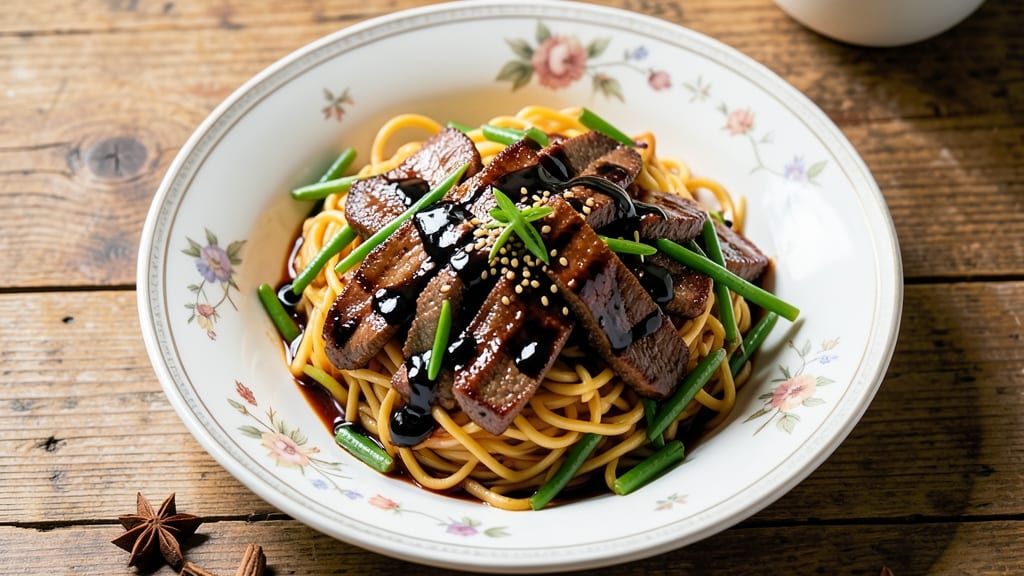
This authentic beef chow mein delivers the wok-fired crunch and silky soy ginger sauce you crave from your favorite Chinese restaurant.
The secret lies in high-heat stir-frying thinly sliced beef until it's tender yet still holds its shape, then tossing it with chewy egg noodles and a sauce that balances sweet, salty, and umami flavors.
I've perfected this recipe through years of testing, ensuring every bite captures that signature wok hei aroma that makes chow mein irresistible.
The foundation of great chow mein starts with proper preparation: marinate the beef in a mix of soy sauce, cornstarch, and sesame oil for maximum tenderness, then stir-fry it in batches to avoid steaming.
The sauce—made with dark soy, light soy, ginger, garlic, and a touch of sugar—needs to be reduced just enough to coat the noodles without making them soggy. This isn't just another stir-fry; it's a dish where technique transforms simple ingredients into something restaurant-quality.
What you'll end up with is a plate of golden-brown beef nestled among glossy egg noodles, all tossed in that glossy, aromatic sauce that clings perfectly. The high heat creates that coveted wok hei—smoky, charred edges that add depth to every bite.
Serve it immediately with a drizzle of chili oil and a sprinkle of green onions for that final restaurant touch. This is the kind of dish that disappears faster than you can say "more rice."
Perfect for weeknight dinners or impressing guests, this chow mein comes together in under 30 minutes once you've prepped your ingredients. The key is keeping everything moving—hot wok, quick cooking, and immediate serving—to lock in those crisp textures and vibrant flavors. Let's get cooking!
Ingredients for authentic beef chow mein
Pantry staples plus a few specialty touches for that restaurant-quality chow mein crunch.
| Ingredient | Amount | Notes |
|---|---|---|
| Flank Steak 🥩 | 1 ½ lb | Thinly sliced against grain |
| Egg Noodles 🍜 | 12 oz | Fresh or dried, chewy variety |
| Dark Soy Sauce 🥄 | 2 tbsp | For color and depth |
| Light Soy Sauce 🥄 | 3 tbsp | For salty umami |
| Sesame Oil 🫒 | 1 tbsp | Toasted, for aroma |
| Cornstarch 🌾 | 2 tbsp | For beef tenderness |
| Fresh Ginger 🧄 | 2 tbsp | Finely grated, peeled |
| Garlic Cloves 🧄 | 6 cloves | Minced for sauce |
| Granulated Sugar 🍚 | 1 tbsp | Balances flavors |
| Vegetable Oil 🫒 | 3 tbsp | High smoke point |
| Green Onions 🧅 | 4 whole | Sliced thin for garnish |
| Red Chili Oil 🌶️ | 1 tbsp | For finishing touch |
| Salt 🧂 | 1 tsp | Kosher or sea salt |
| Black Pepper 🌶️ | ½ tsp | Freshly ground |
The beef is everything here. Flank steak is your best bet—it's lean enough to slice thinly but still tender when cooked right. Look for it at Costco or Whole Foods if you want to splurge, but the regular supermarket version works fine. Slice it against the grain (that's the long direction of the muscle fibers) for maximum tenderness. Thin slices also help it cook faster, so don't skip this step. If you can't find flank steak, sirloin or ribeye work in a pinch, but they're more expensive. The egg noodles? Fresh is ideal—they hold up better to stir-frying than dried. I grab mine from the Asian market freezer section when I'm making this dish.
No dark soy sauce? Light soy plus a pinch of molasses gets you close. Fresh ginger is a must, but powdered works at half the amount if you're in a rush. The sesame oil is non-negotiable—it carries that signature aroma. Toasted sesame oil adds depth, but regular will work. Chili oil can be store-bought or homemade—just blend oil, red chili flakes, and a pinch of salt. The garlic and ginger should be finely minced, not chopped. For the cornstarch, make sure it's not cornmeal—they're different things. And if you're short on time, pre-sliced beef from the Asian market saves prep work.
Prep everything ahead—this dish moves fast. Keep the raw beef in the fridge until you're ready to cook it, and have all your ingredients measured out. The sauce keeps for 3 days in the fridge, so make extra if you're feeding a crowd. The noodles should be cooked al dente and tossed with a little oil so they don't stick. Serve immediately—chow mein loses its magic if it sits. Leftovers? Reheat in a wok or skillet over high heat for that crisp texture again.
Why You'll Love This Recipe
- One-Pan Magic: I swear by this recipe when I’m too tired to scrub pots—just sear the flank steak, toss in the noodles, and let the soy sauces work their sauce magic. No extra dishes, no stress.
- Umami Bomb: That combo of dark and light soy sauce? It’s like a flavor explosion—sweet, salty, and just a hint of smoky depth. The sesame oil ties it all together with a nutty finish that’ll have you going back for seconds.
- Leftover Hero: This dish actually improves the next day. The noodles soften just enough, the beef gets more tender, and I’ve reheated it straight from the fridge for lazy lunches. (Yes, even on a Tuesday night.)
- Budget Stretch: Flank steak is affordable, egg noodles are cheap, and a little sesame oil goes a long way. I’ve fed four people for under $15, and everyone leaves happy—no fancy ingredients, just pure satisfaction.
Step-by-step instructions for authentic beef chow mein
Here's how to make restaurant-style beef chow mein with that signature wok-fired crunch and silky sauce.
Marinate and Prep the Flank Steak
Slice the 1.5 lb flank steak thinly against the grain into ¼-inch strips. Place in a bowl and toss with 2 tbsp cornstarch, 1 tsp salt, and 0.5 tsp black pepper. This creates a light coating that helps tenderize the meat during cooking. Let it marinate for 15-20 minutes at room temperature—this ensures even cooking and maximum tenderness.
While waiting, prepare the sauce by combining 2 tbsp dark soy sauce, 3 tbsp light soy sauce, 2 tbsp finely grated fresh ginger, 6 minced garlic cloves, 1 tbsp granulated sugar, and 1 tbsp sesame oil in a small bowl. Mix well and set aside. The sugar balances the saltiness while the ginger and garlic build authentic depth—don't skip this step for that classic chow mein flavor.
Cook the Beef in Stages
Heat 1 tbsp vegetable oil in a wok or large skillet over high heat until shimmering. Working in batches, add the marinated steak strips and cook for 1-2 minutes until they turn light brown and slightly caramelized. Remove and set aside—this prevents overcrowding, which steams instead of sears the meat.
Add another 1 tbsp vegetable oil to the wok and repeat with the remaining beef. The residual cornstarch creates a light crust that locks in juices while adding texture. Once all beef is cooked, return it to the wok and pour in the sauce mixture. Stir-fry for 2-3 minutes until the sauce thickens slightly and coats the beef evenly. The sauce should cling to the meat without being gluey—this is your target consistency.
Prepare the Noodles
While the beef cooks, cook the 12 oz egg noodles according to package instructions until al dente (usually 3-4 minutes). Drain and rinse briefly under cold water to stop cooking—this prevents mushiness when tossed with the hot beef. Shake off excess water and toss with 1 tbsp vegetable oil to prevent sticking. The slight oil coating helps the noodles absorb the sauce without becoming soggy.
Here's the thing—don't overcook the noodles. They'll continue cooking slightly when mixed with the hot beef and sauce. You want them tender but still with a slight bite. If they feel too soft, cook them for 30 seconds less next time. This makes all the difference in achieving that perfect chewy texture.
Wok-Fry Everything Together
Return the wok to high heat and add the cooked noodles and beef mixture. Toss vigorously for 1-2 minutes until everything is evenly coated and heated through. The high heat is crucial here—it creates that signature wok-fired crunch while keeping the noodles tender. If the mixture looks dry, add 1-2 tablespoons of hot water to loosen the sauce.
Watch closely during this step. You want the noodles to be hot but not steamed—they should maintain their chewy texture while absorbing the flavorful sauce. The beef should be heated through but not re-seared, as it was already cooked to perfection earlier. This is where the magic happens, transforming simple ingredients into a restaurant-quality dish.
Finish and Serve
Remove from heat and stir in 1 tbsp red chili oil and 4 sliced green onions. The chili oil adds a bright, slightly spicy finish that cuts through the richness of the beef and noodles. Garnish with extra green onions and serve immediately while everything is steaming hot. Chow mein is best eaten right away when the noodles are still chewy and the sauce is silky.
For that authentic touch, serve with a side of steamed bok choy or a simple cucumber salad. The contrast of cool, crisp vegetables against the warm, savory chow mein makes every bite even more satisfying. This dish delivers that perfect balance of textures and flavors that makes chow mein so irresistible.
Pro Tips For Making Authentic Beef Chow Mein
- Slice Thin, Sear Fast: Flank steak’s tough fibers need a quick, hot sear—no more than 30 seconds per side in a screaming-hot wok. I learned this the hard way: dragging it out turns it chewy. Once browned, pull it out and let it rest; it’ll slice like butter when you’re ready to toss it in.
- Marinate with Dark Soy: Skip the light soy in the marinade—use only dark soy sauce. It’s sweeter, caramelizes faster, and gives that signature glossy, slightly sticky crust. I was skeptical until I tried it: the beef stays juicier, and the sauce clings better when stir-frying.
- Blanch Noodles First: Cook your egg noodles just until al dente—about 2 minutes less than the package says—then shock them in ice water. This stops the cooking and keeps them from turning mushy when they hit the wok later. Trust me, your chow mein will thank you.
- Toss with Wet Hands: When combining noodles and beef, use your hands—dampened with a splash of sesame oil—to toss everything together. It coats the noodles evenly and prevents the sauce from turning into a gloppy mess. (Yes, it’s messy, but it works.)
Regional styles of this authentic beef chow mein
Cantonese Style
In Cantonese cuisine, chow mein is all about that signature wok hei—the smoky aroma from high-heat cooking. I use a carbon steel wok for this version, preheating it until it's almost smoking before adding the beef.
The sauce gets a touch of oyster sauce (about 1 tbsp) for extra depth, and I finish with crispy fried shallots for texture. The noodles are tossed with the beef at the very end to keep them chewy, not mushy.
This is the version you'd find in Hong Kong-style restaurants, where every bite has that perfect crunch. 🔥
Sichuan Spicy
For a Sichuan twist, I crank up the heat with 1 tbsp Sichuan peppercorns toasted and ground into the sauce, plus 1 tbsp chili bean paste for that signature numbing-spicy kick. The beef gets marinated with an extra ½ tsp of ground Sichuan peppercorn along with the cornstarch.
Serve with a side of pickled vegetables to balance the heat. This version is fiery but balanced—just like the chow mein from Chengdu's street stalls. 🌶️
Taiwanese Street Food
Taiwanese chow mein is all about bold flavors and crispy textures. I use dried shrimp (about 2 tbsp) in the sauce for umami, and the beef gets tossed with crushed peanuts at the end for crunch.
The noodles are cooked slightly firmer than usual and tossed with the beef while still hot to create that signature crunchy exterior. This version is often served with a drizzle of soy-based sauce on top, just like you'd get from a night market stall.
It's hearty, satisfying, and packed with texture. 🥜
Americanized Version
The Americanized take skips the wok entirely, using a large cast-iron skillet instead. The beef gets marinated with a little Worcestershire sauce (about 1 tsp) for extra depth, and the sauce includes ½ tsp black pepper for a Western twist.
The noodles are often buttered after cooking to prevent sticking, and the dish is finished with extra green onions and a sprinkle of sesame seeds. This version is what you'd find in older Chinese-American restaurants—comforting and familiar. 🍽️
Modern Fusion Twist
For a contemporary take, I blend traditional techniques with modern flavors. The beef gets marinated with 1 tsp smoked paprika and ½ tsp cumin, then stir-fried with roasted garlic instead of fresh. The sauce includes 1 tbsp hoisin sauce for sweetness and a splash of rice vinegar for brightness.
The noodles are tossed with shredded carrots and sliced bell peppers for color and crunch. This version is perfect for foodies who want something fresh but still authentic. 💫
Nutrition facts
Frequently asked questions
Why does my beef chow mein sauce turn out too salty?
Most likely, you used too much light soy sauce—the main salty component. The recipe calls for a balance of 2 tbsp dark soy (for color) and 3 tbsp light soy (for flavor). If it's too salty, try reducing the light soy to 2 tbsp next time or add a splash of water to dilute. Taste as you go! The sugar in the sauce also helps balance saltiness, so don't skip that.
Can I use ground beef instead of flank steak?
Technically yes, but it won't taste authentic. Ground beef lacks the tender texture and rich flavor of properly sliced flank steak. If you must use it, buy lean ground beef (85/15) and cook it until it's just browned (not fully cooked) before adding to the noodles. For best results, stick with flank steak—it's worth the extra effort for that signature chow mein bite.
How do I get that restaurant-style wok hei flavor at home?
Wok hei comes from high heat and proper technique. Use a carbon steel or cast iron wok (or a heavy skillet) and heat it until it's almost smoking before adding oil. Cook the beef in batches to avoid steaming, and keep everything moving. The key is working fast—once the beef hits the wok, it should cook in 1-2 minutes max. A well-seasoned wok also adds natural smokiness over time.
What's the best way to store leftovers?
Store chow mein in an airtight container in the fridge for up to 3 days. To reheat, spread it on a baking sheet and broil for 2-3 minutes to crisp up the noodles, or stir-fry in a wok over high heat with a splash of water. Microwaving makes noodles soggy—always avoid that! For longer storage, freeze portions for up to 1 month, but texture may change slightly upon thawing.
Can I make this dish gluten-free?
Yes, but you'll need substitutions. Replace soy sauces with tamari or coconut aminos (check labels for gluten-free certification). Use gluten-free egg noodles (made with rice flour or cornstarch). The cornstarch in the beef marinade is naturally gluten-free, but double-check all ingredients. The flavor will be slightly different, but still delicious—just expect a milder umami profile without traditional soy sauces.