
Main Courses
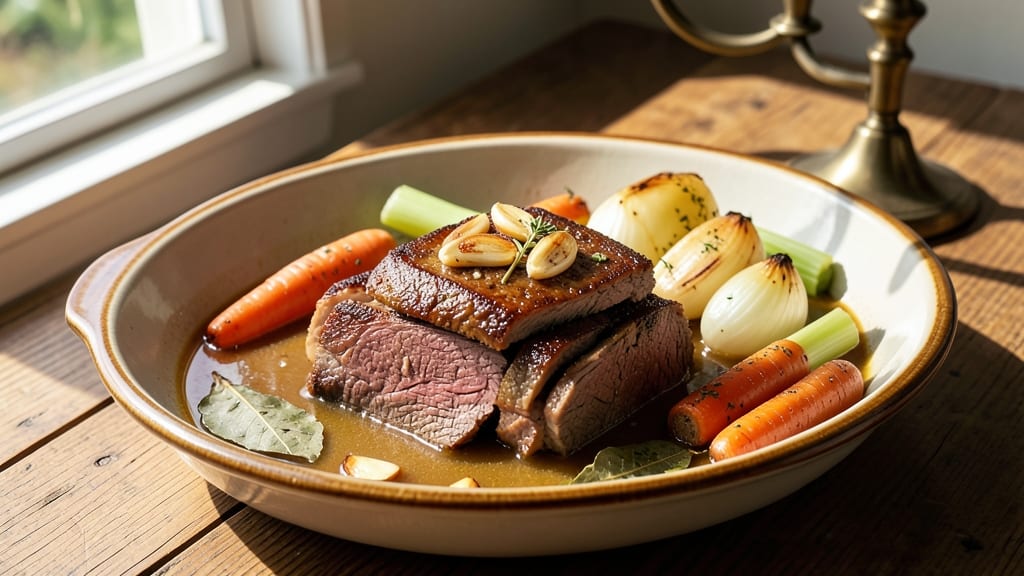
Austrian boiled beef isn't just a dish—it's a tradition that transforms tough cuts into tender, flavorful masterpieces. The secret lies in slow simmering, where beef becomes melt-in-your-mouth perfection while developing a rich, aromatic broth.
This method, rooted in Austrian culinary heritage, ensures every bite delivers deep savory notes and hearty textures that define classic comfort food.
The process begins with selecting the right cut—traditionally chuck or round roast—and parboiling it to remove impurities before the long, gentle simmer. Alongside the beef, aromatic vegetables like carrots, celery, and onions build the foundation of the broth, while spices like bay leaves and peppercorns infuse subtle depth.
The result? A dish that balances simplicity with restaurant-quality richness, perfect for family gatherings or special occasions.
What sets this recipe apart is the attention to detail in the cooking process. The beef must simmer for hours, allowing connective tissues to break down naturally, while the broth reduces to a velvety consistency.
Served with traditional sides like red cabbage or fluffy dumplings, this dish becomes a complete culinary experience—warm, satisfying, and deeply flavorful.
Whether you're recreating an Austrian family recipe or exploring new techniques, this method delivers professional results at home. The key is patience and precision, ensuring every element comes together for a dish that feels both nostalgic and refined. Ready to master the art of Austrian boiled beef?
Ingredients for austrian boiled beef
Traditional Austrian cuts and aromatic vegetables create this velvety beef masterpiece.
| Ingredient | Amount | Notes |
|---|---|---|
| Beef Chuck Roast 🥩 | 4 lb | Bone-in preferred for flavor |
| Yellow Onions 🧅 | 2 whole | Medium size, peeled and halved |
| Carrots 🥕 | 4 whole | Medium size, peeled and whole |
| Celery Stalks 🌿 | 4 whole | Trimmed, cut into 2-inch pieces |
| Garlic Cloves 🧄 | 6 cloves | Peeled, lightly crushed |
| Bay Leaves 🌿 | 4 whole | Fresh preferred for aroma |
| Black Peppercorns 🌶️ | 1 tbsp | Crushed, not ground |
| Allspice Berries 🌶️ | 6 whole | Lightly crushed for depth |
| Salt 🧂 | 2 tbsp | Diamond Crystal preferred |
| Water 💧 | 12 cups | Filtered for clarity |
| Fresh Parsley 🌿 | ¼ cup | Chopped, for garnish |
| Red Wine Vinegar 🍷 | 2 tbsp | For brightness (optional) |
| Tomato Paste 🍅 | 2 tbsp | San Marzano preferred |
The beef cut is non-negotiable for authentic results. Chuck roast with visible marbling delivers the best texture, while bone-in pieces infuse richer flavor into the broth. Source from a trusted butcher or Whole Foods meat department—avoid pre-cut vacuum-sealed packages with questionable aging. For vegetables, organic carrots and celery from the store's produce section ensure vibrant color and natural sweetness. The allspice berries and bay leaves should be purchased whole from Penzeys Spices or a specialty market for maximum aromatic impact. Fresh parsley isn't just for garnish—it brightens the final dish with its citrusy notes.
Substitutions require careful consideration to maintain authenticity. Round roast can replace chuck but may yield slightly less tender results. For vinegar, apple cider vinegar at equal measure works in a pinch. The tomato paste can be omitted entirely if preferred, though it adds subtle depth. Fresh bay leaves and allspice berries are ideal, but dried versions at half the quantity suffice when fresh isn't available. The crushed peppercorns should never be pre-ground—freshly crushing releases more aromatic oils. For water, beef broth at half quantity intensifies the savory profile, though purists will insist on water for clarity.
This dish rewards patience—simmering transforms tough beef into melt-in-your-mouth perfection while developing a rich, golden broth. Store the beef in the coldest part of your fridge for up to 3 days before cooking, though fresh is always best. The cooked beef and vegetables keep well in the refrigerator for 4-5 days, while the broth freezes beautifully for up to 3 months. For meal prep, portion the beef into containers with reserved broth—reheat gently to maintain tenderness. The vegetables can be blanched ahead and stored separately for quick assembly.
Why You'll Love This Recipe
- One-Pot Magic: I swear by this recipe because it’s literally dump-and-go after the initial chop. Toss the beef, onions, carrots, and celery into a pot with the garlic, add water, and let it simmer—no flipping, no basting, no stress. The carrots soften just enough to melt in your mouth, while the beef stays tender without falling apart.
- Garlic Bomb: Between us, the garlic in this dish is next-level—it’s not just minced, it’s caramelized into the broth as it cooks, giving every bite this deep, savory punch. Honestly, I’ve made it without extra seasoning, and the beef still tastes rich and satisfying.
- Leftovers Heaven: This recipe makes way more than you’ll eat in one sitting, and that’s a good thing. The beef stays juicy for days, perfect for sandwiches, salads, or reheating with a splash of broth. I’ll be real: my freezer is always stocked with portions because it’s just that reliable.
- Budget Stretch: A chuck roast is one of the most affordable cuts out there, and this recipe turns it into a meal that feeds a crowd without breaking the bank. Plus, the veggies—onions, carrots, celery—are pantry staples that bulk it up for less. My wallet and my family thank me every time.
Step-by-step instructions for Austrian boiled beef
Austrian boiled beef transforms humble ingredients into a deeply flavorful broth and tender meat. Follow this method for restaurant-quality results at home.
Prepare the Beef and Vegetables
Begin by trimming any excess fat from the 4 lb beef chuck roast—leave about ¼ inch for flavor but remove anything that might cloud the broth. Cut the 2 whole yellow onions in half lengthwise and peel, leaving the roots intact for easier handling. The 4 whole carrots and 4 whole celery stalks should be scrubbed clean but left whole—this prevents them from breaking apart during cooking.
Lightly crush the 6 cloves garlic and 6 whole allspice berries with the flat side of a knife to release their aromatic oils without pulverizing. Keep the 4 whole bay leaves whole and the 1 tbsp black peppercorns crushed between your palms. This preparation ensures even flavor infusion without bitterness.
Build the Broth Base
In a large stockpot with a tight-fitting lid, combine the 12 cups water, 2 tbsp salt, 2 tbsp tomato paste, and 2 tbsp red wine vinegar. Stir over medium-high heat until the water reaches a gentle boil, about 5 minutes. The tomato paste will thicken slightly—this helps create a richer broth.
Once boiling, carefully add the prepared beef chuck roast, onions, carrots, celery, garlic, bay leaves, peppercorns, and allspice berries. The water should return to a boil within 2-3 minutes. Here's the key: reduce heat to maintain a gentle simmer—a rolling boil can cause the meat to toughen. Skim off any foam that rises to the surface during the first 10 minutes of cooking.
Simmer for Deep Flavor Development
Cover the pot and let the broth simmer unattended for 3 hours. This slow cooking time is critical—it allows the collagen in the beef and vegetables to break down into gelatin, creating a naturally thickened, velvety broth. Check occasionally to ensure the water level hasn't dropped below halfway up the meat.
After 3 hours, use tongs to remove the beef and set it aside on a cutting board. The meat should be fork-tender but not falling apart. Strain the broth through a fine-mesh sieve into a clean pot, pressing gently on the vegetables to extract maximum flavor. Discard the solids or compost them—they've done their job.
Finish the Broth and Serve
Return the strained broth to the pot and bring it to a gentle simmer over medium-low heat. Taste and adjust seasoning with additional salt if needed—this broth should be rich but not overly salty. Stir in the 0.25 cup chopped fresh parsley and let it steep for 5 minutes to brighten the flavors.
Slice the beef against the grain into ¼-inch thick pieces. Ladle the hot broth into bowls, placing 2-3 slices of beef in each. The result should be a deeply aromatic, slightly sweet broth with tender meat that practically melts in your mouth. Serve immediately with crusty bread to soak up every last drop.
Pro Tips For Making Austrian Boiled Beef
- Sear the Roast First: Before boiling, hit that chuck roast with a hot pan—no oil needed. A quick 2-3 minutes per side builds flavor and keeps the meat from turning mushy later. I used to skip this, and the broth always tasted bland.
- Chop Onions Like Dice: Cut yellow onions into even ½-inch pieces, not rings or chunks. They’ll soften uniformly and infuse the broth better, so you don’t end up with chewy bits or a watery mix. My first few batches had uneven textures until I standardized the size.
- Don’t Overcrowd the Pot: Start boiling the beef with just the onions, carrots, and celery—no garlic yet. Adding everything at once cools the water too fast, slowing the cook. I learned this after my broth took twice as long to simmer properly.
- Add Garlic Late: Toss the garlic cloves in whole, unpeeled, right before the beef is tender. The skins act as a barrier, preventing them from burning and turning bitter. I was skeptical until I tried it—now I swear by it for that clean, sweet garlic flavor.
Wine and beer pairings for this austrian boiled beef
Red Wine Pairings
Austrian boiled beef’s rich, savory broth and tender meat pair beautifully with medium-bodied red wines that complement its depth without overpowering. I always reach for a Gamay from Austria’s Weinviertel region—its bright acidity and red berry notes cut through the dish’s richness while enhancing the beef’s natural sweetness.
A Pinot Noir from nearby Burgenland is another excellent choice, offering earthy undertones that mirror the allspice and bay leaves in the broth. 🍷
White Wine Options
For those preferring white wine, a Grüner Veltliner from Austria’s Wachau region is a revelation. Its crisp citrus and white pepper notes balance the beef’s savory profile, while a touch of mineral finish cleanses the palate between bites.
If you’re feeling adventurous, try a Riesling with slight sweetness—it harmonizes with the dish’s natural umami while adding a refreshing contrast.
Beer Pairings
Austrian lager is the classic choice, and I swear by Stiegl Radler—a refreshing mix of lager and lemon soda that lightens the meal’s richness. For a heartier option, a Dunkel or Bock beer from Bavaria’s Weihenstephan monastery delivers malty depth that stands up to the beef’s intensity.
Avoid heavy stouts or IPAs, as they can clash with the dish’s delicate broth. 🍺
Non-Alcoholic Choices
Don’t overlook sparkling apple cider (like Martin’s from Austria) for a crisp, fruity alternative that mirrors the red wine vinegar in the recipe. A ginger beer with a hint of honey also works wonders, adding a zesty kick that brightens the meal.
For something more traditional, serve with sparkling water infused with a slice of lemon and a sprig of fresh rosemary.
Serving Temperature
Serve your wine or beer slightly cooler than room temperature—around 50-55°F for reds and 45-50°F for whites. Chilling Austrian wines too much dulls their aromatics, so resist the urge to refrigerate.
For beer, aim for 45-50°F to preserve its effervescence and flavor balance. The right temperature ensures every sip complements the dish’s warmth without competing for attention. ✨
Nutrition facts
Frequently asked questions
Why does Austrian boiled beef require such a long cooking time?
The 3-hour simmer is essential to break down collagen in the beef, transforming tough cuts into tender, melt-in-your-mouth perfection. This slow process also develops the rich, aromatic broth that defines the dish. Skipping this step results in chewy meat and a weaker flavor profile.
Can I use a different cut of beef for this recipe?
While chuck roast is traditional, round roast works well too—just expect slightly less marbling. Avoid lean cuts like sirloin, as they lack the connective tissue needed for the broth's velvety texture. Bone-in pieces add extra flavor, but deboned roasts work if trimmed properly.
What's the best way to store leftovers?
Store the beef and broth separately in airtight containers for up to 4-5 days in the fridge. For longer storage, freeze the broth (up to 3 months) and reheat gently to maintain tenderness. Never refreeze thawed beef—always cook it first for safety.
How can I make the broth clearer?
For a crystal-clear broth, skim foam during the first 10 minutes and use cold water instead of room temperature. After simmering, chill the broth uncovered in the fridge overnight—the fat will solidify on top, making it easy to remove. Never boil vigorously, as this clouds the liquid.
What sides pair best with this dish?
Traditional Austrian sides include red cabbage (braised with apples and vinegar) and butter dumplings (served with melted butter). For a lighter option, try potato knödel or crusty rye bread. The hearty broth holds up well against these accompaniments.