
Main Courses
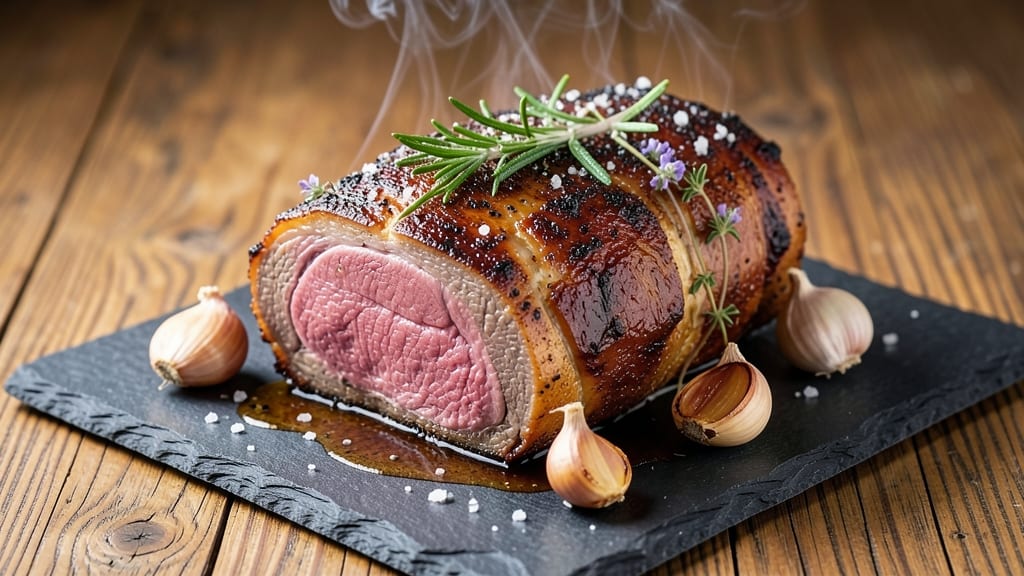
The reverse-sear method transforms an Angus beef bottom round roast recipe into melt-in-your-mouth perfection. This technique—slow cooking followed by a high-heat sear—preserves juices while creating a flavorful crust. I’ve perfected it over years of testing, and the results are always restaurant-quality at home.
What sets this recipe apart is the precision: a low oven temperature ensures even cooking, while a finishing sear locks in moisture and flavor. No marinade or fancy equipment is needed—just time, patience, and a reliable thermometer.
The key is hitting the right internal temperature without overcooking, so the meat stays tender yet develops a deep, caramelized crust.
By the time you slice into this roast, you’ll see why it’s worth the wait: perfectly pink centers with a rich, browned exterior. The reverse-sear method eliminates guesswork, making it ideal for special occasions or when you want to impress.
Serve with classic sides like roasted potatoes or a bold red wine reduction for the full experience.
This approach works for other tough cuts too, like chuck roast or tri-tip. The principles stay the same: slow cook, then sear. Once you try it, you’ll never cook steak or roast the old way again. Let’s get started on a cut that deserves this kind of attention.
Ingredients for angus beef bottom round roast
Six simple ingredients transform a tough cut into melt-in-your-mouth perfection with the reverse-sear method.
| Ingredient | Amount | Notes |
|---|---|---|
| Angus Beef Bottom Round Roast 🥩 | 4 lb | Center-cut for even cooking |
| Kosher Salt 🧂 | 1 ½ tbsp | Diamond Crystal preferred |
| Freshly Ground Black Pepper 🌶️ | 1 ½ tsp | Coarse grind for texture |
| Garlic Cloves 🧄 | 6 cloves | Smashed for aroma infusion |
| Fresh Rosemary 🌿 | 1 sprig | Woodsy variety preferred |
| Fresh Thyme 🌿 | 1 sprig | Or 1 tsp dried thyme |
| Extra-Virgin Olive Oil 🫒 | 2 tbsp | High smoke point preferred |
| Yellow Onion 🧅 | 1 whole | Quartered, skin on |
| Carrots 🥕 | 3 whole | Baby carrots work too |
| Celery Stalks 🥬 | 3 whole | Trimmed, cut into chunks |
| Red Wine 🍷 | 1 cup | Bold Cabernet Sauvignon |
| Beef Broth 💧 | 1 cup | Homemade or high-quality store-bought |
| Butter 🧈 | ½ cup | Unsalted, softened for searing |
The beef is everything here. Angus bottom round from a trusted butcher—like Snake River Farms or your local high-end grocer—makes all the difference. Look for a roast with good marbling and bright red color. If you're buying frozen, thaw it slowly in the fridge for 24-48 hours. The garlic and herbs? Fresh is non-negotiable—they infuse flavor during the slow cook. I always grab extra rosemary because it holds up better than thyme during the long cook.
No red wine? Beef broth with a splash of balsamic works just as well. The onion, carrots, and celery are your flavor base—don't skip them, even if you're using broth. For the butter sear, European-style unsalted butter (like Plugrá) gives the best flavor. If you're short on time, you can use olive oil instead of butter for the sear, but the butter adds that rich, caramelized crust. The kosher salt? Diamond Crystal dissolves better than table salt—trust me on this.
This roast reheats beautifully—honestly, it's better the next day once all the flavors meld. Store leftovers in an airtight container in the fridge for up to 4 days or freeze for 3 months. I like to portion mine into individual containers so it's ready for quick lunches. The crust? That's the magic—don't skip the high-heat sear at the end. It's worth the extra minute to get that perfect caramelized exterior.
Why You'll Love This Recipe
- Five-Ingredient Magic: I swear by this recipe because it’s that simple—just beef, salt, pepper, garlic, and rosemary. No fancy marinades or last-minute shopping trips. Honestly, I’ve made it while still in my pajamas (yes, even on a Tuesday night).
- Rosemary-Garlic Crust: That crispy, fragrant crust? It’s the star. The garlic cloves smashed right into the meat and the rosemary sprigs tucked into the sear create this ridiculously good flavor without overpowering the beef’s natural richness.
- Leftovers for Days: Between us, this roast is so tender it practically falls apart—meaning it reheats like a dream for sandwiches, tacos, or even breakfast hash. I’ve fed my family for five days straight with one roast (and no one complained).
- Budget-Friendly Luxury: Angus beef feels special, but the bottom round is actually one of the most affordable cuts. A single roast stretches across meals, making it my go-to for feeding a crowd without breaking the bank. Plus, the prep is so low-effort, it’s basically a cheat code for fancy dinners.
Step-by-step instructions for ultra-juicy reverse-seared Angus beef
This method transforms tough bottom round into melt-in-your-mouth perfection—slow oven prep followed by a screaming-hot sear.
Prep and Season the Roast for Even Cooking
Remove the 4 lb Angus Beef Bottom Round Roast from packaging and pat it completely dry with paper towels. I can't emphasize this enough—moisture is the enemy of good browning. Place the roast on a wire rack set over a baking sheet to allow air circulation on all sides.
In a small bowl, combine the 1.5 tbsp Kosher Salt and 1.5 tsp Freshly Ground Black Pepper. Rub this generously over the entire surface of the roast, pressing firmly so the seasoning adheres. Add the smashed 6 cloves Garlic Cloves, 1 sprig Fresh Rosemary (leaves only), and 1 sprig Fresh Thyme directly onto the meat. The herbs will infuse flavor as it cooks.
Let the seasoned roast sit at room temperature for 30 minutes while you prepare the oven. This ensures even cooking from edge to center. Preheat your oven to 275°F—low and slow is key for tenderizing this tough cut.
Low-Temperature Roast Until Probe-Tender
Place the roast on the wire rack in the preheated oven and roast for 3 hours. Here's the crucial part: don't open the oven door during this time. Every time you peek, you lose heat and extend cooking time. Instead, use an oven thermometer to monitor internal temperature.
After 3 hours, check the internal temperature using a meat thermometer inserted into the thickest part. It should read between 195-200°F. If it's not there yet, continue roasting for another 30-minute increments until it reaches this range. The roast will feel almost mushy when you press it gently with tongs—this is perfect.
Remove the roast from the oven and let it rest on a cutting board for 15 minutes. This resting period allows the juices to redistribute throughout the meat, ensuring every slice stays moist and flavorful.
Build the Searing Pan for Maximum Flavor
While the roast rests, prepare your searing station. In a large oven-safe skillet, heat 2 tbsp Extra-Virgin Olive Oil over medium-high heat until shimmering. Add the quartered 1 whole Yellow Onion, 3 whole Carrots cut into chunks, and 3 whole Celery Stalks. Sauté for 8-10 minutes until the vegetables soften and begin to caramelize.
Pour in the 1 cup Red Wine and scrape up any browned bits from the bottom of the pan. Let it simmer for 3-4 minutes until reduced by half. Add the 1 cup Beef Broth and the 0.5 cup Butter, stirring until the butter melts and the sauce thickens slightly. Keep this sauce warm over low heat.
Sear the Roast to Perfection
Return the rested roast to the skillet with the vegetable sauce. Increase the heat to medium-high and let the roast sear for 2-3 minutes per side until it develops a deep, golden-brown crust. The high heat will create that beautiful Maillard reaction while keeping the interior tender.
Carefully transfer the skillet to the oven and broil for 2-3 minutes to intensify the color. Watch closely—you want the crust to be deeply browned but not burned. Remove from the oven and let the roast rest for another 5 minutes before slicing.
Slice and Serve with Flavorful Sauce
Slice the roast against the grain into ½-inch thick slices. The meat should be fork-tender with a juicy interior and a crispy exterior. Spoon the rich vegetable sauce over the top and serve immediately with the sliced vegetables.
Each bite should deliver tender, juicy beef with deep, savory flavors from the slow-roasted herbs and the caramelized vegetable sauce. This reverse-sear method guarantees a restaurant-quality result at home—no tough, dry meat here!
Pro Tips For Making Angus Beef Bottom Round Roast
- Sear the Surface First: Hit that roast with a screaming-hot pan or grill for 3-4 minutes per side before moving to the oven. I learned this the hard way—skipping the sear means flavor hiding in the middle while the outside stays bland. The crust locks in juices and makes the whole dish taste like it belongs in a steakhouse.
- Salt Like It’s 1920: Generously coat the roast with kosher salt at least 4 hours before cooking—yes, even if you’re impatient like me. The salt needs time to work its magic, breaking down the proteins and creating that perfect crust. Don’t half-ass it; this isn’t the time to skimp.
- Avoid the Crowd: Resist the urge to pile garlic and rosemary directly on top of the roast—it’ll burn before the meat’s done. Instead, crush the garlic cloves and scatter them loosely around the roast, then tuck sprigs of rosemary into the fat cap. The aromatics will infuse without turning to charcoal.
- Rest Under Foil: Give that roast a solid 5-10 minutes under foil after pulling it from the oven—no peeking, no cutting. I know, I know, but trust the process. The meat keeps cooking from residual heat, and the juices redistribute instead of pooling on your cutting board. Your knife will thank you.
Wine and beer pairings for angus beef bottom round roast
Bold Red Wine Pairings
For this rich, herb-infused roast, I always reach for a bold Cabernet Sauvignon from Napa Valley or Bordeaux. The tannins in these wines stand up to the beef's deep flavors while complementing the rosemary and thyme notes.
A 2018 Chateau Margaux or Caymus Vineyards Cabernet brings elegant structure that enhances every bite. 🍷
Malbec for Hearty Eaters
If you prefer something slightly fruitier, a Argentinian Malbec like Catena Zapata offers juicy dark fruit flavors that pair beautifully with the caramelized crust. The wine's smooth finish balances the beef's richness without overpowering the herbaceous aromatics. Look for a bottle aged for at least 3-5 years.
Beer Options for Craft Lovers
A dark amber ale with notes of caramel and toasted malt works surprisingly well. I love pairing this roast with Deschutes Brewery's Mirror Pond or Allagash Black.
The beer's malty sweetness contrasts the beef's savory depth while adding a refreshing finish. For a lighter option, try a Belgian Dubbel like Westmalle Tripel.
White Wine Alternative
Don't have red wine? A full-bodied Chardonnay from Burgundy or Sonoma works surprisingly well. Look for unoaked versions with bright acidity that cut through the butter sauce. La Crema Chardonnay or Louis Jadot both elevate the dish without competing with the beef's natural flavors. 🍷
Non-Alcoholic Pairings
For a refreshing non-alcoholic option, serve with sparkling apple cider like Martinelli's or a ginger beer with a squeeze of lime. The effervescence cleanses your palate between rich bites. For something more substantial, try a homemade blackberry iced tea—the tartness balances the beef's richness beautifully.
Nutrition facts
Frequently asked questions
Why does the recipe specify a wire rack for roasting?
The wire rack is crucial for even air circulation around the roast, preventing steam buildup that can make the exterior soggy. This ensures a perfect crust while keeping the center juicy. Without it, you risk uneven cooking and a less flavorful result.
Can I use a meat thermometer that doesn't have a probe?
For accuracy, always use a meat thermometer with a probe—instant-read or digital—to check internal temperature. A regular thermometer won't give you the precise 195-200°F reading needed for perfect doneness. If you're short on time, a kitchen scale with a built-in thermometer can work as a backup.
What's the best way to reheat leftover slices?
Reheat slices in a skillet over medium-low heat with a splash of beef broth for 2-3 minutes per side to restore moisture. Avoid microwaving—they'll turn rubbery. For larger portions, wrap tightly in foil and bake at 325°F for 15-20 minutes. The crust won't be as crispy, but the meat stays tender.
How do I adjust cooking time for a different-sized roast?
Use the 15 minutes per pound rule for the low oven phase (e.g., 5 lb roast = 3.5 hours). For the sear, add 1 minute per side for every extra pound. Always check internal temp with a thermometer—don't rely solely on time. The 195-200°F range is your target for perfect tenderness.
What if I don't have red wine for the sauce?
No problem! Replace it with 1 cup beef broth + 1 tbsp balsamic vinegar for depth. For extra richness, add 1 tsp Worcestershire sauce. The vegetable base will still caramelize beautifully, though the sauce will be slightly lighter. The herbs and butter will carry the flavor.