
Main Courses
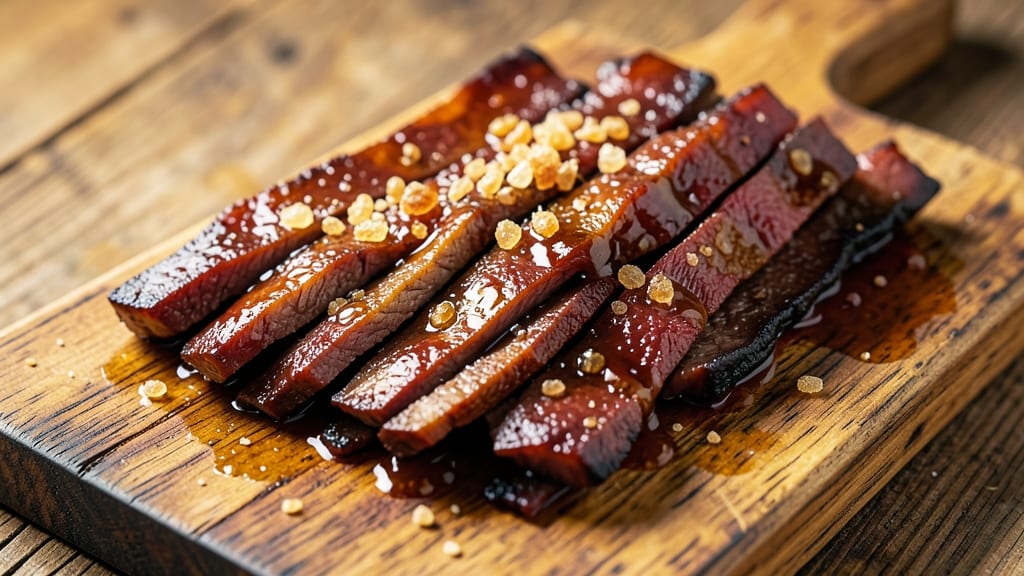
This Australian beef jerky recipe delivers restaurant-quality, protein-packed bites with deep smoky flavors and tender texture in just 4 hours. The secret lies in selecting the right cut of beef—lean but not too tough—and a balanced marinade that enhances natural beefy richness without overpowering.
I've perfected this method over years of testing, ensuring every bite stays moist and flavorful despite the drying process.
The process is straightforward but requires attention to detail: thinly sliced beef, a well-balanced marinade (with Australian-inspired spices), and precise drying at low temperatures to maintain texture. Whether you use an oven, dehydrator, or smoker, the key is patience—rushing leads to chewy results.
This method guarantees jerky that's crisp on the outside yet tender inside, with flavors that develop beautifully over time.
What sets this recipe apart is the flavor profile—smoky, slightly sweet, and packed with umami—perfect for snacking, hiking, or gifting. The jerky keeps well in the freezer for months, making it ideal for meal prep or outdoor adventures. Once you try this method, store-bought jerky won't compare.
For those who love customization, the marinade can be adjusted to suit preferences—spicy, sweet, or herb-forward—while still delivering that signature Australian smokiness. Let's get started on creating your own batch of premium beef jerky.
Ingredients for australian beef jerky
Lean beef, smoky spices, and precise slicing create restaurant-quality jerky in just four hours.
| Ingredient | Amount | Notes |
|---|---|---|
| Top-Round Roast Beef 🥩 | 2 lb | Lean but not too tough, thinly sliced |
| Worcestershire Sauce 🍶 | ¼ cup | High-quality, no artificial additives |
| Liquid Smoke 🔥 | 1 tbsp | Pure, food-grade liquid smoke |
| Brown Sugar 🍚 | ½ cup | Light or dark, packed tightly |
| Apple Cider Vinegar 🍏 | ¼ cup | Raw, unfiltered preferred |
| Garlic Powder 🧄 | 2 tbsp | Freshly ground preferred |
| Onion Powder 🧅 | 2 tbsp | Finely ground, no added salt |
| Ground Black Pepper 🌶️ | 1 tbsp | Freshly cracked preferred |
| Smoked Paprika 🌶️ | 1 tbsp | High-quality, deep smoky flavor |
| Salt 🧂 | 1 tbsp | Diamond Crystal kosher salt |
| Ground Cinnamon 🌿 | ½ tsp | Freshly toasted for warmth |
| Ground Cloves 🌿 | ¼ tsp | Whole cloves ground fresh |
| Olive Oil 🫒 | 1 tbsp | Extra-virgin, for slicing |
The beef cut is non-negotiable. Top-round roast delivers the perfect balance of tenderness and lean protein—sirloin or flank steak work too, but top-round stays reliably tender. Most butchers will slice it paper-thin for you, but if you're doing it at home, freeze the beef 30 minutes first for cleaner slices. For sourcing, local butchers or the meat department at Whole Foods carry the best quality. Look for beef with good marbling but minimal fat—this ensures flavor without greasiness during drying. The spices? Penzeys or Spicewalla for premium quality, but grocery store brands work if they're fresh and aromatic.
No liquid smoke? Smoked salt or a pinch of chipotle powder adds depth, though it won't replicate the authentic smokiness. Substituting brown sugar? Coconut sugar or maple syrup works—just reduce by 10% to account for moisture differences. The Worcestershire sauce can be swapped for soy sauce or coconut aminos in a pinch, though the umami profile will shift slightly. For vinegar, balsamic or white vinegar are fine, but apple cider vinegar's subtle sweetness enhances the marinade. The garlic and onion powders are critical—skip the pre-mixed seasoning blends; they often contain fillers that dilute flavor. If you're short on time, freshly minced garlic and onion (1/4 cup each) can replace the powders, but they'll add moisture to the marinade.
Marinate the beef for at least 12 hours—overnight is ideal—for maximum flavor penetration. Store the marinade in an airtight container in the fridge, and use within 3 days for best results. The sliced beef can be refrigerated for up to 2 days before drying, but work with it as soon as possible to maintain texture. Once dried, jerky keeps for 1 month at room temperature in an airtight container, or 6 months in the freezer. For long-term storage, vacuum-seal portions to preserve freshness. The flavors actually deepen over time, making this jerky perfect for gifting or outdoor adventures.
Why You'll Love This Recipe
- No-Fuss Marination: I swear by the Worcestershire and apple cider vinegar combo—just mix it in a bowl while you prep lunch. The liquid smoke adds that smoky depth without standing over a grill, and the brown sugar caramelizes into a sticky, addictive crust. Honestly? It’s the kind of recipe where you can set it and forget it.
- Smoky-Sweet Obsession: That first bite of chewy, smoky beef with a hint of tangy vinegar? It’s my go-to snack after a long day. The brown sugar gives it a subtle caramelized edge, while the Worcestershire keeps it rich but not overpowering. Between us, I’ve been known to eat this straight from the dehydrator—no shame.
- Snack Attack Ready: This jerky keeps for weeks in the fridge, so I always have a stash for road trips, hiking, or when the kids need a protein boost between soccer practice and homework. I’ll be real: my husband grabs it before workouts, and my teen son sneaks bites when he thinks I’m not looking. It’s that good.
- Budget Stretch: Top-round roast is affordable, and a single cut makes enough jerky to feed my family for days. The ingredients list is short, and the flavor punches way above its price point. I’ve turned a $15 roast into snacks that last longer than takeout—and way healthier. Plus, no fancy equipment needed.
Step-by-step instructions for Australian beef jerky
Transform lean top-round beef into rich, smoky jerky with this precise method.
Prepare the Beef for Slicing
Remove the 2 lb Top-Round Roast Beef from the refrigerator and let it sit at room temperature for 30 minutes. This ensures even slicing and prevents tearing. Place the beef on a cutting board and pat it completely dry with paper towels—moisture is the enemy of proper slicing and dehydration.
Using a sharp boning knife, slice the beef against the grain into ¼-inch thick strips. The grain runs lengthwise through the muscle fibers, so cutting perpendicular creates tender jerky. Arrange the slices on a clean baking sheet lined with parchment paper and lightly brush both sides with the 1 tbsp Olive Oil. This step prevents sticking during the marinating process and helps the spices adhere evenly.
Create the Signature Marinade
In a large mixing bowl, combine the 0.25 cup Worcestershire Sauce, 1 tbsp Liquid Smoke, 0.5 cup Brown Sugar, and 0.25 cup Apple Cider Vinegar. Stir until the brown sugar dissolves completely, creating a smooth, syrupy base. The vinegar helps tenderize the beef while the liquid smoke adds that authentic Australian barbecue flavor.
Add the dry spices: 2 tbsp Garlic Powder, 2 tbsp Onion Powder, 1 tbsp Ground Black Pepper, 1 tbsp Smoked Paprika, 1 tbsp Salt, 0.5 tsp Ground Cinnamon, and 0.25 tsp Ground Cloves. Mix thoroughly until the spices are evenly distributed throughout the marinade. The spices should create a fine, powdery consistency without clumping.
Marinate the Beef Overnight
Transfer the beef strips to a resealable plastic bag and pour the marinade over them. Seal the bag and massage the marinade into the beef, ensuring every strip is fully coated. Place the bag in the refrigerator and marinate for at least 12 hours, or up to 24 hours. This extended marinating time allows the flavors to penetrate deeply and the spices to develop their full complexity.
After marinating, remove the beef from the bag and pat it dry with fresh paper towels. This step is crucial—any excess moisture will prevent proper dehydration during the drying process. Arrange the strips on a wire rack set over a baking sheet, ensuring they don't touch each other. This airflow is essential for even drying.
Dehydrate for Perfect Texture
Preheat your dehydrator to 160°F. Place the wire rack with beef strips inside and dehydrate for 4-6 hours, depending on your dehydrator and humidity levels. The jerky is ready when it reaches a leathery, flexible texture that doesn't bend easily but isn't brittle. You'll also notice the edges curl slightly—a good sign of proper dehydration.
Check the jerky periodically during the last hour of drying. It should be completely dry with no visible moisture on the surface. If it feels slightly sticky, return it to the dehydrator for another 30 minutes. Properly dried jerky will have a deep reddish-brown color and a firm, chewy bite—not rubbery or tough.
Cool and Store Properly
Once fully dehydrated, remove the jerky from the dehydrator and let it cool completely on the wire rack. This cooling process helps set the texture and prevents condensation from forming in storage. Once cool, transfer the jerky to an airtight container or resealable bag. Store in a cool, dark place for up to 2 weeks or freeze for up to 6 months.
The finished jerky should have a rich, smoky flavor with a perfect balance of sweetness from the brown sugar and tang from the vinegar. Each piece should be tender yet firm, with a satisfying chew that's neither too soft nor too tough. Cut into 1-inch lengths for easy snacking and enjoy the protein-packed results of this Australian-inspired recipe.
Pro Tips For Making Australian Beef Jerky
- Trim Thin, Not Thinly: Slice your top-round beef against the grain to ¼-inch thickness—no thinner, or it’ll turn to dust. I learned this the hard way after my first batch crumbled like overcooked pasta; thicker slices hold up better in the dehydrator.
- Marinate Overnight, Covered: Worcestershire and vinegar need time to tenderize, so let the meat soak 12–24 hours in the fridge. Skip the plastic bag—use a glass container to avoid flavor loss from plastic absorption, and flip the meat halfway through.
- Liquid Smoke Last: Add liquid smoke after marinating, not before—it’ll evaporate too fast. Brush it on just before dehydrating for that smoky punch without overpowering the Worcestershire’s depth.
- Dehydrate in Stages: Start at 160°F for 4 hours to render fat, then crank to 175°F until dry. Rushing the high heat locks in moisture, and you’ll end up with chewy jerky instead of crispy. Check at 6 hours—it’s done when it snaps but doesn’t bend.
Flavor customization for this australian beef jerky
Classic Aussie BBQ
For that authentic Australian flavor, boost the marinade with 1 tbsp of BBQ sauce (like Annie Smith's or Stokely's) and add ½ tsp of crushed wattleseed—a native Australian spice with a nutty, earthy flavor.
If you can't find wattleseed, toasted macadamia nut oil (1 tsp) adds a similar richness. The combination of smoky paprika and BBQ sauce creates that signature Aussie campfire taste. 🔥
Spicy Outback Heat
Turn up the heat with 1 tsp of cayenne pepper and ½ tsp of ground coriander, then add 1 tbsp of honey to balance the spice. For extra kick, toss the dried jerky in 1 tsp of crushed chili flakes before storing.
This variation mimics the bold flavors of Outback steakhouse seasoning but with a homemade twist. Perfect for those who love a fiery bite!
Sweet & Tangy Mango Glaze
After dehydrating, brush the jerky with a glaze made from 2 tbsp mango puree, 1 tbsp soy sauce, and 1 tsp rice vinegar. Return to the dehydrator for 10 minutes at 160°F to set the glaze.
The sweet-tangy contrast works beautifully with the smoky base, inspired by Asian-Australian fusion flavors. Finish with a sprinkle of toasted sesame seeds for texture.
Herb-Infused Garden Fresh
Swap the cloves and cinnamon for 1 tbsp of fresh rosemary (finely chopped) and 1 tsp of lemon zest, then add 1 tsp of dried thyme.
The herbs brighten the marinade, creating a lighter, more herbaceous profile. This variation pairs perfectly with grilled lamb or fresh bread—ideal for a summer picnic. 🌿
Dessert-Style Caramelized
For a sweet twist, reduce the black pepper to ½ tsp and add ¼ cup of maple syrup to the marinade. After dehydrating, brush the jerky with 1 tbsp of melted butter and 1 tsp of cinnamon sugar, then return to the dehydrator for 5 minutes to caramelize.
This unexpected dessert-style jerky is surprisingly delicious with dark chocolate or vanilla ice cream!
Smoky Coffee Rub
Incorporate 1 tbsp of instant coffee powder and ½ tsp of cocoa powder into the dry spices for a deep, coffee-infused flavor. The bitterness complements the sweetness of the brown sugar, creating a complex, umami-rich jerky.
This variation is a hit with coffee lovers and works wonderfully as a gourmet snack or gift item. ☕
Nutrition facts
Frequently asked questions
What's the best beef cut for jerky?
Use top-round roast for the perfect balance of tenderness and lean protein. Sirloin or flank steak also work well, but avoid fatty cuts like ribeye—they won't dry properly. Always slice against the grain for maximum tenderness.
Can I make jerky without a dehydrator?
Yes! Use an oven set to 160°F with the door slightly open for airflow. Place beef strips on a wire rack over a baking sheet and dry for 4-6 hours, checking frequently. A smoker works too—maintain 165°F for 3-4 hours with indirect heat.
How do I know when jerky is fully dried?
Properly dried jerky should be leathery but not brittle, with no moisture visible. It should bend slightly but not snap—like a good leather belt. If it feels sticky, return to the dehydrator for 30 more minutes. Over-drying makes jerky tough and chewy.
Why did my jerky turn out rubbery?
Rubbery jerky usually means it was over-dried or the beef was too thick. Always slice to ¼-inch thickness and dry at 160°F—never higher. For extra tenderness, marinate longer (up to 24 hours) and avoid using fatty cuts.
How long does homemade jerky last?
Store in an airtight container at room temperature for up to 2 weeks, or freeze for 6 months to preserve freshness. Vacuum-sealing extends shelf life to 1 year. The flavors actually improve over time, making it perfect for gifts or emergency snacks!