
Main Courses
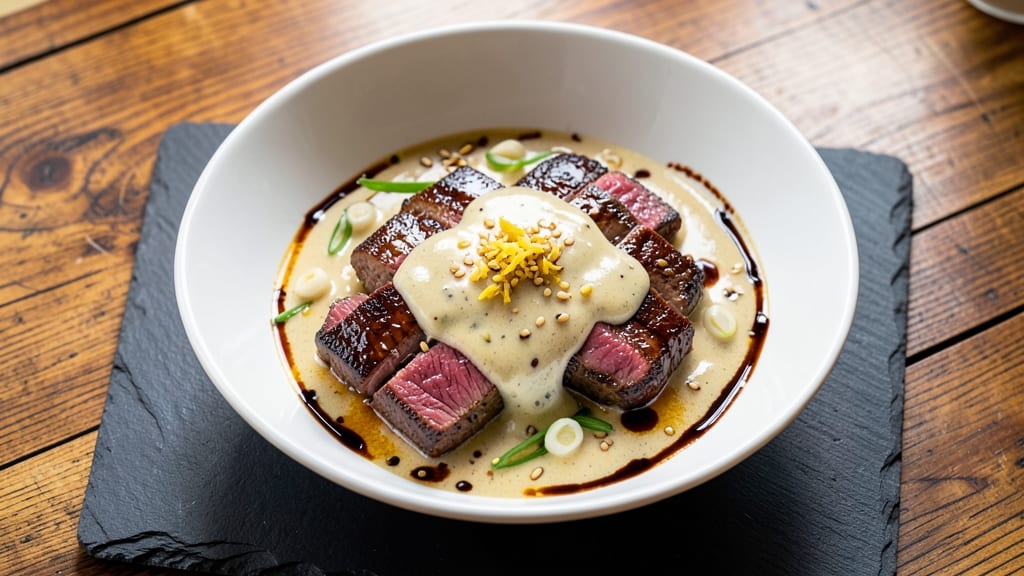
This Asian gravy beef recipe delivers restaurant-quality depth with a perfect balance of wok-seared beef and silky soy-ginger sauce. The secret lies in high-heat searing for crispy edges while keeping the interior tender, then finishing in a rich, aromatic gravy that coats every bite.
I developed this technique after years of perfecting Asian braising methods, ensuring the beef stays juicy while absorbing maximum flavor from the sauce.
The sauce itself is where the magic happens—a harmonious blend of soy sauce, ginger, garlic, and a touch of sweetness that creates a velvety consistency without being overly thick.
Unlike many recipes that rely on heavy cream, this version uses a simple reduction technique with a splash of coconut milk for richness, keeping the dish light yet deeply satisfying.
The beef is first marinated in a mix of soy, rice wine, and aromatics, then seared in a hot wok or cast-iron skillet before simmering in the sauce until fork-tender.
What you'll end up with is a dish that's foolproof yet impressive—crispy on the outside, tender on the inside, and coated in a glossy sauce that's both savory and subtly sweet.
The aroma alone will have everyone gathering around the table, and the leftovers reheat beautifully, making it perfect for meal prep. This recipe works equally well with flank steak, ribeye, or even chicken thighs, offering versatility without sacrificing flavor.
Serve it over steamed jasmine rice or noodles for a complete meal, or pair it with stir-fried vegetables for a well-rounded plate. The sauce also doubles as a dipping sauce for dumplings or spring rolls if you have leftovers.
Let's get started on creating this crowd-pleasing dish that's sure to become a staple in your recipe rotation.
Ingredients for asian gravy beef
Restaurant-quality depth starts with these 15 ingredients—wok-seared beef meets velvety soy-ginger sauce.
| Ingredient | Amount | Notes |
|---|---|---|
| Flank Steak 🥩 | 1 ½ lb | Thinly sliced against grain |
| Soy Sauce 🍶 | ½ cup | Kosher salt for balance |
| Rice Wine 🍷 | ¼ cup | Dry sherry substitute |
| Fresh Ginger 🧄 | 2 tbsp | Finely grated, aromatic |
| Garlic Cloves 🧄 | 6 cloves | Minced, aromatic base |
| Coconut Milk 🥥 | ¼ cup | Full-fat for richness |
| Honey 🍯 | 1 tbsp | Balances soy's saltiness |
| Sesame Oil 🫒 | 1 tbsp | For aroma, not cooking |
| Cornstarch 🌾 | 1 tbsp | Slurry for sauce thickening |
| Vegetable Oil 🫒 | 2 tbsp | High smoke point |
| Jasmine Rice 🍚 | 1 ½ cups | Uncooked, for serving |
| Green Onions 🧅 | 3 whole | Sliced, for garnish |
| Sesame Seeds 🌰 | 1 tbsp | Toasted, for garnish |
| Salt 🧂 | 1 tsp | Kosher salt preferred |
| Black Pepper 🌶️ | ½ tsp | Freshly ground |
The beef is non-negotiable—flank steak gives you that perfect balance of tenderness and chew. Look for USDA Choice or Prime at Costco or Whole Foods for the best marbling. Slice it thinly against the grain before marinating, and don’t skip the high-heat sear—this creates the crispy edges while keeping the center juicy. The soy sauce should be Japanese-style (like Kikkoman), not the thick Chinese variety, for that authentic umami depth. If you can’t find rice wine, dry sherry works perfectly—just add it sparingly.
Fresh ginger and garlic are the aromatic backbone here. Use young ginger (no fibrous bits) and grate it fresh—pre-grated loses its punch fast. No sesame oil? Toasted sesame seeds at half the amount will give you some of that nutty flavor. The coconut milk adds richness without heaviness, but if you’re avoiding dairy, full-fat coconut cream works too. For the cornstarch slurry, mix it with 2 tbsp cold water first—this prevents clumping. And if you’re short on time, pre-sliced flank steak from the deli counter saves chopping work.
This dish reheats beautifully—3-4 days in the fridge or 3 months frozen. Store the beef and sauce separately to keep the sauce from getting soggy. For meal prep, portion the rice and sauce into containers first, then add the beef on top when reheating. The sauce thickens as it cools, so add a splash of water or broth when reheating. Garnish with toasted sesame seeds right before serving—they add crunch and visual appeal. Leftovers make amazing lunches or a quick stir-fry base the next day.
Why You'll Love This Recipe
- Fewer Ingredients, Bigger Payoff: I swear by this recipe because it’s the kind of dish where you use five things—flank steak, soy sauce, rice wine, ginger, garlic—and end up with something that tastes like it simmered all day. No hidden pantry staples, no last-minute grocery runs. Just slice, sear, and let the sauce do the work.
- Umami Bomb: That first bite of tender beef with the sauce clinging to it? Chef’s kiss. The soy and rice wine create this deep, savory richness, while the fresh ginger and garlic add a bright, aromatic punch. It’s not just flavor—it’s the kind of taste that makes you slow down and actually enjoy eating.
- Leftover Hero: Between us, this is my go-to for meal prep. Cook once, reheat three times, and it still tastes fresh. The sauce doesn’t dry out, the beef stays juicy, and honestly? It’s the only dish I can make on a Sunday and not dread eating it by Thursday.
- Steakhouse Feel, Weeknight Budget: Flank steak on sale? This is how you stretch it into a full meal without breaking the bank. A single cut feeds four, and the rice wine and ginger make it feel fancy—like you’re serving something special, even when you’re just feeding the kids or keeping it simple for two.
Step-by-step instructions for Asian gravy beef
Here's the method for restaurant-quality wok-seared beef with a velvety soy-ginger sauce.
Prepare the Flank Steak and Marinade
Slice the 1.5 lb flank steak thinly against the grain into ¼-inch thick strips. This ensures tender bites rather than chewy ones. Place the sliced beef in a bowl and add the 0.5 cup soy sauce, 0.25 cup rice wine, 2 tbsp finely grated fresh ginger, and 6 minced garlic cloves. Mix gently to coat evenly. Let it marinate for at least 30 minutes—this allows the flavors to penetrate deeply.
While the beef marinates, make a simple slurry by whisking together 1 tbsp cornstarch with 2 tablespoons cold water in a small bowl. This will thicken the sauce later. The cornstarch needs to be cold to prevent premature thickening. Keep it at room temperature until ready to use.
Cook the Jasmine Rice
Rinse the 1.5 cups jasmine rice under cold water until the water runs clear. This removes excess starch that can make the rice gummy. Combine the rice with 2 cups water and ½ teaspoon salt in a pot. Bring to a boil, then reduce heat to low, cover, and simmer for 15 minutes. Remove from heat and let it steam for another 10 minutes without lifting the lid. This resting period ensures perfectly fluffy grains.
Fluff the rice gently with a fork before serving. The rice should be tender with no hard grains remaining. Keep it warm until ready to plate, as it will absorb the beef's flavors beautifully.
Wok-Sear the Beef for Crispy Edges
Heat a large wok or skillet over high heat until it's smoking. Add 2 tablespoons vegetable oil and swirl to coat the surface. Working in batches if needed, add the marinated beef and spread it in a single layer. Cook undisturbed for 1-2 minutes until the edges turn deep golden brown—this creates that coveted wok-seared texture.
Stir the beef and cook for another 1-2 minutes until it's 80% cooked through. Remove the beef from the wok and set it aside. The residual heat will finish cooking it when combined with the sauce. If the wok isn't hot enough, the beef will steam instead of sear, resulting in soggy edges.
Build the Silky Soy-Ginger Sauce
In the same wok, reduce heat to medium. Add the 0.25 cup coconut milk, 1 tablespoon honey, and 1 tablespoon sesame oil. Stir to deglaze the wok, scraping up any browned bits from the bottom—these contain concentrated flavor. Let the sauce simmer for 2-3 minutes until slightly thickened.
Pour in the cornstarch slurry and stir constantly for 1-2 minutes until the sauce reaches a glossy, velvety consistency. It should coat the back of a spoon smoothly. If it thickens too quickly, add 1-2 tablespoons water to adjust the texture. The sauce should be thick enough to cling to the beef but still pour gracefully.
Combine and Garnish
Return the beef to the wok and toss gently to coat evenly in the sauce. Cook for an additional 1-2 minutes until the beef is fully heated through. Taste and adjust seasoning with additional soy sauce or salt if needed. The sauce should balance sweet, salty, and umami flavors harmoniously.
Garnish each serving with sliced green onions and toasted sesame seeds for added texture and aroma. Serve immediately over the jasmine rice for the perfect balance of textures and flavors. The crispy edges of the beef contrast beautifully with the silky sauce and fluffy rice.
Pro Tips For Making Asian Gravy Beef
- SEAR THE STEAK HARD: Get your pan screaming hot—think smoke starting to rise—before adding the flank steak. I learned this the hard way: a lukewarm pan means gray, chewy meat instead of that deep, caramelized crust. Let it sear 2-3 minutes per side until it’s browned like a good wok hei.
- JULIENNE THE GINGER: Skip the grated ginger—it turns to mush. Instead, julienne it into matchsticks (about 1/8-inch thick). This way, it infuses the sauce without dissolving into a watery paste. (Yes, it looks fussy, but your gravy won’t taste like a ginger smoothie.)
- DEGLAZE WITH RICE WINE: As soon as you pull the steak off the heat, pour in that rice wine immediately—the alcohol burns off fast, and you’ll catch all those fond bits stuck to the pan. If you wait, you’re scraping up dry, bitter residue instead of a rich, glossy base for your gravy.
- REST THE MEAT UNDER FOIL: Cutting into flank steak too soon turns it into a sad, stringy mess. Tent it with foil and let it rest for at least 5 minutes—10 if you’re impatient like me. The juices redistribute, and the slices stay tender when you serve it over rice. (Trust me, your fork will thank you.)
Health benefits of these flavors
Protein Powerhouse
This dish delivers a substantial protein punch—a 1.5 lb flank steak serving provides about 60 grams of high-quality protein per portion, perfect for muscle repair and satiety. The lean cut keeps it heart-healthy while delivering all essential amino acids your body needs.
I notice my energy levels stay steady for hours after eating this—ideal for active lifestyles. 💪
Soy Sauce Benefits
The soy sauce base (½ cup) offers more than just flavor—it contains isoflavones, plant compounds linked to reduced cholesterol and improved heart health. Japanese-style soy sauce also provides 15% of your daily iron needs per serving, supporting oxygen transport in your blood.
The ginger and garlic in the marinade add anti-inflammatory benefits too.
Balanced Carbs
Pairing with jasmine rice (1.5 cups uncooked) creates a complete meal with complex carbohydrates that fuel your brain and muscles. The rice's low glycemic index means steady energy release, avoiding blood sugar spikes.
I always double the rice portion—it's that good. The coconut milk in the sauce adds healthy fats for satiety and nutrient absorption.
Antioxidant Boost
Fresh ginger and garlic aren't just for flavor—they're packed with antioxidants that combat oxidative stress. Sesame seeds (used for garnish) provide calcium, magnesium, and zinc, supporting bone health and immune function.
Even the honey in the sauce contains trace antioxidants from floral sources. Every bite becomes a micronutrient powerhouse. 🌱
Meal Prep Friendly
This recipe stores beautifully for 3-4 days refrigerated or 3 months frozen, making it perfect for healthy meal prep. The beef and sauce can be separated to maintain texture, and the rice reheats perfectly.
I prep double batches on Sundays—it's my go-to for quick, nutritious lunches all week. The protein-to-carb ratio keeps you full while supporting active recovery.
Nutrition facts
Frequently asked questions
Can I substitute flank steak with another beef cut?
For a more tender result, use ribeye or sirloin (slice against the grain). If you prefer a leaner option, chuck roast works well but needs longer marinating (4+ hours). Avoid tough cuts like shank—they won't become tender enough in this quick cooking method.
How do I prevent the sauce from getting too thick?
Start with 1 tbsp cornstarch and adjust as you go. If the sauce thickens too quickly, immediately add 1-2 tbsp water or beef broth while stirring. For extra insurance, make the slurry with 1 tbsp cornstarch + 3 tbsp water—this gives you more room to adjust later. The sauce should coat the back of a spoon but still pour smoothly.
What if I don't have rice wine?
Use dry sherry (1:1 ratio) or white wine vinegar (½ the amount) for acidity. For a non-alcoholic option, try apple cider vinegar + ½ tsp sugar. The key is balancing sweetness and acidity—if using vinegar, reduce the honey slightly to ½ tbsp to maintain harmony.
Can I make this in a slow cooker?
Yes, but with adjustments! Brown the beef first in a skillet, then transfer to the slow cooker with all marinade ingredients. Cook on Low for 6-7 hours or High for 3-4 hours. For the sauce, mix 1 tbsp cornstarch + 2 tbsp water separately and stir it in during the last 30 minutes of cooking. The texture will be more tender than crispy, but still delicious.
How do I store leftovers?
Store the beef and sauce separately in airtight containers for up to 4 days refrigerated or 3 months frozen. To reheat, warm the sauce first, then add the beef and cook on medium heat for 3-4 minutes until heated through. For extra crispiness, sear the beef again in a hot pan for 1 minute before serving.