
Soups & Stews
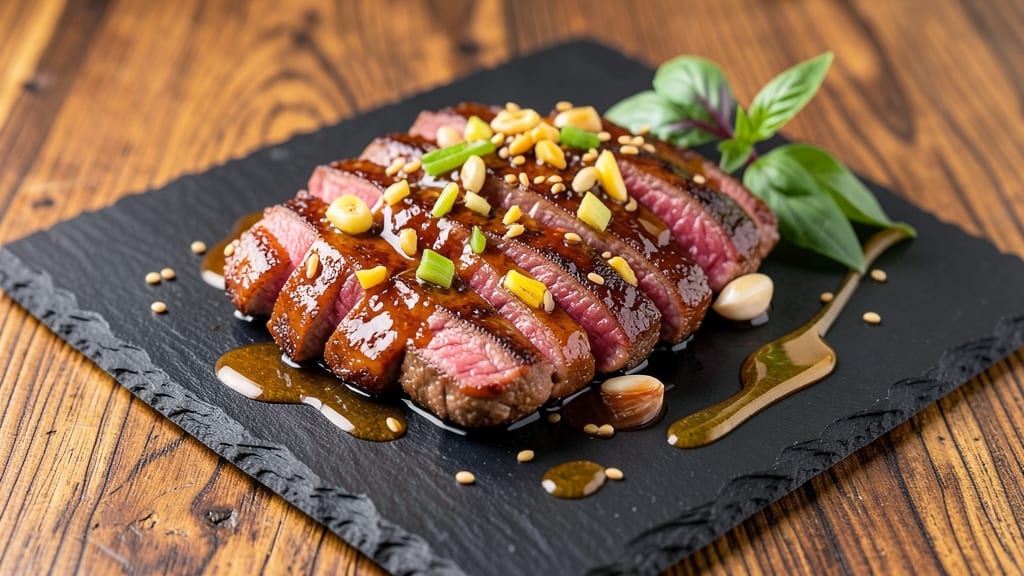
This Asian ginger beef recipe delivers restaurant-quality stir-fry with caramelized edges and a perfect balance of sweet, spicy, and umami flavors. 🔥 The secret lies in marinating the beef overnight, allowing the ginger, garlic, and soy to tenderize while building deep flavor.
I developed this recipe after years of refining stir-fry techniques—no shortcuts, just layers of taste that transform simple ingredients into something extraordinary.
The process starts with a quick sear to lock in juices, followed by a high-heat stir-fry that creates those coveted caramelized edges. A touch of honey and rice vinegar adds brightness, while fresh ginger and chili paste bring the heat.
This isn’t just another stir-fry—it’s a foolproof method that delivers restaurant-quality results with minimal effort, using only a skillet and 20 minutes of active cooking.
By the time you plate it—glossy beef over steamed jasmine rice with quick-pickled vegetables—you’ll have a dish that’s visually stunning and packed with flavor. The caramelized edges contrast beautifully with the tender beef, while the aromatic sauce ties everything together.
It’s the kind of meal that makes weeknight dinners feel special without requiring hours in the kitchen.
Serve with steamed rice or noodles, and don’t forget the garnish: fresh cilantro and sesame seeds elevate every bite. This recipe scales effortlessly, so whether you’re cooking for two or feeding a crowd, the technique stays the same. Let’s get started—your taste buds will thank you.
Ingredients for asian ginger beef
Restaurant-quality stir-fry starts with these carefully balanced ingredients—where fresh ginger meets umami-rich soy for caramelized perfection.
| Ingredient | Amount | Notes |
|---|---|---|
| Flank Steak 🥩 | 1 ½ lb | Thinly sliced against grain for tenderness |
| Fresh Ginger Root 🌿 | 3 tbsp | Finely grated, aromatic quality preferred |
| Garlic Cloves 🧄 | 6 cloves | Minced, fresh preferred |
| Low-Sodium Soy Sauce 🍶 | ½ cup | Kikkoman preferred for authentic flavor |
| Honey 🍯 | 2 tbsp | Wildflower preferred for floral notes |
| Rice Vinegar 🍶 | 2 tbsp | Seasoned preferred for subtle sweetness |
| Sesame Oil 🫒 | 1 tbsp | Toasted sesame oil for aroma |
| Red Chili Paste 🌶️ | 1 tbsp | Maesri or Thai preferred for heat |
| Neutral Oil 🫒 | 2 tbsp | Avocado or vegetable oil for high heat |
| Jasmine Rice 🍚 | 1 ½ cups | Uncooked, long-grain preferred |
| Fresh Cilantro 🌿 | ¼ cup | Chopped, for garnish |
| Toasted Sesame Seeds 🌱 | 1 tbsp | For garnish, store-bought or homemade |
| Diamond Crystal Kosher Salt 🧂 | 1 tsp | For seasoning |
| Freshly Ground Black Pepper 🌶️ | ½ tsp | For finishing |
The flank steak is non-negotiable for this dish—its lean yet tender texture becomes melt-in-your-mouth when sliced against the grain. Look for USDA Choice or Prime at Whole Foods or your local butcher, and ask for it sliced thinly (about 1/4-inch thick) before you even get home. If you're slicing yourself, freeze it for 30 minutes first to make it easier. For the ginger, organic is ideal—it's less likely to have been treated with preservatives that dull the flavor. The garlic should be firm and free of sprouts, with a pungent aroma when you peel a clove. Penzeys Spices has excellent pre-peeled garlic if you prefer convenience without sacrificing quality.
No low-sodium soy sauce? Regular soy sauce works at half the amount, but you'll need to reduce the salt elsewhere. The honey should be raw or wildflower—avoid the processed kind that crystallizes quickly. For the rice vinegar, Japanese brands like Kome Vinegar add a subtle complexity, but any seasoned rice vinegar will do. Substituting the sesame oil? Toasted peanut oil offers a similar nutty depth, though not identical. The chili paste is where you can get creative—Gochujang adds fermented depth, while sriracha works in a pinch (use half the amount). If you're using pre-sliced steak, pat it dry with paper towels before marinating—this is critical for caramelization.
Marinate the beef overnight for best results, but if you're short on time, 30 minutes minimum still yields excellent flavor. The rice should be cooked separately and kept warm in a rice cooker or covered pot. Store the marinade leftovers in an airtight container in the fridge for up to 3 days—it makes an excellent quick sauce for noodles. The sesame seeds and cilantro keep best in the freezer if you're not using them within 3 days of purchase. This dish reheats beautifully—stir-fry again over high heat for 2-3 minutes to restore that caramelized sheen. For meal prep, portion the cooked beef and sauce separately to maintain texture.
Why You'll Love This Recipe
- One-Pan Magic: I swear by this recipe for lazy nights—just sear the steak, toss in the ginger-garlic-honey mix, and let the pan do the work. No chopping piles of veggies or multiple dishes to wash.
- Sweet-Savory Balance: That honey cutting through the soy and ginger? It’s the kind of flavor combo that makes you pause mid-bite. The steak stays tender while the sauce clings like a hug—no dry, sad meat here.
- Meal Prep MVP: Between us, this keeps perfectly for four days in the fridge. Toss it over rice, noodles, or even a salad—my lunchbox has never been happier. (Yes, even on a Tuesday.)
- Budget Steakhouse Vibes: Flank steak is affordable, and this recipe stretches it further than takeout ever could. For half the cost, you get restaurant-quality bites that actually taste homemade.
Step-by-step instructions for sweet-spiced Asian ginger beef
Master this stir-fry technique to achieve caramelized edges and tender beef every time.
👨🍳 Step 1: Prepare the Flank Steak for Maximum Tenderness
Slice the 1.5 lb flank steak thinly against the grain using a sharp knife—about ¼-inch thick slices. The grain runs lengthwise, so look for the muscle fibers and cut perpendicular to them. This ensures each bite will be tender rather than chewy.
Place the sliced steak in a bowl and add 1 tsp Diamond Crystal kosher salt and 0.5 tsp freshly ground black pepper. Massage the seasoning into the meat with your hands for 2-3 minutes until evenly distributed. Let it marinate at room temperature for 15-20 minutes—this allows the salt to break down the muscle fibers and the flavors to penetrate.
While the steak marinates, grate the 3 tbsp fresh ginger root using a fine grater or microplane. You'll want a paste-like consistency—this ensures the ginger's bright, aromatic flavor infuses the beef thoroughly. Set aside for now.
🍳 Step 2: Build the Sweet-Spiced Sauce Base
In a small bowl, whisk together the 0.5 cup low-sodium soy sauce, 2 tbsp honey, 2 tbsp rice vinegar, 1 tbsp red chili paste, and the freshly grated ginger. This combination creates a balance of salty, sweet, tangy, and spicy flavors that will caramelize beautifully during cooking.
Heat a large skillet or wok over medium-high heat until it's smoking hot. Add the 2 tbsp neutral oil and swirl to coat the pan. The high heat is crucial—it creates the perfect sear that develops those caramelized edges we're after. Once the oil shimmers, add the minced 6 cloves garlic and stir for 30 seconds until fragrant but not browned.
Pour the sauce mixture into the pan and let it simmer for 2-3 minutes until slightly thickened. This pre-cooking step ensures the sauce clings to the beef later rather than pooling at the bottom. Keep the heat at medium-high—we'll need it hot for the steak.
🔥 Step 3: Sear the Beef to Perfection
Working in batches if needed, add the marinated steak to the pan in a single layer. Don't overcrowd—this prevents steaming and ensures proper browning. Let the beef sear undisturbed for 1-2 minutes until the edges develop a deep golden-brown crust. This is where the magic happens—those caramelized edges add depth of flavor.
Use tongs to flip the beef and cook for another 1-2 minutes until it reaches 145°F internally. The beef should still have a slight pink center—it will carry over to medium-rare when removed from heat. Once cooked, transfer the beef to a plate and tent loosely with foil to keep warm.
Return the pan to medium heat and add the 1 tbsp sesame oil. Stir for 30 seconds to infuse the aroma, then pour the oil and any remaining sauce from the plate back into the pan. Scrape up any browned bits from the bottom—these contain concentrated flavor.
🥘 Step 4: Combine and Finish with Jasmine Rice
Return the beef to the pan and toss gently to coat in the sauce. Cook for another 1-2 minutes until everything is evenly glazed and heated through. The beef should be tender with a glossy, sticky glaze that clings beautifully. Taste and adjust seasoning if needed—add a splash of water or more soy sauce if the sauce is too thick.
While the beef finishes, cook the 1.5 cups jasmine rice according to package instructions. I prefer steamed rice with a slight texture—just tender enough to hold its shape while still having a bit of bite. Drain any excess water and fluff with a fork once done.
To serve, divide the rice among plates and top with the ginger beef. Garnish with chopped 0.25 cup fresh cilantro and sprinkle with 1 tbsp toasted sesame seeds for texture and aroma. The contrast of the fragrant rice with the sweet-spicy beef creates a harmonious balance in every bite.
Pro Tips For Making Asian Ginger Beef
- Slice Against the Grain: Flank steak’s tough fibers run diagonally—cutting perpendicular to those lines makes each bite melt-in-your-mouth. Grab a sharp knife and angle those slices thinly, or you’ll end up with chewy, unruly pieces that ruin the whole dish.
- Peel Ginger Like a Pro: Skip the grating—peel ginger with a spoon’s edge first, then slice thinly with the grain. Thick chunks burn before they soften, and pre-peeling saves you from peeling mid-cook. (Yes, even if you’re impatient like me.)
- Sear in Two Stages: Start with a screaming-hot pan, but don’t walk away—after 2 minutes, pull the steak and let it rest 5 minutes under foil. This locks in juices before the slow simmer, or you’ll end up with a dry, sad slab of beef that’s all crust and no payoff.
- Balance the Sweet-Savory: Taste your sauce before adding honey—if the soy’s too sharp, a splash of rice vinegar (even just ½ teaspoon) cuts through the salt better than extra honey. You’ll avoid that cloying, one-note sweetness that turns this dish into dessert.
Pro cooking tips for asian ginger beef
Marinate Like a Pro
Overnight marinating is non-negotiable for maximum tenderness and flavor infusion. I use a ziplock bag for convenience—place the sliced beef and marinade inside, seal tightly, and refrigerate. The acid in the soy sauce and vinegar breaks down muscle fibers, while the ginger and garlic penetrate deeply.
If short on time, 30 minutes minimum still delivers great results, but overnight yields restaurant-quality depth. 🌿
For extra tenderness, add 1 tbsp cornstarch to the marinade—it creates a light coating that helps caramelize beautifully. I also recommend using a sharp boning knife for slicing against the grain; a dull knife crushes fibers, leading to toughness.
Pat the beef completely dry before marinating—this ensures better browning during searing. 🔪
High-Heat Searing Secrets
Your pan must be smoking hot before adding oil—this is the only way to achieve those perfect caramelized edges. I use a 12-inch cast iron skillet from Lodge because it retains heat exceptionally well.
Once the oil shimmers, add garlic immediately—cooking it for more than 30 seconds turns it bitter. The key is working quickly while maintaining that high heat throughout the entire searing process. ⚡
Never overcrowd the pan—this steams the beef instead of searing it. Cook in two batches maximum to maintain proper heat. After the first sear, let the beef rest for 2 minutes before flipping; this prevents it from sticking to your tongs.
The internal temperature should reach 145°F for medium-rare—use a meat thermometer for accuracy. 🌡️
Sauce Mastery
The sauce should reduce slightly before adding the beef—this ensures it clings beautifully rather than pooling. I recommend simmering it for 2-3 minutes over medium-high heat until it thickens to a glaze consistency.
The perfect sauce has a balance of sweet, salty, tangy, and spicy notes that complement the beef. Taste as you go—adjust with more honey for sweetness or rice vinegar for acidity. 🍶
For extra depth, deglaze the pan after removing the beef using 1 tbsp water or dry sherry. Scrape up all those flavorful browned bits from the bottom—they contain concentrated umami that transforms an ordinary sauce into something extraordinary.
The sesame oil should be added at the very end to infuse its aroma without burning. 💫
Plating Presentation
Presentation elevates this dish from good to showstopping. I use jasmine rice because its delicate fragrance complements the beef's bold flavors. Divide the rice evenly among plates, then arrange the beef in a visually appealing pattern—perhaps a circular pile or diagonal slices for drama.
The caramelized edges should be facing upward to catch the light. 🍚
Garnish with fresh cilantro and sesame seeds immediately before serving—they add vibrant color and contrasting textures. A final sprinkle of flaky sea salt enhances the sweet-spicy notes. For an extra touch, drizzle with a few drops of toasted sesame oil right before eating to release its aromatic oils.
The contrast between the glossy beef and fragrant rice creates a visually stunning dish that tastes as good as it looks. ✨
Nutrition facts
Frequently asked questions
Can I use a different cut of beef instead of flank steak?
Flank steak is ideal for its tenderness when sliced thinly, but sirloin or ribeye work well too. For tougher cuts like chuck, marinate longer (4-6 hours) and slice even thinner (⅛-inch thick). Avoid round steak—it's too lean and lacks flavor. The key is thin, even slices against the grain to ensure tenderness.
How do I adjust the heat level in this recipe?
For milder heat, reduce the red chili paste to ½ tbsp or swap it for ½ tsp chili flakes. Need extra spice? Add 1 tsp gochujang or a dash of sriracha at the end. For a smoky kick, add ½ tsp smoked paprika to the marinade. Always taste as you go—adjust gradually to avoid overpowering the dish.
Can I make this recipe in an air fryer?
While not traditional, you can adapt it! Cook the beef in batches at 375°F for 4-5 minutes until caramelized, shaking the basket halfway. For the sauce, simmer it separately in a small pot, then toss the beef in it. The air fryer won't give the same sear, but it's a great shortcut for smaller portions. The texture will be slightly different—more tender than crispy.
What's the best way to store leftovers?
Store leftovers in an airtight container in the fridge for up to 3 days. Reheat gently in a skillet over medium heat with a splash of water to restore moisture. For longer storage, freeze for up to 3 months. Thaw overnight in the fridge—never at room temperature. The sauce may thicken when reheated, so add a splash of water or broth to loosen it.
Why does my beef turn out tough?
Tough beef usually means one of three things: not slicing against the grain, overcooking, or not marinating long enough. Always slice perpendicular to the muscle fibers, and remove beef from heat at 145°F (medium-rare). For extra tenderness, add 1 tbsp cornstarch to the marinade. If using pre-sliced beef, pat it very dry before cooking to ensure proper searing.