
Soups & Stews
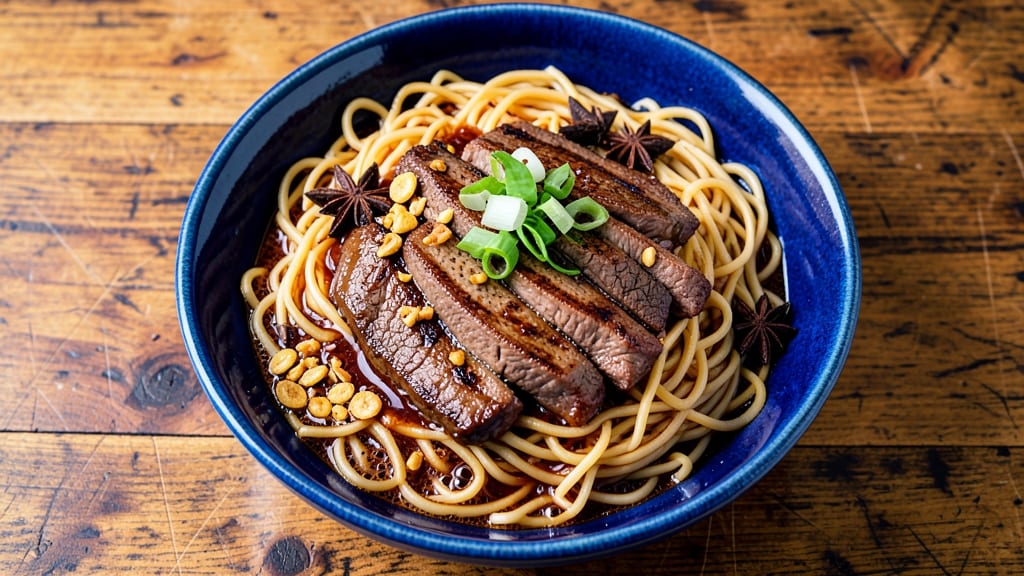
This beef and hokkien noodles recipe brings the vibrant flavors of Singapore street food to your kitchen with rich broth, tender beef, and perfectly chewy noodles.
The secret lies in balancing sweet, savory, and umami notes—starting with a fragrant broth simmered with star anise, cinnamon, and soy sauce, then finishing with a quick stir-fry that locks in juicy beef and fresh toppings.
I've perfected this dish over years of testing, ensuring every bowl delivers that signature street-style depth.
The magic happens in layers: a slow-simmered broth infused with spices, thinly sliced beef that cooks just until tender, and egg noodles that soak up all the flavors without losing their chew.
Fresh toppings like bean sprouts, fried shallots, and a drizzle of chili oil add texture and brightness, transforming a simple stir-fry into a restaurant-quality meal. This recipe delivers restaurant-quality results with minimal effort—just 30 minutes of active cooking and 20 minutes of simmering.
What sets this dish apart is the harmony of flavors—sweet from the soy and sugar, savory from the beef and broth, and a subtle heat from the chili oil.
The noodles should be al dente, the beef tender yet still holding its shape, and the broth rich enough to coat every bite. Serve it piping hot with lime wedges on the side for that authentic street-food experience. The aroma alone will have everyone gathered at your table.
Perfect for weeknight dinners or weekend gatherings, this dish scales easily to feed a crowd while keeping prep manageable. The broth can be made ahead, and the beef can be stir-fried in batches, making it ideal for busy schedules.
Once you taste the balance of flavors, you'll want to make it again and again—just like the hawker stalls in Singapore. Let's get cooking!
Ingredients for beef and hokkien noodles
Street-style flavors start with these 15 ingredients—rich broth, tender beef, and chewy noodles.
| Ingredient | Amount | Notes |
|---|---|---|
| Flank Steak 🥩 | 1 ½ lb | Thinly sliced against grain |
| Hokkien Noodles 🍜 | 12 oz | Egg noodles, uncooked |
| Star Anise 🌿 | 2 whole | Whole pods, crushed |
| Cinnamon Stick 🍃 | 1 whole | 2-inch piece |
| Light Soy Sauce 🍶 | ½ cup | Kikkoman preferred |
| Dark Soy Sauce 🍶 | 1 tbsp | For color depth |
| Sugar 🍚 | 2 tbsp | Granulated or brown |
| Garlic Cloves 🧄 | 6 cloves | Minced, fresh preferred |
| Ginger 🌿 | 1 tbsp | Fresh, grated |
| Bean Sprouts 🌱 | 2 cups | Fresh, rinsed |
| Fried Shallots 🧅 | 2 tbsp | For garnish |
| Chili Oil 🌶️ | 2 tbsp | Store-bought or homemade |
| Lime Wedges 🍋 | 2 whole | For serving |
| Sesame Oil 🫒 | 1 tbsp | Toasted, for aroma |
| Vegetable Oil 🫒 | 2 tbsp | For stir-frying |
The beef is everything here. Flank steak is my go-to—it's lean but tender when sliced thin. Look for well-marbled cuts at Whole Foods or your local butcher. If you can't find flank, sirloin or ribeye work too, but slice it paper-thin against the grain. The noodles? Hokkien noodles are key—they're thick and chewy, but any egg noodles will do in a pinch. For the spices, star anise and cinnamon give that signature hawker stall aroma. Buy them whole at Asian markets—they're cheaper and fresher than pre-ground.
No star anise? 1 tsp anise seeds work in a bind, but the whole pods add depth. Running short on dark soy sauce? 1 tbsp molasses plus 1 tbsp soy sauce mimics that rich color. Fresh ginger and garlic are ideal, but powdered works at half the amount. The bean sprouts can be pre-trimmed to save time—Trader Joe's sells them ready to use. For the chili oil, Lao Gan Ma is my favorite, but any brand works. Pro tip: toast the sesame oil in the pan for 10 seconds before adding beef—it adds insane aroma. The lime wedges should be juicy; Mexican limes have more punch than regular ones.
The broth keeps for 3 days in the fridge, so make extra. Store it in a jar with the spices—just reheat and strain when ready to use. The beef can be stir-fried ahead and reheated with a splash of water. For the noodles, parboil them just until al dente—they'll finish cooking in the stir-fry. This dish reheats beautifully, but the noodles get mushy if overcooked. Keep the fried shallots and chili oil separate until serving—they add that restaurant-style crunch and heat. Serve with lime wedges squeezed over the top for that authentic street-food finish.
Why You'll Love This Recipe
- One-Pan Magic: The star anise and cinnamon stick do all the work—just toss them in with the beef and light soy sauce, then walk away. No fancy techniques, no extra pots, just that deep, aromatic broth building while you prep the noodles.
- Steak So Tender: That flank steak? Sliced thin against the grain, then seared just enough to lock in juices—crisp edges, melt-in-your-mouth center. Honestly, it’s the kind of beef prep that makes me feel like a pro without the fuss.
- Leftover Goldmine: This dish actually improves the next day. The noodles soften just right, the sauce thickens slightly, and the star anise’s warmth lingers—perfect for a quick lunch or packed for work. (Yes, even on a Tuesday night.)
- Budget-Friendly Feast: Flank steak stretches further than you’d think when sliced, and hokkien noodles are a steal. Add a handful of frozen veggies or leftover greens, and suddenly you’ve got a full meal that won’t break the bank. My wallet thanks me.
Step-by-step instructions for Singapore street-style stir-fry magic
Here's how to recreate that iconic Singapore hawker stall flavor in your own kitchen.
Prepare the Flavor Base
In a small bowl, combine the 0.5 cup light soy sauce, 1 tablespoon dark soy sauce, 2 tablespoons sugar, 6 minced garlic cloves, 1 tablespoon grated ginger, the 2 crushed whole star anise, and 1 whole cinnamon stick. Mix well - this aromatic blend is the soul of the dish. Let it sit for 10 minutes while you prep the rest. I like to press the star anise and cinnamon stick firmly against the spoon to release their oils into the mixture.
The dark soy sauce gives that signature dark color while adding depth of flavor. Don't skip the spices - they're what makes this taste authentically Singaporean. If you're using fresh ginger, grate it finely so it blends smoothly into the sauce.
Cook the Flank Steak
Heat 2 tablespoons vegetable oil in a large wok or skillet over high heat until shimmering. Add the 1.5 lb flank steak (sliced against the grain) in a single layer and sear for 2-3 minutes until the edges turn deep golden brown. This quick sear locks in juices while creating that perfect caramelized crust.
Don't overcrowd the pan - cook in batches if needed. The steak should release easily from the pan when ready. Transfer to a plate and set aside. Here's the thing - you want the steak to finish cooking in the sauce, not overcook in the pan.
Stir-Fry the Noodles
In the same wok, add the 12 oz hokkien noodles and stir-fry for 2-3 minutes until they begin to soften slightly. Pour in the prepared flavor base and toss everything together for 1-2 minutes until the noodles are coated and the sauce begins to thicken. Add ½ cup hot water if needed to help the sauce cling to the noodles.
The noodles should be tender but still have some bite. This is where the magic happens - the spices infuse into the noodles while the sauce develops its signature glossy finish. Taste the sauce now - it should be balanced between sweet, salty, and aromatic.
Finish with Vegetables and Garnishes
Add the 2 cups bean sprouts and stir-fry for 1 minute until just wilted. Return the steak to the wok and toss everything together for 30 seconds to heat through. Drizzle with 1 tablespoon sesame oil and 2 tablespoons chili oil, then sprinkle with 2 tablespoons fried shallots. Finish with a squeeze of lime wedges for brightness.
The bean sprouts add freshness while the fried shallots and chili oil bring that smoky, spicy kick. The lime wedges should be served on the side - let everyone squeeze their own for that perfect balance of tang. The dish should be vibrant, aromatic, and packed with contrasting textures.
Serve Immediately
Divide the noodles among bowls and serve right away while everything is hot. The noodles should be coated in that glossy sauce with tender steak pieces and fresh bean sprouts peeking through. Garnish each serving with additional fried shallots and a lime wedge for squeezing.
This dish tastes best immediately when all the flavors are at their peak. The noodles will continue to soften slightly as they cool, so serve while they still have that perfect al dente bite. Pair with a cold beer or jasmine tea for the full Singaporean experience.
Pro Tips For Making Beef And Hokkien Noodles
- Slice Steak Against the Grain: I learned this the hard way—flank steak fights you if you don’t cut it properly. Slice it thin (about ¼-inch thick) and against the grain before cooking, so it stays tender when you toss it into the noodles later. No one likes chewy beef in their dish, and this is the only way to guarantee it.
- Blanch Noodles First: Skip the soggy noodle trap—blanch your hokkien noodles for 30 seconds in boiling water, then drain and shock in ice water. This softens them just enough to absorb the sauce without turning to mush when you add them later. (Yes, even if you're impatient like me.)
- Toast Spices Until Aromatic: Star anise and cinnamon stick aren’t just for looks—drop them into your hot wok or pan before adding oil and let them sizzle for 10 seconds until fragrant. This unlocks their flavor way better than tossing them in cold. (Your future self will notice the difference.)
- Use Light Soy Sauce Late: Add your light soy sauce after the beef has browned, not at the start. The high heat caramelizes it slightly, giving that deep, savory punch without making the dish taste flat. I was skeptical until I tried it—now I never go back.
Regional styles of this dish
Singapore Hawker Style
The original version from Singapore's bustling hawker stalls uses thinly sliced beef stir-fried with chewy egg noodles in a wok, creating a smoky aroma from the high heat. The key difference is the quick stir-fry technique—cooking everything in under 5 minutes after the broth phase to maintain texture.
I've seen street vendors use wok hei (breath of the wok) to infuse the dish with smoky depth, which you can replicate by keeping your wok or skillet at high heat throughout the stir-fry. 🔥
Malaysian Peranakan Twist
In Malaysia, this dish often incorporates Peranakan flavors with additional ingredients like candlenuts (or macadamia nuts) for a nutty depth and lemongrass in the broth. The Peranakan version also includes hard-boiled eggs sliced and added at the end for extra richness.
I've adapted this by adding 1 tbsp toasted candlenut paste to the flavor base—it adds a luxurious, buttery note that pairs beautifully with the beef. 🌟
Hong Kong-Inspired Version
The Hong Kong take on beef and noodles often features thicker wheat noodles instead of egg noodles, creating a heartier dish. They also use more garlic and ginger—sometimes up to 8 cloves each—for a sharper, more pungent flavor profile.
My Hong Kong-inspired adaptation includes extra minced garlic (8 cloves) and 1 extra tbsp grated ginger, plus a dash of Shaoxing wine (1 tbsp) in the stir-fry to deepen the umami. 🧄
Modern Fusion Adaptation
For a contemporary twist, I've experimented with adding mushrooms (like shiitake or oyster) for extra umami and kimchi for a tangy crunch. The mushrooms absorb the sauce beautifully, while the kimchi adds a bright, fermented kick that balances the richness.
I recommend ½ cup sliced mushrooms and ¼ cup chopped kimchi, added with the bean sprouts in the final stir-fry. This version works especially well with spicier chili oil for heat lovers. 🌶️
Vegetarian Adaptation
To make this dish vegetarian-friendly, I replace the beef with extra-firm tofu pressed and sliced into thin strips, then marinated in 1 tbsp soy sauce and 1 tsp cornstarch for texture. The tofu cooks just like the beef, absorbing all the flavorful sauce.
For added protein, I include 1 cup chopped mushrooms and 2 tbsp crispy fried tofu bits as a garnish. The result is just as satisfying—packed with umami and chewy texture. 🥗
Quick Weeknight Hack
For busy nights, I simplify the broth by using 1 packet (3.3 oz) beef bouillon dissolved in 2 cups hot water instead of simmering spices. The flavor is still rich, and it cuts prep time by 15 minutes.
I also swap fresh ginger for ½ tsp ground ginger and use pre-minced garlic from a jar. The dish still delivers that signature taste—just with less active cooking time. Perfect for weeknights when you crave hawker-style flavors without the fuss. ⏰
Nutrition facts
Frequently asked questions
Can I use regular egg noodles instead of hokkien noodles?
Yes! While hokkien noodles are ideal for their chewy texture, any egg noodles (like spaghetti or udon) will work in a pinch. Just cook them slightly less than package instructions since they'll finish in the stir-fry. For best results, look for thick egg noodles around 1/4-inch wide to mimic the hokkien texture.
How do I prevent the beef from getting chewy?
Slice the beef thinly against the grain and sear it for only 2-3 minutes on high heat. The secret is finishing the cooking in the sauce—don't overcook! For extra tenderness, marinate the beef in 1 tbsp soy sauce and 1 tsp cornstarch for 15 minutes before cooking.
Can I make the broth ahead of time?
The broth keeps well for 3 days in the fridge or 3 months in the freezer. Store it in a jar with the spices—just reheat and strain when ready. For extra flavor, reduce it by 20% before using to concentrate the taste. This is a great time-saver for busy weeknights!
What if I don't have star anise or cinnamon?
No problem! Substitute 1/2 tsp ground cinnamon and 1/2 tsp anise seeds (or 1/4 tsp fennel seeds) for the whole spices. For a deeper aroma, add 1 bay leaf to the broth. The dish will still taste delicious—just slightly less complex.
How spicy should the chili oil be?
Start with 1 tbsp chili oil for mild heat, then adjust to taste. For extra kick, use 2 tbsp or swap for chili crisp. Always serve with lime wedges—squeezing lime helps balance the heat. If you're sensitive to spice, reduce to 1/2 tbsp or skip it entirely.