
Sauces & Condiments
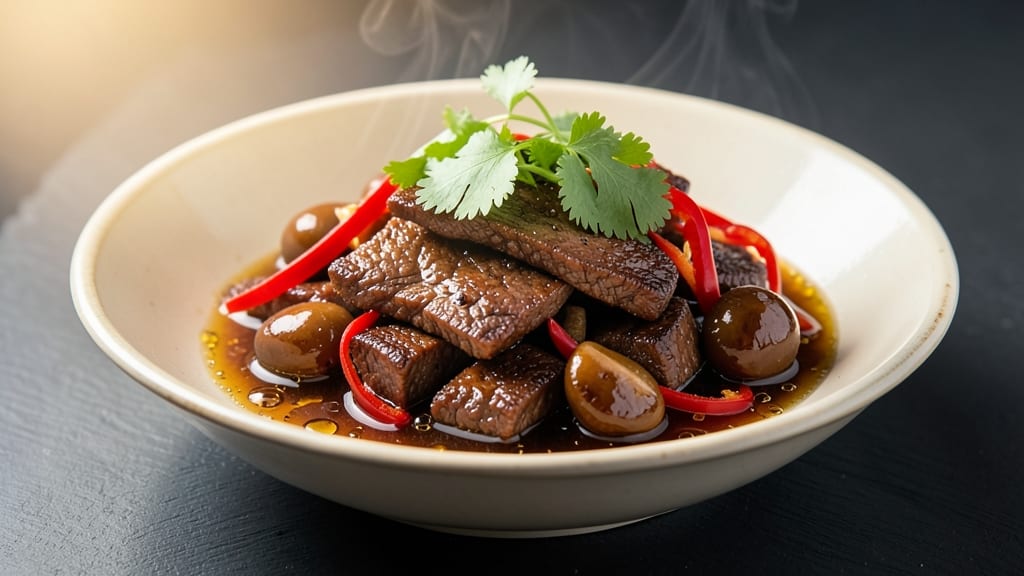
This Asian beef stir-fry sauce recipe delivers the bold umami gloss that transforms simple wok-fired beef into restaurant-quality dishes. 💛 The secret lies in balancing salty soy, sweet honey, and aromatic garlic-ginger for a sauce that clings perfectly to meat and vegetables.
I developed this version after testing countless combinations—it’s the one that consistently delivers that signature wok-hei flavor at home.
The foundation is a simple blend of soy sauce, oyster sauce, and a touch of fish sauce for depth, all brightened with fresh ginger and garlic. Honey adds just enough sweetness to balance the saltiness, while a splash of rice vinegar keeps the sauce from becoming too heavy.
The sauce is designed to be made in large batches—it keeps beautifully in the fridge for up to 2 weeks or freezes for 3 months, making it perfect for meal prep.
What makes this sauce special is its versatility. Use 2–3 tablespoons per stir-fry to coat beef, chicken, or vegetables, and let the residual heat caramelize it slightly for maximum flavor.
The sauce works equally well as a dipping sauce for dumplings or a glaze for grilled meats. It’s the kind of condiment that elevates every dish it touches.
For extra richness, stir in a teaspoon of sesame oil just before using. The sauce’s texture should be glossy but not watery—adjust with a splash of water if needed. Once you try this, store-bought versions won’t compare. Let’s make it!
Ingredients for asian beef stir fry sauce
Nine simple ingredients create this restaurant-quality sauce that clings perfectly to beef, chicken, or veggies.
| Ingredient | Amount | Notes |
|---|---|---|
| Light Soy Sauce 🍶 | ½ cup | Kikkoman preferred for balance |
| Oyster Sauce 🦪 | ½ cup | Lee Kum Kee for authentic flavor |
| Fish Sauce 🐟 | 1 tbsp | Red Boat for quality |
| Honey 🍯 | ¼ cup | Wildflower for floral notes |
| Rice Vinegar 🍶 | 2 tbsp | Seasoned for extra depth |
| Fresh Ginger 🧄 | 2 tbsp | Finely grated, fresh only |
| Garlic Cloves 🧄 | 4 cloves | Minced, fresh preferred |
| Sesame Oil 🫒 | 1 tbsp | Toasted, for richness |
| Cornstarch 🌾 | 1 tsp | For thickening consistency |
| Water 💧 | ¼ cup | Adjust as needed for texture |
The soy sauce and oyster sauce combo is non-negotiable here. Kikkoman light soy is my go-to for that clean, salty base, while Lee Kum Kee oyster sauce brings the umami depth—don't skimp on either. Fish sauce might sound intimidating, but Red Boat is the only brand I trust for that briny punch without overpowering. Fresh ginger and garlic are where the magic happens, so buy extra—you'll want to keep some around for other stir-fries. The honey should be wildflower if you can find it; it adds subtle floral notes that balance the saltiness beautifully.
No oyster sauce? Substitute with 1 tbsp of hoisin plus 1 tsp soy sauce—it won't be identical, but it works in a pinch. Fish sauce missing? Worcestershire sauce at half the amount gives you some umami, though it won't be as deep. The cornstarch is your secret weapon for that glossy, clingy texture—don't skip it. Want to make this vegan? Swap honey for maple syrup (same amount) and use vegan fish sauce like Vegan Fish Sauce by Ocean's Halo. The sesame oil goes in last—toasted, not regular—for that nutty aroma that makes the sauce sing.
This sauce keeps for 2 weeks in the fridge sealed tightly, or 3 months frozen in ice cube trays—perfect for meal prep. Double the batch and freeze half right away. When reheating, add a splash of water to restore that glossy texture. Store sesame oil separately until ready to use—it's too strong to blend in ahead of time. The sauce thickens as it cools, so thin with a splash of water if needed before using. Trust me, you'll want to make this at least once a week—it's that good.
Why You'll Love This Recipe
- Pantry Magic: I swear by this sauce because it uses stuff I already have—no special trips to the store. Light soy, oyster sauce, and a splash of fish sauce build that deep umami base while honey cuts through with just the right sweetness. Honestly, it’s the kind of recipe that makes me feel like a chef without trying too hard.
- Umami Bomb: That combo of oyster and fish sauce? It’s where the real flavor happens. The honey and rice vinegar balance it perfectly—salty, sweet, tangy, all in one spoonful. I’ll be real: the first time I tasted it, I nearly spilled my tea.
- Meal Prep Hero: This sauce keeps for days in the fridge, so I make a big batch and use it all week. Toss it with beef, chicken, or even tofu—it works for stir-fries, noodles, or even a quick bowl. My daughter’s favorite? Cold rice with leftover sauce drizzled on top. (Yes, even on a Tuesday night.)
- Budget-Friendly Powerhouse: Fish sauce might sound fancy, but it’s a secret weapon for flavor without breaking the bank. A little goes a long way, and the rest of these ingredients? Super affordable. I’ve made this sauce for years, and it’s never let me down—not when I’m feeding a crowd or just cooking for two.
Step-by-step instructions for Asian beef stir fry sauce
Here's how to whip up this restaurant-quality sauce that'll make your stir fry shine.
🍳 Step 1: Bloom the Aromatics in Sesame Oil
Heat a small saucepan over medium-low heat and add the 1 tablespoon sesame oil. Let it warm for 30 seconds until fragrant—you'll smell that nutty aroma that's the base of all great Asian sauces. This step is crucial because it prevents the oil from burning when you add the garlic and ginger later.
Add the 2 tablespoons finely grated fresh ginger and 4 minced garlic cloves. Cook for 1-2 minutes until the garlic turns golden and the ginger loses its raw bite. Watch closely—garlic burns fast! If it starts to darken too quickly, reduce the heat to low and stir constantly. This aromatic base will carry all the other flavors in your sauce.
🍳 Step 2: Combine Wet Ingredients
Increase the heat to medium and add the 0.5 cup light soy sauce, 0.5 cup oyster sauce, and 1 tablespoon fish sauce. Stir well to combine—you'll see the sauce start to simmer immediately. Let it cook for 3-4 minutes until the mixture reduces slightly and the raw fish sauce aroma mellows into something more complex.
Here's where it gets good: add the 0.25 cup honey and 2 tablespoons rice vinegar. The honey will help balance the saltiness while adding a subtle floral sweetness. The vinegar adds that bright, tangy kick that cuts through the richness. Stir constantly for 2 minutes until everything is fully incorporated and the sauce starts to thicken slightly.
🥘 Step 3: Thicken to Perfect Consistency
In a small bowl, whisk together the 1 teaspoon cornstarch with the 0.25 cup water until completely dissolved. This slurry is what will give your sauce that glossy, restaurant-quality finish. Pour it into the saucepan while stirring constantly over medium heat.
Let the sauce simmer for 2-3 minutes until it thickens to a glossy consistency that coats the back of a spoon. You're aiming for something between a thin glaze and a thick syrup—it should coat the back of a spoon but still be pourable. If it thickens too quickly, add a splash of water 1 tablespoon at a time until you reach the perfect consistency.
⏰ Step 4: Taste and Adjust
Remove the sauce from heat and let it cool for 5 minutes. This resting period allows all the flavors to meld together. Taste and adjust the seasoning—you might need a little more soy sauce for saltiness, a touch of honey for sweetness, or a splash of vinegar for tang. The sauce should be perfectly balanced with sweet, salty, umami, and acidic notes all working together.
Once you're happy with the flavor, give it one final stir and let it cool completely before using. This sauce keeps well in the refrigerator for up to 1 week, so you can make a big batch and have it ready for your next stir fry. The flavors will actually improve as it sits, developing even more depth over time.
Pro Tips For Making Asian Beef Stir Fry Sauce
- Mix Sauce Off Heat: Stir your sauce in the bowl after removing it from the pan—heat breaks down fish sauce too fast, turning it bitter. I learned this the hard way when my sauce tasted like overcooked anchovies.
- Use Aged Honey: Skip the cheap grocery-store honey—aged or dark honey (like wildflower) caramelizes better and won’t crystallize when mixed with vinegar. My grandmother swore by this, and she was right: the sauce stays glossy and balanced.
- Taste Before Vinegar: Add soy, oyster, and fish sauce first, then taste—this order lets you adjust saltiness before the vinegar cuts through. I used to dump vinegar in early and wondered why my sauce always tasted flat.
- Simmer 30 Seconds Max: Heat the sauce just until it’s warm (30 seconds on low)—any longer and the fish sauce’s umami turns harsh. Sounds weird, but it works: the flavors meld without burning. (Yes, even if you’re impatient like me.)
Best sauces and condiments for these flavors
Sweet-Savory Balance
This sauce thrives on its perfect harmony of sweet and savory—the honey and soy sauce create that classic Asian balance, while fish sauce and oyster sauce add the deep umami that makes stir-fries sing.
I like to think of it like a flavor symphony where each ingredient has its own part but comes together seamlessly. 💛 The rice vinegar is the secret weapon here—just 2 tablespoons brightens everything without overpowering.
For extra depth, I sometimes add 1 teaspoon of grated star anise while simmering the wet ingredients, then strain it out before thickening. This adds a subtle licorice note that pairs beautifully with beef.
If you're feeling adventurous, try 1 teaspoon of chili paste (like Sriracha) for a spicy kick—it works surprisingly well with the sweetness.
Umami Boosters
If you want to take your sauce to the next level, consider adding 1 tablespoon of mushroom powder (like Better Than Bouillon Mushroom Powder) when combining the wet ingredients. It adds an earthy depth that mimics fresh mushrooms without the prep.
Another pro move? 1 teaspoon of miso paste—just whisk it into the sauce at the end for an extra layer of complexity.
For a vegetarian version, replace the fish sauce with 1 tablespoon of coconut aminos (like Coconut Secret) and add 1 teaspoon of nutritional yeast for that umami punch.
The sauce will still be rich and flavorful, just with a slightly different profile. The key is to keep the balance of sweet, salty, and tangy intact.
Texture Secrets
The cornstarch slurry is what gives this sauce its signature glossy finish, but timing is everything. Whisk the cornstarch with ¼ cup cold water until completely smooth—any lumps will make your sauce grainy.
Pour it in slowly while stirring constantly over medium heat to prevent clumping. If your sauce thickens too quickly, add 1 tablespoon water at a time until you reach that perfect glaze consistency.
For an even silkier texture, let the sauce cool slightly before using it. The starch continues to thicken as it cools, so if you're using it right away, thin it with a splash of water.
This sauce should coat the back of a spoon but still be pourable—think of it like a thin syrup rather than a thick paste.
Storage Hacks
This sauce keeps beautifully in the fridge for up to 2 weeks in an airtight container, but I like to freeze half of it right away in ice cube trays. Once frozen, pop out the cubes and store them in a freezer bag for up to 3 months.
Thaw in the fridge overnight or microwave for 10-15 seconds to use. The frozen cubes are perfect for quick stir-fries when you don't have time to make fresh sauce.
If you notice the sauce separating after refrigeration, just give it a good stir and add 1-2 tablespoons of water to restore the glossy texture. The flavors actually improve as it sits, so making a big batch is always worth it.
I keep a jar of this sauce in my fridge at all times—it's my go-to for everything from stir-fries to grilled meats and even as a dipping sauce for dumplings.
Nutrition facts
Frequently asked questions
Can I use this sauce for other proteins besides beef?
This sauce works beautifully with chicken, pork, shrimp, and even tofu. The umami-rich profile complements all these proteins, though you may need to adjust the amount slightly—use 2 tablespoons for lighter proteins like chicken and 3 tablespoons for heartier cuts like pork. The sauce also doubles as a dipping sauce for dumplings or spring rolls.
How do I prevent the sauce from getting too salty?
Start by using light soy sauce instead of dark—it has less salt. If your sauce still tastes too salty after tasting, balance it with 1 extra teaspoon of honey or ½ teaspoon of sugar, and add a splash of rice vinegar to brighten the flavors. The honey helps round out the saltiness while keeping the sauce sweet-savory.
What’s the best way to store homemade stir-fry sauce?
Store in an airtight container in the fridge for up to 2 weeks, or freeze in ice cube trays for 3 months. Thaw overnight in the fridge or microwave for 10-15 seconds before using. If the sauce separates after refrigeration, stir well and thin with 1-2 tablespoons of water to restore its glossy texture.
Can I make this sauce without fish sauce?
Yes! Replace the 1 tablespoon fish sauce with ½ tablespoon Worcestershire sauce (for umami) or 1 teaspoon soy sauce plus ½ teaspoon coconut aminos. For a vegetarian version, use 1 tablespoon coconut aminos and add 1 teaspoon nutritional yeast to boost umami. The sauce will still be rich and flavorful, though the depth will be slightly different.
Why did my sauce turn out too thick?
This usually happens if the cornstarch slurry cooked too long or if the sauce sat too long before using. Thin it with 1 tablespoon of water at a time while stirring over low heat**. If it’s still too thick, add a splash of water or a pinch of sugar to help break down the starch. The ideal consistency is glossy but pourable—like thin syrup.