
Main Courses
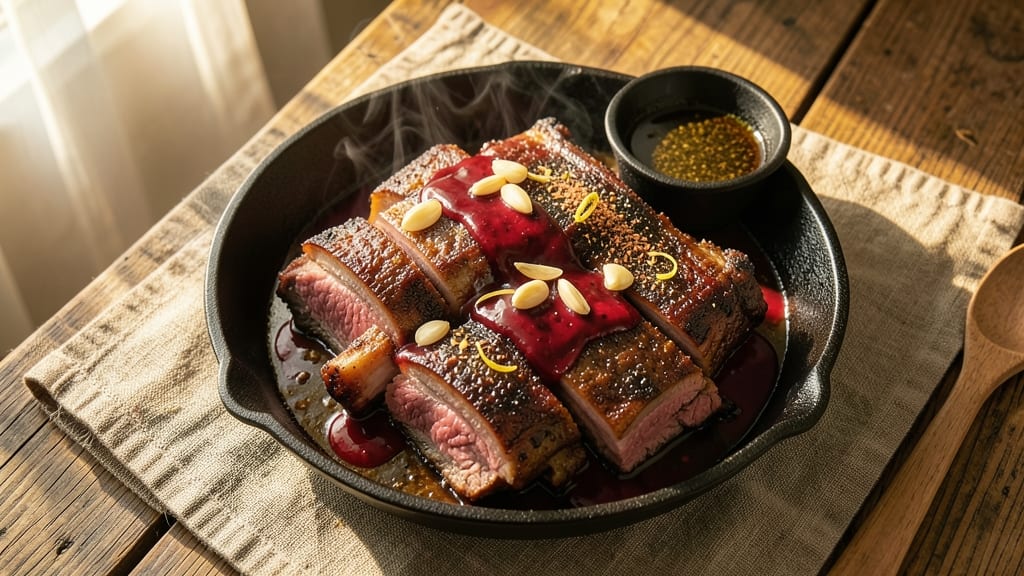
This Argentine beef ribs recipe delivers smoky, tender meat with deep, spiced flavors that transport you straight to Buenos Aires. The secret lies in a slow cook that transforms tough cuts into melt-in-your-mouth perfection, using traditional techniques that Argentine parrilleros swear by.
What sets this apart is the balance of bold spices and wood-fired aroma that creates that signature caramelized crust while keeping the meat impossibly tender inside.
The process begins with a simple yet flavorful marinade that penetrates the meat overnight, then moves to either a wood-fired grill or slow oven cooking method that builds layers of flavor without drying out the ribs.
This isn't your typical American BBQ—it's a methodical approach that respects the meat's natural richness while developing complex smoky notes through controlled cooking temperatures.
By the time you're done, you'll have ribs with a beautiful mahogany crust, tender enough to pull apart with a fork, and infused with aromatic spices that make every bite unforgettable.
The presentation is just as important: serve with chimichurri for brightness, grilled vegetables for freshness, and crusty bread to soak up every last drop of that delicious sauce.
Perfect for special occasions or when you want to impress guests with authentic Argentine flavors, this recipe delivers restaurant-quality results at home. The techniques are straightforward once you understand the key principles, and the reward is meat that's worth every minute of effort.
Let's get started on creating your own Argentine masterpiece.
Ingredients for argentine beef ribs
Four pounds of Argentine beef ribs plus bold spices transform into smoky perfection.
| Ingredient | Amount | Notes |
|---|---|---|
| Argentine Beef Ribs 🥩 | 4 lb | Bone-in, short ribs preferred |
| Red Wine Vinegar 🍷 | ½ cup | For marinade acidity |
| Olive Oil 🫒 | ¼ cup | Extra-virgin for richness |
| Garlic Cloves 🧄 | 6 cloves | Minced for marinade |
| Ground Cumin 🌿 | 1 tbsp | Toasted for depth |
| Smoked Paprika 🌶️ | 1 tbsp | For authentic smokiness |
| Ground Coriander 🌿 | 1 tsp | Freshly ground preferred |
| Black Peppercorns 🌶️ | 1 tsp | Freshly cracked |
| Kosher Salt 🧂 | 2 tbsp | Diamond Crystal preferred |
| Fresh Rosemary 🌿 | ¼ cup | Chopped, stems removed |
| Wood Chips 🌳 | 1 cup | Hickory or oak preferred |
| Chimichurri 🌿 | ½ cup | Homemade or store-bought |
| Crusty Bread 🍞 | 1 loaf | For serving, sliced |
| Grilled Vegetables 🥒 | 2 cups | Bell peppers, zucchini |
The ribs are the star—look for bone-in short ribs with good marbling at your butcher. Costco or Whole Foods usually carry them pre-cut, but if buying whole, ask for the meaty short ribs near the chuck. The wood chips should be hickory or oak—avoid fruit woods like cherry. For the chimichurri, Trader Joe's sells a great pre-made version if you're short on time, but homemade with fresh parsley, garlic, and olive oil is worth the effort. The rosemary should be fresh, not dried—it adds that piney aroma that's essential for authenticity.
No red wine vinegar? Apple cider vinegar works in a pinch, though it'll be slightly sweeter. Short on smoked paprika? Regular paprika plus a pinch of liquid smoke mimics the effect. The cumin is non-negotiable—it's the backbone of the Argentine flavor profile. If you can't find fresh coriander, ground coriander works at double the amount. For the wood chips, if you don't have a smoker, soak them in water for 30 minutes before using on your grill. The grilled vegetables can be swapped for roasted potatoes if you prefer—just keep them crispy on the outside.
Store the raw ribs in the coldest part of your fridge for up to 2 days before cooking. The chimichurri keeps for 5 days in the fridge, covered with a thin layer of olive oil. The wood chips? Keep them in a dry, airtight container for up to 6 months. Leftover ribs reheat beautifully—wrap them in foil and warm in a 300°F oven for 15 minutes. The crusty bread is best served fresh, but you can toast slices ahead and keep them warm in a 200°F oven for up to 2 hours.
Why You'll Love This Recipe
- I swear by this 10-minute prep: just toss the ribs in olive oil, crushed garlic, cumin, and a splash of red wine vinegar. No fancy equipment, no waiting hours—just let them sit while you throw together the rest of dinner.
- No-Fuss Marination: I swear by this 10-minute prep: just toss the ribs in olive oil, crushed garlic, cumin, and a splash of red wine vinegar. No fancy equipment, no waiting hours—just let them sit while you throw together the rest of dinner.
- Umami Bomb Combo: That vinegar cut through the richness, while the cumin and garlic add this deep, smoky warmth. It’s not just flavor—it’s the kind of taste that makes you reach for seconds without thinking.
- Weeknight or Weekend: Same recipe, different vibes. Quick enough for a Tuesday night but impressive enough to bring to a summer BBQ. The ribs stay tender whether you grill them or toss them in a skillet.
Step-by-step instructions for Argentine beef ribs
Here's how to transform tough ribs into melt-in-your-mouth tenderness with bold Argentine flavors.
Prepare the Ribs and Dry Rub
Pat the 4 lb Argentine beef ribs completely dry with paper towels, removing any excess moisture from the bone-in surfaces. This step is crucial—dry meat develops a better crust and takes on the rub more effectively. In a small bowl, combine 2 tbsp kosher salt, 1 tbsp ground cumin, 1 tbsp smoked paprika, 1 tsp ground coriander, and 1 tsp freshly cracked black peppercorns. Rub this mixture generously over the ribs, pressing it into the crevices and fat cap to ensure even coverage.
Let the seasoned ribs sit uncovered on a wire rack in the refrigerator for at least 4 hours or up to 24 hours. This resting period allows the salt to penetrate deeply and the spices to adhere, creating a flavorful crust. Real talk: Skipping this step means flavor that's stuck on the surface rather than infused throughout.
Build the Marinade and Smoke Setup
In a large bowl, whisk together 0.5 cup red wine vinegar, 0.25 cup olive oil, 6 minced garlic cloves, and 0.25 cup chopped fresh rosemary. This marinade balances acidity with richness, tenderizing the meat while infusing it with aromatic depth. Place the seasoned ribs in a resealable plastic bag, pour the marinade over them, and massage it into every surface. Seal the bag and refrigerate for at least 8 hours or overnight.
While the ribs marinate, prepare your smoker. Fill the wood chip tray with 1 cup hickory or oak wood chips and soak them in water for 30 minutes before adding to the smoker. Preheat your smoker to 225°F—this low-and-slow temperature is key to breaking down the connective tissue without drying out the meat. I know it seems slow, but patience here guarantees tender, fall-apart ribs.
Smoke the Ribs Low and Slow
Remove the ribs from the marinade (reserve the marinade for basting) and place them fat-side up on the smoker grates. Close the lid and maintain a steady 225°F temperature. Smoke the ribs for 4-5 hours, basting them with the reserved marinade every hour to keep them moist and enhance flavor. The ribs are ready when they reach an internal temperature of 195°F and the meat pulls away from the bone with slight resistance.
Here's the thing—don't be tempted to rush this process. The collagen in the connective tissue needs time to convert into gelatin, which is what makes these ribs irresistibly tender. If your smoker fluctuates, adjust the vents to stabilize the temperature. Every time you open the lid, you lose heat and moisture, so minimize interruptions.
Rest and Serve with Chimichurri
Once the ribs reach 195°F, transfer them to a cutting board and tent loosely with foil. Let them rest for 30 minutes—this allows the juices to redistribute throughout the meat. During this time, slice the 1 loaf crusty bread into thick pieces and arrange it on a platter. Spread 0.5 cup chimichurri over the bread and ribs, reserving some for serving.
Slice the ribs between the bones into 1-inch thick portions and arrange them over the chimichurri-infused bread. Serve with 2 cups grilled vegetables (bell peppers and zucchini) on the side. The chimichurri adds a bright, herby contrast to the rich, smoky ribs, while the crusty bread soaks up every last bit of flavor. This is the moment that matters: where all your effort comes together in a dish that's as impressive as it is delicious.
Pro Tips For Making Argentine Beef Ribs
- CRANK THE HEAT FIRST: Argentine beef ribs need a screaming-hot pan to render fat fast and lock in flavor—don’t start slow. After searing, the ribs will release juices that caramelize into a crust when you add the garlic and cumin. I used to take it easy, and the ribs always came out greasy instead of golden.
- MINCE THAT GARLIC: Whole cloves won’t infuse the ribs like you need—smash them flat with the side of your knife or pulse in a food processor. This way, the garlic melts into the olive oil and clings to the meat instead of sitting as bitter chunks. (Yes, even if you’re impatient like me.)
- DON’T SKIP THE VINEGAR REST: After searing, let the ribs sit in the red wine vinegar for at least 10 minutes—this tenderizes the tough beef and balances the richness. I learned this the hard way when my first batch turned out chewy. The acid does its work quietly, so resist the urge to rush.
- USE DRY CUMIN: Fresh cumin loses potency fast, and pre-ground can taste stale. Toast the ground cumin in the same pan you sear the ribs for 30 seconds until fragrant—this deepens the earthy flavor and cuts through the vinegar’s sharpness. (Your future self will notice the difference.)
Regional styles of this dish
Buenos Aires Asado Style
In Argentina, ribs are traditionally cooked over wood fires during asados (Argentine BBQs), where they're often called costillas. The key difference? Argentine ribs are cooked with less sugar in the rub and more emphasis on rosemary and cumin—the spices you'll find in this recipe.
For an authentic experience, cook the ribs over quebracho wood if available, though hickory or oak work perfectly. The meat is typically served family-style, with everyone reaching for pieces directly from the platter. 🌳
Patagonian Wood-Fired
The southern regions of Argentina, like Patagonia, favor a more rustic approach where ribs are cooked directly on hot coals> without a smoker. Start by heating your grill to high heat>, then reduce to medium> and add the wood chips.
Flip the ribs every 5-7 minutes> to prevent burning while building that smoky crust. The result is a slightly charred exterior with an intense wood flavor—perfect for those who love bold, smoky notes. I've done this method with great success using a Weber Kettle grill>.
Uruguayan Chimichurri Twist
While chimichurri is Argentine, Uruguayans take it to another level by adding grilled onions> and a splash of orange juice> to their version. For this recipe, try blending 1 tbsp grated orange zest> into your chimichurri just before serving.
The citrus brightens the dish and pairs beautifully with the smoky ribs. Uruguayans also serve their ribs with provoleta> (grilled provolone cheese) on the side—a must if you want to impress your guests with an extra layer of flavor. 🍊
Cordoba-Style Spiced
The central region of Córdoba is famous for its spiced rubs> that include ancho chili powder> and achiote seeds>. For a Córdoba-inspired twist, add 1 tsp ancho chili powder> and ½ tsp ground achiote> to your marinade.
These spices add a subtle earthiness and warmth that complements the cumin and smoked paprika. Córdoba-style ribs are often served with salsa criolla> (a fresh tomato-onion relish) instead of chimichurri. 🌶️
Modern Buenos Aires Fusion
Today's Argentine chefs are blending tradition with innovation. Try this modern twist: after smoking the ribs, brush them with a garlic-herb butter> (mix ¼ cup softened butter>, 2 minced garlic cloves>, and 1 tbsp chopped parsley>) before serving.
This adds a rich, velvety finish that contrasts beautifully with the smoky flavors. Many modern asados also include grilled corn> and avocado slices> as sides—a refreshing change from traditional grilled vegetables. 🌽
Ranch-Style Argentine
In rural Argentine ranches, ribs are often cooked with malbec wine> instead of vinegar in the marinade. Replace the red wine vinegar with ½ cup reduced Malbec wine> (simmer until reduced by half) for a deeper, fruitier flavor profile.
Pair this with a Malbec wine sauce> made by deglazing the grill with ½ cup Malbec>, reducing it, and finishing with a splash of beef stock. This method is labor-intensive but delivers restaurant-quality results at home. 🍷
Nutrition facts
Frequently asked questions
Can I substitute Argentine beef ribs with other cuts?
While Argentine beef ribs are ideal, you can use beef short ribs or St. Louis-style pork ribs as substitutes. For beef, look for bone-in short ribs with good marbling. If using pork, reduce the cooking time by about 30 minutes since pork ribs cook faster than beef. The key is maintaining the 225°F low-and-slow method to ensure tenderness.
What's the best way to store leftover Argentine beef ribs?
Store cooked ribs in an airtight container in the fridge for up to 4 days. For longer storage, wrap them tightly in foil and freeze for up to 3 months. To reheat, place them in a 300°F oven for 15-20 minutes or until warmed through. The crust may not be as crispy after reheating, so enjoy them fresh if possible!
How do I know when the ribs are fully cooked?
The ribs are ready when they reach an internal temperature of 195°F and the meat pulls away from the bone with slight resistance. Use a meat thermometer for accuracy—insert it into the thickest part of the meat, avoiding the bone. If the ribs are still tough, they need more time on the smoker. The low-and-slow method is key to breaking down the connective tissue for that melt-in-your-mouth texture.
Can I make this recipe without a smoker?
Yes! Use an oven or grill instead. For the oven, place ribs on a rack over a baking sheet and cook at 225°F for 4-5 hours, basting with marinade every hour. For a grill, preheat to medium-low, add soaked wood chips, and cook with the lid closed. The goal is to maintain that steady 225°F temperature—just like with a smoker.
What if I don't have chimichurri?
No problem! Use a herb butter (mix ¼ cup softened butter with 1 tbsp chopped parsley and 1 minced garlic clove) or a simple garlic aioli (mayonnaise + minced garlic + lemon juice). Both add brightness and complement the smoky ribs beautifully. For extra authenticity, try a salsa criolla (diced tomatoes, onions, and parsley) as a side.