
Soups & Stews
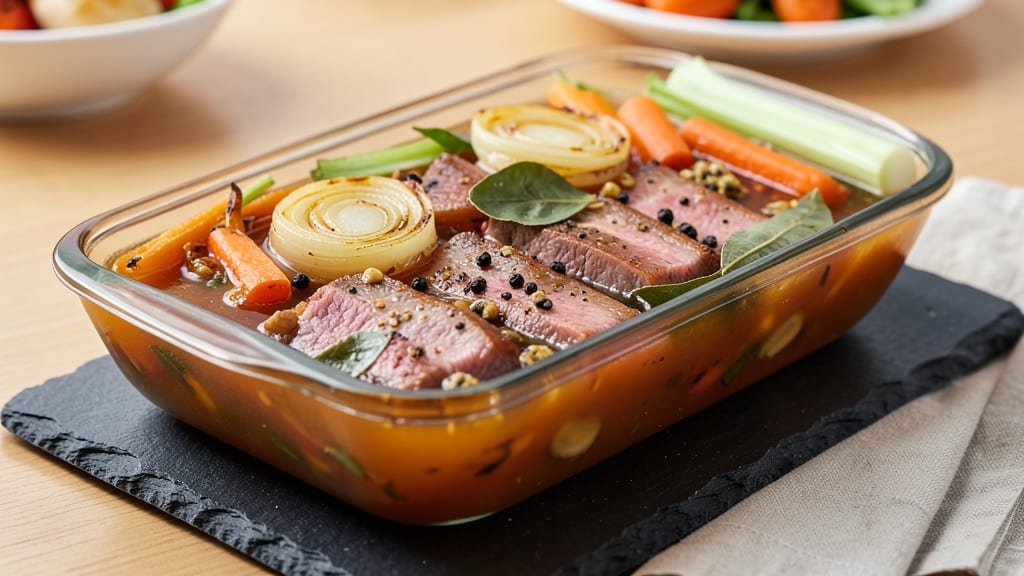
This beef aspic recipe brings back the elegant, wobbling perfection of French bistro classics—where tender beef, crisp vegetables, and silky gelatin create a dish that's equal parts impressive and comforting.
The secret lies in extracting natural gelatin from beef bones and combining it with a rich stock, resulting in a dish that's both visually stunning and deeply flavorful. What makes this recipe stand out is its ability to transform simple ingredients into something restaurant-worthy with minimal effort.
The process begins with creating a flavorful stock from beef bones, which forms the base for the aspic.
As it cools, the gelatin sets into a delicate, jiggly consistency that holds slices of beef and vegetables in place—think crisp carrots, celery, and hard-boiled eggs all suspended in a glossy, savory gel.
This traditional technique isn't just about presentation; it's about preserving flavors and textures in a way that feels luxurious yet approachable.
What you'll achieve is a dish that's perfect for holiday gatherings or elegant dinner parties, where every slice reveals layers of tender beef, vibrant vegetables, and that signature aspic glisten.
The beauty of aspic lies in its versatility—you can customize it with herbs like tarragon, a touch of mustard, or even pickles for a tangy twist. It also keeps beautifully in the fridge for up to a week, making it ideal for meal prep.
Safety is key when working with gelatin, so we'll cover proper handling and storage to ensure your aspic sets perfectly every time. Whether you're a seasoned cook or new to gelatin-based dishes, this recipe delivers professional results with a classic touch. Let's get started on creating your own masterpiece.
Ingredients for beef aspic
Sixteen ingredients transform into an elegant dish where beef and vegetables float in silky gelatin.
| Ingredient | Amount | Notes |
|---|---|---|
| Beef Bones 🦴 | 3 lb | Knuckles or marrow bones preferred |
| Beef Chuck Roast 🥩 | 2 lb | Center-cut, sliced into 1-inch pieces |
| Yellow Onions 🧅 | 2 whole | Peeled, halved lengthwise |
| Carrots 🥕 | 4 whole | Medium, peeled, cut into 3-inch sticks |
| Celery Stalks 🧄 | 4 whole | Trimmed, cut into 3-inch pieces |
| Garlic Cloves 🧄 | 6 cloves | Peeled, smashed |
| Fresh Parsley 🌿 | ¼ cup | Stems removed, roughly chopped |
| Bay Leaves 🍃 | 2 whole | Dried, standard size |
| Black Peppercorns 🌶️ | 1 tbsp | Crushed, whole berries |
| Salt 🧂 | 1 ½ tsp | Kosher or sea salt |
| White Wine 🍷 | 1 cup | Dry, like Sauvignon Blanc |
| Water 💧 | 12 cups | Filtered preferred |
| Hard-Boiled Eggs 🥚 | 4 whole | Medium, peeled |
| Lemon Juice 🍋 | 1 tbsp | Freshly squeezed |
| Unsalted Butter 🧈 | 2 tbsp | Cold, cubed |
The beef bones are the foundation of this recipe—marrow bones or knuckles create the richest gelatin. Look for bones with some meat clinging to them at Whole Foods or your local butcher shop. If you can't find them, substitute with beef stock (4 cups) but the texture won't be as luxurious. The chuck roast should be center-cut for tenderness, and slicing it into even 1-inch pieces ensures consistent cooking. For the vegetables, organic carrots and celery hold their shape better when cooked, but conventional will work fine. The yellow onions add sweetness that balances the savory beef—don't skip browning them for deeper flavor.
No wine? Dry white grape juice works in a pinch, though the flavor will be subtly different. Fresh parsley is ideal, but dried parsley at one-third the amount will suffice if you're in a bind. The bay leaves add earthy depth—remove them before serving as they can be tough. For the hard-boiled eggs, use room-temperature eggs for easier peeling. If you're making this ahead, peel the eggs just before assembling to prevent them from turning gray. The lemon juice brightens the aspic and cuts through the richness—freshly squeezed is best, but bottled works in a pinch. For the butter, European-style butter like Plugrá has higher fat content and creates a richer finish.
This aspic keeps beautifully in the fridge for up to 7 days—the flavor actually improves as it rests. Portion into individual molds for easy serving, or use a large loaf pan for a centerpiece. To reheat, gently warm at room temperature—never microwave, as it can melt the gelatin unevenly. For a tangy twist, add 1 tbsp Dijon mustard to the stock. The gelatin sets best in the coldest part of your fridge, so plan accordingly if your kitchen runs warm. Leftovers make fantastic sandwiches—just slice and serve on crusty bread with a sprinkle of fresh herbs.
Why You'll Love This Recipe
- Minimal Chopping Required: I swear by the "mirepoix shortcut"—just toss in roughly chopped onions, carrots, and celery (no fancy dice needed). The bones and chuck do all the heavy lifting while you sip your coffee.
- Rich, Umami Bomb: That deep, savory broth? Pure magic. The beef bones melt into gelatinous perfection, while the chuck stays tender—like a flavor bomb wrapped in a silky blanket. Honestly, it’s the kind of taste that makes you pause mid-bite.
- Leftovers That Shine: Turns cold cuts into a gourmet upgrade. Slice the chuck thin, layer it with aspic, and suddenly your sandwiches or charcuterie board look like you spent hours prepping (but you didn’t).
- Budget-Friendly Luxury: Beef bones and chuck are cheap, but they taste like a fancy restaurant. Between us, this recipe stretches one roast into meals for days—no wasted ingredients, just pure, satisfying flavor. (Yes, even on a Tuesday night.)
Step-by-step instructions for beef aspic
Here's how to create a rich, wobbling aspic that encases tender beef and vegetables in perfect gelatin.
Prepare the Meat and Vegetable Base
In a large stockpot, combine the 3 lb beef bones and 2 lb beef chuck roast sliced into 1-inch pieces. Add the 2 whole yellow onions (halved), 4 whole carrots (cut into 3-inch sticks), 4 whole celery stalks (cut into 3-inch pieces), 6 cloves garlic (smashed), 2 whole bay leaves, 1 tbsp black peppercorns, and 1.5 tsp salt. This aromatic bundle forms the flavor foundation.
Cover everything with the 12 cups water and bring to a boil over high heat. Once boiling, reduce to a gentle simmer and skim off any foam that rises to the surface. This ensures clarity in your final aspic. Simmer uncovered for 3 hours, stirring occasionally, until the meat is tender and the liquid has reduced by about one-third. The bones should be clean and the vegetables soft but still holding their shape.
Strain and Clarify the Broth
Line a large colander with cheesecloth or a fine-mesh strainer. Carefully strain the broth through it, pressing gently on the solids to extract all flavor. Discard the meat and vegetables—you'll only use the clarified broth for the aspic. The strained liquid should be golden-brown and clear, with no cloudiness.
Return the strained broth to the stockpot and stir in the 1 cup white wine and 1 tbsp lemon juice. Bring to a rolling boil over medium-high heat, then reduce to a gentle simmer for 15 minutes to concentrate the flavors further. This step deepens the aspic's richness and balances any bitterness from the bones.
Set Up the Aspic Molds
While the broth simmers, prepare your molds. Lightly grease 6 individual molds (or one large mold) with a thin layer of 2 tbsp unsalted butter, rubbing it evenly over the surfaces. This prevents the aspic from sticking and ensures easy release later. Arrange the 4 hard-boiled eggs in the bottom of each mold, nestling them gently so they don't roll.
Surround each egg with the 2 lb beef chuck roast pieces, packing them tightly around the eggs. Distribute the 0.25 cup fresh parsley (roughly chopped) and any remaining garlic cloves (if not all were used earlier) around the meat. The goal is to create a dense, even layer that will be perfectly encased in gelatin.
Pour and Chill the Aspic
Carefully ladle the hot broth into the molds, filling them to within ½ inch of the top. The liquid should completely cover the meat and eggs, leaving a small gap to prevent spillage as the aspic cools. Tap the molds gently on the counter to release any air bubbles trapped in the liquid.
Cover the molds with plastic wrap and refrigerate for at least 6 hours, or until the aspic has fully set and wobbles like jelly when gently shaken. The longer it chills, the firmer the aspic will become—ideal for clean slices that hold their shape. For best results, let it set overnight in the refrigerator.
Unmold and Serve
Run a hot knife under warm water and wipe it dry before carefully running it around the edges of each mold. This step ensures a clean release without tearing the aspic. Gently invert the molds onto a serving platter, tapping lightly to coax the aspic free. The result should be a glossy, wobbling masterpiece with tender beef and eggs perfectly encased.
Serve the aspic chilled with a sprinkle of fresh parsley for color and freshness. The contrast of the cold, jiggly exterior and warm, savory interior makes this dish unforgettable. Store any leftovers in an airtight container in the refrigerator for up to 3 days, though it's best enjoyed fresh.
Pro Tips For Making Beef Aspic
- Simmer Low and Long: Start with a rolling boil to extract flavors fast, but once the bones and meat hit the pot, drop the heat to a gentle simmer—think tiny bubbles, not a roiling cauldron. I learned this the hard way; my first batch turned cloudy when I kept it too hot, and no amount of straining fixed the murkiness.
- Blanch the Veggies First: Chop onions, carrots, and celery into rough chunks (no need for perfection), then blanch them in boiling water for 2 minutes before adding to the pot. This softens them faster and keeps them from turning to mush later—your aspic will stay clear instead of looking like soup.
- Strain Twice, Patience Pays: Line your strainer with cheesecloth or a coffee filter for the final strain, but don’t rush—let the hot liquid drip slowly into the bowl. I used to pour it fast and ended up with sediment; now I wait 10 minutes, and the result is glass-like, not gritty.
- Use Cold Bones, Not Warm: Take the beef bones and chuck roast straight from the fridge—cold meat releases collagen better than warm. I was skeptical until I tried it; the broth thickens more reliably, and you avoid that rubbery texture some recipes warn about. (Yes, even if you’re impatient like me.)
Perfect pairings for this recipe
Classic French Sides
Serve your beef aspic with classic French accompaniments that complement its rich, savory profile. A simple green salad with arugula, shaved fennel, and a lemon-Dijon vinaigrette provides a crisp, refreshing contrast.
I love using Whole Foods' organic arugula for its peppery bite, tossed with 2 tbsp extra-virgin olive oil and 1 tsp Dijon mustard. For extra flair, add thinly sliced radishes and toasted walnuts for crunch. 🥗
Crusty Bread Pairings
A warm, baguette-style loaf is essential for soaking up any leftover aspic juices. Look for French-style bread at your local bakery—Bouchon Bakery in Los Angeles makes an excellent choice.
Toast it lightly and serve with herb butter (mix 2 tbsp softened butter with 1 tbsp chopped chives and a pinch of salt). Alternatively, crusty sourdough adds a tangy depth that balances the aspic's richness.
Pickled Vegetables
Add a tangy element with pickled vegetables like cornichons, pickled onions, or carrots. I recommend Reese's Pickles for their crisp texture and bright flavor. Arrange them artistically on the platter alongside the aspic for both visual appeal and a palate-cleansing bite.
For a DIY option, quickly pickle thinly sliced red onions in 1 cup vinegar, 1 tbsp sugar, and 1 tsp salt for 30 minutes before serving.
Wine and Beer Pairings
A dry white wine like Chardonnay or Sauvignon Blanc pairs beautifully with beef aspic, cutting through the richness with its acidity. For a lighter option, try a crisp Belgian witbier—the citrus notes complement the dish wonderfully.
If you prefer beer, Hoegaarden or Stella Artois are excellent choices. Avoid heavy reds, as they can overpower the delicate gelatin texture. 🍷
Herb Garnishes
Brighten the presentation with fresh herb garnishes like tarragon, chervil, or parsley. I like to finely chop 1 tbsp fresh tarragon and sprinkle it over the aspic just before serving for an anise-like aroma.
For a pop of color, add edible flowers like nasturtiums, which also provide a mild peppery flavor. These garnishes elevate the dish from rustic to refined with minimal effort.
Cheese Platter Contrast
Balance the aspic's savory depth with a mild cheese platter. I recommend Brie, Camembert, or goat cheese for their creamy textures and subtle tang. Serve with crackers and honey for a sweet contrast.
The contrast of cold cheese against the warm, savory aspic creates a memorable dining experience. For a vegetarian-friendly option, include marinated artichoke hearts and olives on the platter.
Nutrition facts
Frequently asked questions
Can I use store-bought beef stock instead of making my own?
Yes, but the texture and flavor won't be as rich. For best results, use high-quality beef stock (like Kettle & Fire or Pacific Foods) that contains natural gelatin. Add 1 tbsp unflavored gelatin powder to 4 cups stock to mimic the homemade version. The homemade stock creates a more luxurious, wobbling set.
Why did my aspic turn cloudy instead of clear?
Cloudiness usually means proteins or impurities didn't fully settle during straining. Skim foam carefully during simmering and strain through cheesecloth for crystal clarity. If it's already set, you can try reheating the broth, straining again, and pouring over the existing aspic to create a clearer top layer.
How do I prevent air bubbles in my aspic?
Tap the molds firmly on the counter after pouring to release trapped air, then refrigerate undisturbed. For extra insurance, place a small piece of parchment paper on the surface before chilling—it creates a smooth top. Avoid opening the fridge door frequently during the setting process to prevent temperature fluctuations.
Can I make beef aspic ahead of time?
This dish actually improves with time. Prepare it up to 3 days ahead and store in an airtight container in the fridge. For longer storage (up to 1 week), wrap tightly in plastic wrap and refrigerate. The flavors meld beautifully, making it perfect for holiday meals or entertaining.
What can I substitute if I don't have molds?
No molds? No problem! Use ramekins, loaf pans, or even small bowls lined with plastic wrap. For individual servings, try greased custard cups or small baking dishes**. The key is to create a shape that's easy to unmold—just make sure everything's well-greased with butter.