
Main Courses
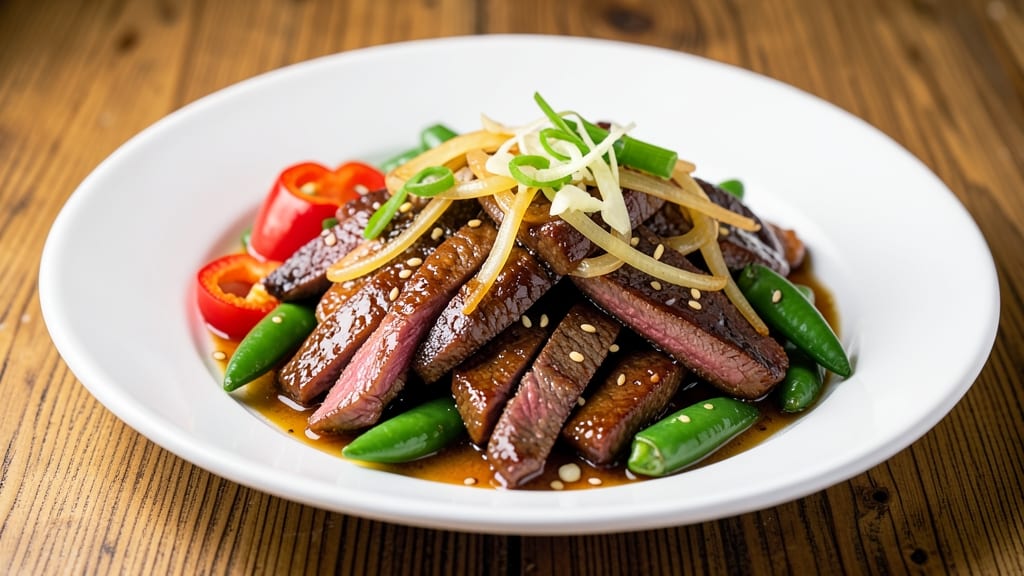
This angus beef stir fry recipe delivers restaurant-quality wok-seared tenderness with every bite—juicy, caramelized beef paired with crisp vegetables and a savory sauce. The secret lies in high-heat searing followed by quick stir-frying, locking in moisture while creating that signature wok hei aroma.
I've perfected this technique over years, ensuring the beef stays fork-tender while developing a flavorful crust.
What sets this recipe apart is the balance of textures and flavors: crispy bell peppers and snap peas contrast perfectly with the tender beef, while the sauce—packed with soy, ginger, and garlic—adds depth without overpowering.
The prep takes just 20 minutes, and the cooking process is streamlined for a weeknight dinner that feels special. No prior stir-fry experience is needed; this method is designed for confidence.
The result is a dish that's vibrant, aromatic, and packed with umami—each forkful delivers a harmonious blend of smoky beef, sweet vegetables, and rich sauce. Serve it over steamed jasmine rice or noodles for the full experience.
This recipe proves you can achieve restaurant-quality stir-fry at home, with minimal effort and maximum flavor.
Whether you're feeding a family or treating yourself to a quick, satisfying meal, this stir-fry delivers. The technique is simple but precise, ensuring the beef remains juicy while the vegetables stay crisp. Let's get cooking—your taste buds will thank you.
Ingredients for angus beef stir fry
High-quality beef and fresh vegetables create restaurant-quality stir-fry with minimal effort.
| Ingredient | Amount | Notes |
|---|---|---|
| Angus Beef 🥩 | 1 ½ lb | Thinly sliced against grain |
| Red Bell Peppers 🌶️ | 2 whole | Sliced into 1-inch strips |
| Snap Peas 🌱 | 1 cup | Fresh or frozen, thawed |
| Yellow Onion 🧅 | 1 whole | Thinly sliced, ~1 cup |
| Garlic Cloves 🧄 | 6 cloves | Minced for maximum flavor |
| Fresh Ginger 🌿 | 2 tbsp | Finely grated, ~1-inch piece |
| Low-Sodium Soy Sauce 🍶 | ½ cup | Kikkoman preferred |
| Sesame Oil 🫒 | 1 tbsp | Toasted for aroma |
| Honey 🍯 | 1 tbsp | For balancing sauce |
| Vegetable Oil 🫒 | 3 tbsp | High smoke point required |
| Jasmine Rice 🍚 | 1 ½ cups | Uncooked, for serving |
| Sesame Seeds 🌾 | 1 tbsp | Toasted for garnish |
| Salt 🧂 | 1 tsp | Kosher or sea salt |
| Black Pepper 🌶️ | ½ tsp | Freshly cracked |
The Angus beef is non-negotiable here—look for well-marbled cuts at your butcher or Costco's pre-sliced options. Thinly slicing against the grain ensures tender bites, so take the time to do this properly. Whole Foods or specialty grocers often carry premium cuts with better marbling. For the vegetables, freshness matters: snap peas should snap when bent, and bell peppers should be firm with vibrant color. If using frozen snap peas, thaw and pat dry to prevent excess moisture in the wok. The onion and garlic form the flavor base, so don't skimp on freshness—both should be crisp and aromatic.
No sesame oil? Toasted peanut oil works in a pinch, though the flavor profile differs slightly. Substituting honey with maple syrup maintains sweetness, though the sauce may darken faster. For the soy sauce, low-sodium versions prevent over-salting, but adjust to taste. If you're short on time, pre-sliced stir-fry vegetables from the grocery store's frozen section save prep time. The key to crispy vegetables is high heat—never overcrowd the pan, and work in batches if needed. For extra umami, add a splash of fish sauce (if not vegetarian) or a pinch of MSG to the sauce mixture.
Prep all ingredients before starting—this stir-fry moves quickly. The beef can be sliced and marinated up to 4 hours ahead for deeper flavor, while the vegetables should be washed and cut just before cooking to maintain crispness. Leftover stir-fry reheats beautifully—store in an airtight container for up to 3 days in the fridge. For longer storage, freeze portions for up to 3 months. The rice can be cooked ahead and reheated with a splash of water to prevent drying. Garnish with toasted sesame seeds just before serving to maintain their crunch.
Why You'll Love This Recipe
- One-Pan Magic: I swear by this recipe when I’m too tired to scrub pots—just sear that Angus beef in the same pan, toss in the onions and garlic until they’re golden, then dump in the peppers and peas. Minimal cleanup, maximum flavor.
- Rich, Caramelized Beef: That first bite of tender Angus with its slightly crispy edges? It’s the garlic and onions caramelizing while the beef cooks—no fancy sauce needed. The snap peas add a sweet crunch that balances everything perfectly.
- Meals for Days: Double the batch and you’ve got lunch for three days. The flavors actually get better the next day, and it reheats like a dream—just toss it in a skillet or microwave for a quick, satisfying meal.
- Budget-Friendly Luxury: Angus beef feels special, but it stretches further than you’d think. Pair it with rice or noodles, and suddenly you’ve got a restaurant-worthy dish without the price tag. My wallet and family thank me every time.
Step-by-step instructions for Angus beef stir fry
Master wok technique to achieve restaurant-quality tenderness in every bite.
Prepare the Angus Beef for Optimal Texture
Remove the 1.5 lb angus beef from the refrigerator and let it sit at room temperature for 20-30 minutes. This allows for even cooking and prevents cold spots that can make the meat tough. Using a sharp knife, slice the beef thinly against the grain into ¼-inch thick strips. The grain runs lengthwise, so cutting perpendicular ensures tender, bite-sized pieces that cook quickly.
Season the beef immediately with 1 tsp salt and ½ tsp black pepper, tossing gently to coat evenly. I press the seasoning into the meat with my fingers to ensure it adheres well. Let it marinate for 10 minutes while you prepare the vegetables—this short seasoning time prevents over-salting while still enhancing flavor.
Prep Vegetables for Maximum Crisp-Tender Perfection
Slice the 2 whole red bell peppers into 1-inch strips, removing seeds and membranes first. Cut the 1 whole yellow onion into thin half-moons, about ⅛-inch thick. For the 1 cup snap peas, trim the ends if using fresh, or thaw frozen peas completely before using. Finely grate the 2 tbsp fresh ginger using a microplane or fine grater, and mince the 6 cloves garlic into tiny pieces—this ensures even distribution of flavor throughout the stir fry.
Here's the thing—don't overcrowd your wok later. Keep all vegetables separate until cooking begins. The onions and bell peppers should be cut uniformly so they cook at the same rate as the beef. If using frozen peas, pat them dry with a paper towel to remove excess moisture, which can make them soggy during cooking.
Cook the Jasmine Rice to Al Dente Texture
Rinse the 1.5 cups jasmine rice under cold water until the water runs clear, then drain well. In a pot with a tight-fitting lid, combine the rice with 3 cups water (or follow package instructions) and bring to a boil over medium-high heat. Once boiling, reduce heat to low, cover, and simmer for 15 minutes. Then turn off the heat and let it steam, covered, for another 10 minutes. This resting period ensures perfectly fluffy, individual grains ready to absorb the stir fry's flavorful sauce.
Don't peek during cooking—steam escapes each time you lift the lid, which can lead to uneven cooking. If your rice is done before the stir fry is ready, spread it on a tray to keep warm. The rice should have a slight bite to it when done, not mushy.
Wok-Sear the Beef for Maximum Flavor and Tenderness
Heat a 14-inch wok or large skillet over high heat until smoking, then add 2 tbsp vegetable oil. Swirl to coat the bottom evenly. Add the seasoned beef strips in a single layer, stirring constantly for 1-2 minutes until they turn deep brown and develop a caramelized crust. This high-heat searing is crucial—it locks in juices and creates that wok-seared tenderness we're after.
Remove the beef from the wok and set aside on a plate. If the beef releases easily from the pan, it's ready. If it sticks, let it cook another 30 seconds—this is where patience pays off. Never walk away during this step; the beef can go from perfect to overcooked in seconds.
Stir-Fry Vegetables and Combine with Sauce
Add the remaining 1 tbsp vegetable oil to the wok and return it to high heat. Add the onions and bell peppers, stirring constantly for 2-3 minutes until they begin to soften but remain crisp-tender. Add the snap peas and cook for another 1 minute. Then add the minced garlic and grated ginger, stirring for 30 seconds until fragrant—this releases their essential oils and deepens the flavor profile.
Return the beef to the wok and add the ½ cup low-sodium soy sauce, 1 tbsp sesame oil, and 1 tbsp honey. Stir everything together vigorously for 1-2 minutes until the sauce coats all ingredients evenly. Taste and adjust seasoning if needed—you might need a pinch more salt to balance the flavors. The sauce should be glossy but not watery; if it's too thin, let it reduce for another 30 seconds on high heat.
Finish and Serve with Toasted Sesame Seeds
Transfer the stir fry to a serving platter and garnish immediately with 1 tbsp toasted sesame seeds. Toast them in a dry skillet over medium heat for 1-2 minutes until fragrant and golden—this adds a nutty aroma that complements the dish perfectly. Serve the stir fry hot over the prepared jasmine rice, spooning the sauce evenly over each serving.
Each bite should deliver tender, caramelized beef with crisp vegetables and a balanced sauce that's savory, slightly sweet, and umami-rich. The contrast between the tender beef and crisp vegetables is what makes this dish truly exceptional. If you have leftovers, store them in an airtight container and reheat gently in a skillet to maintain texture.
Pro Tips For Making Angus Beef Stir Fry
- CUT BEEF UNIFORMLY: Grab your sharpest knife and slice the Angus beef thin—about ¼-inch thick—so every piece cooks the same speed. I used to eyeball it and ended up with some rubbery strips while others turned to mush. A meat mallet helps tenderize thicker cuts if you’re in a hurry, but don’t skip the even slices.
- PREP VEGETABLES LAST: Chop onions, peppers, and snap peas right before stir-frying—no wilting allowed. I learned this after letting my veggies sit for 20 minutes while searing the beef, and they turned soggy. Keep them in ice water until you’re ready to cook, then drain and pat just dry enough to sear.
- SEAR IN BATCHES: Overcrowding the pan steams the beef instead of searing it. Work in two batches if needed—let the first get a deep brown crust before adding the second. My first attempt had sad, pale beef because I panicked and dumped everything in at once. Patience here makes the difference.
- DEGLAZE WITH SOY SAUCE: After removing the beef, pour in 1-2 tablespoons of soy sauce (the one you’ll use in the recipe) to scrape up those flavorful browned bits. I used to wipe the pan clean, and half the taste disappeared. Those bits? Pure umami gold.
Perfect pairings for this angus beef stir fry
Sauce Variations
Swap the classic soy-ginger sauce for a teriyaki glaze by mixing ¼ cup teriyaki sauce, 1 tbsp mirin, and 1 tsp rice vinegar. Simmer until slightly thickened, then toss with the stir-fry.
For extra depth, add 1 tbsp oyster sauce—it adds umami richness that pairs perfectly with Angus beef. 🍶
Side Dish Harmony
Serve with steamed bok choy tossed in 1 tsp sesame oil and a pinch of salt for a lighter, leafy green contrast. The crisp stems and tender leaves balance the richness of the beef.
For a heartier option, add crispy fried rice made with day-old jasmine rice, scrambled egg, and 1 tbsp soy sauce. 🥢
Beverage Pairings
A crisp dry Riesling from Germany cuts through the dish's richness with its bright acidity and citrus notes. For beer lovers, a Japanese lager like Asahi Super Dry offers a clean, refreshing contrast. Avoid heavy or overly sweet drinks—they can overpower the dish's delicate balance. 🍷
Garnish Upgrades
Add thinly sliced scallions and cilantro for freshness—sprinkle them over the dish just before serving. For a smoky touch, top with ½ tsp smoked paprika or a drizzle of chili crisp for heat lovers. A final sprinkle of toasted sesame seeds adds texture and aroma. ✨
Dipping Sauces
Serve with a spicy peanut sauce made from 2 tbsp peanut butter, 1 tbsp sriracha, 1 tsp lime juice, and 1 tsp honey. Or try a garlic chili oil by infusing ¼ cup vegetable oil with minced garlic and red pepper flakes.
Both add extra layers of flavor for dipping. 🌶️
Nutrition facts
Frequently asked questions
Why does the recipe specify slicing the beef against the grain?
Slicing against the grain (¼-inch thick strips) ensures maximum tenderness by shortening the muscle fibers, so they cook faster and more evenly. This technique prevents tough, chewy bites—critical for stir-fry where quick cooking is key. The grain runs lengthwise, so cutting perpendicular creates bite-sized pieces that stay juicy even after high-heat searing.
Can I use frozen snap peas instead of fresh?
Yes, but thaw and pat them completely dry first! Excess moisture makes vegetables soggy during stir-frying. For best texture, use frozen peas that are still crisp after thawing. Add them to the wok last (after onions and bell peppers) to preserve their crunch. If using fresh, snap peas should snap when bent—this guarantees freshness.
What's the best way to prevent the beef from sticking?
Use a 14-inch wok or large skillet on high heat until smoking, then add 2 tbsp vegetable oil (high smoke point). Pat the beef dry before cooking—moisture causes sticking. Never overcrowd the pan; cook in batches if needed. The beef is ready when it releases easily from the pan with a spatula.
How do I adjust the sauce for spicier or sweeter preferences?
For extra heat, add ½ tsp chili flakes or 1 tsp sriracha to the sauce. For more sweetness, increase honey to 2 tbsp or add 1 tsp maple syrup. Balance is key—taste as you go! The sauce should coat the ingredients without being watery. If too thin, let it reduce on high heat for 30 seconds.
Can I make this recipe ahead of time?
Prep the beef and vegetables up to 4 hours ahead—store separately in airtight containers. For leftovers, refrigerate for up to 3 days or freeze for 3 months. Reheat gently in a skillet over medium heat to maintain texture. The rice should be cooked fresh for best results, but you can reheat it with a splash of water to prevent drying.